
It is a common misconception that all dogs possess an innate, instinctual ability to swim. While many breeds—such as the Labrador Retriever, the Portuguese Water Dog, and the Newfoundland—are historically associated with aquatic environments, the reality is that swimming is a skill that often requires instruction, practice, and confidence. For the modern pet owner, teaching a dog to swim is more than just a summer pastime; it is a critical safety investment that can prevent tragedy.
Every year, an estimated 10,000 dogs drown in the United States alone. These heartbreaking incidents frequently occur in residential swimming pools where dogs, having fallen or jumped in, become exhausted and are unable to locate an exit point. By prioritizing water education, owners not only strengthen the human-animal bond but also equip their canine companions with the tools necessary to navigate aquatic environments safely.
The Vital Importance of Water Literacy
The motivation for teaching a dog to swim extends far beyond simple recreation. For many canines, the water serves as a therapeutic medium.
Therapeutic Benefits
For dogs suffering from chronic conditions such as canine arthritis, hip dysplasia, or degenerative spinal issues, high-impact exercise can be detrimental. Swimming provides a low-impact, high-resistance aerobic workout. Because the water supports the dog’s body weight, the stress on inflamed joints is significantly reduced, allowing for movement that would be impossible on land. Similarly, for overweight dogs, hydrotherapy or assisted swimming can be an effective weight-management tool, helping them burn calories without exacerbating joint pain.
Physical Conditioning
Beyond rehabilitation, competitive performance dogs—those involved in agility, flyball, or dock diving—regularly utilize swimming to maintain peak physical condition. The full-body engagement required to navigate water builds muscular endurance and cardiovascular health that running on a track cannot replicate.
Understanding Canine Biomechanics and Breed Limitations
Before heading to the nearest lake or pool, it is essential to understand that not all dogs are physiologically "built" for the water.
The Physical Barrier
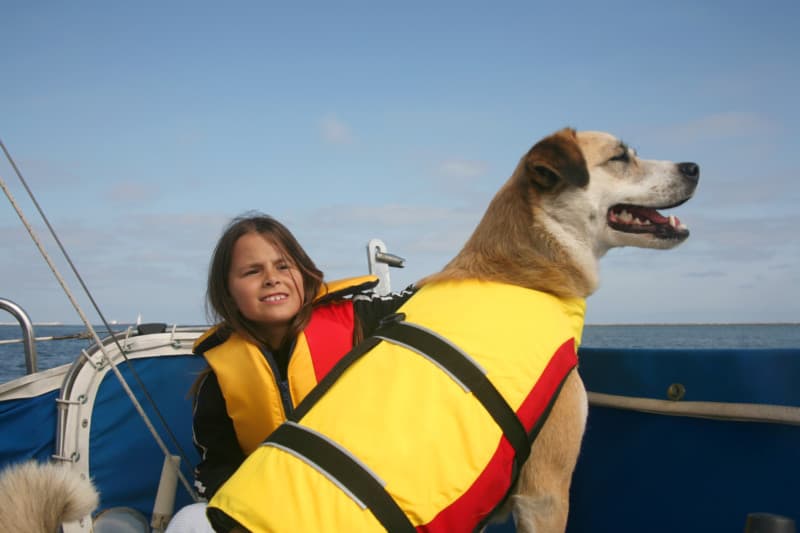
Breeds with heavy, deep chests and short limbs, such as the English Bulldog, French Bulldog, or Pug, often struggle to maintain horizontal buoyancy. Their center of gravity and facial structure make keeping their nostrils above the water line a difficult task. These breeds are prone to rapid fatigue and, if they do enter the water, should always be fitted with a properly sized canine life vest.
Temperament and Individual Variation
Even among breeds known for their aquatic prowess, individual personality plays a significant role. Some dogs are naturally water-averse. For example, Myles, a well-known canine companion in the pet-travel community, famously avoids even small puddles. Conversely, other dogs, like the late, beloved Buster, may thrive in the surf, necessitating frequent trips to pet-friendly beaches. Recognizing your dog’s specific comfort level is the first step in successful training.
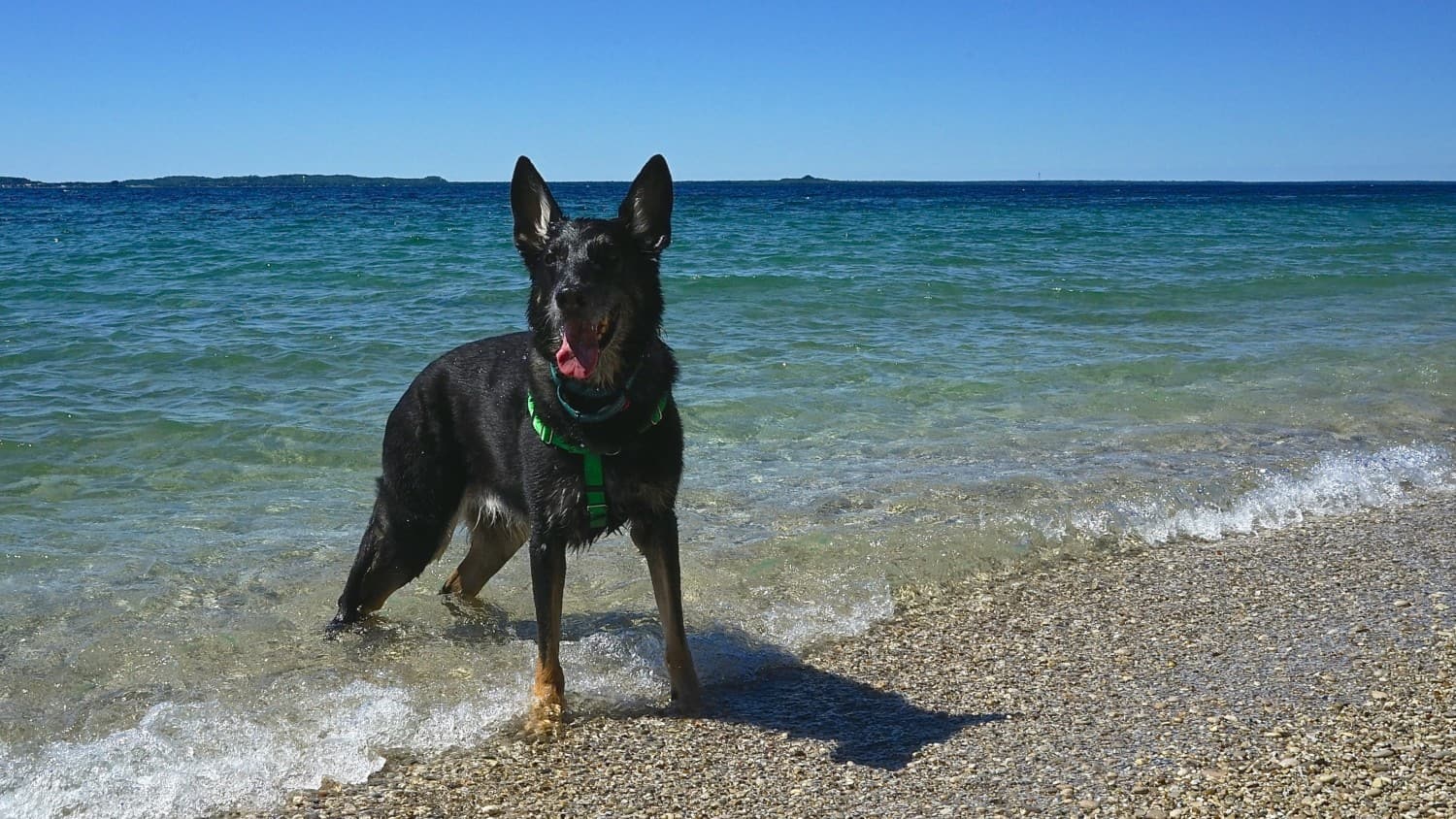
Assessing Your Dog’s Aquatic Aptitude
To determine where your dog falls on the spectrum of water comfort, start with a simple, low-pressure assessment.
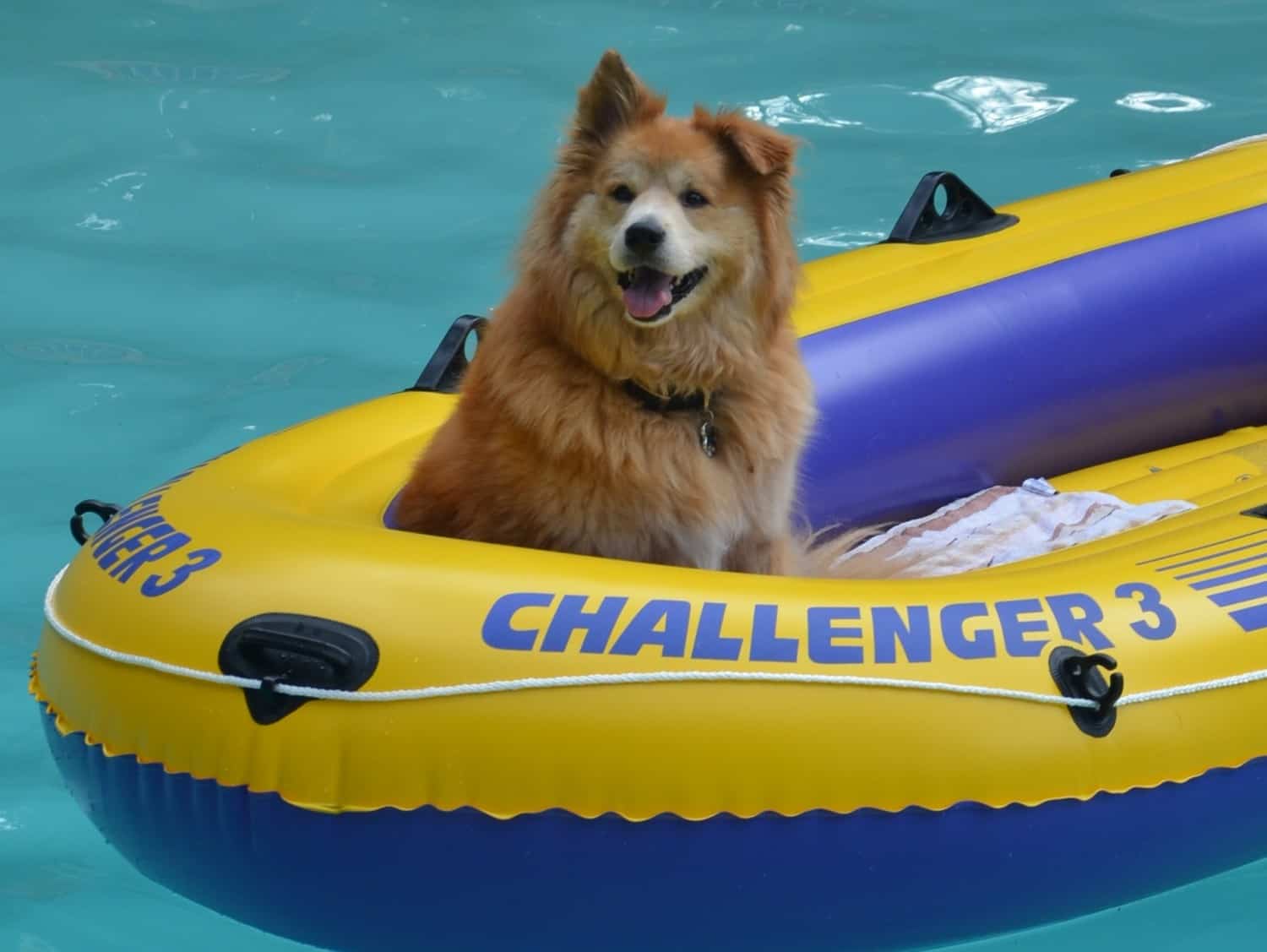
- The "Raft Test": If your dog will only enter the water while perched atop a pool float, they are not yet comfortable navigating the water independently.
- The Leash Test: Walk your dog into shallow water on a leash. Observe their reaction. Do they panic and attempt to scramble back to land? If so, your primary objective is desensitization and building trust.
- The Paddle Check: If the dog begins to move, look at their stroke. A "natural" swimmer will use all four legs in a coordinated, rhythmic motion. If the dog is only using their front legs while their hindquarters sink, they are struggling. This "sinking rear" is a common indicator that the dog has not yet figured out how to use their tail and hind legs for propulsion and stabilization.
A Step-by-Step Approach to Aquatic Training
Teaching a dog to swim should be a gradual, positive-reinforcement-based process. Never force or throw a dog into the water; this can cause long-term trauma and an intense phobia of aquatic environments.
Phase 1: Familiarization
Begin by introducing your dog to the water in a controlled, shallow environment, such as a kiddie pool or the gentle shoreline of a calm lake. Allow them to explore at their own pace. Use high-value treats and favorite floating toys to reward them for stepping into the water.
Phase 2: Building Confidence
Once the dog is comfortable standing in the water, move slightly deeper. Maintain a steady, calm demeanor. If your dog is struggling with their stroke, you may use a life vest with a handle on the back. This allows you to provide support, keeping their hindquarters level while they learn to coordinate their limbs.
Phase 3: Encouraging Movement
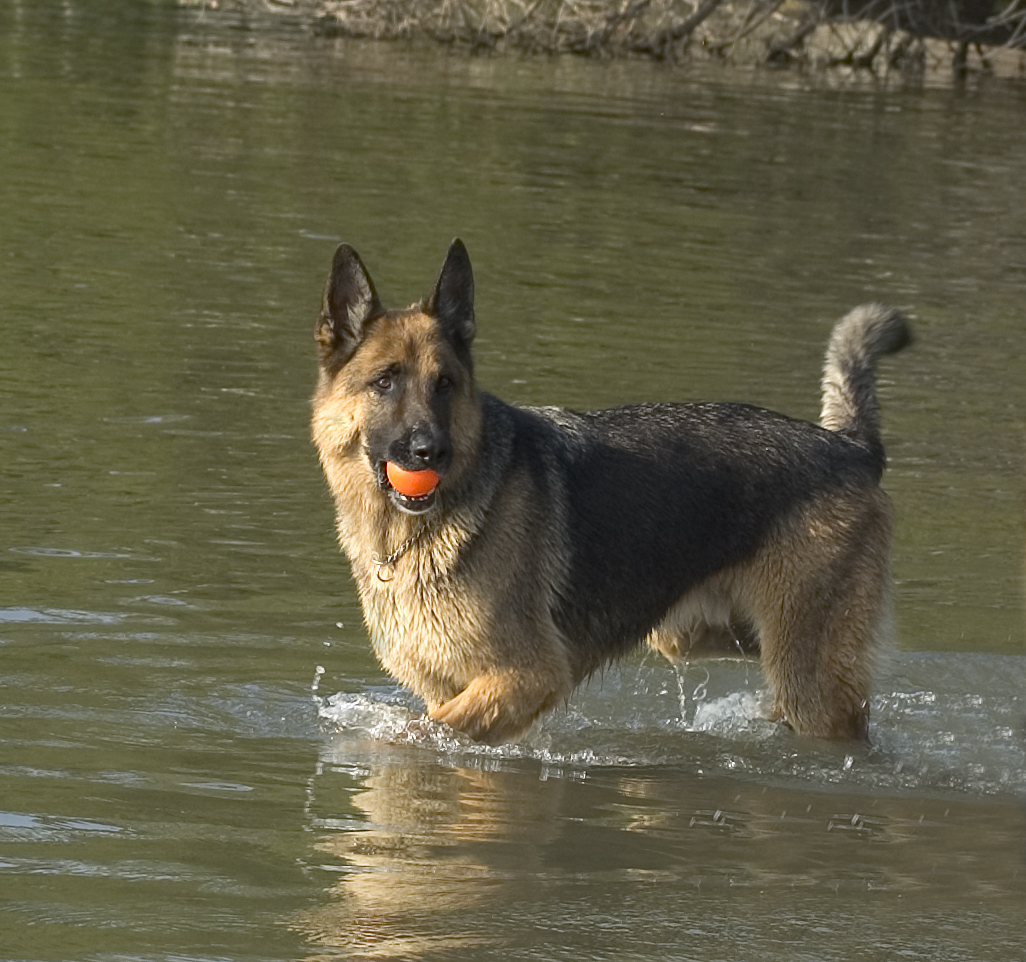
Use a floating retrieve toy. Throw it just a few feet away—far enough that they must swim to get it, but close enough that they feel secure. As they return to you, offer enthusiastic verbal praise.
Safety Protocols and Best Practices
Safety must remain the priority throughout every session.
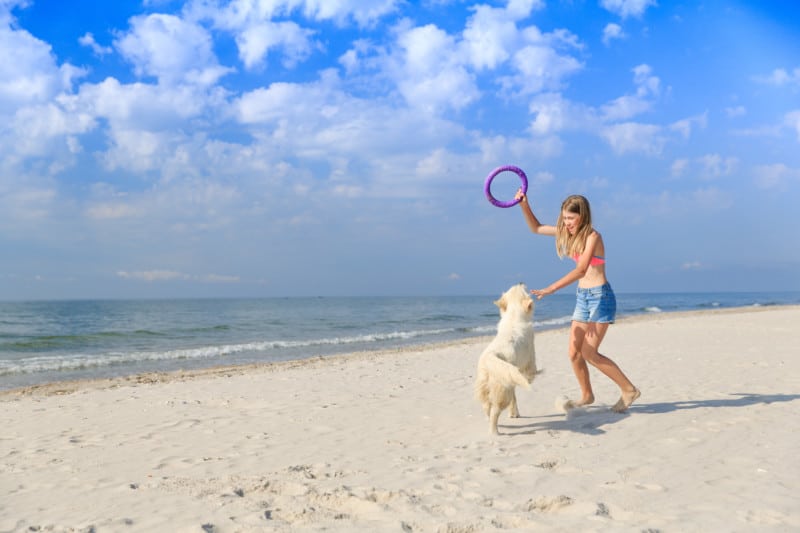
- Environmental Awareness: Always check the water temperature. Cold water can lead to rapid muscle cramping, while hot water can increase the risk of heat exhaustion. Ensure the water is clean and free of dangerous debris, strong currents, or toxic blue-green algae.
- The "Rule of Rest": Dogs often do not realize they are tired until it is too late. Watch for signs of heavy panting, lethargy, or the "sagging rear" mentioned earlier. Enforce mandatory, frequent breaks on dry land.
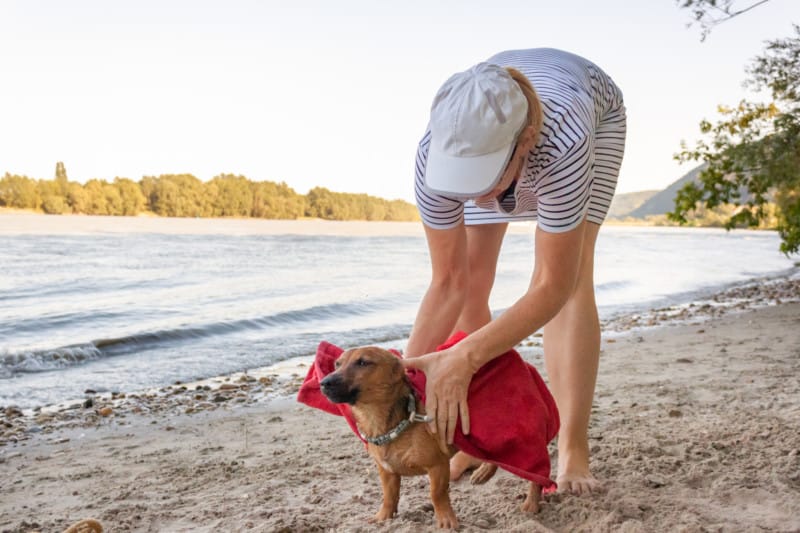
- Post-Swim Hygiene: Chlorine can strip natural oils from a dog’s coat, leading to dry, itchy skin and eye irritation. Bacteria in natural bodies of water can lead to ear infections. Always rinse your dog thoroughly with fresh, clean water after a swim and take extra care to dry the inside of their ear flaps to prevent trapped moisture.
Implications for Lifelong Aquatic Activity
Once a dog has mastered the basics of buoyancy and propulsion, the world of water sports opens up. Activities such as kayaking, canoeing, and stand-up paddleboarding (SUP) can be incredibly rewarding for both the dog and the owner. However, these activities require a dog that is not only a capable swimmer but also comfortable sitting still on a moving vessel.
The Role of Professional Training
For owners who are unsure of their own ability to train their dogs, many regions offer professional canine hydrotherapy centers. These facilities feature heated pools, trained technicians, and, in some cases, underwater treadmills. These environments are ideal for older dogs or those recovering from surgery, as they provide a sterile, temperature-controlled, and closely monitored space for physical development.
When to Seek Professional Help
If your dog displays signs of extreme anxiety or aggression when near water, it may be beneficial to consult with a certified professional dog trainer. Behavioral modification techniques can help address the root cause of the fear, ensuring that the dog does not associate the water with stress.
Conclusion
Teaching your dog to swim is a commitment to their safety and their overall well-being. By observing their natural inclinations, respecting their physical limits, and employing patient, positive training methods, you can turn a potentially dangerous situation into an enjoyable lifelong hobby. Whether you are hitting the waves at a Florida beach or simply enjoying a summer afternoon at the local lake, the time spent teaching your dog to navigate the water is an investment in a deeper, more adventurous bond.
Remember, not every dog is destined to be a water retriever, and that is perfectly fine. The goal is to ensure that if they ever find themselves in the water, they have the skills to get out safely—and if they learn to love the splash along the way, that is the ultimate reward.