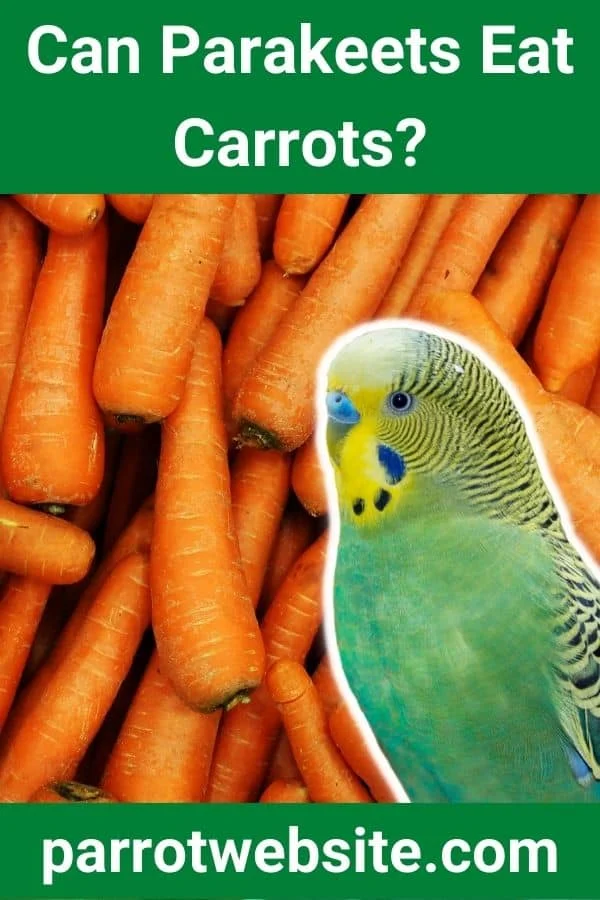
The seasonal harvest is a highlight for any allotment gardener, and there is a distinct sense of pride in bringing home a bounty of fresh, earth-dusted vegetables. Recently, as I hauled a crate of vibrant, homegrown carrots into my kitchen, I found myself under the watchful, inquisitive gaze of my parakeet. It was a familiar scene: the curious bird peering at the produce, clearly wondering if the orange treasure held any value for his own bowl.
Like many pet owners, my first instinct was to share, yet caution immediately followed. Before offering a single slice of carrot to my avian companion, I paused to consider the dietary implications. Can parakeets actually digest these root vegetables? Are they safe, or could they harbor hidden risks? What follows is a comprehensive guide to integrating carrots into a parakeet’s diet, backed by nutritional science and avian care standards.
Main Facts: The Nutritional Profile of Carrots for Avian Health
To understand why a parakeet might benefit from a carrot, one must look at the vegetable’s dense nutritional makeup. Carrots (Daucus carota) are not merely crunchy treats; they are powerhouses of essential vitamins and minerals that mirror the needs of small psittacines.
The Power of Beta-Carotene
Perhaps the most well-known attribute of the carrot is its high concentration of beta-carotene. In the avian world, this is a precursor to Vitamin A, a nutrient that is often lacking in standard, seed-heavy diets. Vitamin A is critical for a parakeet’s immune system, skin health, feather quality, and respiratory tract integrity. Without sufficient Vitamin A, parakeets are prone to "hypovitaminosis A," which can lead to severe health complications.
Essential Fiber and Digestion
Carrots provide a significant amount of dietary fiber, which assists in maintaining regular digestive function. A healthy gut microbiome is essential for a bird’s overall immunity, and the roughage provided by a fresh, raw carrot helps stimulate the digestive tract.
A Spectrum of Vitamins
Beyond Vitamin A, carrots are rich in:
- Vitamin K1: Essential for proper blood coagulation.
- Vitamin B6: Vital for the metabolism of amino acids and glucose.
- Potassium: A mineral that regulates blood pressure and muscle function.
While these nutrients are beneficial, it is vital to acknowledge that they are supplements to, not replacements for, a balanced diet. A parakeet’s primary nutritional intake should come from high-quality pellets, supplemented by a variety of leafy greens, grains, and occasional fruits.
Chronology of a Culinary Curiosity
My journey into this topic began with a simple harvest. As I processed the carrots, the following timeline of considerations unfolded:
- The Observation: Bringing the harvest indoors, the parakeet’s immediate interest served as the catalyst for research.
- The Inquiry: Recognizing that I had never served carrots before, I initiated a review of avian dietary databases and veterinary resources to ensure safety.
- The Verification: Cross-referencing nutritional data confirmed that while safe, carrots are sugar-dense and must be treated as a secondary snack.
- The Implementation: Introducing the carrot in a raw, finely chopped format to test palatability.
- The Ongoing Management: Establishing a strict, bi-weekly rotation to ensure the bird benefits from the nutrients without suffering the consequences of over-indulgence.
Supporting Data: Why Moderation is the Golden Rule
While the benefits of carrots are clear, the "too much of a good thing" principle is the most critical aspect of avian nutrition.
The Risk of Sugar Overload
Carrots contain natural sugars, including sucrose and glucose. While these provide energy, a bird’s metabolism is vastly different from a human’s. Excess sugar in a parakeet’s diet can lead to obesity, fatty liver disease, and even yeast infections in the crop. Because carrots are root vegetables that store energy as sugar, they must be treated with the same caution as high-sugar fruits like apples or grapes.
The Fiber-to-Volume Ratio
Because parakeets are small, their stomachs are relatively tiny. Filling that space with too much fibrous material can leave little room for the nutrient-dense pellets that provide the core of their caloric needs. Feeding a large, whole carrot is not only wasteful but can lead to a bird picking at one food source exclusively, resulting in "selective eating" behaviors.
Recommended Serving Frequency
Avian nutritionists generally suggest that vegetables like carrots should occupy no more than 10-15% of a parakeet’s daily food intake. Serving a small, teaspoon-sized portion once or twice a week is the "sweet spot" for most owners. This frequency allows the bird to enjoy the variety and nutritional boost without the risks associated with caloric excess.
Official Responses and Expert Consensus
Consulting with veterinary professionals and avian nutrition experts yields a consistent consensus: Diversity is the cornerstone of health.
Most avian veterinarians argue that the "seed-only" diet is a death sentence for parakeets. Consequently, they advocate for the introduction of fresh produce. However, they are equally quick to warn against the "treat trap." Many pet owners assume that because a food is "natural" or "healthy," it can be offered in unlimited quantities.
Dr. Helena Rivers, an avian specialist, notes: "The key to a long-lived parakeet is mimicking the foraging variety they would find in the wild. Wild parakeets eat a vast array of seeds, sprouts, flowers, and occasional root vegetables. In captivity, we must recreate this variety, but we must also account for the fact that our pets have lower energy expenditure than their wild counterparts. Therefore, treat foods—even healthy ones like carrots—must be strictly rationed."
Implications: Preparing the Perfect Carrot Snack
If you have decided to add carrots to your parakeet’s diet, the method of preparation is just as important as the frequency.
The Case for Raw vs. Cooked
- Raw is Best: Serving carrots raw is the gold standard. It preserves the integrity of the vitamins and provides the physical exercise of gnawing, which helps keep a bird’s beak in good condition.
- The Danger of Cooked: While cooked carrots are not toxic, the cooking process often involves oils, salts, or spices that are potentially harmful to a bird’s sensitive respiratory and digestive systems. Furthermore, cooking breaks down the fiber, making the sugar more readily available for quick absorption, which increases the risk of weight gain.
Preparation Techniques
- Thorough Cleaning: Always wash the carrot thoroughly to remove any pesticides or soil-borne pathogens. Peeling is optional but recommended if the carrot is not organic.
- Size Matters: Parakeets are naturally intimidated by large objects. Use a grater to shred the carrot, or slice it into thin, manageable strips that the bird can easily hold with its foot or manipulate with its beak.
- The "Foraging" Method: You can place small, thin slices of carrot inside a foraging toy. This turns a simple snack into an enriching, brain-stimulating activity that mimics the natural foraging behavior of wild parakeets.
What to Avoid
Never feed your parakeet canned carrots, which are often loaded with sodium, or carrots that have been cooked in butter or oil. Additionally, if you notice your bird shows signs of digestive distress—such as loose droppings—following the introduction of carrots, discontinue the practice immediately and consult your veterinarian.
Conclusion: A Balanced Approach to Bird Care
The journey from the allotment to the birdcage is one that requires both enthusiasm and education. Carrots are undoubtedly a nutritious addition to a parakeet’s life, offering a welcome crunch and a boost of essential vitamins. However, they should never be the main event.
By treating carrots as an occasional, carefully prepared snack, you can enrich your bird’s diet without compromising its health. Remember: the goal is to provide a balanced, varied, and safe nutritional environment. When you balance the natural, fiber-rich goodness of a garden-fresh carrot with the core nutritional requirements of your parakeet, you aren’t just feeding them—you are investing in their long-term vitality.
As I watch my parakeet nibbling on a sliver of fresh, raw carrot, I am reminded that the best care we can provide our pets is an informed one. With moderation as our guide, we can ensure that our feathered friends enjoy the very best of our harvests, safely and happily.