
September 29, 2025 | General News
Life on the farm is rarely predictable, and this past week served as a stark reminder of the delicate balance between professional joy, personal health challenges, and the inherent risks of domestic life with beloved pets. From the hallowed halls of Nashville’s music scene to the harrowing reality of an emergency veterinary crisis, the week was defined by the profound connections we share with our animals and the resilience required to navigate life’s unexpected detours.

A Musical Respite: The Nashville High
The week began on a high note, offering a brief but necessary escape from the pressures of daily life. A trip to Nashville, Tennessee, provided a cultural and familial highlight, centering on a visit with the accomplished singer-songwriter Wendy Piatt, who performs under the stage name "Sweetlove."
The centerpiece of the trip was an evening at the legendary Bluebird Cafe. Renowned globally as a pilgrimage site for songwriters, the venue has served as a launchpad for icons ranging from Garth Brooks to Taylor Swift. Getting a seat at the Bluebird is notoriously difficult, yet through personal connection, an opportunity arose to witness a rare, intimate performance. The evening featured performances by Jeff Trott—the architect behind many of Sheryl Crow’s biggest hits—alongside Phil Barton and Alan Argyle.

The experience served as a poignant reminder of the power of music to provide solace, even amidst the physical challenges of chronic health issues, including Chronic Fatigue Syndrome (CFS), Postural Orthostatic Tachycardia Syndrome (POTS), and Chronic Obstructive Pulmonary Disease (COPD). Despite the physical toll—which briefly manifested as a humorous, if slightly undignified, near-collision with a trash bin during a bout of vertigo—the evening remained a highlight of the year.
The Return to Reality: Airport Chaos and Personal Health
However, the "magic" of the trip was short-lived. The return journey through Chicago’s O’Hare International Airport devolved into a familiar modern travel nightmare: overcrowding, a four-hour delay, and a last-minute gate change that required a grueling trek across the terminal.

The stress of travel, combined with the physical exertion of navigating the airport, seemingly triggered a physiological collapse upon returning home. The following days were marked by a severe bout of illness, characterized by acute chills and physical exhaustion. Yet, as is often the case for pet owners, one’s own health takes a backseat when a companion animal is in distress.
The Crisis: A Near-Catastrophic Botanical Encounter
The week’s most significant challenge occurred on the home front. Following a week of recovering from a Urinary Tract Infection (UTI), which had already necessitated sleepless nights and constant monitoring, the household faced a new, more alarming emergency.

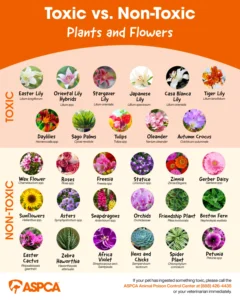
Maggie, a cherished member of the canine family, consumed a substantial quantity of a Zamioculcas zamiifolia, commonly known as the ZZ plant. While frequently marketed as a low-light, easy-care houseplant, the ZZ plant contains calcium oxalates. These crystals act as microscopic needles, causing immediate and intense burning and inflammation of the mouth, tongue, and digestive tract upon ingestion.
The Anatomy of the Emergency
The consumption was not merely a case of curious nibbling. By the time the incident was discovered, approximately one-third of a mature plant—amounting to several cups of foliage and stems—had been ingested. The physical impact on Maggie was immediate and severe, moving beyond mild gastrointestinal upset into significant, visible pain.

The situation highlighted the limitations of digital resources during an emergency. While "Dr. Google" provided the basic chemical profile of the plant, the initial contact with a local emergency veterinary clinic proved insufficient. The staff’s reliance on generalized advice—such as withholding food or transitioning to bland diets—ignored the specific, acute pain caused by the plant’s chemical properties.
Eventually, through consultation with a more specialized veterinary assistant, a pain management plan was established using previously prescribed medication. The experience underscores a critical lesson for pet owners: the importance of keeping a list of verified emergency contacts and having a clear understanding of the toxic potential of common household greenery.

Skip’s Field Work: The Contrast of Normalcy
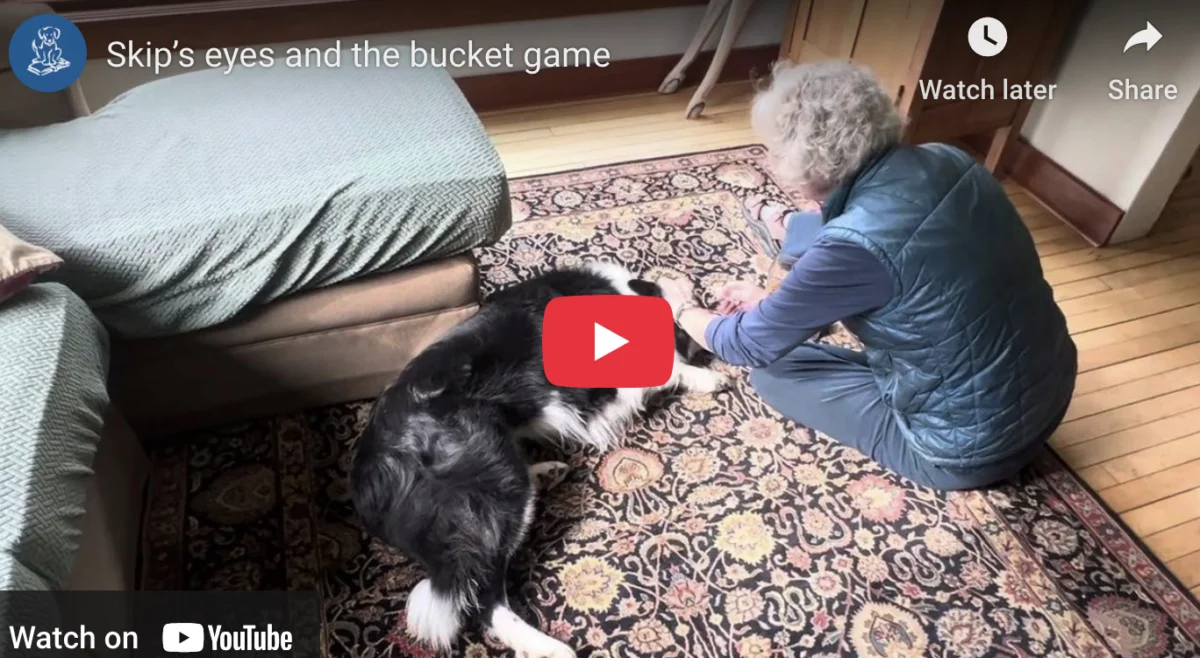
While Maggie convalesced, the other half of the farm’s canine team, Skip, continued his training. Sheepdog work requires a unique blend of intelligence, bravery, and patience—traits that were on full display during a trip to a friend’s farm.
Skip’s day included an encounter with a notoriously territorial goat. The incident provided a masterclass in canine communication; rather than resorting to aggression, Skip utilized a steady, assertive gaze to de-escalate the situation. The episode served as a welcome distraction from the medical crisis at home, illustrating the innate drive of working breeds and their ability to navigate complex social hierarchies, whether with sheep, goats, or the occasional confusing encounter with chickens.

Implications for Pet Owners and Practitioners
This week’s events offer several takeaways for the broader pet-owning community:
- Botanical Literacy: Houseplants are a leading, yet often overlooked, source of household poisoning. Owners must proactively audit their homes for toxic flora, particularly when pets are known to have sensitive stomachs.
- Emergency Preparedness: Digital triage (searching the internet) is no substitute for established relationships with emergency veterinary services. Having a pre-vetted, high-quality clinic and access to the ASPCA Poison Control hotline is non-negotiable for responsible care.
- Chronic Care Management: When managing pets with pre-existing conditions, such as kidney disease or chronic infections, even minor dietary indiscretions or toxic ingestions can have cascading, systemic effects. Close communication with a primary veterinarian is essential for recovery.
- The Human Element: The week served as a reminder that as we age or manage chronic health conditions ourselves, our capacity to care for our animals becomes intertwined with our own physical limits. Recognizing these limits is not a failure; it is a necessity for the long-term well-being of both the pet and the owner.
Conclusion: Looking Forward
As the week concludes, both the human and animal members of the household are firmly on the path to recovery. Maggie is showing improved appetite and energy levels, and preparations are underway for a follow-up veterinary check to monitor her kidney function.

The events of the last seven days reinforce the fragility of our daily routines and the resilience inherent in the human-animal bond. Whether navigating the complexities of a professional music venue or the quiet, tense hours of an overnight vigil on the couch, the commitment to our companions remains the defining theme of our lives.
For those who find themselves in similar situations, the message is clear: trust your instincts, prioritize professional medical guidance over general web searches, and always keep a supply of bland, pet-safe food in the freezer—just in case. And, perhaps most importantly, re-evaluate the foliage in your living room. The aesthetic value of a ZZ plant is rarely worth the distress of an emergency room visit.