COLORADO — Agricultural and animal health authorities in Colorado have taken swift containment action after the United States Department of Agriculture’s (USDA) Animal and Plant Health Inspection Service (APHIS) confirmed presumptive positive cases of Vesicular Stomatitis Virus (VSV) at two distinct equine premises. The newly affected locations are situated in Delta County and Montezuma County, marking a concerning development for livestock owners and equestrian event organizers in the region as the active vector season progresses.
In response to the laboratory findings, state regulatory officials have placed both premises under strict official quarantine. These measures are designed to halt the regional spread of the viral pathogen, which poses notable health management challenges for horses, donkeys, mules, cattle, swine, and New World camelids.
This report is part of the ongoing EDCC Health Watch initiative—an Equine Network marketing program that utilizes verified data from the Equine Disease Communication Center (EDCC) to provide timely, accurate animal health alerts to the public and industry professionals. The EDCC operates as an independent nonprofit organization, sustained largely by industry donations, to maintain open and unrestricted access to crucial infectious disease information.
Main Facts
The current situation in Colorado highlights the persistent threat that vector-borne viral diseases present to the North American livestock and equine industries.
- The Affected Premises: Two separate properties have been identified with presumptive positive cases of VSV. One property is located in Delta County, while the second is situated in Montezuma County.
- Quarantine Status: Both facilities are currently under official state quarantine. Movement of susceptible animals on and off these properties is strictly prohibited to prevent lateral transmission.
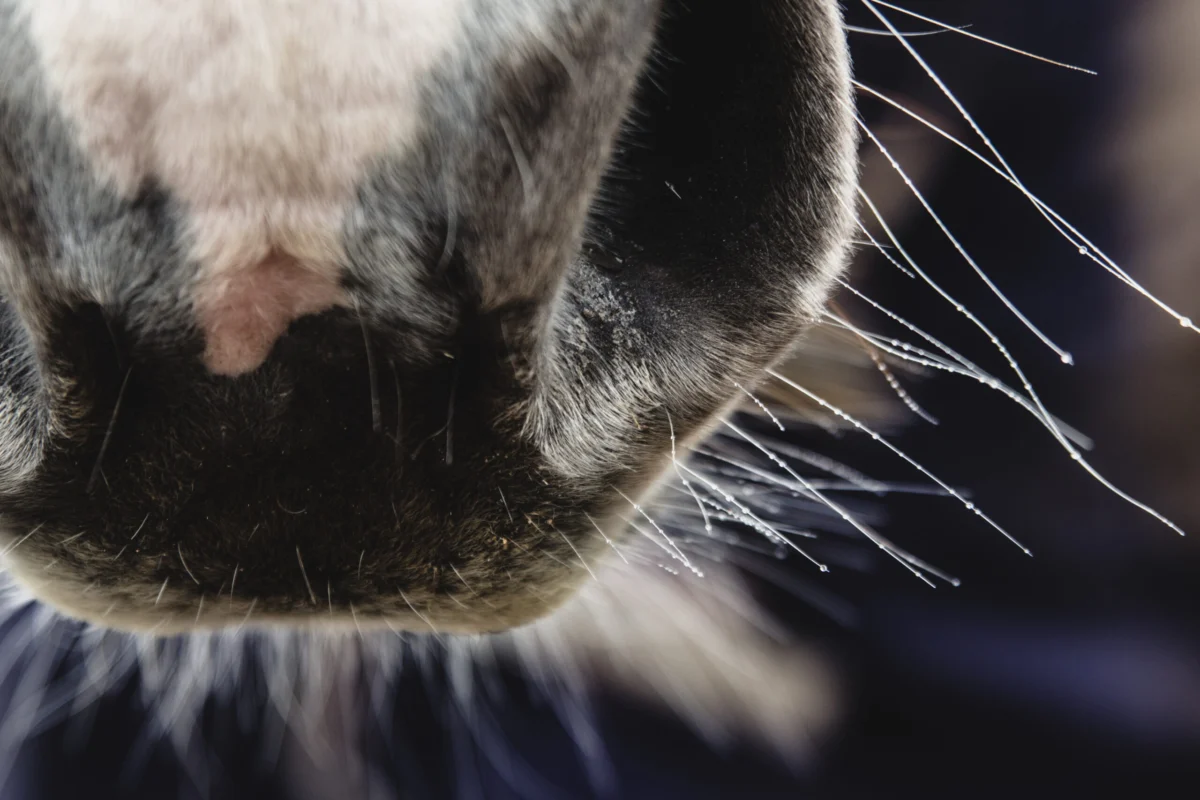
- Pathogen Profile: Vesicular Stomatitis Virus is a viral pathogen affecting livestock and equids. It is primarily characterized by painful vesicular lesions—blisters, erosions, crusts, and ulcerations—forming on the lips, muzzle, nose, tongue, ears, sheath, teats, and coronary bands.
- Transmission Dynamics: The virus is primarily transmitted through the bites of infected insect vectors, particularly black flies, sand flies, and biting midges (Culicoides species). Because transmission relies heavily on insect activity, the occurrence of the disease is distinctly seasonal, peaking during warmer months when vector populations thrive.
- Zoonotic Potential: While VSV is primarily an animal health concern affecting livestock, it is a zoonotic disease. Humans can occasionally contract the virus through direct contact with infected lesions, typically resulting in a mild, influenza-like illness featuring symptoms such as fever, muscle aches, headache, and fatigue.
Chronology of the Outbreak
Understanding the timeline of a vesicular stomatitis outbreak is vital for biosecurity tracking, epidemiological analysis, and regional containment. While individual farm timelines remain confidential to protect the privacy of the property owners, the broader trajectory of a VSV event follows a standard regulatory sequence from detection to resolution.
Phase 1: Detection and Clinical Observation
The timeline typically begins when a livestock owner or attending veterinarian notices initial clinical signs in an animal. In the case of the Delta and Montezuma County properties, caretakers observed localized hypersalivation (drooling) or reluctant feeding behavior, which prompted a closer physical examination. Upon inspecting the oral cavity and muzzle, veterinarians discovered characteristic vesicular lesions and immediately suspected a vesicular disease.
Phase 2: Veterinary Notification and Reporting
Because vesicular stomatitis is clinically indistinguishable from other high-consequence foreign animal diseases—most notably Foot-and-Mouth Disease (FMD), which affects cloven-hoofed livestock—speed is of the essence. Attending veterinarians promptly reported the suspected cases to state and federal animal health officials, adhering to mandatory reporting laws designed to safeguard national agriculture.
Phase 3: Diagnostic Sampling and Presumptive Confirmation
State and federal regulatory veterinarians visited the premises to collect diagnostic samples, including vesicular fluid and blood serum. These samples were dispatched to approved regulatory laboratories, such as the USDA’s National Veterinary Services Laboratories (NVSL) in Ames, Iowa, for confirmatory testing via virus isolation, reverse transcription-polymerase chain reaction (RT-PCR), or serological assays. Upon receiving presumptive positive results, APHIS and state agricultural departments coordinated public notification.
Phase 4: Quarantine Implementation
Immediate quarantine orders were served to the owners of the Delta and Montezuma County facilities. State veterinarians collaborated with local practitioners to establish clear containment perimeters, halting the transport of susceptible equids and livestock to ensure the virus does not travel via animal movement to neighboring farms, boarding stables, or public equestrian events.
Supporting Data and Disease Characteristics
Vesicular stomatitis is endemic to certain regions of the Americas, with periodic northern incursions into the United States. To better understand the management of these current Colorado cases, it is necessary to examine the clinical presentation, transmission vectors, and diagnostic criteria associated with the virus.
Clinical Signs in Equids and Livestock
The physical manifestations of VSV can cause significant discomfort and economic loss for horse owners due to temporary impairment of performance and the intensive supportive care required. Common clinical indicators include:
- Vesicles and Blisters: Fluid-filled sacs appearing on the delicate tissues of the lips, tongue, palate, and muzzle.
- Erosions and Ulceration: As the blisters rupture, they leave raw, painful ulcerations that can severely inhibit an animal’s willingness to eat or drink.
- Coronary Band Lesions: Blisters and crusts forming around the coronary band (the junction where the skin meets the hoof wall), which can lead to severe lameness, reluctance to move, and secondary bacterial infections.
- Excessive Salivation (Ptyalism): Due to the painful nature of oral lesions, affected animals often drool profusely, displaying ropey saliva.
- Anorexia and Weight Loss: Pain associated with chewing and swallowing frequently causes animals to refuse feed, resulting in rapid weight loss and dehydration if supportive care is not administered.
The Role of Vectors in Transmission
Unlike many contagious viruses that spread primarily via direct animal-to-animal contact or shared equipment, VSV is heavily dependent on environmental and biological vectors. Biting insects—specifically black flies (Simulium species), sand flies (Lutzomyia species), and biting midges—act as biological or mechanical vectors.
When these insects feed on the vesicular fluid of an infected animal, they ingest the virus and can subsequently transmit it to naive animals during subsequent bloodmeals. Consequently, outbreaks often cluster near waterways, irrigation ditches, and areas with high insect populations. The seasonal nature of the disease means that outbreaks typically subside with the onset of the first hard autumn frosts, which drastically reduce vector populations.
Diagnostic Verification
Because vesicular lesions in livestock can indicate several different viral pathogens, laboratory confirmation is mandatory. Initial diagnoses made by field veterinarians based on clinical signs must be verified through:
- Complement Fixation (CF) or ELISA Testing: Serological assays to detect rising antibody titers in blood serum.
- RT-PCR and Virus Isolation: Laboratory analysis of fluid samples or tissue scrapings taken directly from active vesicles to identify viral RNA.
Official Responses and Regulatory Protocols
State and federal animal health agencies maintain strict protocols to manage vesicular stomatitis outbreaks, balancing the need for disease containment with the economic realities of the agricultural sector.
The Role of the USDA and State Veterinarians
The USDA-APHIS works in close coordination with the Colorado State Veterinarian’s Office to monitor disease spread, provide diagnostic support, and issue official guidance. When premises are placed under quarantine, state regulatory officials establish specific criteria that must be met before restrictions can be lifted.
According to standard animal health protocols, quarantines remain in place until every susceptible animal on the property has fully recovered and all active lesions have completely healed. The State Veterinarian collaborates directly with the property’s local, accredited veterinarian to conduct final physical inspections of the herd before issuing a release from quarantine.
Treatment and Supportive Care
There is currently no specific antiviral treatment or cure for Vesicular Stomatitis Virus. Management of infected animals focuses entirely on supportive care to alleviate pain, maintain hydration, and prevent secondary complications. Recommended protocols include:
- Pain Management and Anti-Inflammatories: Administration of non-steroidal anti-inflammatory drugs (NSAIDs) under veterinary supervision to reduce pain and fever, enabling animals to resume eating and drinking.
- Softened Diets: Providing wet feeds, mashes, or high-quality soaked hay to minimize trauma to painful oral ulcerations.
- Hydration Monitoring: Ensuring constant access to clean water, with electrolyte supplementation if necessary.
- Topical Care: Keeping lesions clean and applying soothing, veterinary-approved ointments to prevent secondary bacterial infections, particularly on coronary band lesions.
Implications for Horse Owners and the Equestrian Community
The confirmation of VSV in Delta and Montezuma counties carries practical, economic, and logistical implications for horse owners, trainers, facility managers, and event organizers across Colorado and neighboring states.
Biosecurity Best Practices
In the absence of a universally available and widely utilized vaccine in the United States, biosecurity is the single most effective defense against vesicular stomatitis. Horse owners and stable managers are urged to implement rigorous hygiene and vector-control measures:
- Vector Management: Reduce insect breeding sites by eliminating standing water, managing manure effectively, and utilizing appropriate insecticides, fly sprays, and physical barriers (such as screens or housing animals indoors during peak feeding times at dawn and dusk).
- Equipment Isolation: Never share feed tubs, water buckets, grooming tools, or tack between horses from different properties. Thoroughly clean and disinfect all shared equipment regularly.
- New Arrivals and Commingling: Quarantine newly acquired horses or returning travelers for a minimum of 21 days, monitoring them daily for clinical signs of fever, drooling, or skin lesions.
- Limit Movement: During active vector seasons, minimize unnecessary travel and attendance at multi-facility events if local transmission rates are high.
Interstate Movement and Trade Restrictions
One of the most significant impacts of a VSV outbreak involves interstate commerce and exhibition regulations. Many states and destination venues implement strict entry requirements for equids originating from states with confirmed cases of vesicular stomatitis.
Horses traveling from Colorado to other states may require a Certificate of Veterinary Inspection (CVI) issued within a very narrow window (often within 24 to 72 hours of transport), and endorsing veterinarians must explicitly state that the animals have not originated from a quarantined premises and have shown no clinical signs of VSV. Furthermore, some states may temporarily ban the import of equids from counties with active quarantines, creating logistical hurdles for competitors planning to attend regional shows, rodeos, and sales.
Public Health Awareness
While the risk to humans is low, individuals handling infected horses should exercise caution. Farm workers, owners, and veterinarians should wear personal protective equipment (PPE), including disposable gloves and facial coverings, when treating horses with active lesions. Anyone who develops influenza-like symptoms after handling livestock with suspected or confirmed vesicular stomatitis should consult a physician promptly.
As the situation in Delta and Montezuma counties continues to develop, animal health officials emphasize the importance of vigilance. Horse owners are encouraged to monitor their animals daily, report any suspicious clinical signs to their veterinarian immediately, and stay informed through official updates provided by the EDCC, USDA-APHIS, and the Colorado State Veterinarian’s Office.