
August 17, 2026 | Analysis by Editorial Staff
In the world of animal training, conventional wisdom has long dictated a "low and slow" approach: hundreds of repetitions, each reinforced by a tiny, modest treat. This high-frequency, low-magnitude reward system has been the gold standard for decades, often compared to an athlete logging hours at the gym to build muscle memory. However, a groundbreaking study published in Science in May 2026 is challenging this pedagogical foundation, suggesting that we may have been underestimating the transformative power of the "jackpot."

The Core Finding: Magnitude Matters
The study, led by researchers Gong, Martell, Dudman, and Coddington, suggests that when it comes to reward-based learning, size—or rather, magnitude—is a critical variable. The research team shifted the focus away from the number of repetitions toward the impact of the reward itself. By providing "very large" rewards—defined as one to two orders of magnitude greater than standard portions—only a few times, researchers observed a significant acceleration in learning speed.
According to the study, these large-magnitude rewards produced superior results across three distinct metrics:

- Learning Rate: Animals acquired new behaviors significantly faster.
- Efficiency: Subjects became more proficient at reward collection.
- Engagement: Animals remained task-oriented for longer durations, showing sustained improvement across multiple sessions.
The researchers concluded that these gains are not accidental. They found that large rewards trigger more sustained activity of dopamine (DA) neurons during the consumption phase. This suggests that the brain’s neurochemical response to a "jackpot" is fundamentally different—and more conducive to memory consolidation—than the response to a standard-sized treat.
The Role of Dopamine and "Motivational Salience"
To understand the implications of the Gong et al. findings, one must look at the neurobiology of motivation. Dopamine is frequently mischaracterized as a mere "pleasure hormone." In reality, as the late neuroscientist and pioneer of affective neuroscience Jaak Panksepp famously argued, dopamine is more closely linked to "seeking"—a state of motivational salience.

When an animal receives a significantly large reward, the surge in dopamine activity acts as a signal to the brain that the preceding action was of high importance. This creates a lasting neural "tag" on the behavior. By stimulating longer, more sustained DA neuron activity, these large rewards essentially prime the animal to stay focused and eager, bridging the gap between simple reinforcement and deep cognitive engagement.
Historical Context: The "Jackpot" Debate
For decades, the "jackpot"—the practice of delivering a disproportionately large reward for an exceptional performance—has been a point of contention within the canine training community. Critics have long dismissed the practice as a "feel-good" gesture for human owners, arguing that there was no empirical evidence to suggest that a massive reward was superior to a series of smaller ones.

Proponents, however, have long relied on anecdotal evidence, noting that dogs often appear "astounded" or visibly more animated following a jackpot. Trainers have observed that after receiving a large reinforcement, a dog’s body language, eye contact, and engagement level often shift, suggesting a profound internal shift in the animal’s state. The 2026 study provides the first robust biological justification for what many experienced trainers have suspected for years: that the brain reacts to the "jackpot" not as a collection of individual rewards, but as a singular, high-impact event that reinforces behavior more effectively.
Implications for Training Methodologies
The shift toward higher-magnitude rewards could fundamentally change how we approach complex animal training. If the efficiency of learning is tied to the dopamine-rich consumption phase, trainers may need to move away from the "endless stream of tiny treats" model in favor of strategically timed, high-magnitude reinforcements.

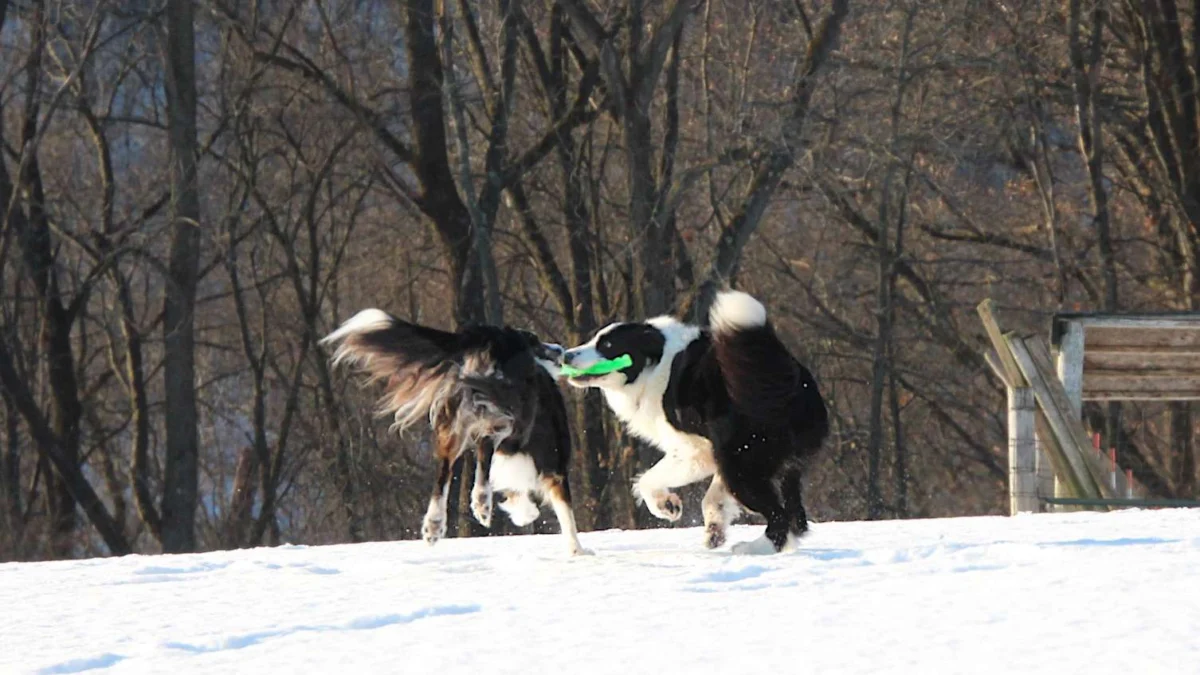
However, this raises questions about application. For example, how do these findings translate to non-food based training? Many elite trainers, particularly those working with Border Collies and other working breeds, utilize complex sequences of work followed by a "final reward" that isn’t food-based at all. This might involve an extended period of high-intensity play or the freedom to perform a preferred behavior, such as a long, high-speed outrun. Does this act as a behavioral "jackpot"? The study’s authors suggest that further research is needed to determine if this principle holds true across different types of reinforcement, but the preliminary data is promising.
A Chronology of Discovery: From Lab to Field
- Early 20th Century to Present: The dominance of "small-reward, high-repetition" behaviorist models.
- Mid-2010s: Rising debate in the "dogosphere" regarding the efficacy of the "jackpot" method versus traditional reinforcement schedules.
- May 2026: Gong, Martell, Dudman, and Coddington publish their research in Science, identifying the link between reward magnitude, DA neuron activity, and learning efficiency.
- August 2026: The implications of the study gain traction in the professional training community, prompting calls for canine-specific replications of the mouse-based research.
Official and Expert Perspectives
While the research has been met with excitement, the scientific community remains cautious. The primary study was conducted using mice, and while the biological pathways are conserved, the translation to domestic dogs requires a controlled environment.

"The findings are a significant step forward," notes one independent behaviorist familiar with the study. "However, we need a PhD-level dissertation that focuses specifically on canine models. We need to control for breed differences, age, and previous training history before we can definitively say that jackpots are the ‘new’ gold standard."
Despite this, the anecdotal consensus among trainers is shifting. The emphasis on "sustained activity of DA neurons" provides a scientific vocabulary for the "wow" factor that trainers have been chasing for decades.

A Personal Reflection: Life Beyond the Lab
While the science of dopamine and rewards dominates the discourse, it is important to remember that these principles operate within a broader context of human-animal interaction. Following a recent field research trip through the scenic landscapes of Michigan, the value of engagement and exploration remains clear.
Whether traversing the waters of "Michigami" (the Ojibwe term for "great water," or, as many fondly translate it, "a really large body of water") or observing the spirited play of youth on the Petoskey breakwall, the elements of reward, joy, and engagement are constant. Our experiences with partners, both human and canine, are often defined by those "jackpot" moments—those peak experiences that foster deep, lasting connections.

Looking Ahead: The Need for Replication
The research published in May 2026 is a clarion call for the next generation of animal behaviorists. The current challenge is to replicate these findings in dogs. If we can confirm that large, strategic rewards can indeed shorten learning curves and improve behavioral retention in our domestic companions, it could lead to more efficient, humane, and rewarding training programs worldwide.
As we await further studies, the takeaway for practitioners is clear: do not be afraid to think big. Whether it is a literal large food reward or an extended, high-intensity play session, the evidence suggests that by focusing on the quality and impact of the reward, we may be unlocking a more effective way to communicate with our animal counterparts.

What do you think? Does your training regimen include jackpots, or do you prefer the steady drip of small reinforcements? The conversation is only beginning, and the field is wide open for those willing to test the limits of what we know about how animals learn.
Disclaimer: The primary scientific study referenced is based on research by Gong et al. (2026). Readers are encouraged to consult the original journal publication for detailed methodology and data. The author of this analysis holds a long-standing interest in animal behavioral science and advocates for further canine-specific empirical research.