By Paige K Parsons
Published with guidance from animal welfare and rabbit-care experts.
Main Facts: What It Means to Care for a "Baby Bunny"
The phrase "baby bunny" evokes immediate warmth, conjuring images of twitching noses, soft fur, and gentle leaps. However, beneath the undeniable cuteness lies a profound responsibility. Whether an individual has unexpectedly discovered a tiny rabbit nestled outdoors in the grass or is welcoming a young domestic rabbit into their home as a new pet, understanding the foundational needs of these animals is paramount.
In the realm of rabbit care, a baby rabbit is scientifically and colloquially referred to as a "kit" or "kitten." While wild cottontails and domestic rabbits share similar developmental milestones, their care requirements, legal statuses, and long-term futures diverge significantly. A core rule of thumb for anyone interacting with young lagomorphs is simple yet frequently misunderstood: wild baby rabbits are rarely abandoned, whereas domestic baby rabbits require structured indoor rearing, specialized nutrition, and careful, gentle handling from humans.
Chronology: The Developmental Stages of a Kit
Understanding the natural timeline of a rabbit’s early life is crucial for anyone raising orphans, fostering rescued litters, or simply observing wildlife.
Birth to Two Weeks: The Blind and Fragile Phase
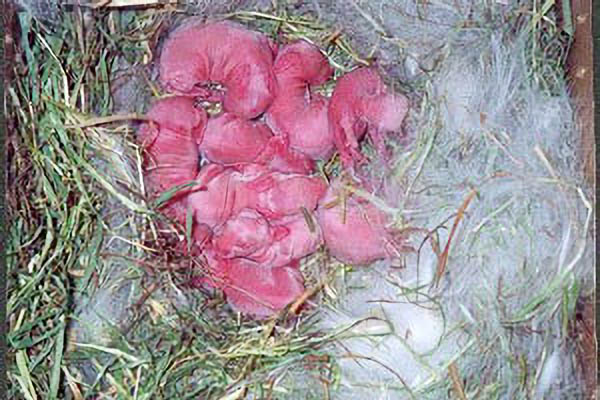
Kits are born hairless, blind, and entirely deaf. During their first week, their skin is pink and translucent, and they rely completely on their mother’s milk for warmth, immunity, and nutrition. Mother rabbits (does) spend very little time in the nest—often visiting only once or twice a day for a few minutes at dawn and dusk—to avoid attracting predators to the vulnerable litter. By days 7 to 10, their eyes begin to open, and a soft layer of fur develops.
Two to Four Weeks: Exploration and Eye-Opening
By the second and third weeks, kits become increasingly active within the confines of the nest. Their ears open, and they begin exploring their immediate surroundings. During this phase, they start experimenting with solid foods, nibbling on soft grasses, alfalfa, or hay introduced by the mother, though milk remains their primary source of nutrition.
Four to Eight Weeks: Weaning and Independence
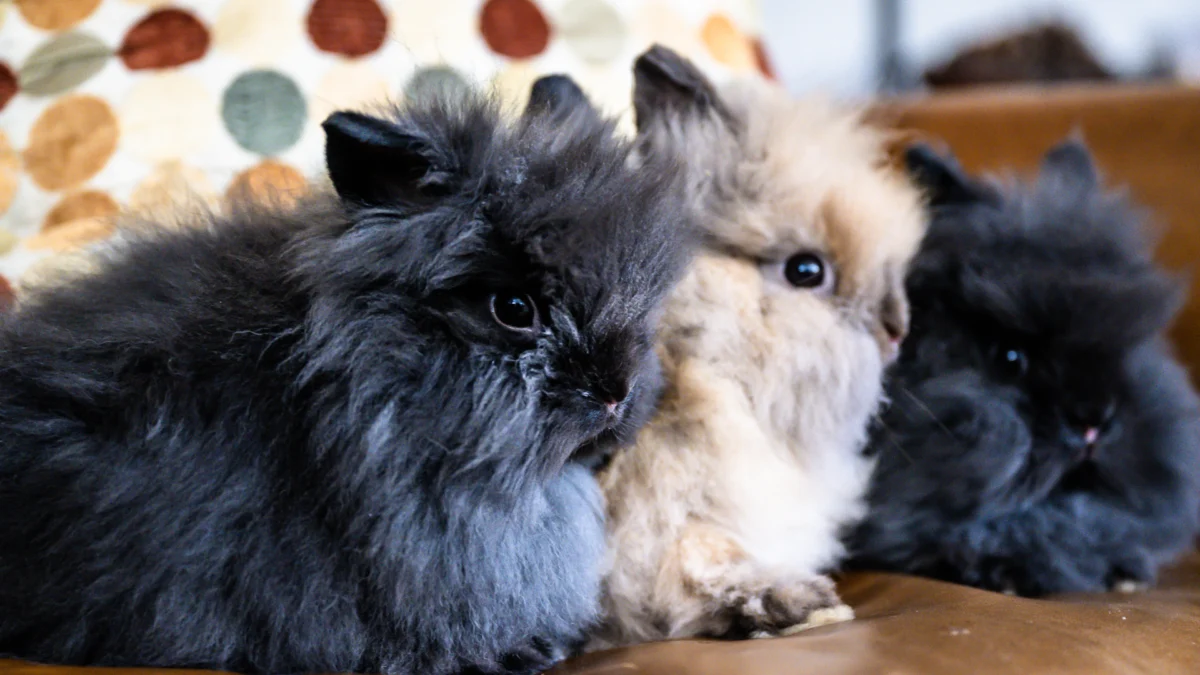
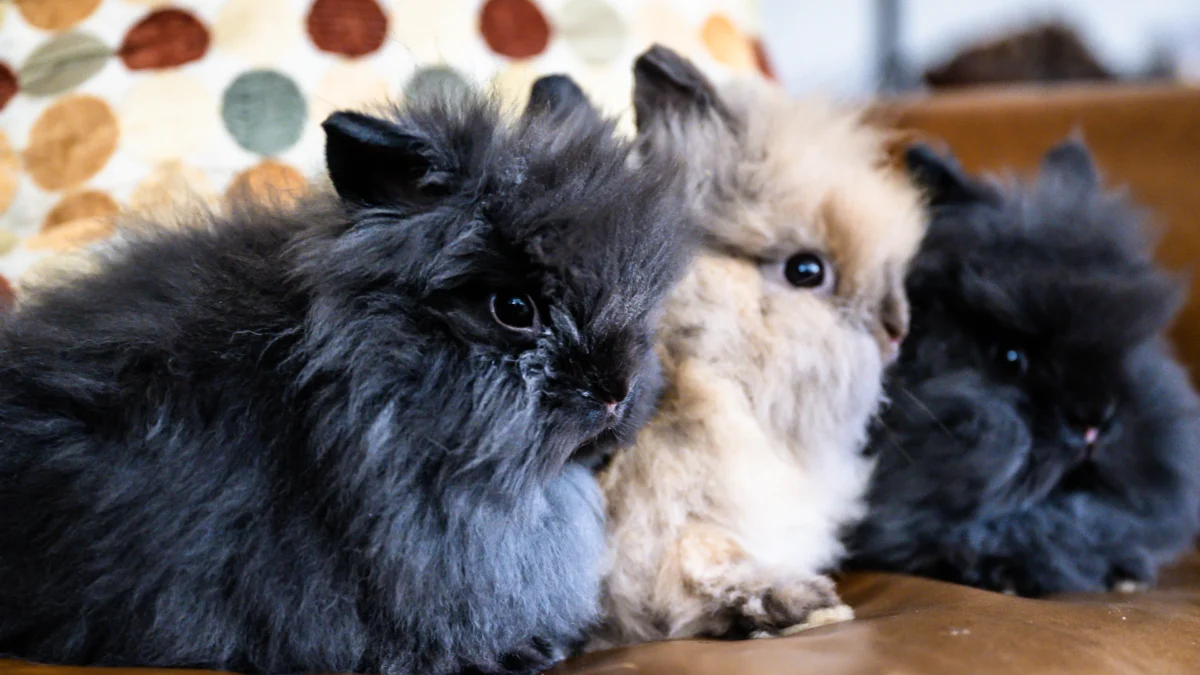
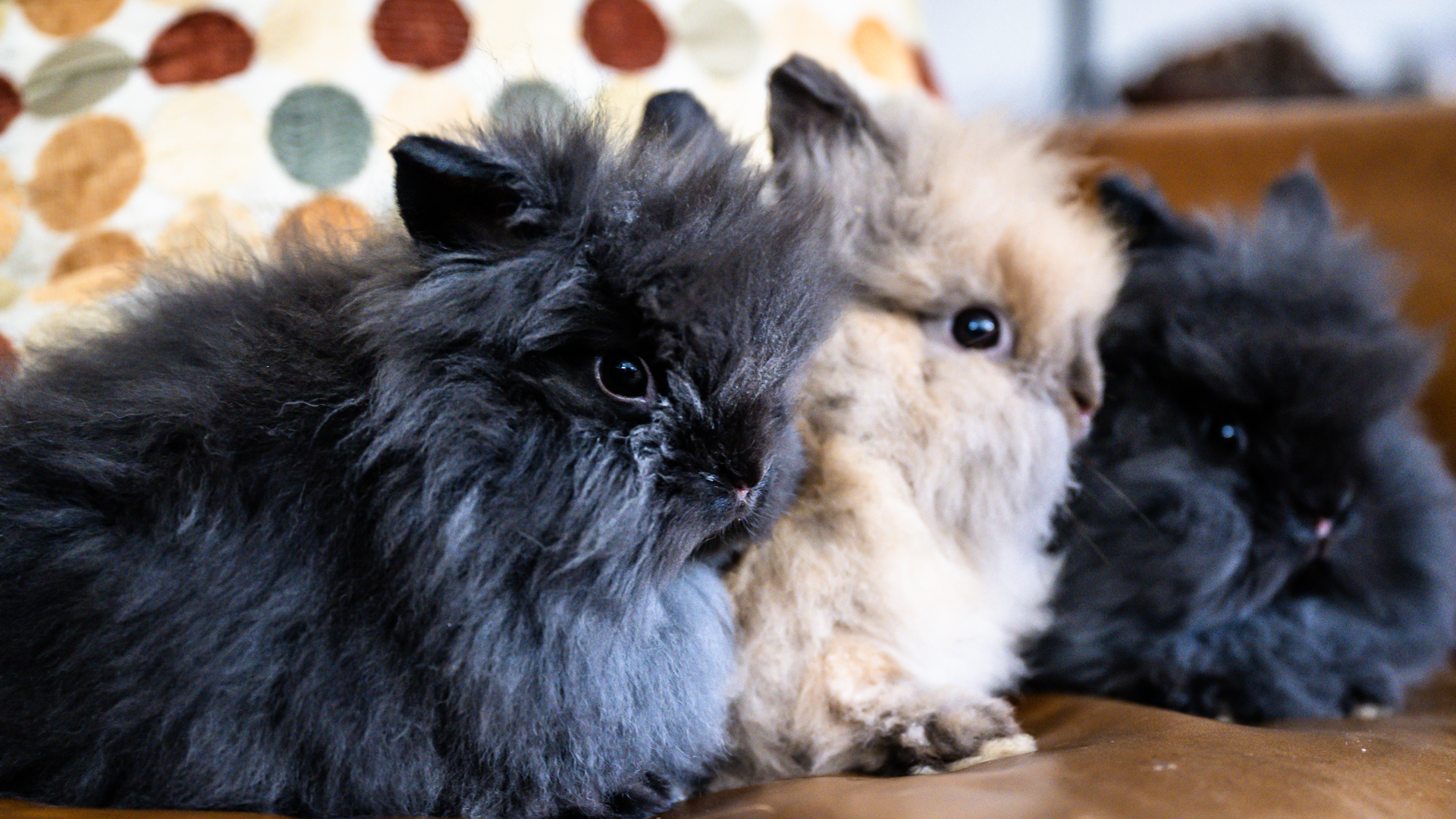
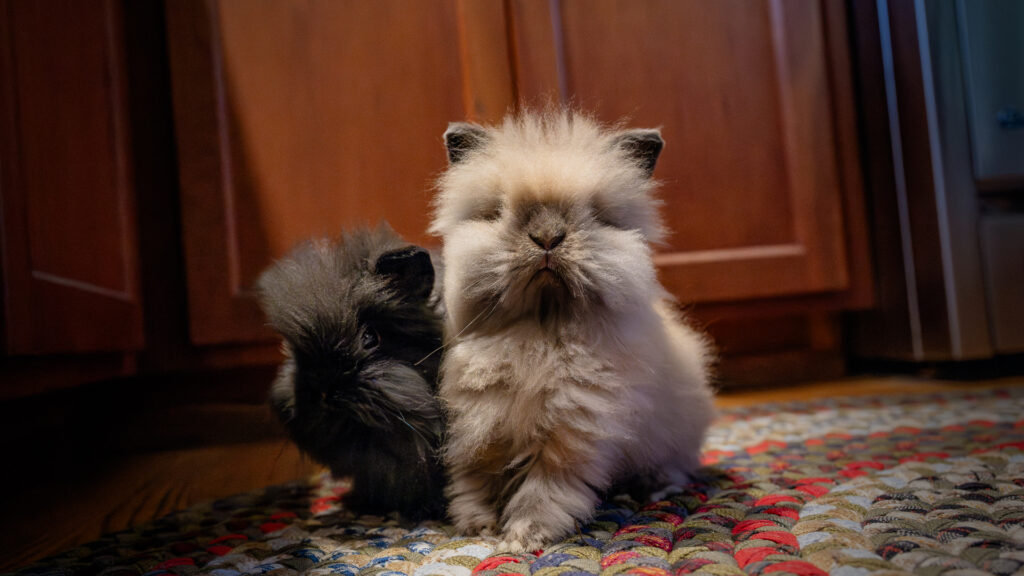
As kits approach the one-month mark, they take on a fully furred, miniature-adult appearance. They become adventurous, hopping around and testing a wider variety of foods. However, gut development in rabbits is exceptionally fragile. Mother’s milk and the transfer of maternal flora are vital during this window. Experts strongly emphasize that rabbits should stay with their mothers for at least eight weeks to ensure proper weaning, stable gut microbiome development, and robust immune health. Separating babies prematurely frequently leads to chronic digestive failure or developmental setbacks.
Eight Weeks and Beyond: Sub-Adulthood
By eight weeks of age, domestic kits are fully weaned and ready to transition into permanent homes, provided they have been socialized properly. At this stage, they require high-fiber diets consisting primarily of unlimited grass hay, specific pellets, and gradually introduced safe greens.
Supporting Data and Field Observations: The Myth of the "Abandoned" Wild Baby
Wildlife rescue organizations and nature departments consistently report that baby rabbits are among the most frequently "kidnapped" wild animals. Well-meaning citizens often stumble upon a shallow nest in their lawn, assume the babies are orphaned because no adult rabbit is present, and intervene unnecessarily.
Data from wildlife agencies highlights that mother cottontails feed their young quickly and stealthily to avoid drawing attention. Unless a nest has been directly destroyed, or the kits are visibly injured, cold, or swarming with parasites, they are almost certainly being cared for by their mother.
To determine whether a wild nest requires intervention, observers should apply the "yarn test": placing two pieces of yarn in a criss-cross pattern over the nest. If the yarn has been moved by the following morning, it proves the mother has returned to nurse her young during the night.
When to Intervene with Wild Wildlife
Intervention is only necessary under specific conditions:
- The mother is verified to be dead nearby.
- The nest has been destroyed by domestic pets, lawnmowers, or construction.
- The kits are cold, lethargic, squealing persistently, or covered in fly eggs (which look like tiny grains of rice).
If any of these red flags apply, individuals should immediately contact a rabbit-savvy veterinarian or a licensed wildlife rehabilitator. Attempting to raise wild cottontails at home without specialized wildlife permits is not only illegal in many jurisdictions, but it also carries an extremely high mortality rate due to the specialized stress responses and dietary needs of wild species.
Official Responses and Rescue Protocols: Sourcing Domestic Rabbits Responsibly
For those looking to adopt a domestic baby rabbit, animal welfare organizations urge the public to bypass traditional retail avenues. Pet stores and online breeders often fuel the cycle of overpopulation, impulse buying, and subsequent abandonment.
Instead, animal protection groups advocate for sourcing rabbits through reputable rescue organizations and municipal shelters. Many established rescues regularly take in pregnant rabbits surrendered by owners or rescued from severe neglect and hoarding situations.

When baby rabbits are born and raised within a structured rescue environment, they receive exceptional veterinary oversight, early socialization, and proper nutritional foundations before adoption. Furthermore, adopting from a rescue ensures that the animal will eventually be spayed or neutered—a critical health intervention that prevents reproductive cancers and behavioral issues later in life.
Implications: Health Red Flags, Socialization, and Starter Supplies
Whether raising rescued domestic kits or caring for a newly adopted young rabbit, caretakers must remain vigilant regarding health and behavioral development.
Health Red Flags (Seek Immediate Veterinary Care)
Young rabbits have delicate digestive tracts and can decline rapidly when ill. Caregivers must watch out for:
- Anorexia or refusal to eat/drink: Even a few hours without food can trigger fatal gastrointestinal stasis.
- Lethargy or hunched posture: A rabbit that refuses to move or react is deeply unwell.
- Diarrhea or severe soft stool: This is a medical emergency in young kits.
- Nasel or ocular discharge, labored breathing, or head tilt.
Socialization, Litter Training, and Spay/Neuter Timing
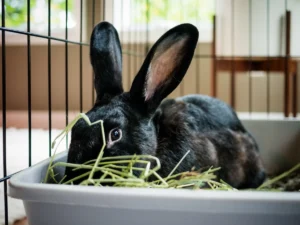
Domestic baby rabbits thrive on gentle, consistent human interaction from an early age. Handlers should introduce them to daily handling to build trust. Litter training can begin as soon as they are moving freely around their enclosure by placing droppings and hay inside a low-sided litter box.
Hormonal behaviors—such as spraying, chewing, and territorial aggression—will typically emerge around 4 to 6 months of age. Vets generally recommend scheduling spay or neuter surgeries as soon as the rabbit reaches the appropriate weight and physiological maturity (often between 4 to 6 months for smaller breeds, depending on veterinary advice).
Essential Starter Supplies Checklist
Preparing a safe environment for a young domestic rabbit requires specific equipment:
- A spacious indoor enclosure or exercise pen: Wire cages with wire flooring must be avoided to protect sensitive hocks.
- Unlimited grass hay (Timothy or orchard grass): Essential for dental wear and digestive motility.
- High-quality alfalfa-based pellets (for growing kits under 6 months): Fed in controlled amounts.
- Heavy ceramic food and water bowls (or a sturdy water bottle): To prevent tipping.
- Low-profile litter boxes filled with paper-based, dust-free litter: Avoid wood shavings or clay cat litter, which can cause respiratory and digestive blockages if ingested.
- Safe chew toys: Untreated wood, willow balls, and cardboard boxes to satisfy natural chewing instincts.
Frequently Asked Questions (FAQ)
How can I tell the difference between a wild rabbit and a domestic rabbit?
Wild cottontails typically possess a distinct brownish-grey agouti coat, a fluffy white tuft on their tail, and a slimmer, more athletic build. Domestic rabbits come in a vast array of colors, coat lengths, and body shapes, and they lack the innate fear responses and camouflage patterns of wild counterparts.
Can children attempt to bottle-feed an orphaned baby rabbit?
No. Hand-rearing infant rabbits carries a severe risk of aspiration, where milk enters the lungs and causes fatal pneumonia. Only trained adults or professionals following a precise veterinary protocol should attempt syringe- or bottle-feeding.
What fresh greens are safe to introduce to a young rabbit?
Once kits are fully weaned and transitioning past 12 weeks of age, single-variety leafy greens (such as romaine lettuce or cilantro) can be introduced very gradually, one at a time, in tiny quantities to monitor for digestive tolerance.
Disclaimer: This guide offers general welfare-based advice and educational information. It does not replace individualized diagnosis, treatment, or recommendations provided by a qualified, rabbit-savvy veterinarian.