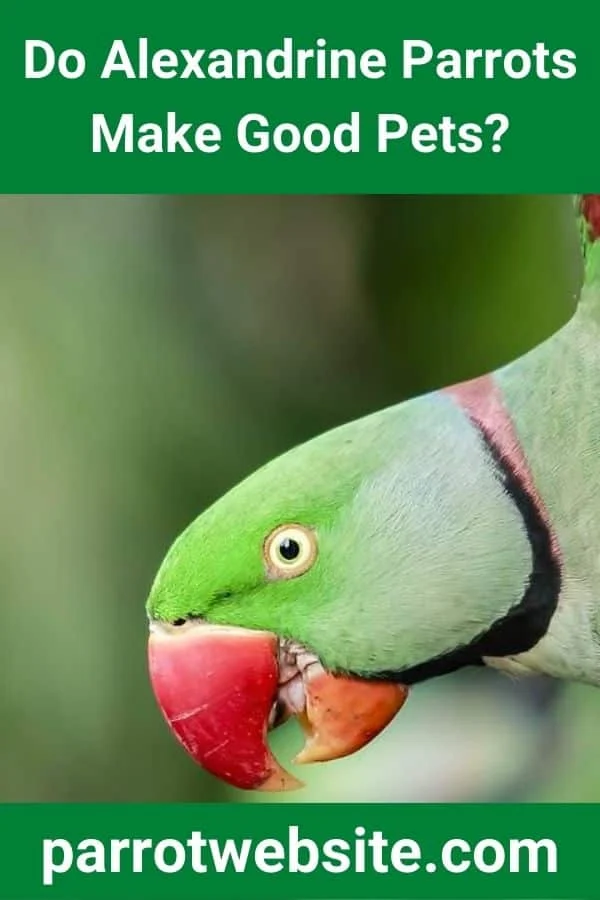
The decision to bring a bird into one’s home is a monumental shift in lifestyle, distinct from the commitment required for cats or dogs. Recently, a friend of mine, navigating the grief of losing a long-time feline companion, expressed interest in avian companionship. When they asked, "Are Alexandrine parrots good pets?" the answer required more than a simple "yes" or "no." It necessitated a deep dive into the realities of caring for a highly intelligent, complex creature that occupies a unique niche in the world of aviculture.
Main Facts: Understanding the Alexandrine Parrot
The Alexandrine parakeet (Psittacula eupatria) is a medium-to-large parrot species known for its striking appearance and gentle, dignified demeanor. Originating from the Indian subcontinent and parts of Southeast Asia, these birds are prized for their intelligence, social nature, and vocal abilities.
However, their personality is not universal. While they are often described as friendly and interactive, they possess a level of emotional complexity that rivals that of a toddler. They are not merely "ornamental" pets; they are active participants in a household. An Alexandrine parrot is a long-term commitment, often living upwards of 30 years with proper care, diet, and mental stimulation.
The Chronology of Avian Ownership: A Journey, Not a Purchase
The journey to owning an Alexandrine begins long before the bird arrives at your home. For the prospective owner, the timeline typically unfolds as follows:
- The Research Phase: Prospective owners must spend months, not days, understanding the biological and psychological needs of the species.
- The Sourcing Phase: Unlike common pets, finding a reputable breeder who specializes in well-socialized Alexandrines is crucial.
- The Adjustment Phase: Upon arrival, the bird requires a "de-escalation" period. The first few weeks involve building trust through observation and quiet presence rather than direct handling.
- The Routine Phase: Once established, the bird integrates into the family. This stage requires daily enrichment—foraging games, training sessions, and social interaction.
Are Alexandrine Parrots Suitable for Beginners?
The professional consensus is firm: Alexandrine parrots are generally not recommended for beginners.
While they are not inherently aggressive, they possess a significant physical tool—a large, powerful beak—that can cause considerable damage if the bird is stressed or misunderstood. A novice owner may lack the intuition to read the subtle body language that precedes a bite.
Furthermore, these birds require a high degree of "nurturing." Their affectionate disposition is a product of environmental feedback; if a owner fails to provide the necessary mental stimulation, the bird’s intelligence can manifest as frustration, which may lead to nipping or destructive behavior. For those seeking their first bird, experts suggest starting with more forgiving species like cockatiels or budgerigars.
The Question of Cuddliness: Managing Expectations
One of the most common misconceptions about parrots is that they are all "cuddly." While some species, such as the African Grey or certain cockatoos, are known for seeking tactile affection, the Alexandrine is different.
They are inherently independent. They enjoy the presence of their human flock, but they often treat their feathers as a personal boundary. They show affection through:
- Vocalizations: Soft chirps and mimicry when you enter the room.
- Play: Engaging in shared activities with toys or puzzles.
- Proximity: Choosing to sit near you rather than on you.
If your primary goal in getting a pet is to have an animal that will curl up on your lap for hours, the Alexandrine will likely leave you disappointed. They are active, busy, and visually engaged creatures, not lap pets.
Supporting Data: Intelligence and Vocalization
To understand an Alexandrine, one must understand their cognitive capacity. Studies on parrot intelligence frequently cite that larger species, including the Alexandrine, exhibit cognitive abilities comparable to a human child between the ages of three and five.
Vocalization and Noise Levels
Every parrot is, by nature, a loud animal. Vocalization is their primary method of maintaining contact with their "flock" (you). Alexandrines are not the loudest of the parrot family, but they do have a piercing flock call that can reach significant decibels, particularly during their active periods in the early morning and late afternoon.
They are also capable mimics, often picking up speech with impressive clarity. However, owners should never purchase an Alexandrine with the expectation that it will speak on command. Vocalization should be viewed as an extension of their personality rather than a party trick.
Official Perspectives: The Breeder and Vet Consensus
Professional avian veterinarians and experienced breeders emphasize that the success of a parrot-human relationship is dictated by the environment.
- Environmental Needs: Alexandrines require large, spacious enclosures. A cage that is sufficient for a cockatiel is a prison for an Alexandrine.
- Dietary Precision: These birds are prone to obesity and nutritional deficiencies if fed a seed-only diet. A diet rich in fresh vegetables, high-quality pellets, and occasional fruits is non-negotiable.
- Social Stimulation: A bored Alexandrine is a destructive one. They require a minimum of 2–4 hours of out-of-cage time daily to interact with their human companions.
Breeders warn that if a bird is purchased from a "mass-rearing" facility where socialization is neglected, the owner faces an uphill battle in behavioral correction. A well-reared bird is a joy; a neglected one can be a significant liability.
Implications for the Prospective Owner
If you have never owned a bird, the implication of choosing an Alexandrine is that you are opting for a "lifestyle" change rather than just adding a pet to your home.
- The Time Investment: You cannot leave an Alexandrine alone for long periods. They are prone to separation anxiety and can develop behavioral issues like feather plucking if left in isolation.
- The Financial Cost: Beyond the initial purchase price, the cost of specialized avian vet care, high-quality nutrition, and frequent toy replacement adds up quickly.
- The Ethical Responsibility: Because of their long lifespans, adopting an Alexandrine is a commitment that can span decades. You must consider who will care for the bird should your circumstances change.
Conclusion: Is the Alexandrine Right for You?
Alexandrine parrots are majestic, intelligent, and highly rewarding companions for the right individual. They bring a unique brand of joy to a household—one defined by shared intelligence, playful curiosity, and a deep, mutual respect.
However, they are not "easy" pets. They do not fit into a busy, low-maintenance lifestyle. For the experienced bird enthusiast, they offer a bond that is both challenging and deeply satisfying. For the beginner, however, the path of least resistance—and greater success—lies in starting with smaller, more manageable species.
Before making your final decision, visit a rescue or an experienced breeder. Observe these birds in a non-sales environment. Watch how they interact, listen to their calls, and assess your own ability to provide the stimulation they require. If you can meet those needs, you may find that an Alexandrine is not just a pet, but a lifelong partner in your journey.
Remember, the goal is not merely to own a bird, but to provide a life that is as rich and engaging as the creature itself deserves. Choose wisely, and you will be rewarded with a relationship that is truly one of a kind.