A recent industry revelation has pulled back the curtain on a controversial segment of the global supply chain: the sale of spoiled, "unfit for human consumption" meat to pet food manufacturers. At the center of the latest controversy is a massive shipment of organic lamb—originally destined for high-end human markets—that has been downgraded to "animal feed only" after a series of catastrophic storage failures.
Documents recently surfaced by industry watchdogs reveal that over 53,000 pounds of rotting, malodorous lamb is currently being auctioned to the highest bidder in the pet food sector. Because of current federal labeling loopholes, this meat may soon appear in premium pet food products, still bearing the "Organic" label, without any requirement for the manufacturer to disclose its history of spoilage.
Main Facts: The 26-Ton Salvage Bid
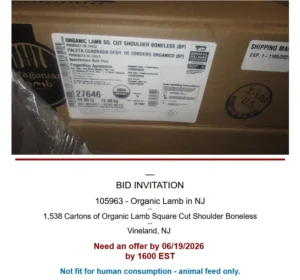
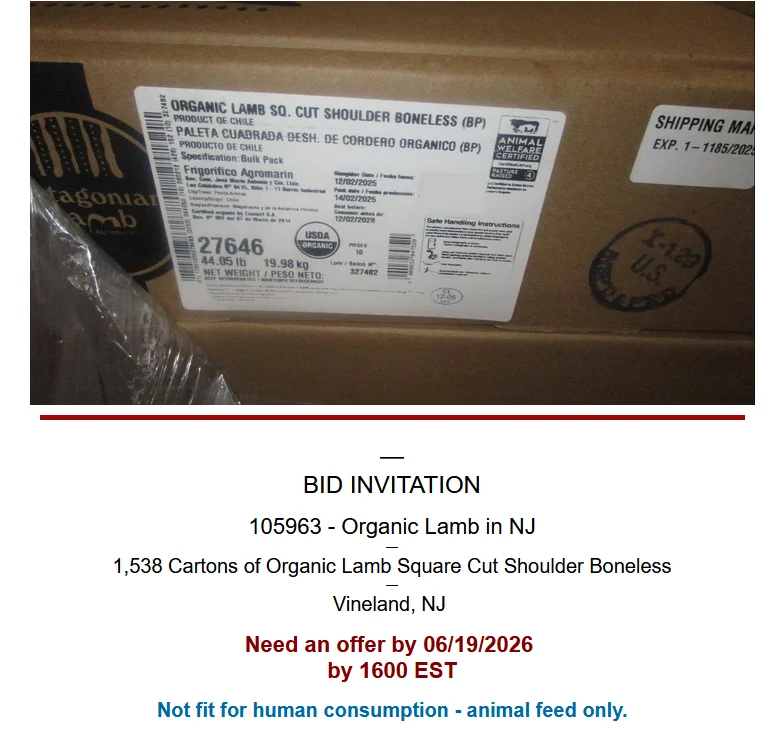
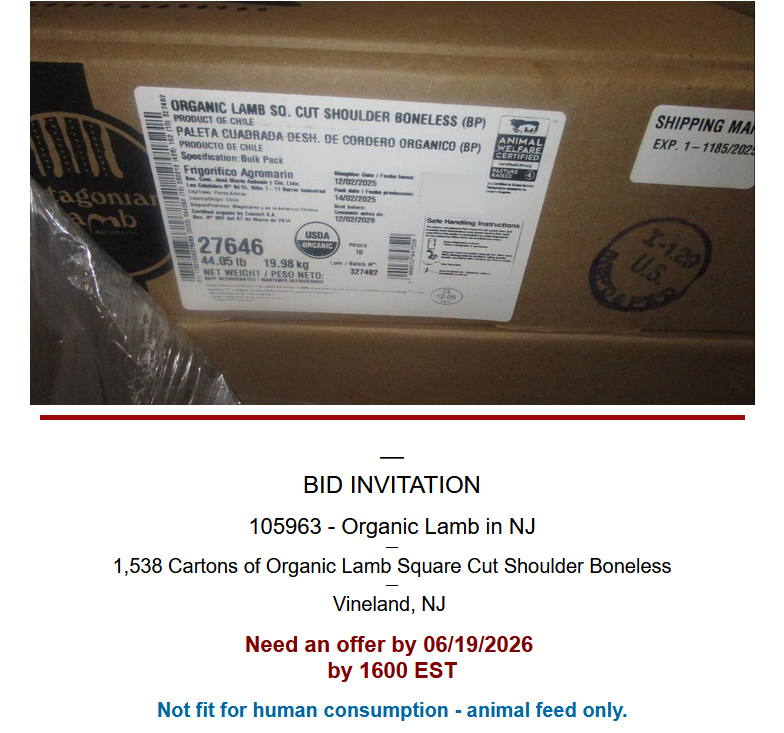
The controversy stems from an "offer" circulated by the Benedict Company, a salvage broker that specializes in finding secondary markets for distressed or damaged goods. The product in question is "Organic Lamb Square Cut Shoulder Boneless," a premium ingredient that usually commands a significant price point in the retail market.
The statistics of the offer are staggering:
- Total Quantity: 1,538 cartons.
- Total Net Weight: 53,077.15 lbs.
- Original Status: Certified Organic, Human Grade.
- Current Status: Downgraded to "Animal Feed Only" due to spoilage.
- Deadline for Bids: June 19, 2026.
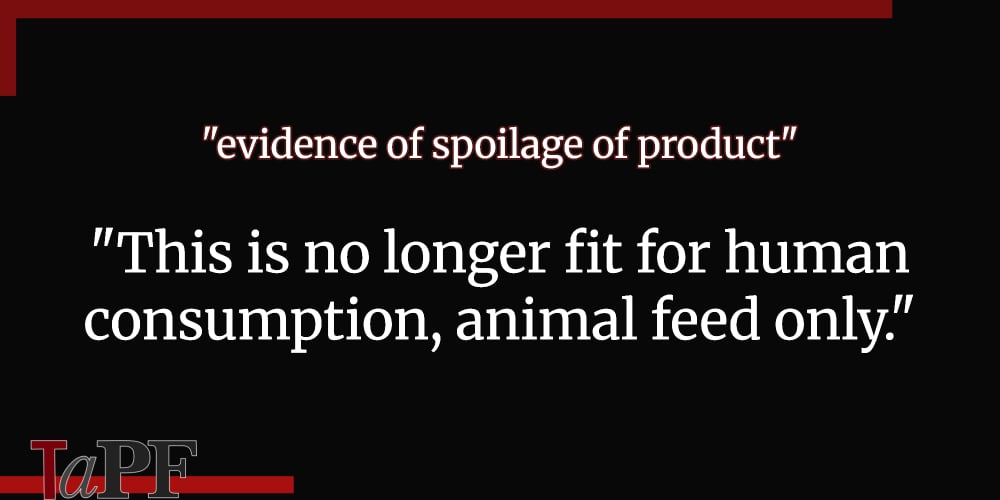
According to the broker’s communication, the meat is no longer fit for human consumption. However, the regulatory framework governing animal feed allows such materials to be diverted into the pet food bowl. The primary concern for consumer advocates is not just the presence of this meat in the supply chain, but the fact that the final product can be marketed to pet owners using the same high-quality imagery and terminology as human-grade food.
Chronology: A Year of Temperature Abuse and Decay
The journey of this lamb from a premium organic product to a salvage-grade pet food ingredient is a case study in cold-chain failure. The timeline provided by the salvage broker illustrates a protracted period of negligence:
June 20, 2025: Arrival and Inspection
The frozen container arrived at a warehouse facility. At this point, the product passed USDA inspection and was deemed fit for human consumption. The meat was intended to be kept in deep-freeze storage to maintain its integrity and safety.
The Storage Error
Following its arrival, the warehouse reportedly committed a critical clerical or operational error. Instead of being placed in a freezer, the 53,000 pounds of lamb were stored as "chilled" product. Over the succeeding days and weeks, the lamb defrosted completely.
The Spoilage Event
As the meat defrosted, "considerable bloodletting" occurred. The resulting purge saturated the cardboard cartons, leading to extensive blood staining. More critically, the ambient temperature allowed for rapid bacterial growth.
June 4, 2026: The Survey
Nearly a year after its arrival, a formal survey was conducted on the product. The surveyor’s report was damning. It noted a distinct "malodor"—a polite industry term for the scent of rotting flesh—emanating from the cartons. The report also noted "considerable icing," indicating that after the spoilage was discovered, the warehouse attempted to re-freeze the now-decayed meat to arrest further decomposition.
June 2026: The Salvage Offer
Recognizing that the product was a total loss for the human market, the Benedict Company began soliciting bids from the pet food industry, explicitly stating the meat is "no longer fit for human consumption."
Supporting Data: The Economics of Adulteration
The financial incentive for a pet food manufacturer to purchase this meat is significant. Human-grade, certified organic lamb is one of the most expensive proteins in the pet food industry. By purchasing "salvage" lamb that has been rejected by the human market, a manufacturer can acquire raw materials at a fraction of the market cost—often pennies on the dollar.
This creates a scenario known as Economically Motivated Adulteration (EMA). The FDA defines EMA as the intentional substitution or addition of a substance to a food to make it appear of greater value or to reduce costs.
In this instance, the "adulteration" is not the addition of a foreign chemical, but the use of a degraded, "feed-grade" ingredient that is then marketed as a premium "organic" component. Because the lamb was originally certified organic, that certification often follows the ingredient through the supply chain, even if the meat has since rotted.
The Transparency Gap
Under current U.S. law, there is no "Standard of Identity" for pet food that requires a distinction between human-grade ingredients and "feed-grade" (salvage) ingredients.
- Labeling: A manufacturer can list "Organic Lamb" on the ingredient panel.
- Marketing: The packaging can feature photos of fresh, roasted lamb.
- Reality: The product may contain the 53,000 lbs of malodorous, blood-stained salvage meat described in the Benedict Company offer.
Official Responses: The FDA’s Stance on "Enforcement Discretion"
The legality of this practice rests on a concept known as "enforcement discretion." While the Federal Food, Drug, and Cosmetic Act (FFDCA) technically prohibits the use of decomposed substances in food, the FDA’s Center for Veterinary Medicine (CVM) has historically allowed the pet food industry to utilize materials that would be illegal in human food.
The 2022 Petition and 2026 Denial
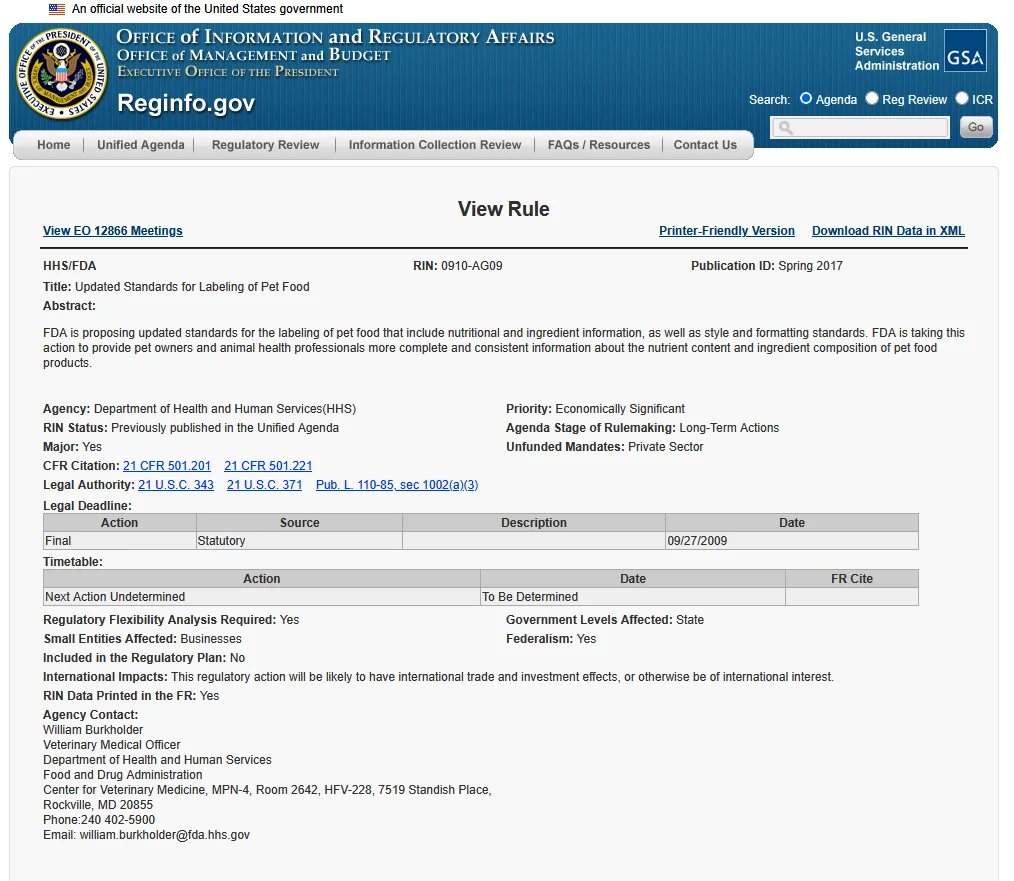
In June 2022, the Association for Truth in Pet Food (ATPF) submitted a formal petition to the FDA. The request was simple: require pet food labels to disclose whether ingredients are "feed grade" or "human grade."
In March 2026, after more than 1,000 days of deliberation, the FDA officially denied the petition. The agency stated that it failed to see how establishing a definition for "feed grade" was "necessary to maintain the integrity of the food, or ensure that the food meets consumer expectations."

This response effectively codified the status quo. By refusing to require disclosure, the FDA allows the pet food industry to continue sourcing salvage materials without informing the public. Critics argue this protects the profit margins of large-scale manufacturers at the expense of consumer transparency.
Implications: The Illusion of Quality in the Pet Food Aisle
The implications of this 53,000-pound lamb auction extend far beyond a single shipment. It highlights a systemic vulnerability in how pet owners perceive "premium" pet food.
1. The Devaluation of "Organic" and "Humanely Raised"
When rotting salvage meat is allowed to carry the "Organic" label into a pet food bag, the entire value proposition of organic certification is undermined. Consumers pay a premium for organic products under the assumption of superior safety and ethics. If that "organic" meat was actually sitting in a pool of its own blood in a warm warehouse for months, the label becomes a tool for deception rather than a mark of quality.
2. Potential Health Risks
While the rendering and high-heat processing (extrusion) used in kibble production can kill many pathogens, they do not necessarily neutralize all heat-stable toxins produced by bacteria during the spoilage process (such as biogenic amines or certain bacterial endotoxins). Furthermore, the nutritional profile of spoiled meat is often degraded compared to fresh tissue.
3. The Erosion of Consumer Trust
The "Truth about Pet Food" advocate Susan Thixton argues that this is the "very definition" of food fraud. "Pet food manufacturers are allowed through FDA’s lack of enforcement to display images of roasted lamb on the label and website, even though the pet food is made with rotting, spoiled lamb," Thixton stated.
As the June 19, 2026, bidding deadline passes, this lamb will disappear into the industrial processing system. Within months, it will be rendered, mixed with grains or legumes, extruded into pellets, and placed into bags decorated with pastoral imagery.
Conclusion: A Call for Regulatory Reform
The case of the 53,000 pounds of spoiled organic lamb serves as a stark reminder that the pet food industry operates under a different set of moral and regulatory physics than the human food industry. While the FDA maintains that current labeling is sufficient, the existence of a robust "salvage broker" market for rotting meat suggests otherwise.
For pet owners, the message is clear: the words on the front of the bag—and even the ingredient list on the back—may not tell the full story of what is inside. Until the FDA requires a "Standard of Identity" that distinguishes between human-grade ingredients and salvage-grade "animal feed," the burden of due diligence remains entirely on the consumer.
Industry advocates continue to urge pet owners to contact the FDA Center for Veterinary Medicine ([email protected]) to demand greater transparency. Without a change in policy, the next 26-ton shipment of spoiled meat is not a question of "if," but "when."