Positive reinforcement is the cornerstone of modern canine training, yet it remains one of the most misunderstood concepts in the human-animal bond. While the premise—rewarding a desired behavior to increase its frequency—seems straightforward, the application is fraught with human error. Renowned animal behaviorist and author Dr. Patricia McConnell highlights a critical pitfall: the unintentional "poisoning" of cues. As we navigate the complex landscape of communication with our canine companions, it is time to reassess how our well-intentioned gestures may actually be undermining our training goals.
Understanding the "Poisoned Cue"
At its core, a "poisoned cue" occurs when a behavior that was intended to be reinforced is, instead, punished or met with an aversive stimulus. In behavioral science, punishment is defined not by the intent of the trainer, but by the result: any action that decreases the future frequency of a specific behavior.

Dr. McConnell points to a common scenario in puppy training classes: the post-recall head pat. Owners frequently call their dogs to them, and upon arrival, reach out to pat the dog on the top of the head. While the owner perceives this as a reward, the dog often views the downward pressure and reaching motion as intrusive or uncomfortable.
“Dogs aren’t as fond of receiving head pats as we are of giving them,” McConnell notes. “If you watch for it, you can see the dogs ducking down and turning their heads away as if they didn’t like it.” By pairing the command "come" with an aversive physical interaction, the owner inadvertently creates a negative association. Over time, the dog may become hesitant to respond to the recall cue, not because they are disobedient, but because they are anticipating an unpleasant physical interaction upon arrival.

Common Pitfalls in Daily Interaction
The phenomenon extends well beyond the recall. It manifests in various daily interactions:
- The Collar Grab: Calling a dog to come, only to immediately grab their collar in a restrictive manner, can create anxiety around the recall command.
- The "Sit" Slap: Asking for a "sit" and following it with a forceful pat on the head or shoulders.
- The Unsolicited Grooming: Requesting a "down" and immediately initiating nail trimming without prior positive conditioning.
These actions serve as unintended punishments. To determine if a cue has been poisoned, owners must sharpen their observational skills. Does the dog approach with a loose, wiggly body and a tail wag originating from the shoulders, or do they approach with a stiff gait, averted eyes, or a desire to immediately retreat?

A Call to Action: The Observation Challenge
To bridge the gap between human intent and canine perception, Dr. McConnell proposes a behavioral observation challenge. Rather than attempting to overhaul an entire training regimen, owners are encouraged to focus on one or two specific cues over the next few weeks.
The Methodology of Mindful Training
- Select a Focus: Choose two behaviors where you suspect your reinforcement might be misaligned with your dog’s preferences.
- Document Observations: Keep a simple, informal journal. Note the cue, the subsequent reward, and the dog’s immediate body language.
- Refine the Association: If the dog shows signs of avoidance (turning the head, closing the mouth, stiffening the body), pivot the strategy. Replace physical pats with verbal praise, treats, or access to a favored toy.
- Community Engagement: By sharing these observations, trainers and owners can create a "mind meld" of shared experiences, helping the community identify subtle signs of discomfort that are often overlooked in the rush of daily life.
The Evolution of Canine Literature
As this discussion on reinforcement unfolds, the industry continues to evolve. Dr. McConnell is currently deep in the process of updating her seminal work, The Puppy Primer. With a new, expanded edition slated for release in October 2026, the update promises to integrate the latest findings in behavioral science with the timeless wisdom that has made the book a staple for dog owners for decades.

"I am so excited," says McConnell regarding the update. The revision serves as a reminder that even the most established training methodologies require periodic reassessment to ensure they remain grounded in empathy and evidence-based practice.
Upcoming Events and Community Engagement
Dr. McConnell remains deeply committed to face-to-face education, viewing her public appearances as vital opportunities for meaningful exchange. The remainder of 2026 features a robust schedule of events across Wisconsin and Illinois:

- July 25, 2026: A public appearance at the Minocqua Public Library (WI), focusing on author insights and canine behavioral foundations.
- September 15, 2026: A collaborative discussion with Cat Warren, Zazie Todd, and Kristi Benson at the anticipated "Bark Fest."
- September 17, 2026: A presentation at the Hildebrand Memorial Library in Boscobel, WI.
- September 24, 2026: An author event at Barnes & Noble in Madison, WI.
- October 7-10, 2026: A significant presence at the CANIS Conference in Schaumburg, IL, including a "Story Circle" session and a panel on welfare and ethics.
- October 15-18, 2026: Participation in the 25th Anniversary Celebration of the Wisconsin Book Festival.
- November 14, 2026: A presentation for the Janesville-Beloit Kennel Club, centered on her latest literary venture, Away To Me.
Implications for Future Welfare
The emphasis on "poisoned cues" is more than just a training tip; it is a fundamental shift toward prioritizing canine welfare in the human-dog relationship. By acknowledging that our dogs have preferences—and that those preferences may differ significantly from our own—we move away from a model of "compliance at all costs" toward a model of collaborative communication.
The implications for the industry are profound. As more owners move toward observational, consent-based training, we can expect to see a reduction in anxiety-based behavioral issues and a strengthening of the human-animal bond. The shift is subtle, but the impact is lasting.

Personal Reflections: Life on the Farm
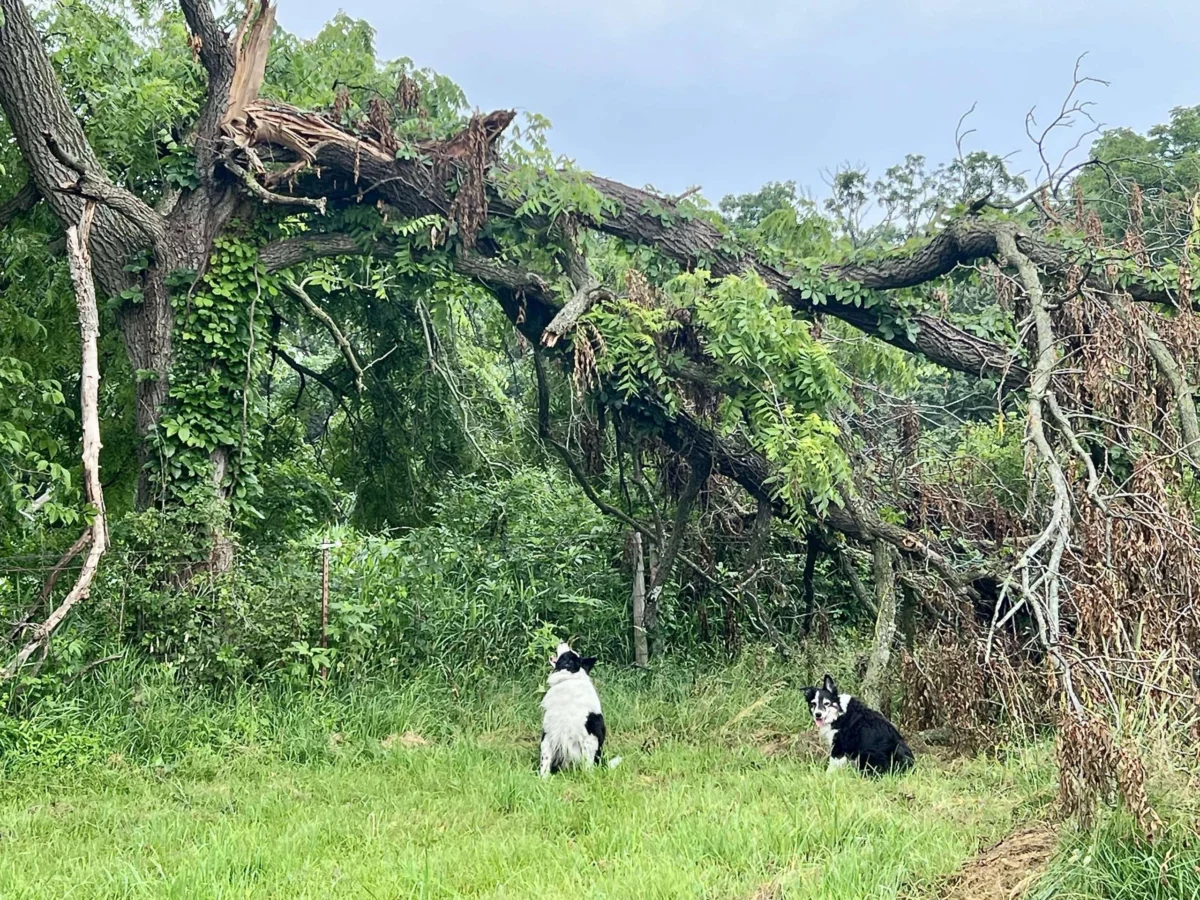
Beyond the technicalities of animal behavior, life at the McConnell farm serves as a living laboratory for these principles. Recent weeks have been defined by the aftermath of a 70-mph storm, necessitating significant cleanup and professional intervention.
Even in the most mundane moments—such as a quiet, sunny afternoon—the lessons of communication persist. Whether it is navigating the "abject misery" of a dog forced to pose for a photograph, or simply learning to recognize when a dog is ready to move on from a training session, the daily reality of living with animals reinforces the necessity of patience and observation.

Conclusion
As we look toward the fall of 2026, the challenge remains: to be the owners our dogs need us to be. By slowing down, observing our dogs’ responses, and being willing to adapt our own behavior, we can ensure that our "positive reinforcement" is truly positive from the dog’s perspective. Whether you are updating your training manual, attending a conference, or simply spending a quiet moment in the garden with your pet, remember that every interaction is a conversation. Make sure you are listening to what your dog has to say.
May your next few weeks be filled with learning, and may you always keep a watchful eye on the subtle cues that define the joy in your dog’s life.