KENNESAW, GA — Animal welfare advocates in Georgia and across the United States are ratifying a unified stance against the commercial retail of live lagomorphs. The Georgia House Rabbit Society (GHRS), operating out of Kennesaw, has officially allied with more than 100 animal rescue organizations nationwide. Together, they are issuing an urgent appeal to Petland corporate leadership: end the live sale of rabbits in all retail storefronts immediately, and transition to a humane model that partners with local shelters for adoption events instead.
This statewide initiative forms a critical pillar of the Rabbit.org Foundation’s ongoing national "Stop Rabbit Sales" campaign. The movement targets corporate retail models that treat sensitive, intelligent exotic pets as impulse-buy commodities. Across Georgia and the broader United States, animal shelter workers, veterinarians, and foster parents are grappling with the devastating downstream effects of this commercial enterprise: overcrowded facilities, neglected and undernourished animals, and a staggering volume of preventable animal suffering.
Main Facts: The Crisis in Georgia Retail Stores
The core of the dispute centers on the commercial availability of rabbits in retail settings, which animal experts argue fundamentally misrepresents the specialized needs of these animals. Unlike dogs and cats, which have deep-rooted domestic infrastructures, or traditional small mammals often mistakenly viewed as "starter pets," rabbits are complex, delicate creatures with distinct behavioral, dietary, and medical requirements.
According to GHRS leadership, the three Petland franchise locations operating within Georgia—situated in Kennesaw, Norcross, and Marietta—function as primary conduits for an ongoing cycle of impulse purchasing. Consumers, often drawn in by the appeal of young, fluffy kits in brightly lit storefront windows, frequently make hurried purchases without understanding the financial, spatial, and temporal commitments required to care for a rabbit over its lifespan, which can easily span a decade or more.
- The Scope of the Problem: More than 100 independent rescue organizations nationwide have joined the coalition spearheaded by The Rabbit.org Foundation.
- Local Impact: GHRS, which has operated in the state since 1996, reports that a significant percentage of its emergency intakes trace directly back to animals purchased impulsively at commercial pet stores.
- The Core Demand: Advocates are demanding that Petland cease live animal sales of rabbits entirely, adopting instead a progressive, humane retail model that highlights rescue adoption.
Chronology: A History of Advocacy and Rescue
To understand how the current statewide campaign developed, it is necessary to examine the trajectory of domestic rabbit rescue work in Georgia and the specific milestones that galvanized local and national organizations.
1996: Establishment of the Georgia House Rabbit Society
Founded in response to a burgeoning population of abandoned and neglected domestic rabbits across the state, GHRS established its operational roots in Kennesaw. For nearly three decades, the organization has served as a primary safety net for discarded rabbits, offering rehabilitation, medical intervention, spay/neuter services, and comprehensive public education. Throughout the late 1990s and 2000s, the rescue observed a steady influx of Easter-season surrenders, highlighting a cultural disconnect regarding rabbit care.
The Shift Toward Commercial Accountability
As big-box pet retail chains expanded their live-animal inventories into the 2010s and 2020s, rescue organizations noticed a shift in intake demographics. Rather than seasonal surrenders alone, shelters began receiving year-round surrenders of young rabbits displaying signs of nutritional deficiencies, improper handling injuries, and untreated parasitic infections—issues frequently tied to inexperienced owners acquiring animals from commercial outlets.
2020: The Case of Lazarus
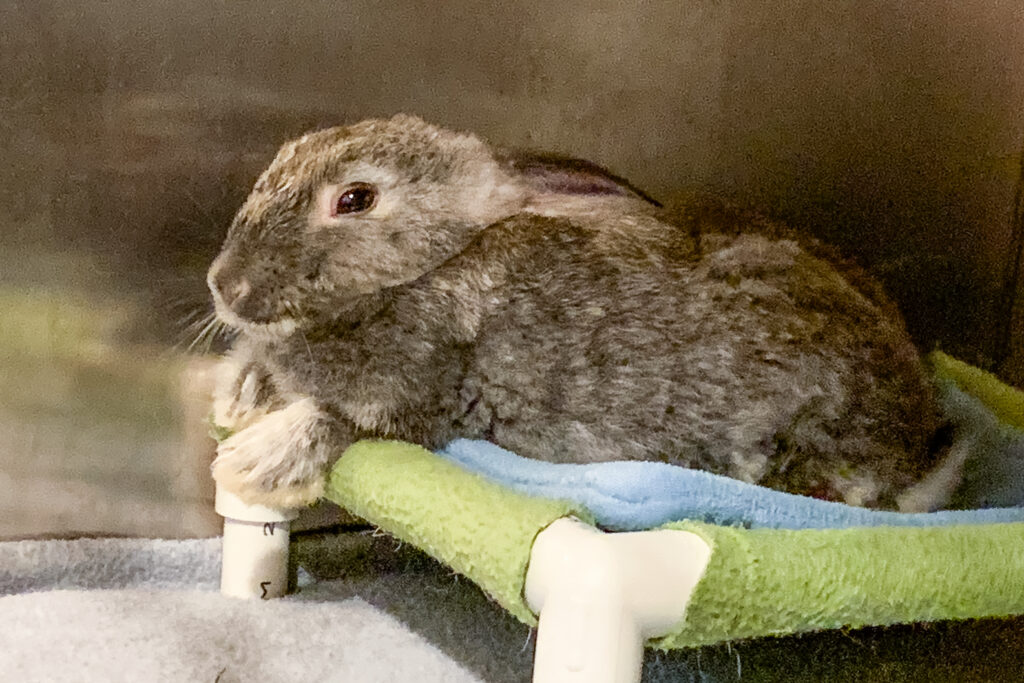
A defining moment for the Kennesaw shelter occurred in 2020, bringing the human-animal toll of commercial pet sales into sharp focus. A Petland employee stepped outside standard corporate channels to surrender a lethargic, severely compromised young rabbit named Lazarus directly to the rescue.
Lazarus arrived in critical condition: severely underweight, coated in his own feces, and suffering from coccidia, a dangerous parasitic intestinal infection common in overcrowded or unsanitary conditions. GHRS volunteers and veterinary partners initiated a regimen of round-the-clock supportive care. Miraculously, Lazarus beat the odds. Within a week of intensive medical intervention, proper nutrition, and warmth, the young rabbit began gaining strength. Once fully recovered, Lazarus was neutered and successfully placed in a permanent, loving home. For GHRS, Lazarus transformed from a near-fatality into a living symbol of resilience—and a stark indictment of the commercial pipeline that had nearly cost him his life.
October 2025: The Launch of the Statewide Coalition
Culminating years of grassroots frustration, the Georgia House Rabbit Society formally aligned with The Rabbit.org Foundation’s national Stop Rabbit Sales campaign in October 2025. By issuing a synchronized statewide press release and mobilizing digital advocacy networks, GHRS brought renewed pressure to bear on Petland’s Georgia franchises in Kennesaw, Norcross, and Marietta.
Supporting Data and Observations from the Front Lines
The arguments put forward by GHRS are grounded in decades of daily intake data, veterinary assessments, and behavioral observations. Shelter managers emphasize that the retail environment itself contributes significantly to the subsequent welfare crisis.
+-----------------------------------------------------------------+
|               TYPICAL PATHWAY OF AN IMPULSE-BOUGHT RABBIT       |
+-----------------------------------------------------------------+
|                                                                 |
|  [ Petland Retail Window ] ---> [ Impulse Purchase by Consumer ]|
|              |                                                  |
|              v                                                  |
|  [ Lack of Specialized Knowledge: Improper Diet, Small Cage ]   |
|              |                                                  |
|              v                                                  |
|  [ Health Decline: GI Stasis, Coccidia, Dental Issues ]         |
|              |                                                  |
|              v                                                  |
|  [ Surrender to Overcrowded Shelter (e.g., GHRS Kennesaw) ]     |
|                                                                 |
+-----------------------------------------------------------------+
Courtney Gurley, Shelter Manager at GHRS, has witnessed the human and animal cost of this pipeline firsthand.
"Across Georgia’s three Petland locations, we see the fallout firsthand," Gurley stated. "Young rabbits are often sent home with families who don’t yet understand their specialized needs. Weeks later, many of those same rabbits arrive at our rescue underweight, frightened, and in need of veterinary care."
Veterinary professionals routinely point out that rabbits have exceptionally fragile gastrointestinal tracts. Sudden changes in diet, inadequate hay consumption, stress, and inappropriate housing can rapidly trigger fatal conditions such as gastrointestinal stasis. When commercial sellers provide inadequate or inaccurate husbandry guidelines to first-time buyers, the margin for error is razor-thin, frequently resulting in emergency veterinary bills that owners are unprepared or unwilling to pay.
Furthermore, animal shelters across the state are operating at or above capacity. Unlike dogs, which benefit from extensive municipal shelter systems and widespread foster networks, rabbits require specialized exotic veterinary care that strains the financial resources of non-profit rescues. Every rabbit that enters the rescue pipeline due to a commercial retail surrender consumes resources that could otherwise be allocated to severe abuse cases or community spay/neuter outreach.
Official Responses and Perspectives
The Advocacy Perspective: Georgia House Rabbit Society & The Rabbit.org Foundation
The leadership of GHRS and its national umbrella organization maintain that the sale of live animals in a retail storefront is fundamentally incompatible with modern animal welfare standards. By framing the issue not merely as a matter of individual consumer error, but as a systemic failure of the retail model, the coalition is pushing for corporate policy shifts.
The Rabbit.org Foundation emphasizes that retail partnerships with local shelters—where animals are showcased for adoption rather than sold as inventory—prove that pet stores can remain profitable while upholding ethical standards. These models screen potential adopters, ensure proper education is provided prior to adoption, and help alleviate the immense burden currently borne by non-profit rescue organizations.
The Corporate Landscape: Petland’s Position
Petland, a national pet store chain headquartered in Chillicothe, Ohio, has historically defended its business model by asserting that its stores adhere to local, state, and federal regulations regarding animal sourcing and care. The corporation maintains that its staff provides customers with comprehensive care instructions and that it partners with licensed, regulated breeders.
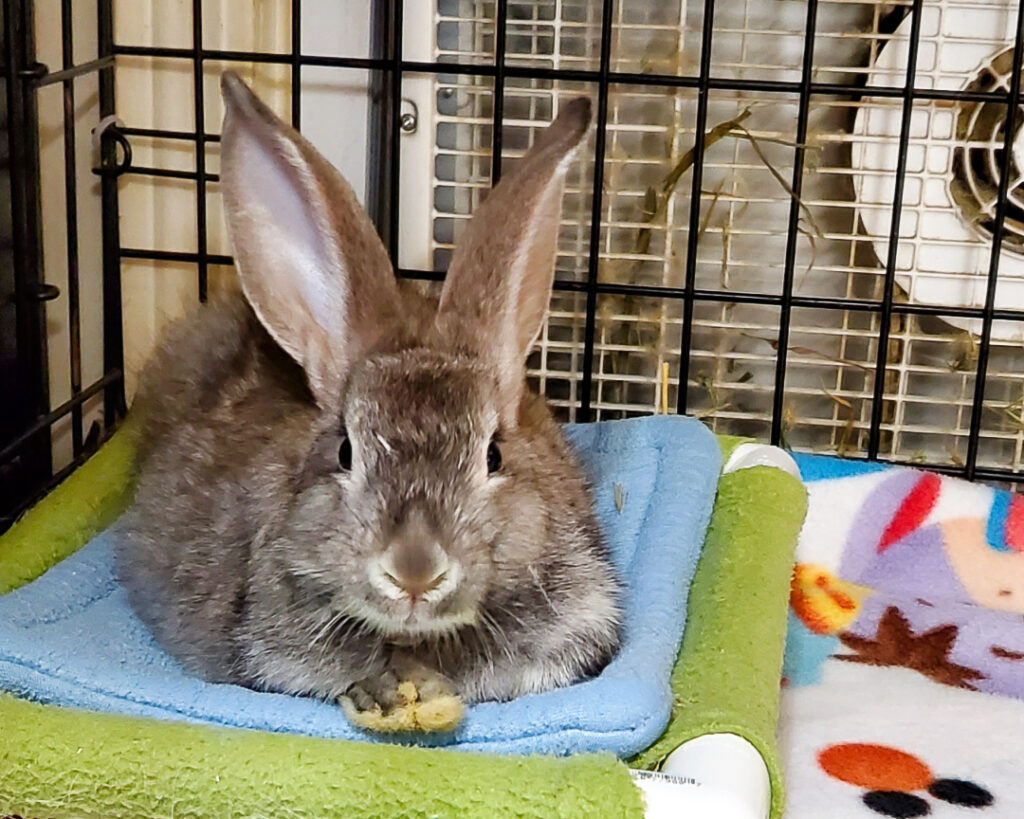
However, animal welfare organizations counter that regulatory compliance regarding minimum cage sizes and veterinary checks does not address the core ethical and systemic problems of selling exotic, high-maintenance companion animals over the counter. Critics argue that regardless of breeder licensing, the retail environment inherently incentivizes fast sales over thorough consumer vetting, leading directly to the abandonment cycles documented by shelters nationwide.
Broader Implications for Animal Welfare in Georgia
The campaign spearheaded by GHRS and The Rabbit.org Foundation carries far-reaching implications for retail pet sales, local legislation, and community education standards within the state of Georgia.
1. Shifts in Municipal and Retail Policy
As public awareness grows regarding the origins of pets sold in commercial storefronts, municipal governments across the country have increasingly enacted ordinances restricting the retail sale of commercially bred dogs, cats, and rabbits, favoring adoption-only models. The mounting pressure on Petland in Kennesaw, Norcross, and Marietta could energize local lawmakers to examine municipal retail ordinances, aligning Georgia with cities nationwide that have closed legal loopholes exploited by commercial puppy and rabbit mills.
2. Redefining "Starter Pets" in the Public Consciousness
One of the most persistent hurdles faced by rabbit rescue workers is the cultural myth that rabbits are low-maintenance "starter pets" suitable for young children. In reality, rabbits are prey animals that often dislike being held, require specialized diets consisting primarily of fresh grass hays, need specialized veterinary care from certified exotic animal practitioners, and require safe indoor housing to prevent behavioral issues and environmental hazards. Campaigns like the Stop Rabbit Sales initiative force a public reckoning with these misconceptions, educating consumers before an impulse purchase occurs.
3. Strengthening the Non-Profit Rescue Infrastructure
By demanding that retail chains cease the sale of live rabbits, advocates hope to stem the tide of preventable surrenders. If successful, this shift would allow organizations like the Georgia House Rabbit Society to redirect vital financial and volunteer resources away from emergency rehabilitation—such as the intensive care required by Lazarus in 2020—and toward proactive community outreach, spay/neuter advocacy, and educational programming.
How to Get Involved
The Georgia House Rabbit Society and The Rabbit.org Foundation are urging community members, animal lovers, and concerned citizens to take active steps in supporting the Stop Rabbit Sales movement:
- Sign the Petition: Support the national campaign by adding your name to petitions hosted via Rabbit.org.
- Adopt, Don’t Shop: For those prepared to welcome a rabbit into their home, bypass commercial pet stores entirely and visit a reputable rescue such as GHRS in Kennesaw or explore local foster networks.
- Spread Awareness: Share stories like that of Lazarus across social media networks to educate friends and family about the realities of commercial pet store rabbit sales.
- Support Local Rescues: Donate funds, supplies, or time to organizations like the Georgia House Rabbit Society to help sustain their ongoing rehabilitation and rescue operations.
For more information on the campaign, to read the full press release, or to learn about rabbit care and adoption opportunities, visit houserabbitga.com or Rabbit.org.