By Blake Hernandez | Grooming Consultant: Amy Lupcho
Handstripping is a technique that sits at the intersection of traditional canine preservation and modern grooming artistry. While it remains one of the most mysterious and physically demanding disciplines for novice groomers, it is an essential skill for maintaining the health, texture, and aesthetic integrity of wiry and certain silky-coated breeds.
For the uninitiated, handstripping is the direct, manual extraction of the harsh topcoat, while its complementary procedure, carding, focuses on the removal of the dense, soft undercoat. Far from merely a cosmetic choice, these techniques are vital for the physiological well-being of the dog, ensuring that hair follicles remain clear and capable of producing healthy, resilient new growth.
The Fundamentals of Handstripping
At its core, handstripping is the practice of mimicking the natural shedding process that many wire-haired terriers and sporting breeds would experience in the wild. When a dog’s coat is "blown" or ready to shed, the old, dead hair sits in the follicle, preventing new, vibrant hair from emerging. By manually removing this dead hair, a groomer allows the follicle to breathe and the coat to maintain its characteristic "wire" texture and vivid color.
Understanding the Norwich Terrier Case Study
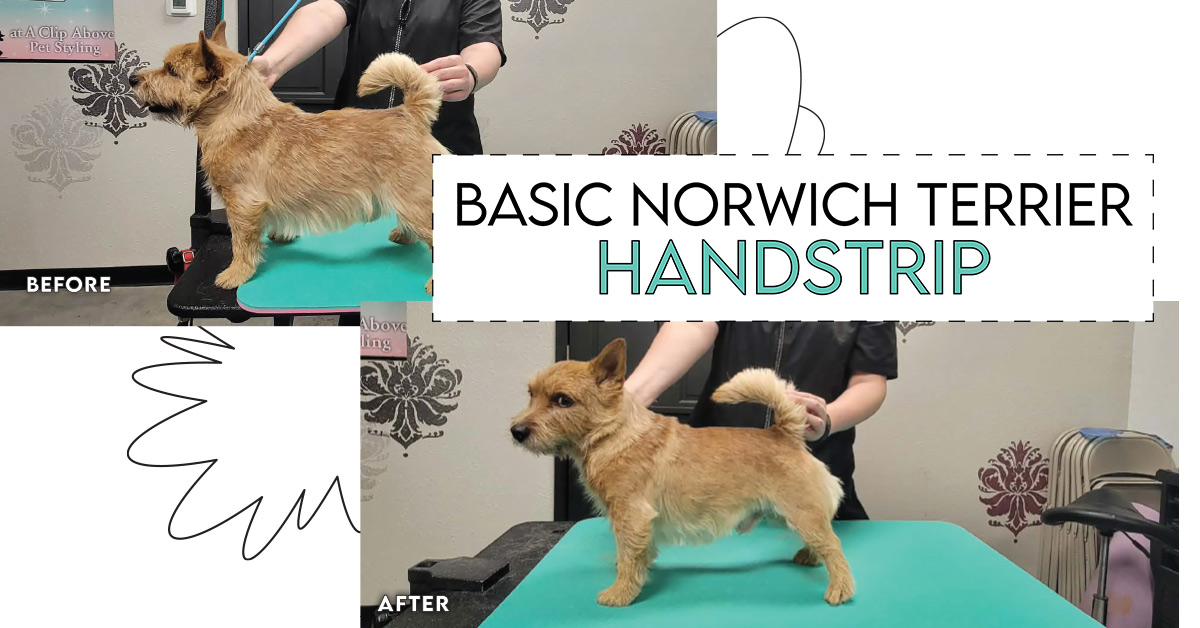
In this specific demonstration, we examine a Norwich Terrier presenting with an irregular coat cycle. Due to inconsistent layering and grow-out timing, the decision was made to move away from a rigid, pattern-based pull. Instead, the groomer opted to remove a single uniform layer across the dog’s body. This strategic approach allows the groomer to reset the coat cycle, providing a clean slate for sculpting and shaping at future appointments.
Chronology of a Grooming Session
A successful handstripping session is not merely about pulling hair; it is a methodical process that requires patience, ergonomic awareness, and a deep understanding of canine anatomy.
Phase 1: Tool Selection and Hand Positioning
For those just beginning their journey into handstripping, the pumice stone is an indispensable tool. Unlike metal blades, which can inadvertently slice the hair rather than pulling it from the root, a pumice stone provides friction and grip. It can be molded to fit the groomer’s hand, allowing for a more intuitive and controlled experience.
Phase 2: The Importance of Skin Tension
The golden rule of handstripping—regardless of the tool or the breed—is the maintenance of skin tension. By keeping the skin taut, the groomer ensures that the hair is pulled cleanly from the follicle with minimal resistance. This reduces the risk of skin irritation for the dog and makes the process significantly more efficient for the groomer.

Phase 3: Ergonomics and Joint Health
As the groomer progresses to the lower legs and feet, attention must be paid to the dog’s natural range of motion. It is imperative to respect the dog’s joints. When working on sensitive areas, the groomer must move with the natural bend of the limb to keep the animal comfortable.
Phase 4: Refining the Silhouette
As the work moves down the back and toward the shoulders, the groomer’s non-dominant hand must be braced beneath the area of focus. This provides the necessary counter-tension for a consistent pull. The shoulder area is particularly critical; failing to pull the coat tight in this region can result in a "weak" appearance, masking the dog’s natural muscle tone and angulation.
Phase 5: The Finishing Touch (Carding)
Once the bulk of the hard topcoat has been removed, the final step involves blending. This is achieved using a carding knife held at a very low angle—nearly parallel to the skin. By gently dragging the knife, the groomer clears out the remaining soft undercoat, creating a smooth, professional finish that highlights the dog’s structure.
Supporting Data: Why Texture Matters
The necessity of handstripping extends beyond the show ring. Many groomers are surprised to learn that these techniques are not exclusive to Terrier groups; they are equally beneficial for various sporting breeds and even mixed-breed dogs with wiry coats.
Clinical Benefits of Proper Coat Management:
- Follicle Health: Impacted follicles are prone to infection and inflammation. Regular removal of dead coat prevents "impaction," which occurs when the old hair is trapped, preventing new growth.
- Color Preservation: In many wire-haired breeds, the "dead" hair loses its pigment and becomes dull. Removing it encourages the growth of vibrant, breed-standard color.
- Texture Maintenance: Clipping a wire coat often leads to a soft, cottony texture that loses its weather-resistant properties. Handstripping preserves the harsh, protective nature of the coat.
Official Perspective: Industry Implications
The professional grooming community has seen a resurgence in the demand for handstripping as pet owners become more educated about their dogs’ specific breed requirements. However, this shift comes with a professional responsibility.
"Handstripping is not just a service; it is a commitment to the dog’s long-term health," says lead groomer Amy Lupcho. "When we strip a dog, we are actively participating in their biological cycle. Groomers who master this skill are able to provide a level of care that goes far beyond aesthetic improvement."
The implications for the industry are clear:
- Specialization: Groomers who offer professional handstripping can position themselves as specialists, often commanding higher rates for their technical expertise.
- Longevity: By improving the health of the dog’s skin and coat, groomers help prevent long-term dermatological issues, which in turn leads to happier, more cooperative clients.
- Education: There is an ongoing need for better educational resources, as the physical tax of handstripping requires groomers to prioritize their own ergonomics and longevity in the trade.
Conclusion: The Path Forward
Handstripping is undoubtedly a challenging skill, demanding a high degree of manual dexterity and an eye for canine structure. Yet, the rewards—a healthier dog, a more resilient coat, and a deeper connection to the traditional roots of grooming—make it a worthwhile pursuit.
Whether you are working with a show-quality Norwich Terrier or a scruffy mixed-breed, the principles of skin tension, tool selection, and respect for joint anatomy remain the same. As you refine your techniques, remember that every pull is a step toward better coat health. We encourage all professional groomers to integrate these practices into their repertoire, ensuring that the legacy of quality coat care continues to thrive in every salon.
By embracing these traditional methods, you are not just grooming a dog; you are honoring the evolution of the breed and ensuring the comfort and vitality of your four-legged clients for years to come.