

By Paige K Parsons | Edited by Our Think Tank
Published by the Rabbit Organization
Main Facts: The State of U.S. Rabbit Ownership in 2025
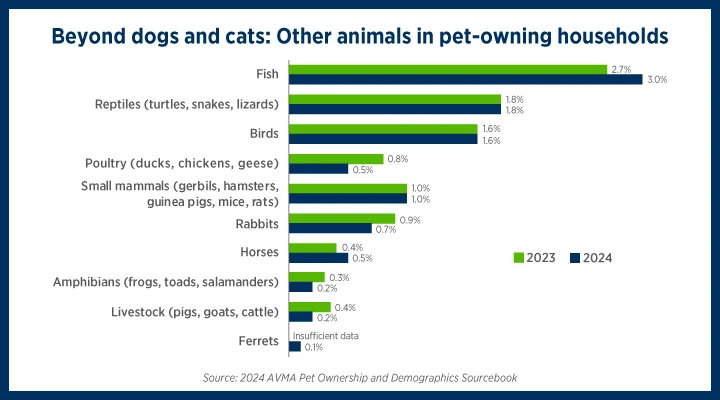
As the landscape of American pet ownership shifts, companion animals once considered unconventional are stepping into the spotlight. Among them, the domestic rabbit has secured a firm, beloved place in millions of homes. According to the most recent data released in mid-2025 by the American Veterinary Medical Association (AVMA), roughly one million U.S. households—representing about 0.7% of the nation—currently live with at least one pet rabbit.
This latest figure, drawn from the AVMA’s updated Pet Ownership & Demographics data, highlights a dynamic community of bunny enthusiasts. While previous peaks saw higher household penetration, the modern rabbit-owning population is characterized by intense dedication, specialized veterinary care, and a generational shift in how people view "small mammals."
Data from the American Pet Products Association (APPA) further emphasizes this popularity, positioning rabbits as the reigning champions of the "small animal" category. Out of the millions of households maintaining small pets—such as hamsters, guinea pigs, and ferrets—rabbits consistently command a significant market share. Furthermore, demographic insights compiled by publications like Forbes indicate that exotic pets and rabbits are increasingly favored by younger demographics, specifically Millennials and Gen Z. These younger pet owners are redefining traditional pet care by bringing rabbits indoors as free-roaming house companions rather than keeping them confined to outdoor hutches.
Chronology: The Evolution of the American House Rabbit Over Three Decades
To understand where rabbit ownership stands in 2025, it is essential to look back at how the relationship between humans and lagomorphs has evolved in the United States over the last thirty years.

The 1990s: Establishing a Baseline
In the early 1990s, pet rabbits were still largely viewed as children’s starter pets or farm animals. Data from 1991 recorded roughly 1.4 million households owning rabbits (about 1.5% of overall households), boasting an average of 3.22 rabbits per household and a total estimated population of 4.6 million. By 1996, the total rabbit population grew to 4.9 million, spread across 1.9 million households, showing that early house-rabbit advocacy groups were successfully beginning to change public perception.
The 2000s: The Rise of the Indoor Bunny
The turn of the millennium saw fluctuating numbers, but a clear cultural shift toward indoor housing. In 2000, AVMA and related surveys documented 2.2 million households housing approximately 5.3 million rabbits. By 2002, the USDA stepped in with a comprehensive report confirming that 5 million rabbits lived as pets across 2.2 million homes. Mid-decade data from Gallup and the AVMA in 2006 held steady at roughly 1% of households, but the stage was set for a massive surge in popularity. By 2007, both the AVMA and the APPA reported a staggering 6.1 million pet rabbits nationwide, marking the era when rabbits officially surpassed hamsters to become America’s third most popular companion mammal, trailing only cats and dogs.
The 2010s: Stabilization and Adoption Trends
Entering the 2010s, the total population experienced a normalization. The 2009–2010 APPA survey still recorded a robust 6.6 million rabbits. However, by 2012, AVMA metrics showed households owning rabbits at 1.4 million (1.19% of the population), with a total population of 3.2 million. During this decade, the acquisition of pets also began to transform. APPA data from the 2013–2014 survey revealed a crucial cultural milestone: 25% of pet rabbits were being acquired through rescue and adoption, while pet store purchases dropped sharply—falling by 42% between the 2011–2012 and 2013–2014 cycles.
The 2020s to 2025: Post-Pandemic Demographics
The COVID-19 pandemic triggered a historic boom in overall pet ownership. The AVMA’s 2022 Pet Ownership & Demographics Sourcebook reflected this surge, reporting that 1.2% of U.S. households (roughly 1.5 million homes) owned rabbits, equating to a total population of 2.2 million pets. As the world stabilized into 2025, the AVMA’s updated metrics adjusted to approximately one million households (0.7%), indicating a post-pandemic stabilization where pet ownership numbers returned to sustainable, long-term averages.
Supporting Data: Historical Summary Table
A review of historical data compiled from the AVMA, APPA, USDA, and preserved via archives like RabbitWiki highlights the ebb and flow of rabbit ownership in America:
| Metric | 2022 | 2017 | 2012 | 2007 | 2002 | 2000 | 1996 | 1991 |
|---|---|---|---|---|---|---|---|---|
| Households Owning Rabbits | 1.5M | 1.5M | 1.4M | 1.9M | 2.2M | 2.2M | 1.9M | 1.4M |
| % Overall Households | 1.2% | 1.2% | 1.19% | 1.62% | — | 1.6% | 1.90% | 1.50% |
| Average Rabbits / Household | — | — | 2.28 | 3.3 | — | 2.4 | 2.63 | 3.22 |
| Total Rabbit Population | 2.2M | 2.2M | 3.2M | 6.1M | 5.0M | 5.3M | 4.9M | 4.6M |
(Note: Data points reflect differing survey methodologies across federal bodies and trade associations, but collectively provide a reliable macroeconomic view of pet rabbit demographics.)
Official Responses and Industry Insights
The shifting statistics have not gone unnoticed by veterinarians, animal welfare advocates, and industry analysts. Major veterinary organizations and pet product manufacturers have had to adapt their outreach to accommodate the unique physiological and behavioral needs of lagomorphs.
The Veterinary Perspective
Veterinary medicine has made massive strides in recognizing rabbits as "exotic" pets that require specialized care. In past decades, finding a veterinarian knowledgeable in rabbit gastrointestinal stasis or dental disease was a monumental challenge. Today, the AVMA and exotic animal veterinary associations emphasize specialized training to treat the estimated 2.2 million rabbits that grace American homes. The drop in total population numbers from the mid-2000 highs (over 6 million) to current figures (around 1 to 2.2 million) is viewed by many veterinarians not as a failure of popularity, but as a shift toward higher-quality, more dedicated ownership. Fewer impulse purchases mean fewer abandoned animals and longer, healthier lifespans for those kept as companions.
The Pet Industry and Welfare Shift
The American Pet Products Association (APPA) has continually noted the resilience of the small animal sector. With 6.7 million households currently maintaining small animals, rabbits remain the crown jewel of this category. Furthermore, animal welfare organizations—such as the House Rabbit Society—have successfully lobbied against impulsive live-animal sales. The dramatic 42% drop in pet store rabbit sales observed in the mid-2010s correlates directly with the rise of the "Adopt, Don’t Shop" ethos within the rabbit community. More owners are turning to dedicated foster networks and shelters to find bonded pairs of spayed and neutered house rabbits.
Implications: What the 2025 Data Means for the Future of Rabbit Care
The data gathered in 2025 carries profound implications for rescue groups, manufacturers, veterinarians, and prospective bunny parents alike.

1. The Rise of "Free-Roaming" Culture
As younger generations—specifically Millennials and Gen Z—drive pet adoption trends, the concept of keeping a rabbit locked in an outdoor hutch or a tiny cage is rapidly fading. Modern rabbit owners treat their pets much like cats or small dogs. Rabbits are litter-box trained, allowed to roam living rooms, and integrated directly into family life. This cultural shift demands different products, leading to a boom in rabbit-safe flooring, specialized tunnels, interactive puzzle toys, and high-quality timothy hay diets.
2. Education and Rescue Overload
Despite the drop in raw household numbers from historical peaks, rescue organizations continue to face high intake rates. Because rabbits have a lifespan of 8 to 12 years and require complex behavioral understanding, many owners find themselves overwhelmed when the reality of rabbit care sets in. Educational initiatives spearheaded by groups like the Rabbit Organization remain vital to teaching the public about proper diet, medical costs (including mandatory spaying and neutering), and environmental enrichment.
3. Economic and Veterinary Demands
With roughly one million to 1.5 million households opening their doors to rabbits, the demand for qualified exotic veterinarians is at an all-time high. Pet food manufacturers, pharmaceutical companies, and insurance providers are also beginning to tailor policies and products specifically to lagomorphs. As veterinary science advances, the life expectancy and quality of life for pet rabbits will only continue to improve.
Conclusion
The narrative of the American pet rabbit in 2025 is one of maturation. While total population numbers have stabilized compared to the statistical highs of the 2000s, the bond between humans and their bunnies has never been stronger. Supported by better veterinary care, ethical adoption practices, and a generation of dedicated young owners, the domestic rabbit has firmly secured its legacy as an integral and cherished member of the American family.