By Paige K Parsons
Published by Rabbit.org
The phrase “baby bunny” often evokes images of fragile innocence, gentle hopping, and heartwarming companionship. Yet, beneath the undeniable cuteness lies a profound biological reality: caring for a young rabbit—whether discovered unexpectedly in a suburban backyard or welcomed intentionally into a household—demands specialized knowledge, unwavering patience, and strict adherence to animal welfare guidelines.
Navigating the nuances of infant rabbit care requires distinguishing between wild cottontails and domestic kits, knowing when (and when not) to intervene, and understanding the critical health, dietary, and socialization milestones that dictate a rabbit’s lifelong well-being.
Main Facts: The Fundamentals of Baby Bunny Biology and Rescue
To provide effective care for a young rabbit, human caretakers must first understand the fundamental differences between wild and domestic species, as well as the unique physiological vulnerabilities of infant lagomorphs.
In the terminology of rabbit care, a baby rabbit is referred to as a "kit" or "kitten." While wild cottontails (such as the Eastern cottontail) and domestic rabbits (Oryctolagus cuniculus) share a broadly similar developmental timeline, the contexts of their care could not be more different.

The single most critical rule of thumb in wildlife encounters is that wild baby rabbits are rarely abandoned. Well-meaning human intervention often results in the unnecessary "kidnapping" of healthy wildlife. Mother cottontails are notoriously elusive; to protect their shallow, ground-level nests from predators, they visit their young only once or twice a day—typically at dawn and dusk—to nurse them quickly before slipping away.
Conversely, young domestic rabbits require structured indoor rearing, meticulous nutritional management, and gradual, gentle socialization with humans. Whether dealing with a wild kit found in the yard or an orphaned domestic litter rescued from a hoarding situation, understanding these biological divergences is the cornerstone of proper care.
Chronology: The Developmental Timeline of a Kit
From birth to maturity, a baby rabbit undergoes rapid and dramatic developmental changes. Understanding this chronology ensures that caretakers can provide appropriate nutrition, housing, and veterinary oversight at every stage of life.
Days 1 to 10: The Newborn Phase
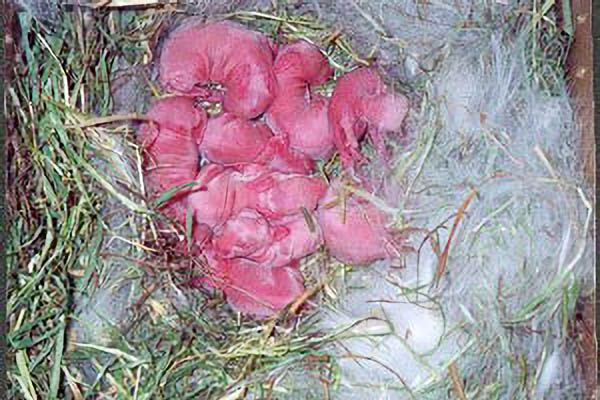
At birth, kits are hairless, blind, and entirely deaf. Their survival depends entirely on their mother’s rich milk and the thermal protection of the nest (which mothers line with fur pulled from their own bodies). During this phase, the kits’ eyes remain tightly sealed, and they rely on touch and scent to locate one another and huddle for warmth.
Days 10 to 14: Opening Eyes and Developing Fur
Around the 10-to-14-day mark, the kits’ eyes open for the first time, and a soft, plush coat of fur develops. Their mobility increases significantly, and they begin to explore the immediate perimeter of the nest.

Weeks 3 to 4: The Exploratory Stage
By week three, adventurous kits begin stepping out of the nest. This is the period when they start nibbling on solid foods—primarily grass hay and small amounts of fibrous plant matter—though mother’s milk remains their primary source of nutrition.
Weeks 6 to 8: Weaning and Independence
As the kits approach two months of age, weaning naturally occurs. However, biological imperatives dictate that rabbits should stay with their mothers for at least eight weeks. This extended timeline is non-negotiable for proper gut development; it allows the infant rabbits to establish healthy digestive microflora and vital immunity acquired through maternal antibodies. Separating babies too early frequently precipitates chronic, life-threatening digestive disorders, such as enteritis or failure to thrive.
Supporting Data: Nutrition, Health, and the Risks of Premature Separation
The gastrointestinal tract of a rabbit is a marvel of evolutionary engineering, yet it is notoriously delicate. Understanding the physiological mechanics of a kit’s digestive system highlights why human intervention must be executed with extreme precision.
The Critical Role of Maternal Milk and Hay
Mother rabbit milk is exceptionally rich in fats and proteins compared to the milk of most other mammals. It is designed to fuel rapid growth while introducing essential microorganisms into the sterile gut of the newborn.
As kits transition toward solid food, unlimited grass hay (such as timothy, orchard grass, or meadow hay) acts as the engine for the developing digestive tract. The long-stemmed fiber stimulates gut motility and wears down continuously growing teeth. Introducing fresh greens must be done with extreme caution, typically one single safe green at a time in minute quantities, long after weaning has safely progressed.

The Dangers of Hand-Rearing and Early Weaning
When orphaned domestic kits or wild rescues must be hand-reared, the risks are extraordinarily high. Human caretakers attempting to bottle-feed infant rabbits face a severe threat of aspiration pneumonia, wherein milk enters the lungs rather than the stomach, leading to fatal respiratory infections. Consequently, only trained professionals or adults operating under the direct instruction of a veterinarian or wildlife rehabilitator should attempt hand-rearing.
Furthermore, statistics from rescue organizations show that kits separated from their mothers or litters before eight weeks suffer exponentially higher rates of gastrointestinal stasis, nutritional deficiencies, and behavioral challenges later in life.
Official Responses: Navigating Wildlife Encounters and Adoption Protocols
When citizens encounter baby rabbits outdoors or seek to welcome a companion rabbit into their home, animal welfare organizations, wildlife departments, and veterinary associations offer clear, standardized protocols.
What to Do If You Find a Wild Baby Bunny
According to wildlife agencies, such as the Wisconsin Department of Natural Resources, baby cottontails are among the most frequently "kidnapped" animals in North America. The protocol for an outdoor discovery is structured and measured:
- Pause and Assess: Look at the rabbit’s environment. Is it in a shallow depression in the lawn? Is it warm, quiet, and uninjured? If yes, leave the nest intact.
- Secure the Perimeter: Keep domestic pets (dogs and cats) and children away from the nest for at least 24 hours. You can place a crisscross of yarn or twigs over the nest; if the pattern is disturbed the next day, you will know the mother has returned to feed.
- When to Intervene: Immediate intervention is warranted only if:
- The mother is known to be dead.
- The nest has been explicitly destroyed by lawnmowers, dogs, or construction.
- The kits are visibly injured, cold to the touch, crawling aimlessly outside the nest, or infested with flystrike (parasitic fly larvae).
- Contact Professionals: If intervention is necessary, immediately contact a licensed wildlife rehabilitator or a rabbit-savvy veterinarian. Follow their instructions implicitly.
Acquiring a Domestic Baby Rabbit Responsibly
For individuals seeking to adopt a domestic rabbit, official rescue guidelines strongly advise avoiding pet stores and online breeders. The commercial rabbit trade often contributes to overpopulation, impulse buying, and inadequate early veterinary care.
Instead, the most ethical and compassionate path is to adopt through a reputable rabbit rescue group or animal shelter. Many rescues routinely take in pregnant stray rabbits or mothers surrendered from neglect situations. Born and raised under the supervision of experienced foster coordinators, these kits receive optimal nutrition, early socialization, and comprehensive veterinary checkups before finding permanent homes.
Adopting through a rescue also guarantees that the rabbit will be spayed or neutered once they reach the appropriate age—typically between 4 and 6 months—preventing unwanted litters and mitigating future health and behavioral issues.
Implications: Health Red Flags, Socialization, and Starter Supplies
Bringing a baby rabbit into a home environment carries long-term implications for household routines, financial planning, and pet care education. Ensuring a smooth transition requires monitoring health red flags and setting up an appropriate environment.
Recognizing Health Red Flags
Because rabbits are prey animals, they instinctively hide signs of illness until they are critically ill. Careholders must remain vigilant for the following emergency red flags:
- Lethargy and Weakness: A kit that is unresponsive, cold, or too weak to right itself requires immediate veterinary intervention.
- Gastrointestinal Distress: Diarrhea, mucous in the stool, or a complete absence of fecal output (anorexia and obstipation) are life-threatening emergencies.
- Respiratory Signs: Nasal discharge, wet front paws (from wiping a runny nose), or labored, wheezing breath indicate a respiratory infection.
- Skin and Coat Issues: Hair loss, crusty ears, scabs, or visible parasites (fleas, mites, or flystrike) demand prompt medical treatment.
Socialization, Litter Training, and Spay/Neuter Timing
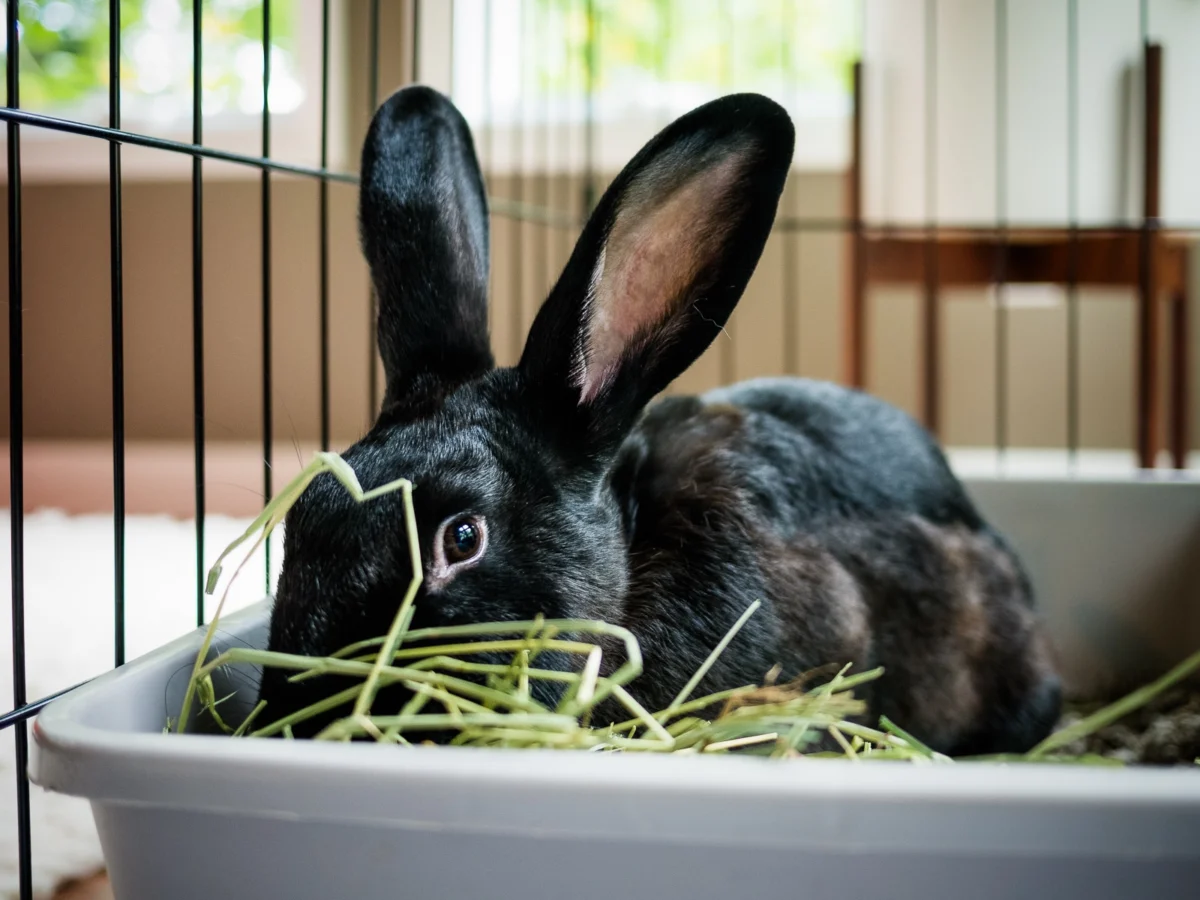
Young domestic rabbits are highly adaptable and can be successfully litter-trained using shallow litter boxes filled with paper-based, dust-free litter and topped with fresh hay. Gentle, daily handling helps kits grow into confident, friendly adult companions.

As they approach adolescence (around 3 to 6 months), hormonal changes may trigger territorial behaviors, such as spraying, nipping, or digging. Scheduling a spay or neuter surgery with a qualified rabbit veterinarian is essential not only for population control but for curbing these hormonal frustrations and preventing reproductive cancers.
Starter Supplies Checklist for New Owners
Preparing a safe space for a young rabbit requires a curated list of essential items:
- Spacious Enclosure: A secure exercise pen (X-pen) rather than a cramped wire-bottomed cage.
- Dietary Staples: Unlimited amounts of high-quality grass hay (timothy or orchard grass) and measured quantities of specialized alfalfa-based pellets formulated for young rabbits (transitioning to grass-hay pellets as they mature).
- Hydration: A heavy ceramic water bowl or a securely mounted water bottle.
- Litter Box and Substrate: Low-profile litter pans filled with safe, non-toxic, recycled paper litter.
- Safe Chew Toys: Untreated wood blocks, woven grass mats, and willow balls to satisfy their natural urge to chew.
- Hideaways: Cardboard boxes or wooden tunnels to provide a sense of security.
Conclusion
Whether you are admiring a wild cottontail quietly nestled in the spring grass or preparing your home for the pitter-patter of a newly adopted domestic kit, understanding the intricacies of baby bunny care is paramount. By respecting the instincts of wildlife, partnering with licensed rehabilitators when emergencies arise, and committing to the ethical standards of rescue and responsible domestic pet ownership, humans can ensure that these vulnerable creatures thrive. Armed with proper knowledge, patience, and access to rabbit-savvy veterinary care, the journey of raising or protecting a baby bunny becomes a deeply rewarding endeavor in animal stewardship.