By Paige K Parsons
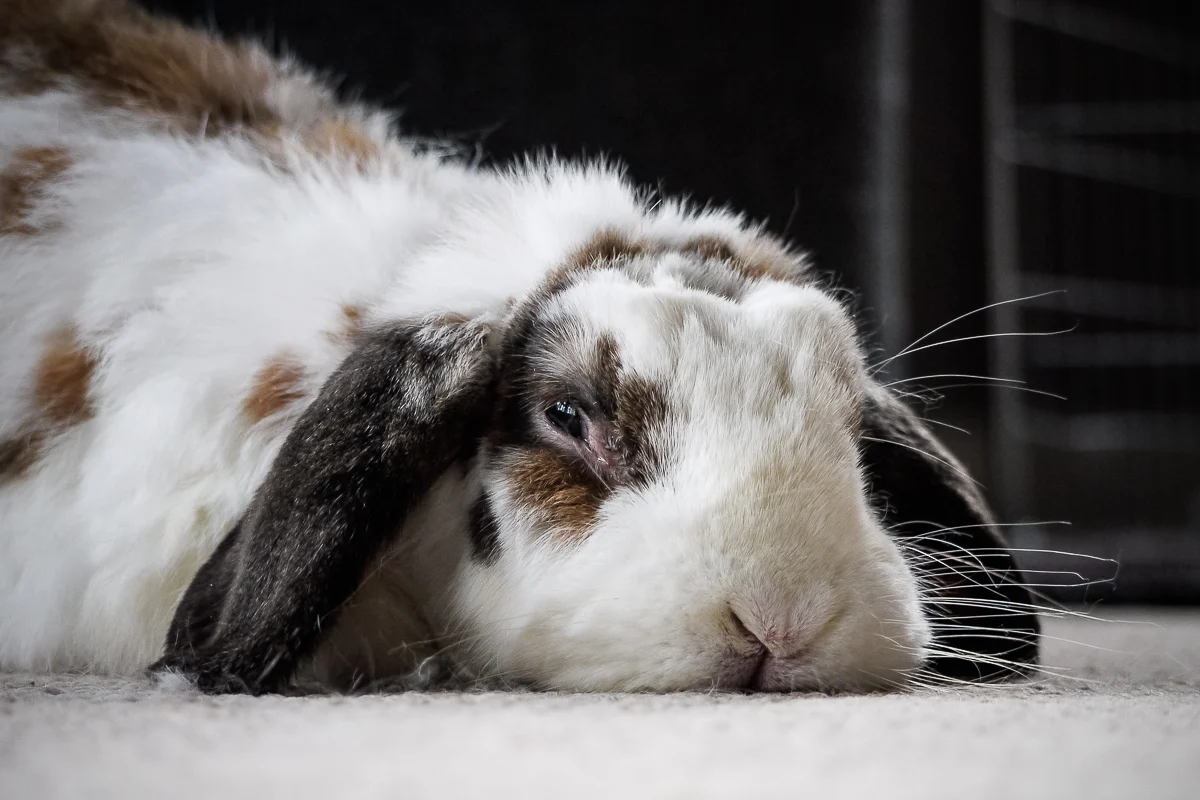
A healthy rabbit is typically bright-eyed, endlessly curious, and full of vitality. However, because rabbits are biologically classified as prey animals, they have evolved a powerful instinct to mask illness, pain, and vulnerability. In the wild, a rabbit that shows weakness immediately marks itself as a target for predators. In a domestic setting, this survival mechanism often works against them, causing them to hide serious health conditions until they have reached an advanced, critical stage.
Understanding what constitutes a normal, healthy baseline—and recognizing subtle, early warning signs of trouble—can mean the difference between life and death. Proactive rabbit husbandry, an understanding of common medical emergencies, and a relationship with an experienced exotic animal veterinarian are essential pillars of responsible pet ownership.
Main Facts: Understanding Rabbit Biology and Health Vulnerabilities
To properly care for a rabbit, owners must understand that their physiological makeup differs vastly from traditional household pets like dogs and cats. Rabbits possess delicate, highly specialized digestive tracts, continuously growing teeth, and sensitive respiratory systems.
- The Prey Instinct: Rabbits hide symptoms of illness. A rabbit that appears "fine" in the morning may be critically ill by evening.
- Rapid Deterioration: Conditions like gastrointestinal (GI) stasis can become fatal within 24 hours if left untreated.
- Specialized Veterinary Needs: Rabbits are exotic pets. Standard veterinary training often omits the nuances of lagomorph anatomy, pharmacology, and anesthesia, necessitating a dedicated "rabbit-savvy" vet.
- Dietary Dependence: High-fiber diets (primarily grass hay) are not merely a preference; they are a medical necessity required to maintain gut motility and wear down continuously growing teeth.
Chronology: The Typical Progression of Hidden Rabbit Illness
Because rabbits mask their symptoms, illnesses rarely manifest overnight without a preceding, subtle timeline. Understanding how minor behavioral shifts escalate into full-blown veterinary emergencies helps owners intervene before it is too late.
Phase 1: The Subtle Shift (Days 1–2)
In the earliest stages of illness, a rabbit’s changes are almost imperceptible. They may eat slightly less hay, leave droppings that are marginally smaller than usual, or choose a resting spot slightly farther away from household activity. There are usually no obvious signs of distress, and many owners mistake this phase for normal behavioral variation.
Phase 2: Behavioral Withdrawal (Day 2–3)
As discomfort or internal pathology progresses, the rabbit begins to display overt behavioral changes. They may adopt a hunched posture, grind their teeth softly (a sign of moderate to severe pain), or refuse their favorite treats. Grooming may cease, leading to a dull or unkempt coat. At this point, the rabbit’s internal systems—such as gut motility or respiratory function—are actively failing.
Phase 3: Acute Crisis (Day 3+)
Without veterinary intervention, the rabbit enters a state of systemic crash. In cases of GI stasis or heat stroke, the body goes into shock. Lethargy deepens into unresponsiveness, breathing becomes labored, and core body temperatures fluctuate dangerously. For many conditions, waiting until this phase significantly reduces the likelihood of a successful recovery.
Supporting Data and Common Rabbit Health Problems
Veterinary data from exotic animal practices highlights several primary medical emergencies and chronic conditions that affect domestic rabbits. Recognizing the symptoms, understanding the medical actions required, and implementing strict prevention protocols are vital for every owner.
1. Gastrointestinal (GI) Stasis
GI stasis is arguably the most common and perilous rabbit medical emergency. It occurs when the normal muscular contractions of the digestive tract slow down or stop entirely. Food sits in the stomach and intestines, causing painful gas buildup, dehydration, and a disruption of the gut microbiome. Without prompt treatment, a rabbit can perish within 24 hours.
- Symptoms: Complete anorexia (refusal to eat), passing very small or zero droppings, adopting a hunched posture, bruxism (teeth grinding), and a bloated, tight abdomen.
- Action: Contact a rabbit-savvy veterinarian immediately. Do not wait to see if the rabbit recovers on its own. Veterinary intervention typically includes fluid therapy, powerful analgesics (pain relief), and motility drugs to jump-start the gut.
- Prevention: Provide a continuous, unlimited supply of grass hay, encourage daily physical exercise, and minimize environmental stress.
2. Dental Disease
A rabbit’s teeth—both incisors at the front and molars deep inside the mouth—grow continuously throughout its lifetime, often up to several inches a year. If a rabbit’s diet lacks sufficient coarse fiber, or if their jaw is misaligned due to genetics, teeth fail to wear down evenly. This results in sharp, painful bone spurs that lacerate the tongue and cheeks.
- Symptoms: Sudden refusal of hard foods, dropping food while chewing, a chronically wet chin (drooling), smaller fecal pellets, and progressive weight loss.
- Action: A qualified veterinarian must safely sedate or anesthetize the rabbit to file down and trim overgrown teeth, alongside treating any secondary jaw infections.
- Prevention: Feed unlimited grass hay, supply safe wooden chew toys, and schedule routine veterinary dental checks, particularly as rabbits enter their senior years.
3. Respiratory Infections ("Snuffles")
Often triggered by bacterial pathogens such as Pasteurella multocida, upper and lower respiratory infections are notoriously persistent in rabbits. What begins as a mild sneeze can quickly develop into pneumonia or chronic rhinitis.
- Symptoms: Frequent sneezing, thick nasal discharge, wet or matted fur on the inside of the front paws (from wiping the nose), and watery or red eyes.
- Action: Veterinary diagnostics are required to isolate the pathogen, followed by targeted antibiotic therapy and supportive care (such as nebulization).
- Prevention: Maintain pristine, well-ventilated housing, change litter boxes frequently, remove soiled hay daily, and strictly quarantine any new rabbits before introducing them to an established household.
4. Flystrike (Myiasis)
Flystrike is a horrific and rapidly fatal condition that occurs when blowflies are attracted to damp, soiled fur—usually around a rabbit’s hindquarters—and lay their eggs. Within hours, these eggs hatch into ravenous maggots that burrow directly into the rabbit’s living flesh.
- Symptoms: Extreme lethargy, a distinct foul odor, visible masses of maggots, and damp, stained fur around the rear.
- Action: This is an absolute veterinary emergency requiring immediate surgical removal of maggots, intensive wound cleaning, and aggressive supportive therapy.
- Prevention: Check and clean your rabbit’s bottom daily, especially if they are elderly, arthritic, or overweight. Keep indoor living areas immaculate, and protect outdoor rabbits from flying insects during warm months.
5. Parasites (Ear Mites and E. cuniculi)
Rabbits are susceptible to various ectoparasites and protozoan infections. Ear mites cause intense itching, head shaking, and heavy, crusty debris accumulation inside the ear canal. Meanwhile, Encephalitozoon cuniculi (E. cuniculi) is a microscopic parasite that targets the nervous system and kidneys, often resulting in head tilt, urinary incontinence, or paralysis.
- Symptoms: Persistent scratching at the ears, head shaking, balance issues, a tilted head, or sudden muscle weakness.
- Action: Consult a veterinarian for accurate diagnostic testing and safe, species-appropriate anti-parasitic medications (avoiding treatments toxic to rabbits, such as certain dog and cat flea products).
- Prevention: Practice rigorous environmental hygiene, keep indoor living spaces clean, and prevent contact with wild rodents or untreated outdoor rabbits.
6. Heat Stress and Heat Stroke
Rabbits possess a very limited ability to regulate their body temperatures. They do not sweat effectively and rely primarily on their large ears to dissipate heat. Temperatures above 80°F (26°C)—especially when combined with high humidity—can quickly induce fatal heat stroke.
- Symptoms: Rapid, shallow breathing, drooling, severe lethargy, sprawling posture, and eventual collapse.
- Action: Immediately move the rabbit to a cool, air-conditioned environment, apply cool (not ice-cold) water to their ears, and transport them to an emergency veterinary clinic.
- Prevention: Ensure indoor air circulation during summer months, provide frozen water bottles wrapped in towels for them to lean against, and never house rabbits in direct sunlight or unventilated outdoor hutches during warm weather.
Official Responses and Veterinary Consensus
Leading exotic animal veterinary organizations and rabbit welfare charities—such as the House Rabbit Society—emphasize a unified message regarding lagomorph care: prevention and education are the ultimate safeguards.
Veterinary professionals routinely advocate for the following golden rules of rabbit health:
- The Hay Standard: At least 80–90% of a domestic rabbit’s daily diet must consist of high-quality grass hay (such as timothy, orchard grass, or botanical hays). Alfalfa hay should generally be reserved for growing babies or pregnant/nursing does due to its high calcium and protein content.
- Mandatory Spaying and Neutering: Beyond preventing unwanted litters, altering rabbits at a young age dramatically reduces reproductive cancers (uterine cancer affects up to 60% of unspayed female rabbits over the age of three) and curbs aggressive or destructive behavioral issues.
- The Danger of Misinformation: Many standard pet stores market wire-bottom cages, high-sugar commercial treats, and yogurt drops that are actively harmful to rabbit health. Veterinary consensus demands that owners source dietary and housing guidance exclusively from qualified exotic animal specialists.
Implications of Neglect vs. Proactive Care
The choices an owner makes regarding daily husbandry, diet, and veterinary access carry profound implications for a rabbit’s lifespan and quality of life.
- The Cost of Delay: Because rabbits decline rapidly, adopting a "wait-and-see" approach almost invariably results in suffering, protracted illnesses, and significantly higher veterinary bills. Minor dental spurs or early GI slowdowns that could be treated simply and inexpensively on Day 1 can easily escalate into multi-thousand-dollar critical care hospitalizations by Day 3.
- Longevity and Quality of Life: With proper indoor housing, an unlimited grass-hay diet, regular veterinary checkups, and prompt medical intervention, modern domestic rabbits can live fulfilling, comfortable lives ranging from 8 to 12 years.
- The Importance of Specialization: Recognizing that standard canine and feline practitioners may lack the necessary training ensures that rabbits receive safe anesthesia protocols, accurate drug dosages, and expert surgical care tailored specifically to their fragile physiological systems.
Finding Professional Help
If you suspect your rabbit is exhibiting signs of illness, or if you wish to establish a baseline of care, utilize dedicated directories such as the Rabbit Vet Directory (provided by organizations like the House Rabbit Society) to locate an experienced exotic veterinarian near you. Early detection, specialized knowledge, and unwavering vigilance remain your rabbit’s greatest defense against illness.