KENNESAW, GA – A quiet but intense battle is brewing in the retail pet industry, as the Georgia House Rabbit Society (GHRS) has officially joined a coalition of over 100 animal welfare organizations across the United States to demand an end to the sale of live rabbits in Petland stores.
For decades, the GHRS has operated as a frontline defense against the neglect and abandonment of domestic rabbits. Now, they are scaling their efforts, aligning with The Rabbit.org Foundation’s national "Stop Rabbit Sales" campaign. The movement asserts that the business model of selling live animals in a retail setting—specifically one that relies on impulse buys—is fundamentally incompatible with the complex, long-term needs of rabbits.
The Core Conflict: Commerce vs. Compassion
The central argument presented by the GHRS is that pet stores like Petland treat rabbits as inventory rather than sentient, high-maintenance companions. According to animal welfare experts, rabbits are the third most abandoned animal in the U.S. shelter system, trailing only dogs and cats.
Advocates point to the psychological and physical fallout of this model: young rabbits, often barely weaned, are sold to families who are rarely educated on the species’ specific dietary, housing, or veterinary requirements. By the time these families realize that a rabbit is a decade-long commitment requiring specialized care, the animal often ends up surrendered to an already overburdened rescue network.
"Across Georgia’s three Petland locations, we see the fallout firsthand," said Courtney Gurley, Shelter Manager of the Georgia House Rabbit Society. "Young rabbits are often sent home with families who don’t yet understand their specialized needs. Weeks later, many of those same rabbits arrive at our rescue underweight, frightened, and in need of medical intervention."
Chronology of a Crisis: From Retail Shelves to Rescue
The relationship between commercial pet sales and shelter intake is well-documented. The timeline of a "pet store rabbit" often follows a tragic, predictable path:
- The Impulse Purchase: A customer enters a retail store, often attracted by the aesthetic appeal of a small, fluffy animal. No background check or education on rabbit behavior is required.
- The Adjustment Period: The rabbit is taken to a home unprepared for its needs. Domestic rabbits are prey animals; they are easily stressed, require specific diets (high-quality hay, not just pellets), and often suffer from gastrointestinal stasis when mishandled or improperly fed.
- The "Discovery" Phase: Within weeks, the owner realizes the rabbit is not a "low-maintenance" starter pet. They may exhibit behaviors like chewing baseboards or digging—natural actions that the owner views as "bad behavior."
- The Abandonment: The rabbit is surrendered to a local shelter or, in more tragic cases, released outdoors to fend for itself against predators.
- The Rescue Intervention: Organizations like the GHRS receive the animal, often suffering from malnutrition, parasitic infections, or injuries sustained from poor housing conditions.
The Lazarus Case: A Symbol of Resilience
To understand the stakes, one must look at individual stories like that of "Lazarus." In 2020, the GHRS took in a young rabbit surrendered by a Petland employee. The state in which the animal arrived remains a harrowing case study in the consequences of commercial retail.
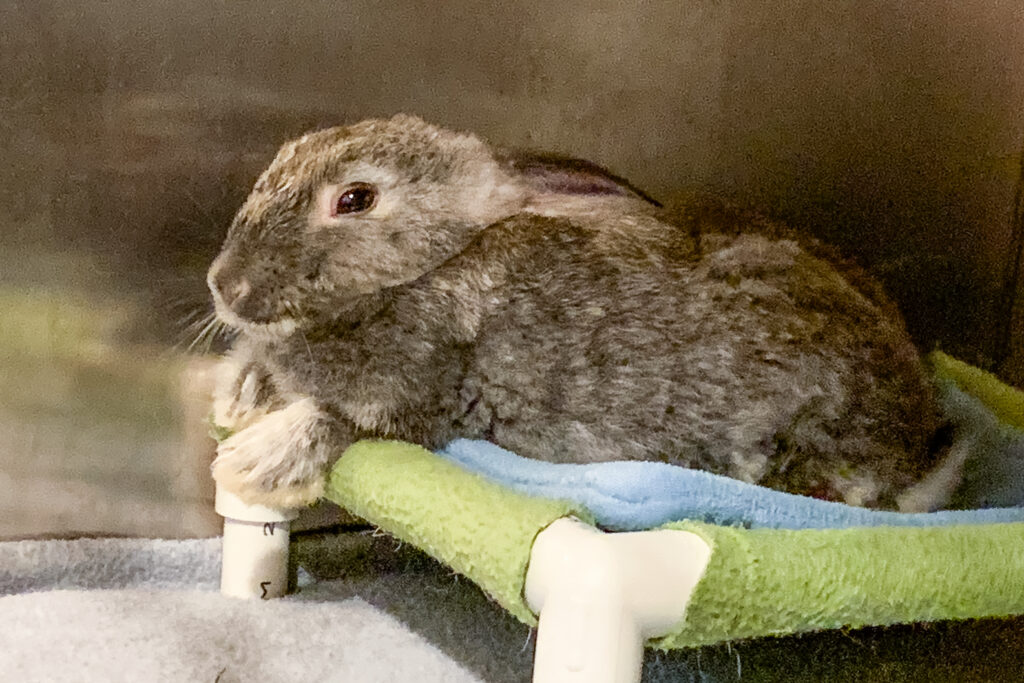
Lazarus was lethargic, severely underweight, and suffering from a severe case of coccidia, a parasitic infection of the intestinal tract often associated with unsanitary, overcrowded conditions. He was caked in his own waste—a sign of prolonged neglect.
The recovery of Lazarus required days of around-the-clock medical attention, specialized nutrition, and a level of care that a retail environment is simply not equipped to provide. His survival serves as the GHRS’s primary argument: when animals are treated as commodities, their welfare is inevitably sacrificed for the bottom line. Lazarus eventually recovered, was neutered, and found a permanent, loving home, but his story is the exception rather than the rule for many store-sold rabbits.
Supporting Data: Why Rabbits Are Not "Starter Pets"
The Rabbit.org Foundation and the GHRS provide extensive data to refute the myths surrounding rabbit ownership. Unlike hamsters or gerbils, which are often categorized as "small caged pets," rabbits are social, intelligent, and physically fragile animals.
Essential Needs Often Ignored in Retail:
- Lifespan: Many retail employees or customers incorrectly assume rabbits live for 2–3 years. In reality, with proper care, indoor rabbits frequently live 8–12 years.
- Dietary Complexity: The myth that rabbits live on "muesli-style" mixes is dangerous. They require unlimited fresh timothy hay and a variety of leafy greens. Improper diet is the leading cause of life-threatening dental and digestive issues.
- Space Requirements: A small wire cage is insufficient. Rabbits need significant room to hop, stretch, and exercise. Most retail enclosures sold alongside the rabbits are drastically undersized.
- Social Needs: Rabbits are social creatures that often suffer from intense depression if kept in solitary confinement without human or companion interaction.
Official Responses and the Corporate Stance
Petland has historically maintained that they adhere to federal and state regulations regarding animal welfare. However, the "Stop Rabbit Sales" coalition argues that legal compliance does not equate to humane treatment.
While many pet store chains have moved toward "adoption-only" models for cats and dogs—partnering with local humane societies to showcase rescue animals rather than selling them—the practice of selling small mammals remains a lucrative, yet controversial, revenue stream.
The Georgia House Rabbit Society is not merely calling for better conditions; they are calling for a fundamental shift in business ethics. They argue that if Petland truly values animal welfare, they should invite local rescues into their stores to facilitate adoptions, thereby eliminating the incentive for mass-breeding operations that supply retail outlets.
Implications for the Future of Animal Welfare
The pressure on Petland is mounting at a time when consumer consciousness regarding animal sourcing is at an all-time high. Legislative bodies in various states and municipalities have already begun banning the sale of dogs, cats, and rabbits in pet stores, pushing retailers toward a humane partnership model.
If the GHRS and their national partners succeed, it could mark a turning point for animal retail in Georgia. The implications are three-fold:
- Reduction in Overpopulation: By cutting off the retail supply chain, the number of "impulse-bought" rabbits ending up in the shelter system would likely decrease significantly, allowing rescues to focus on rehabilitation rather than crisis management.
- Increased Education: By partnering with rescues, stores could become centers of education where potential owners are screened and informed about the true realities of rabbit care.
- Normalization of Adoption: Shifting the narrative from "buying" to "adopting" reinforces the societal value of animal life, treating rabbits as family members rather than products on a shelf.
How to Get Involved
The campaign is not just a call to corporations, but a call to the public. The Georgia House Rabbit Society is urging citizens to take the following steps:
- Sign the Petition: Support the national call to action by visiting the Rabbit.org Foundation’s campaign page.
- Vote with Your Wallet: Refuse to purchase supplies from retailers that sell live animals. Support local, independent pet supply stores that prioritize rescue partnerships.
- Educate Others: Share the stories of rabbits like Lazarus to dispel the "starter pet" myth.
- Support Local Rescues: The work of the GHRS is entirely dependent on volunteers and donations. Providing support to these organizations helps them continue to provide the life-saving care needed for the victims of the retail industry.
As of October 2025, the conversation between the GHRS and the broader animal welfare community continues to gain momentum. For advocates, the goal is simple: a future where the health and well-being of a rabbit is prioritized over the profit margins of a retail store.
"We are not asking for a change in policy for the sake of convenience," says Gurley. "We are asking for it because we see the pain that the current system causes every single day. We are the voice for those who cannot speak, and we will not stop until the cycle of suffering ends."
For more information on the campaign, or to learn about the work being done by the Georgia House Rabbit Society, visit houserabbitga.com.