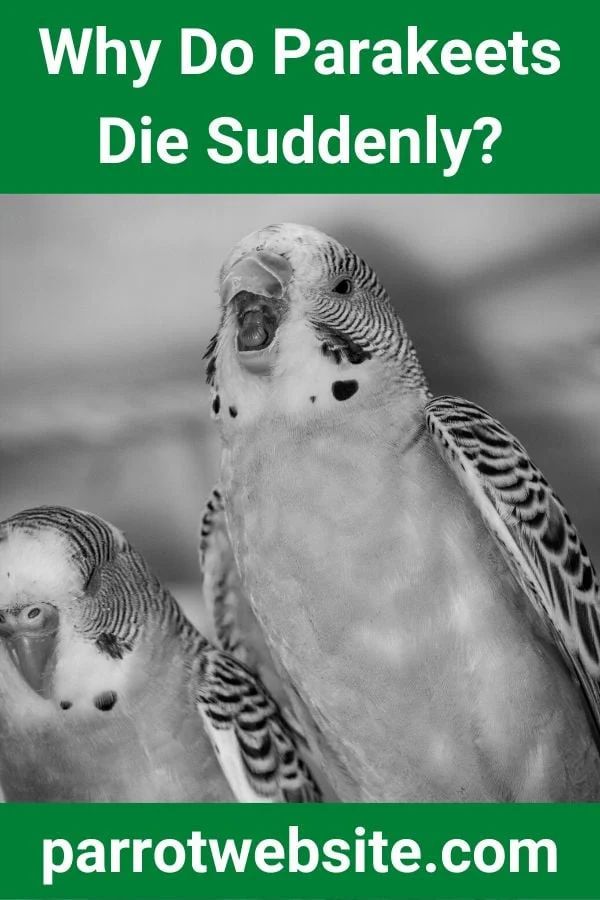
The sudden loss of a pet is a traumatic experience for any owner, but for those who keep parakeets—also known as budgerigars—the heartbreak is often compounded by a sense of confusion. These vibrant, intelligent, and highly social birds are renowned for their personalities, yet they are biologically delicate. Unlike larger animals that may show prolonged signs of illness, parakeets are masters at masking their health issues, a survival mechanism inherited from their wild ancestors. When a parakeet dies suddenly, it is rarely "without cause"; rather, it is often the result of an environmental factor, a dietary error, or an underlying stressor that went unnoticed by the human caretaker.
Understanding why these creatures are so susceptible to rapid decline is the first step in responsible ownership. By examining the primary causes—ranging from thermal stress and toxic ingestion to psychological distress—owners can transition from reactive care to proactive stewardship.
Main Facts: The Physiology of Vulnerability
Parakeets are small-bodied animals with incredibly high metabolic rates. This physiology dictates everything about their health, including how they process oxygen, how they regulate body temperature, and how they react to toxins. Because their respiratory systems are highly efficient and sensitive, they are particularly prone to airborne pollutants that would be negligible to humans or larger pets.
The core reality of parakeet ownership is that their environment must be curated with extreme precision. They are obligate herbivores, meaning their digestive systems are evolved exclusively for plant matter; any deviation into processed human foods or toxic substances can lead to organ failure within hours. Furthermore, their status as prey animals means they instinctively hide signs of sickness to avoid being targeted by predators. Consequently, by the time an owner notices that a bird is "off," the illness may already be in an advanced, critical stage.
Chronology of Risk: From Hatching to Seniority
The risk of sudden death is not uniform across a parakeet’s lifespan, though it remains a constant threat.
- The Juvenile Phase: Young parakeets are often more susceptible to bacterial and viral infections as their immune systems are still developing. Stress during weaning or relocation can trigger underlying latent infections.
- The Adult Years: During their prime, the primary risks shift toward environmental mismanagement—such as improper temperature control or accidental ingestion of household toxins.
- The Senior Years: As birds age, their ability to recover from minor illnesses decreases. While they may not die "suddenly" in the traditional sense, a minor drop in immune function can lead to a rapid, fatal infection that presents as a sudden expiration.
Supporting Data: Why Temperature and Toxins Matter
The Thermal Threshold
Parakeets are native to the arid, warm climates of Australia, which often leads owners to believe they are invincible in the heat. This is a dangerous misconception. While they thrive in a range of 70–80°F (21–27°C), their internal cooling mechanisms are not designed to handle sustained temperatures above 85°F. Overheating can cause heatstroke, characterized by panting, drooping wings, and eventual circulatory collapse.
Conversely, while they can tolerate cooler temperatures, sudden fluctuations are hazardous. A steady 75°F is the "golden zone." Owners should utilize digital thermometers rather than relying on room perception to ensure the bird’s micro-climate remains stable.
The Toxicity Spectrum
Because of their small body mass, a trace amount of a toxin is enough to be lethal.
- Avocado: The presence of persin—a fungicidal toxin—is fatal to most birds. It induces heart failure and respiratory distress.
- Chocolate and Caffeine: Theobromine and caffeine cause rapid heart rates, tremors, and seizures.
- Household Hazards: Teflon-coated cookware, when overheated, releases odorless, colorless fumes that are lethal to birds within minutes. Similarly, scented candles, cleaning aerosols, and cigarette smoke are major contributors to respiratory failure.
- Cyanogenic Glycosides: Pits and seeds of apples, cherries, peaches, and plums contain compounds that convert into cyanide. While the flesh is safe, the seeds must be strictly removed.
Official Perspectives: The Role of Veterinary Medicine
Avian veterinarians emphasize that "sudden death" is almost always a misnomer. In clinical settings, necropsies often reveal long-standing issues such as fatty liver disease, atherosclerosis, or chronic bacterial infections that were never treated because they were never detected.
Official veterinary guidelines stress the importance of the "wellness check." A healthy parakeet should be weighed weekly; a weight drop is often the only observable warning sign of a hidden illness. Furthermore, the use of specialized air filtration systems (HEPA filters) is frequently recommended by avian specialists to mitigate the risks posed by airborne dander and household chemicals.
Environmental Sanitation and Night Frights
A significant, yet often overlooked, cause of death at night is the "night fright." Parakeets are naturally diurnal and sleep in total darkness in the wild. If startled by a sudden noise, a flash of light, or the movement of a shadow, they may erupt into a panic-induced flight within the confines of their cage. These high-velocity collisions with cage bars can result in broken necks, concussions, or internal hemorrhaging.
Preventative Measures:
- Acoustic Control: Keep cages in the quietest, most stable area of the home, away from direct traffic or loud television sounds.
- Lighting: Utilize a dim night light near the cage. Total, pitch-black darkness can increase the likelihood of panic if the bird is startled.
- Sanitation: Maintain a rigorous cleaning schedule for water and food dishes. Bacteria like Salmonella and E. coli thrive in moist, uneaten food remnants, leading to swift, fatal systemic infections.
The Psychological Dimension: Loneliness as a Silent Killer
It is a common myth that birds are "easy" pets that can be left alone for long periods. Parakeets are flock animals. In the wild, they are rarely more than a few inches away from another bird. Domestic isolation is a chronic stressor that suppresses the immune system.
A lonely parakeet will often stop eating or engage in self-mutilation (feather plucking). While the bird might not die "instantly" from sadness, the resulting physical degradation—malnutrition and immune suppression—makes them vulnerable to pathogens that a healthy, happy bird would easily fight off. Owners should either keep parakeets in pairs or ensure they provide significant, high-quality social interaction for several hours a day.
Implications for Future Care
The implications for the prospective or current parakeet owner are clear: preparation is the only safeguard against the sudden loss of a companion.
Essential Checklist for Owners:
- Strict Diet: Eliminate all human "table scraps." Focus on high-quality, vet-approved pellets supplemented with fresh, organic vegetables.
- Environmental Stability: Invest in a dedicated air purifier and a high-precision thermometer.
- Toxin-Free Zones: Move all birds away from the kitchen, where smoke and fumes are prevalent. Eliminate the use of non-stick pans in the household.
- Routine: Establish a consistent schedule for feeding, sleep, and social interaction.
- Professional Oversight: Establish a relationship with an avian-certified veterinarian before an emergency occurs.
The loss of a parakeet is a profound reminder of the responsibility that comes with keeping exotic creatures. By respecting their biological limits and providing an environment that mimics their natural needs, owners can drastically reduce the risk of tragedy. These birds may be small, but the care they require is immense. Diligence, research, and a commitment to their specific welfare are the pillars upon which a long and healthy life for your parakeet rests. Every detail, from the air they breathe to the social bonds they form, matters. When we treat their environment with the respect it deserves, we not only prevent sudden death but also allow these intelligent, vibrant beings to flourish.