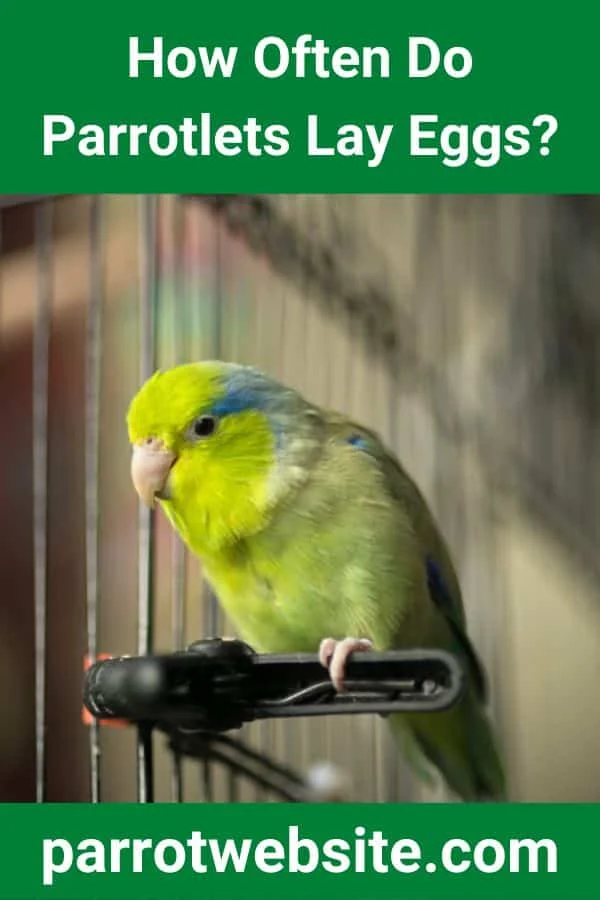
For many bird enthusiasts, the transition from a juvenile parrotlet to a sexually mature adult brings with it a host of biological changes. Among the most discussed—and occasionally anxiety-inducing—behaviors for owners is the onset of egg-laying. While these pint-sized psittacines are beloved for their big personalities and intelligence, their reproductive biology often remains a mystery to the average hobbyist.
Whether you are a first-time owner or a long-time enthusiast, understanding the frequency, causes, and implications of egg-laying is essential for maintaining the health and well-being of your bird.
Main Facts: The Nature of Avian Reproduction
At its core, egg-laying is a natural, physiological process. Much like mammalian ovulation, a female parrotlet’s body will periodically prepare for the possibility of offspring, regardless of whether a male is present.
The primary fact to internalize is that individual variation is the rule, not the exception. While some species-specific trends exist, the frequency of egg-laying is heavily influenced by genetics, environmental stimuli, diet, and the specific personality of the individual bird. Some parrotlets may reach maturity and never lay a single egg in their lifetime, while others may become prolific layers, producing multiple clutches annually.
Crucially, the absence of a male does not preclude the possibility of egg-laying. Female parrotlets kept in complete isolation from males are still capable of producing "duds"—unfertilized eggs. These eggs are biologically identical to fertilized ones in their formation, though they lack the genetic material to develop into chicks.
Chronology: From Maturity to Breeding Cycles
The Path to Maturity
Parrotlets generally reach sexual maturity around the one-year mark. While some individuals may exhibit signs of maturity slightly earlier, experts generally advise against encouraging or facilitating breeding before a bird reaches at least 18 months of age. This waiting period ensures that the bird is physically and nutritionally robust enough to handle the taxing process of egg production.
The Breeding Window
Once a bird reaches maturity, the "breeding window" typically remains open for several years. Most parrotlets maintain reproductive viability until roughly four years of age. After this point, the frequency of laying typically tapers off, and responsible breeders generally retire their birds from active breeding programs to protect the hen’s health.
The Laying Timeline
When a bird begins a clutch, the process is usually swift. Once the decision to lay is triggered—often by seasonal light changes or hormonal surges—the first egg usually appears within a week or two. A typical clutch consists of four to eight eggs, though some individuals may lay as many as ten. These are usually laid over a period of two to five days.
Supporting Data: Comparative Reproductive Trends
To understand the parrotlet, one must look at the broader context of the Psittacidae family. As a general rule of thumb in ornithology, smaller species tend to have faster, more frequent reproductive cycles than their larger counterparts.
- Amazon Parrots: These larger birds are typically seasonal, often laying only once per year. Their clutches are smaller, usually ranging from two to five eggs.
- Budgerigars (Budgies): As close relatives in size to the parrotlet, budgies offer a useful blueprint. They are known for high reproductive frequency, often laying multiple clutches per year with large egg counts that can reach eight or more.
- Parrotlets: Occupying a similar ecological and biological niche to the budgie, the parrotlet follows a similar pattern. Owners should anticipate that if a parrotlet does begin laying, it is likely to do so in multiple clutches—potentially two to four times annually—if the environmental triggers remain present.
Implications of Captive Environments
The "randomness" that many owners report is, in fact, rarely random. It is often a reaction to the captive environment.
Environmental Triggers
In the wild, egg-laying is tightly regulated by seasonal cues, specifically the availability of high-protein food sources and the length of daylight hours. In a home environment, these cues can be accidentally mimicked:
- Photoperiod: Long hours of artificial light can trick a bird’s pineal gland into thinking it is spring, the prime season for nesting.
- Dietary Stimulation: An overabundance of high-fat or high-protein "soft" foods can simulate the seasonal abundance of food that usually precedes breeding.
- Nesting Opportunities: Small, dark, or cozy spaces—such as snuggle huts, cardboard boxes, or even the corner of a cage—can trigger nesting instincts.
Managing Unfertilized Eggs
If your parrotlet lays unfertilized eggs, the most important implication is the maintenance of her nutritional health. Egg production is calcium-intensive. If a bird is laying frequently, she may require supplemental calcium, as directed by an avian veterinarian, to prevent egg-binding or shell-thinning.
Regarding the eggs themselves, the best practice is often to let the hen sit. If you remove the eggs immediately, the bird may perceive the loss and simply lay more to complete the clutch. Allowing her to incubate the eggs for a standard period (usually two to three weeks) allows her hormones to settle naturally. Once she loses interest, the eggs can be safely removed. The use of "dummy eggs" can be an effective tool to satisfy this natural instinct without the risk of an actual hatchling.
Official Perspectives and Expert Advice
Is There a Way to Stop It?
Many owners seek a "cure" for egg-laying. However, experts in avian behavior emphasize that because this is a fundamental physiological cycle, it cannot—and should not—be "stopped" through punishment or extreme intervention.
Instead, management is the key. If egg-laying becomes excessive or chronic (a condition known as "chronic egg-laying"), veterinary intervention is necessary. This may involve:
- Hormonal Therapy: Medications (such as Lupron injections) can temporarily suppress the reproductive hormones that trigger egg production.
- Environmental Modification: Reducing light exposure to 10–12 hours a day and removing potential nesting materials can significantly decrease the frequency of cycles.
The Question of Fertility
A common concern for new owners is the accidental hatching of chicks. If you house a male and female together, the risk of fertilized eggs is high. Because sexing parrotlets is often straightforward (they are sexually dimorphic), keeping sexes separate is the only 100% effective method of preventing breeding. If you do not intend to breed your birds, the consensus among avian welfare organizations is to keep them in separate cages, even if they appear to get along, as the biological drive to mate is incredibly potent.
Conclusion: A Balanced Approach
The phenomenon of egg-laying in parrotlets is a testament to the complex, deeply rooted instincts that domestic birds retain from their wild ancestors. While it may seem disruptive or surprising, it is a natural, manageable part of the avian life cycle.
For the vast majority of owners, the occasional clutch is a non-event. Provided the owner monitors the bird’s calcium levels, ensures a balanced diet, and provides a quiet environment for the hen to "reset" after her incubation period, the process poses little danger.
If you find yourself overwhelmed by your parrotlet’s reproductive cycle, remember that you are not alone. Consult with an avian-certified veterinarian to discuss long-term management strategies. By understanding the biology behind the behavior, you can ensure that your parrotlet lives a long, healthy, and happy life, whether she is a prolific layer or one of the many who never lay an egg at all.