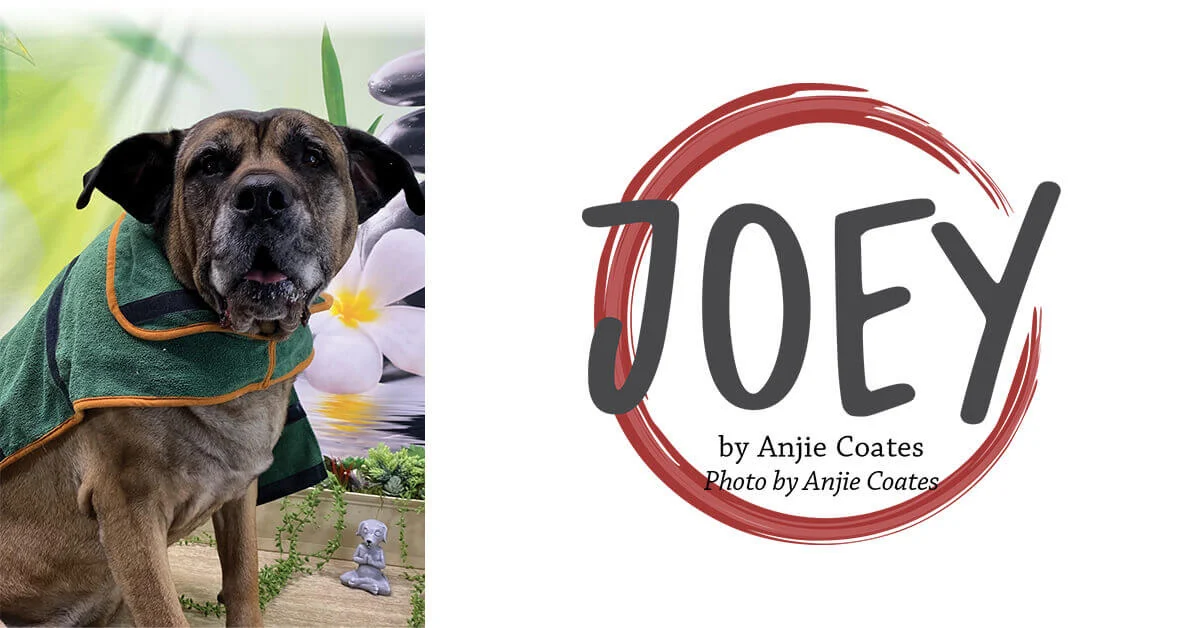
Introduction: A Gentle Giant’s Monthly Appointment
In the professional world of canine grooming, few clients command as much affection and character as Joey, an 11-year-old Boerboel whose monthly visits have become a staple of the local pet care community. Known for his imposing stature, endearing personality, and a penchant for dramatic "gliding" across hardwood floors, Joey represents a unique intersection of breed-specific care and the deeply human-animal bond that defines modern pet ownership.
This report explores the nuances of grooming a senior Boerboel, the health implications of weight management in giant breeds, and the heartwarming dialogue that occurs behind the scenes during a routine spa day.
The Chronology of a Spa Day
The grooming process for a dog of Joey’s size and age is not merely an aesthetic endeavor; it is a clinical and therapeutic exercise in maintenance.
Phase I: The Assessment
Upon arrival, Joey is hoisted onto the grooming table. Despite his 11 years, his habits remain consistent. He immediately adopts a seated position, stretching his front limbs outward with a look of profound satisfaction. The groomer, well-acquainted with the Boerboel’s temperament, begins the session with a routine check. The initial interaction—a playful, imagined dialogue between groomer and dog—serves to lower the animal’s cortisol levels, ensuring the dog remains calm throughout the mechanical process.
Phase II: Traction and Safety
One of the most critical steps in the process is the shaving of the pads and the fuzz between the toes. For a senior dog, traction is a matter of orthopedic health. Without this maintenance, the risk of slipping on household flooring—which can lead to hip dysplasia exacerbations or ligament tears—increases exponentially. Joey, displaying his typical stubborn wit, jokingly refers to his lack of traction as "gliding," a behavior his owners are working to curtail to ensure his long-term mobility.
Phase III: Grooming and Hygiene
As the brush works through his coat, the physical reality of his age and current fitness regimen becomes clear. The grooming session includes a thorough ear cleaning, which, in Joey’s case, highlighted the side effects of his increased "road work" (walking). The accumulation of trail dust in his ears served as a tangible metric of his recent commitment to physical activity, albeit to the dog’s humorous dismay.
Supporting Data: The Boerboel and Senior Health
To understand the importance of Joey’s grooming sessions, one must look at the breed and age-related requirements.
The Boerboel Profile
The Boerboel, a South African mastiff breed, is known for its intelligence, loyalty, and size. Weighing in as a "giant" breed, these dogs are prone to specific health issues, particularly as they enter their second decade of life.
- Joint Health: According to the American Kennel Club (AKC), giant breeds are susceptible to osteoarthritis and hip dysplasia. Maintaining an ideal weight is the single most effective way to manage these conditions.
- Skin and Coat: As dogs age, their skin loses elasticity, and their metabolism slows. Regular grooming helps monitor for lumps, bumps, or skin irritations that might otherwise go unnoticed under a dense coat.
The Weight Management Debate
During the session, the issue of "extra weight" was raised—a point of contention between Joey and his veterinarian. While Joey viewed the veterinarian’s assessment as a personal insult, the medical consensus is clear: for an 11-year-old Boerboel, every extra pound puts significant strain on the cardiovascular system and the skeletal frame. The groomer’s role in this, while often viewed as "just grooming," is actually a vital link in the chain of preventative medicine, providing the owner with feedback on body condition that is often obscured by fur.
Official Perspectives on Canine Grooming
Professional groomers often act as the first line of defense in preventative veterinary care. In a standard grooming appointment, the professional performs a "nose-to-tail" assessment.
The Professional Groomer’s Code
- Safety First: The primary goal is the prevention of injury. By trimming the hair between the paw pads, the groomer minimizes the risk of accidental slips.
- Emotional Well-being: For a dog like Joey, the grooming table is a safe space. The use of positive reinforcement—in this case, freeze-dried beef liver treats—is not merely a reward but a tool for behavioral conditioning.
- Communication: Effective grooming requires reading the dog’s body language. When a dog like Joey wiggles, the groomer must distinguish between playfulness and discomfort.
Implications: The Intersection of Care and Quality of Life
The story of Joey’s grooming session holds significant implications for how we view the aging process of our pets.
The Importance of Routine
Routine is the backbone of senior dog care. By visiting the groomer monthly, Joey’s owners are not just keeping him clean; they are keeping him in a routine that monitors his health. The fact that the groomer can notice the accumulation of "road dirt" or changes in his skin condition is a direct result of this consistency.
Quality of Life vs. Dietary Discipline
The playful negotiation regarding "three tiny treats" instead of one large one highlights the delicate balance between showing love through food and maintaining health through caloric restriction. The groomer’s decision to ration the treats demonstrates a professional commitment to the dog’s longevity. By honoring the "Dad’s" request to help Joey lose weight, the groomer becomes an active participant in the pet’s health journey.
The Emotional Bond
Beyond the clinical aspects, the session underscores the deep emotional connection between the groomer and the animal. The "love is drool" philosophy shared by Joey serves as a reminder that these animals are not just clients, but family members. The grooming experience, often perceived as a stressful necessity for many dogs, becomes a "spa day"—a period of interaction, physical maintenance, and mutual affection.
Conclusion: A Model for Aging Well
Joey’s monthly visits serve as a gold standard for how to handle a senior giant breed. By combining professional maintenance, a strict adherence to weight management goals, and the fostering of a positive, trust-based relationship between the dog and the care provider, the risks associated with aging can be effectively mitigated.
As Joey continues his "road work" and enjoys his carefully portioned, high-quality treats, he stands as a testament to the fact that with proper care, senior dogs can continue to live vibrant, joyful, and "gliding" lives. The takeaway for all pet owners is clear: health is a collaborative effort between the owner, the veterinarian, and the groomer, all united by the common goal of ensuring that our best friends stay by our sides for as long as possible.
The next time Joey steps onto the table, he will likely have a new story about his progress, and his groomer will be there, waiting with a drool rag and a plan to ensure the "best boy" remains the healthiest boy he can be.