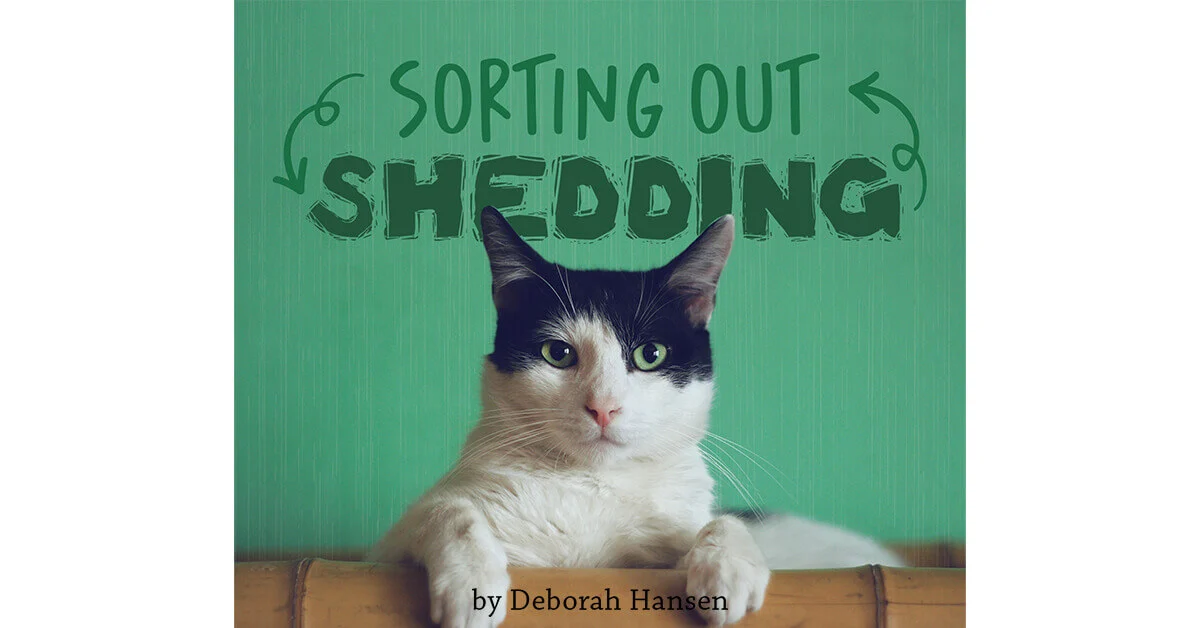
For many feline owners, the "shedding season" is an inevitable, frustrating reality—a time marked by fur-covered upholstery, sneeze-inducing dander, and the occasional alarming hairball. However, for professional groomers, this seasonal phenomenon represents a critical intersection of animal welfare, client education, and technical service. Misunderstandings regarding why cats shed often lead to ineffective grooming schedules, which in turn place the feline at risk of serious health complications.
By dissecting the biological, environmental, and behavioral drivers of feline shedding, groomers can transition from simple service providers to trusted consultants, ultimately fostering healthier pets and more satisfied clients.
Why Cats Shed: Deciphering the Biological Triggers
There is a persistent myth among pet owners that cats shed primarily due to rising temperatures. While warm weather often coincides with peak shedding, temperature is rarely the root cause. Instead, the primary biological trigger is photoperiodism—the number of hours of sunlight a cat is exposed to.
The Role of Photoperiodism
As days lengthen in the spring and shorten in the fall, the feline endocrine system responds to the shift in light exposure. This hormonal signal tells the cat’s body to either shed its winter coat or prepare for the cold by growing a denser undercoat. Because these seasonal light shifts often mirror the rise and fall of ambient heat, humans naturally correlate the two. However, understanding that light is the primary driver allows groomers to predict "shedding seasons" with high accuracy.
In professional grooming circles, a predictable timeline emerges: when owners begin noticing "always light" or "always dark" cycles, the accumulation of dead coat in the grooming salon spikes. Approximately four weeks after these seasonal transitions, client complaints regarding household shedding begin to mount. By the six-to-eight-week mark, salons see a surge in requests for heavy-duty interventions, such as pelt removals.
The Impact of Stress and Environment
Beyond biology, stress is a potent, often overlooked catalyst for shedding. A cat’s coat is highly sensitive to their internal state. A common scenario involves a cat that appears perfectly groomed upon arrival at the salon, only for the owner to complain hours later that the cat is "shedding everywhere." This is a physiological stress response.
The triggers for this response are vast:
- The Handling Process: The stress of being captured, crated, and transported.
- The Grooming Experience: Even with a skilled groomer, the act of grooming can be over-stimulating for a feline.
- Home Environment: Beyond the salon, significant lifestyle shifts—such as the arrival of a new pet, the introduction of house guests, a change in work schedules, or even moving furniture—can trigger "stress shedding."
The Natural Growth Cycle
It is vital to remind owners that shedding is a natural biological process. Each hair follicle moves through a cycle of growth, resting, and eventual shedding. Because this cycle is constant, there is no "one-step" permanent solution to shedding. Grooming is a maintenance necessity, not a cure for a biological reality. While underlying medical conditions can exacerbate shedding, environmental factors and natural cycles are the most common culprits. Groomers should always encourage owners to consult with a veterinarian if they notice abnormal hair loss or bald patches, as these may signal underlying illness.
The Hidden Dangers: Why Shedding Must Be Addressed
While most clients view shedding as a domestic nuisance—a battle against lint rollers and vacuum cleaners—groomers have a responsibility to frame shedding as a potential medical emergency.
The Digestion Dilemma
Cats are fastidious self-groomers. When they ingest dead, loose coat during their daily grooming routine, that fur must go somewhere. In the digestive tract, it has three primary destinations:
- Regurgitation: The common, if unpleasant, "hairball."
- Elimination: The fur passes through the system and is visible in fecal matter.
- Obstruction: The fur forms a mass that the digestive tract cannot move.
A full gastrointestinal blockage caused by ingested fur is a life-threatening medical emergency. If not corrected surgically, it can be fatal. For the owner, this represents an expensive and traumatic experience that is entirely preventable through professional grooming.
Matting and Pelting
If dead coat is not removed, it often becomes trapped within the "living" coat. This trapped fur creates a barrier that prevents airflow and moisture evaporation, leading to matting. If left unaddressed, these mats tighten into hard, skin-gripping "pelts." Pelting is not merely unsightly; it is painful for the cat, as it restricts movement and can cause skin infections. Once a cat reaches the stage of pelting, the professional groomer’s role becomes one of damage control rather than maintenance.
The Groomer’s Role: Strategies for Shedding Control
As professionals, our objective is to mitigate the volume of loose hair in the home and reduce the amount ingested by the feline. We accomplish this through a structured approach to grooming and client education.
The "Full-Coat" Standard
Confusion often surrounds the term "full-coat groom." For the purpose of shed management, it must be defined strictly:
- Thorough Comb-out: Pre-bath prep to remove as much loose hair as possible.
- Double Shampoo: Two complete shampooing cycles to ensure the coat is stripped of oils and debris.
- Force Drying: The use of high-velocity drying to blow out loose undercoat.
- Final Comb-out: A post-dry session to remove the remaining loosened hair.
This process is the baseline requirement for effective shed control. Depending on the cat’s genetics—specifically the density and length of their coat—the frequency of these sessions will vary. Short-haired, dense-coated breeds may require a visit every two weeks, while others may maintain comfortably for up to ten weeks.
Specialized Services: The De-Shed Add-on
In many successful salons, the "de-shed service" is an add-on to the full-coat groom. A popular and effective method is the suction-based de-shedding process. By using specialized vacuum-integrated tools, the groomer can remove a significant amount of the undercoat that manual brushing might miss.
Demonstrating Value: Groomers can increase client retention by providing visual proof of the service’s effectiveness. Taking a "before and after" photo of the cat alongside the piles of fur removed—one pile from the manual brush and another from the suction tool—creates a compelling narrative of value. It justifies the additional cost and proves to the owner exactly how much fur is no longer being ingested by their pet or scattered across their home.
When to Recommend the "Lion Cut"
The "lion cut" remains a polarizing but often necessary tool in the groomer’s arsenal. It is the gold standard for owners who require a low-maintenance, long-term solution. For cats prone to severe matting or those who have survived surgical blockages, a lion cut on a four-to-six-week rotation can be a literal lifesaver.
However, it is crucial to manage expectations: even a lion-cut cat will continue to shed. The hair follicle cycle continues, and the cat will continue to drop hair, albeit in much shorter, less noticeable lengths.
Implications for the Future of Feline Grooming
The relationship between the groomer and the client is built on trust, and that trust is solidified through education. By shifting the conversation away from "making the cat stop shedding" and toward "managing the natural shedding process for the health of the cat," groomers empower their clients to make informed decisions.
Professional Advocacy
Groomers are the first line of defense in identifying issues that require veterinary intervention. By documenting changes in coat quality, skin health, and shedding patterns, we provide owners with the information they need to advocate for their cats during wellness exams.
Conclusion: A Consultative Approach
Shedding is a complex, multifaceted issue, but it is one that can be successfully navigated through consistency and professional expertise. Whether through routine full-coat grooms, specialized de-shedding treatments, or strategic clipping, the groomer plays an essential role in the domestic ecosystem of the cat.
By understanding the underlying drivers—from the subtle shift of sunlight to the physiological impacts of stress—we provide a service that transcends aesthetics. We are not just removing hair; we are protecting our feline clients from the health risks of ingestion and the discomfort of matting, ensuring that the cat-human bond remains strong and fur-free.
As we continue to refine our techniques and educate our clients, we elevate the standards of our industry. The next time a client asks why their cat is shedding, don’t just reach for the comb—take a moment to educate them on the science of the coat. That conversation is the first step toward a healthier, happier feline.