March 30, 2026 | General
In the traditional annals of science, the study of animal behavior was long dominated by a singular, rigid narrative: that of "nature, red in tooth and claw." For decades, the academic consensus focused almost exclusively on the mechanics of aggression, male-dominated hierarchies, and competitive survival. However, as Women’s History Month draws to a close, it is an opportune moment to recognize the quiet, yet seismic, revolution initiated by female scientists who challenged these fundamental assumptions, shifting the scientific gaze toward the intricate realities of cooperation and reciprocity.
The "Trimates" and the Field Revolution
To understand the landscape of modern primatology, one must first acknowledge the "Trimates"—Jane Goodall, Dian Fossey, and Biruté Galdikas. Recruited by the legendary paleoanthropologist Louis Leakey to study chimpanzees, gorillas, and orangutans respectively, these women were sent into the field not to sit in labs, but to observe life as it happened.
Leakey, in a move that would prove visionary, specifically sought out women for these arduous, long-term observational roles. He posited that women would possess the patience and attention to detail required to build the trust necessary for field research. While the Trimates transformed our understanding of our closest living relatives, they opened the door for a second, less-publicized wave of scholars who would fundamentally alter the scientific methodology itself.
Jeanne Altmann and the Shift to "Focal Sampling"
Perhaps the most significant methodological shift in the history of behavioral biology came from Dr. Jeanne Altmann. During the 1960s and 70s, the standard approach to data collection was "ad libitum sampling"—an informal method where researchers simply jotted down "what happened" as they observed a group.

Altmann identified a fatal flaw in this approach: humans are naturally drawn to drama. In a social group, "the action" is almost always defined by overt aggression or displays of dominance. Because most researchers at the time were male, their focus was naturally trained on the most aggressive, competitive interactions. This created a biased, incomplete, and distorted view of animal society, one that overemphasized hierarchy and overlooked the nuance of daily life.
To correct this, Dr. Altmann introduced "focal sampling." This rigorous, systematic method required a researcher to follow a single individual for a fixed duration, documenting every behavior, whether it was aggressive, social, grooming, or foraging. The results were revolutionary. When the researcher stopped chasing the "drama" and began recording the life of the individual, the male-dominated hierarchy suddenly appeared far less central to the species’ survival than previously thought.
The International Encyclopedia of Primatology notes that Altmann’s work "profoundly changed the prevailing view of females more generally, and of mammalian females more specifically." Her research provided the foundation for our modern understanding of how a mother’s environmental experiences can influence the phenotypes of her offspring through non-genetic pathways.
Shirley Strum: Challenging the Dominance Myth
If Altmann provided the tools for a new science, Dr. Shirley Strum provided the evidence. Beginning her work with olive baboons in 1972, Strum entered a field obsessed with the "dominance-aggression" model. Conventional wisdom held that baboon society was a violent, patriarchal struggle for power.
Strum’s findings were a direct refutation of that narrative. She discovered that for baboons, cooperation and reciprocity were just as vital as physical power. Her research revealed that both sexes utilized a sophisticated array of social strategies to ensure safety and resource acquisition.

One of her most iconic findings involved the "living shield" strategy. Strum observed that male olive baboons would often recruit infants to sit on their bellies during social confrontations. Because the social norms of the troop strictly forbade harming an infant, the male used the baby as a living shield, effectively neutralizing the aggression of his rivals. This highlighted a level of social intelligence and tactical planning that contradicted the "brute force" theory of primate behavior.
Furthermore, Strum documented the importance of long-term friendships in baboon societies. She observed males engaging in "babysitting" duties, protecting infants, and grooming females in exchange for social support. Through her work, it became clear that baboon social structures were not merely about who could beat whom, but about who could negotiate the most stable, mutually beneficial relationships.
Implications for Modern Animal Training
The implications of this shift from a dominance-based model to a cooperation-based model extend far beyond the savanna. For those working in animal behavior and training—particularly with domestic dogs—the lessons are profound.
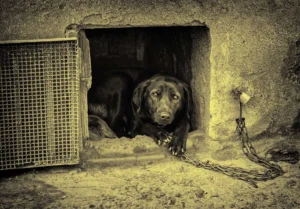
For decades, dog training was heavily influenced by the same "red in tooth and claw" mindset, often leading to a focus on the trainer as the "alpha" or "leader" who must dominate the animal to maintain control. However, as we have learned from the work of Altmann and Strum, dominance is rarely the sole driver of social stability in nature.
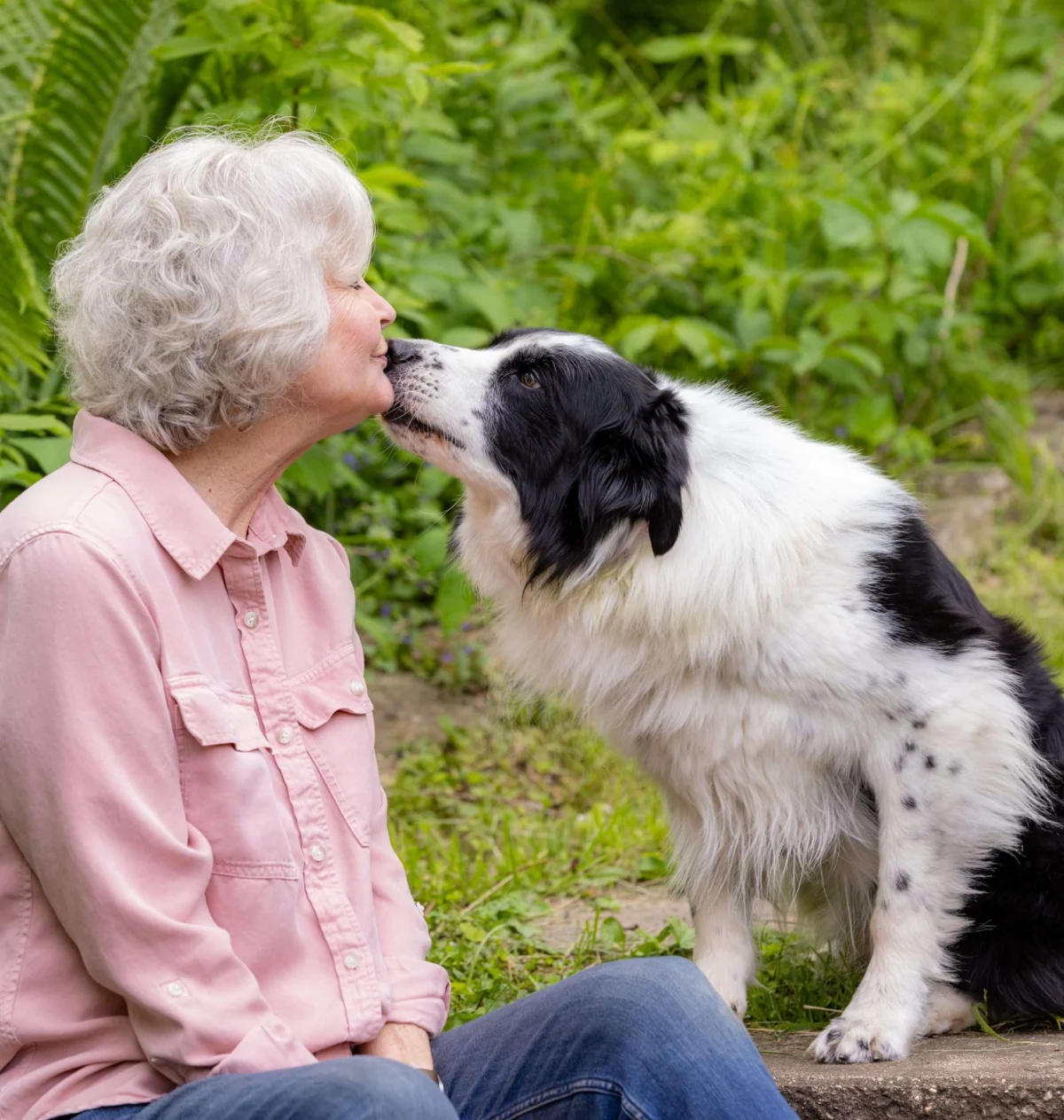
If we view animal behavior through the lens of cooperation, reciprocity, and the "light blue of the heart and soul" rather than just aggression, we move toward a training philosophy based on partnership. This acknowledges that an animal’s social health and its relationship with its human counterparts are built on trust, clear communication, and shared goals, rather than the forced imposition of a hierarchy.

A Historical Context: The 1970s Climate
It is impossible to discuss the work of these women without acknowledging the social environment of the 1970s. This was an era where the barriers to entry for women in science were immense. Jane Goodall was famously criticized for naming her subjects rather than assigning them numbers, a practice that, while standard today, was seen as "unscientific" and "emotional" at the time.
The institutional barriers were even more tangible. Women often lacked the legal and financial autonomy to conduct their work independently. As recently as the late 1960s, it was not uncommon for women to be unable to open bank accounts or hold credit cards in their own names, legally tethered to the identities of their husbands. That these researchers managed to fundamentally rewrite the textbooks of biology while operating within a system that often denied them basic professional agency is a testament to their resilience and intellectual rigor.
Conclusion: A Shift in Perspective
The scientific legacy of Altmann, Strum, and their contemporaries is not just about primates; it is about the evolution of the human perspective. By challenging the obsession with aggression, they opened our eyes to the complexity of the natural world.
As we look toward the future of animal behavior, we carry with us this refined understanding: that survival is not solely a product of the "strongest" winning, but of the most cooperative navigating their social environment with grace, intelligence, and foresight. Whether observing baboons in the wild or interacting with our pets at home, we are now better equipped to recognize the quiet, vital strength of cooperation.
Notes from the Field: Springtime Cycles
The rhythms of the natural world continue, even as we reflect on the history of science. At the farm, the annual post-shearing "smack down" among the sheep serves as a vivid reminder of the necessity of recognition and social structure. Sheep, which rely heavily on scent for identification, find themselves re-learning their social order every year once their wool—and their primary scent markers—are removed. Watching ewes like Snow White and Beyonce engage in their yearly ritual of re-establishing boundaries, while others form unlikely alliances, provides a grounding contrast to the academic study of primate societies.

Nature, it seems, is a constant balance of asserting identity and forging bonds. As we celebrate Women’s History Month, we honor the women who made sure that the "bonds" were finally given the scientific attention they deserve.