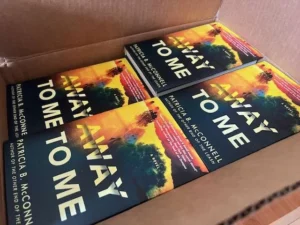
November 24, 2025 — As the holiday season approaches, animal shelters and rescue organizations across the country are bracing for one of their most challenging periods. While the spirit of giving is at an all-time high, the influx of surrendered animals often creates a seasonal crisis. In response, renowned animal behaviorist Dr. Patricia McConnell is spearheading a nationwide initiative to support shelter transitions, leveraging her seminal work, Love Has No Age Limit, to keep dogs in their forever homes.
The Core Challenge: Why Older Dogs Struggle to Transition
The transition from a shelter environment to a domestic household is fraught with complexity. While puppies are often viewed as a "blank slate," adult and senior dogs arrive with established histories, learned behaviors, and specific survival mechanisms.
Dr. McConnell’s own experience with her dog, Skip—who arrived in February 2020 with no prior exposure to indoor living—highlights the nuances of this adjustment. "He’d never been in a house as far as I can tell, or perhaps even a building," McConnell notes. Skip’s journey, which initially required the use of "fancy pants" to manage house-training challenges, serves as a microcosm for the thousands of dogs that enter homes annually with little to no experience in human environments.
The central tension lies in the misconception that older dogs should intuitively understand the rules of a home. When they fail to meet these unspoken expectations, the risk of "return-to-shelter" spikes. Love Has No Age Limit, co-authored by Dr. McConnell and Karen London, was designed specifically to dismantle this hurdle by providing adopters with a roadmap for managing the critical first few weeks of transition.

Chronology of a Mission: From Farm Rescue to Nationwide Support
The impact of the Love Has No Age Limit initiative can be tracked through its long-term success in reducing adoption returns.
- Initial Publication: Developed as a practical guide, the booklet focuses on the physiological and psychological needs of non-puppy dogs.
- Widespread Implementation: Over the last decade, shelters have reported that providing this resource to adopters leads to more stable placements. By setting realistic expectations, the guide prevents the frustration that leads to surrender.
- The 2025 Giving Tuesday Campaign: Building on years of data, Dr. McConnell has announced a major push for December 2, 2025. This initiative encourages bulk purchases of the guide—with options for 10, 50, or 100 copies—specifically for donation to local shelters and rescue organizations.
- The Gemma Success Story: The recent, triumphant integration of a dog named Gemma serves as a benchmark for the methodology. Rescued from a dire situation at an Amish farm where she had been confined to a muddy pen for two-and-a-half years, Gemma’s successful transition into a loving home with her new owners, L and K, stands as a testament to patience, socialization, and proper guidance.
Supporting Data: The Behavioral Gap in Shelters
The data is clear: education is the most effective tool for retention. Shelters operating under extreme capacity constraints often lack the personnel to provide in-depth post-adoption counseling. By distributing Love Has No Age Limit, these organizations provide a standardized, expert-vetted resource that empowers adopters to troubleshoot behavior issues before they become terminal for the adoption.
"Shelters have told us that handing out the booklet to adopters was found to significantly decrease returns and calls about behavior problems," says McConnell. This reduction is not merely a statistical improvement; it represents thousands of dogs avoiding the trauma of being returned to a kennel environment, which can often exacerbate existing behavioral issues.
Official Advocacy: A Call to Action for Giving Tuesday
Dr. McConnell’s appeal for the upcoming Giving Tuesday is both urgent and pragmatic. As she notes, "Shelters and rescues are under increasing pressure right now, and the last thing they need is adopted dogs coming back to them because the new owners didn’t know what to expect."

The initiative seeks to equip adopters with the Love Has No Age Limit guide, alongside other supportive materials like Way to Go!, which provides essential house-training guidance. The goal is to create a safety net of knowledge that covers the most vulnerable period of an animal’s life: the first 30 days in a new home.
Domestic Realities: Life Beyond the Advocacy
While Dr. McConnell’s advocacy for shelter dogs is the focal point of her work, her life on the farm provides a grounding reality. The seasonal rhythm of the farm, characterized by both successes and setbacks, mirrors the unpredictable nature of animal rescue.
From the "tree-trunk trouble" caused by a buck damaging a favorite crabapple tree—necessitating immediate intervention with deer repellent and protective piping—to the quiet observation of a local bobcat population that has effectively displaced the farm’s resident rabbit community, the farm remains a space of constant change. Even the "Cluster Clucks"—a term McConnell uses to describe the chaotic, unpredictable moments of farm life—are met with a philosophy of gratitude.
Her recent attempt at baking, resulting in a failed attempt at banana bread that required a re-evaluation of leavening agents, serves as a humble reminder that even the most expert individuals are in a constant state of learning. It is this same spirit of trial, error, and eventual success that she encourages in those adopting older dogs.

Implications for the Future of Animal Welfare
The implications of the Love Has No Age Limit initiative extend far beyond the holiday season. By shifting the focus from "puppy-only" adoption trends to the value of senior and adult dogs, the animal welfare community can better utilize the resources available in local shelters.
Key Implications Include:
- Reduced Shelter Overcrowding: By stabilizing current adoptions, fewer dogs return to the system, freeing up space and resources for new intakes.
- Resource Efficiency: Bulk distribution of educational materials is a low-cost, high-impact intervention that compensates for limited staff time in high-volume shelters.
- Community Building: Encouraging individuals to buy and donate books creates a sense of shared responsibility, turning passive supporters into active participants in the rescue ecosystem.
A Final Thought on Compassion
As we move into the final weeks of 2025, the narrative provided by Dr. McConnell is one of profound empathy. Whether it is the successful transition of a rescue dog like Gemma or the humble act of sharing knowledge to keep a dog in its home, the common thread is a commitment to the well-being of those who cannot speak for themselves.
"No matter what kind of Cluster Cluck you are living within," McConnell notes, "we all have something to be grateful for." For many, that gratitude manifests as a desire to help. This Giving Tuesday, the opportunity to support shelters is as simple as putting a book into the hands of someone who needs it.
By investing in the education of adopters, we do more than just manage behavior—we preserve the bond between human and animal. As the winter sets in, the most profound gift one can offer is the promise of a stable, informed, and loving forever home for a dog that has already seen too much of the world.