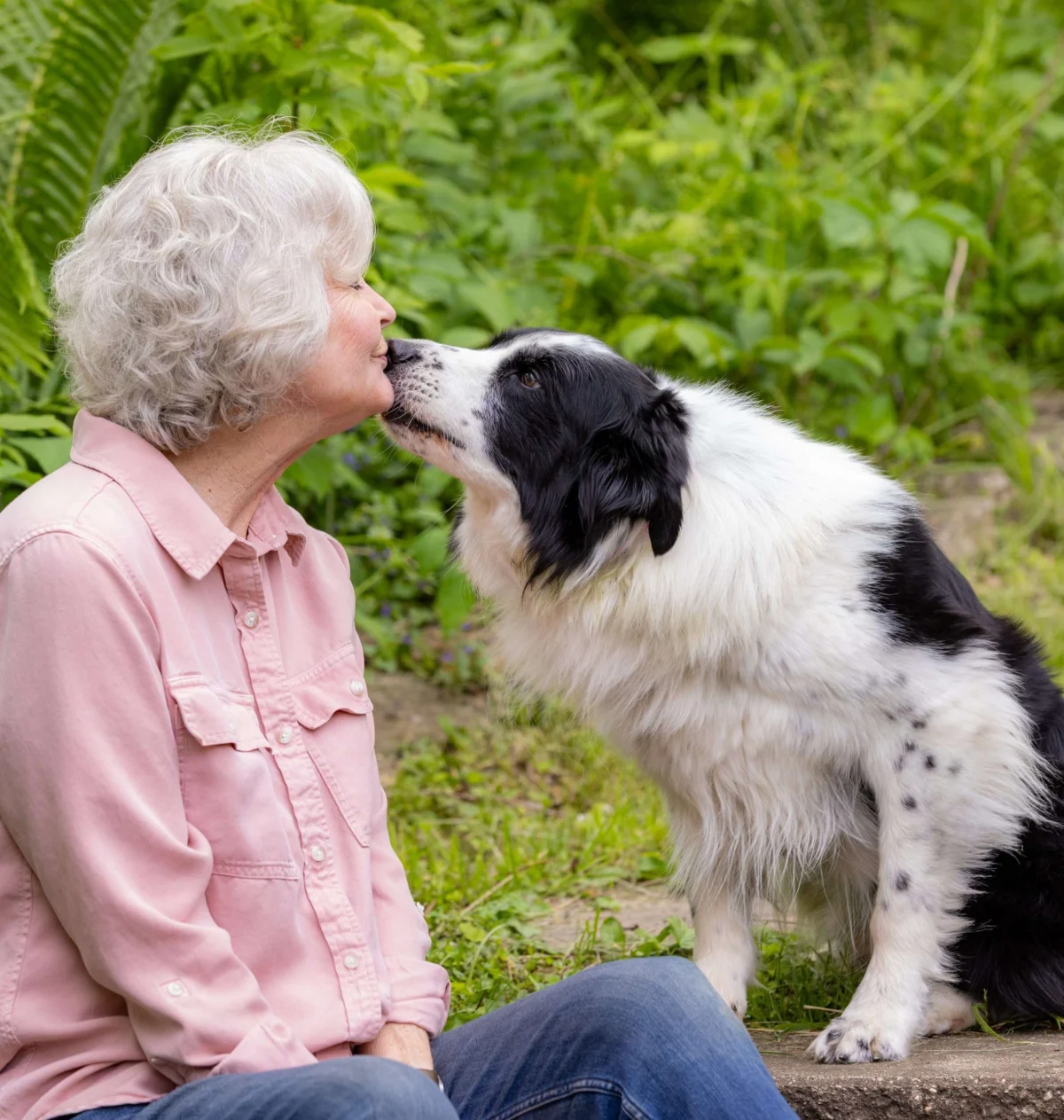
September 29, 2025 — Life on the farm is rarely a predictable affair, but the past week has offered a particularly poignant masterclass in the fragility of health, the unexpected challenges of pet guardianship, and the restorative power of art. For author and animal behaviorist Patricia McConnell, the last seven days served as a stark reminder that even the most well-prepared stewards of domestic life are susceptible to the sudden, chaotic turns of reality. From the hallowed stage of Nashville’s Bluebird Cafe to the tense, middle-of-the-night vigils for a sick companion, this week was a journey through the extremes of the human and canine experience.
The Nashville Interlude: A Moment of Musical Grace
The week began on a high note, with a trip to Nashville, Tennessee. The journey was centered around a visit with McConnell’s niece, the acclaimed singer-songwriter Wendy Piatt, who performs under the stage name "Sweetlove."

For any devotee of the American songwriting tradition, an evening at the Bluebird Cafe—a venue that served as a launchpad for legends like Taylor Swift, Garth Brooks, and Kathy Mattea—is an event of near-mythic proportions. Thanks to Piatt’s professional ties to the venue, McConnell secured a coveted seat to witness a session "in the round" featuring Jeff Trott, best known for his extensive songwriting contributions to Sheryl Crow’s catalog, alongside Phil Barton and Adam Argyle.
The experience was described by McConnell as "magical," though it underscored the physical realities of navigating health challenges. Dealing with the collective weight of chronic fatigue syndrome (CFS), POTS (Postural Orthostatic Tachycardia Syndrome), and COPD, McConnell noted the irony of her evening. Despite the profound joy of the performance, the physical toll was evident; as the show concluded at 10:45 p.m., the author found herself navigating the exit with a cane, struggling with "The Wobbles"—a self-described scientific term for the exhaustion that follows such an outing. In a moment of vulnerability and humor, she recounted a near-collision with a large trash bin, noting with a laugh that she desperately wished for a sign to clarify she was not under the influence, but merely physically taxed.

Chronology of a Crisis: The Domestic Toll
The transition from the cultural high of Nashville to the somber reality of the farm was abrupt. The return flight through O’Hare International Airport served as a stressful prologue to a week that would be defined by medical emergencies.
Tuesday to Wednesday: The UTI Crisis
Upon returning home, the household was immediately beset by illness. McConnell herself fell victim to a sudden, severe bout of sickness characterized by intense chills, while her dog, Maggie, began struggling with a urinary tract infection (UTI). The following 48 hours became a blur of interrupted sleep and high-alert nursing. Maggie required frequent trips outside throughout the night, necessitating a constant, weary watch. While a quick intervention by a local veterinary clinic provided antibiotics and relief for the infection, the respite was brief.

Saturday: The ZiZi Plant Incident
Just as the household seemed to be stabilizing, a new, more alarming crisis emerged. During a brief absence, the family dog, Maggie, ingested a significant portion of a Zamioculcas zamiifolia—commonly known as the "ZiZi" plant.
While popular in households due to its low-light requirements and aesthetic appeal, the ZiZi plant is not benign. It contains calcium oxalates, which, when ingested, cause significant irritation and burning in the mouth and digestive tract. Maggie, who is not typically known to graze on household foliage, consumed an estimated two to three cups of leaves and stems.

The resulting symptoms were distressing, involving acute pain, refusal of food and water, and repeated, violent bouts of vomiting. The incident highlighted the limitations of even the most well-informed pet owners. Despite possessing a kitchen well-stocked with pre-portioned, vet-approved, bland meals for emergency recovery, McConnell found herself unprepared for the psychological and logistical weight of a toxic ingestion event.
The Challenge of Emergency Veterinary Support
A critical component of this week’s narrative involves the struggle to secure reliable, real-time veterinary advice. During the ZiZi plant crisis, McConnell encountered the common, yet frustrating, hurdles of modern emergency medicine:

- The "Dr. Google" Gap: Initial searches provided general information regarding toxicity but lacked the granular, actionable advice needed for a dog already suffering from underlying health issues, including Stage 2 kidney disease.
- ER Misinformation: A call to a local emergency veterinary clinic resulted in generic, unhelpful advice ("withhold food, introduce rice") that failed to account for the specific chemical nature of the plant or the patient’s existing medical profile.
- Systemic Barriers: An attempt to contact the ASPCA’s poison control hotline—a gold standard for such emergencies—resulted in a dropped call after nearly an hour on hold, leaving the owner to manage the escalating situation with limited professional guidance.
Ultimately, it was the professionalism of a staff member at a second veterinary clinic that proved pivotal. By consulting with an informed assistant, McConnell was able to safely administer a previously prescribed dose of Gabapentin for pain management, allowing Maggie to eventually find comfort and sleep.
Implications for Pet Owners: Knowledge and Preparedness
The events of this week carry broader implications for all pet owners. The primary takeaway is the necessity of constant vigilance regarding household toxins. As McConnell reflected, even those with deep professional knowledge of animal behavior can overlook the risks posed by common, "non-lethal" houseplants.

Furthermore, the ordeal highlights the importance of maintaining an updated "emergency contact" list that bypasses automated systems during critical moments. When a pet is in pain, the ability to reach a human who understands the intersection of the pet’s medical history and the specific toxin ingested is irreplaceable.
The recovery process for Maggie serves as a reminder of the fragility of canine health. Following the incident, the regimen has shifted to tiny, frequent meals and close monitoring of kidney function, with a follow-up visit scheduled to ensure no lasting damage has occurred.

The Joy of the Work: Skip and the Farm
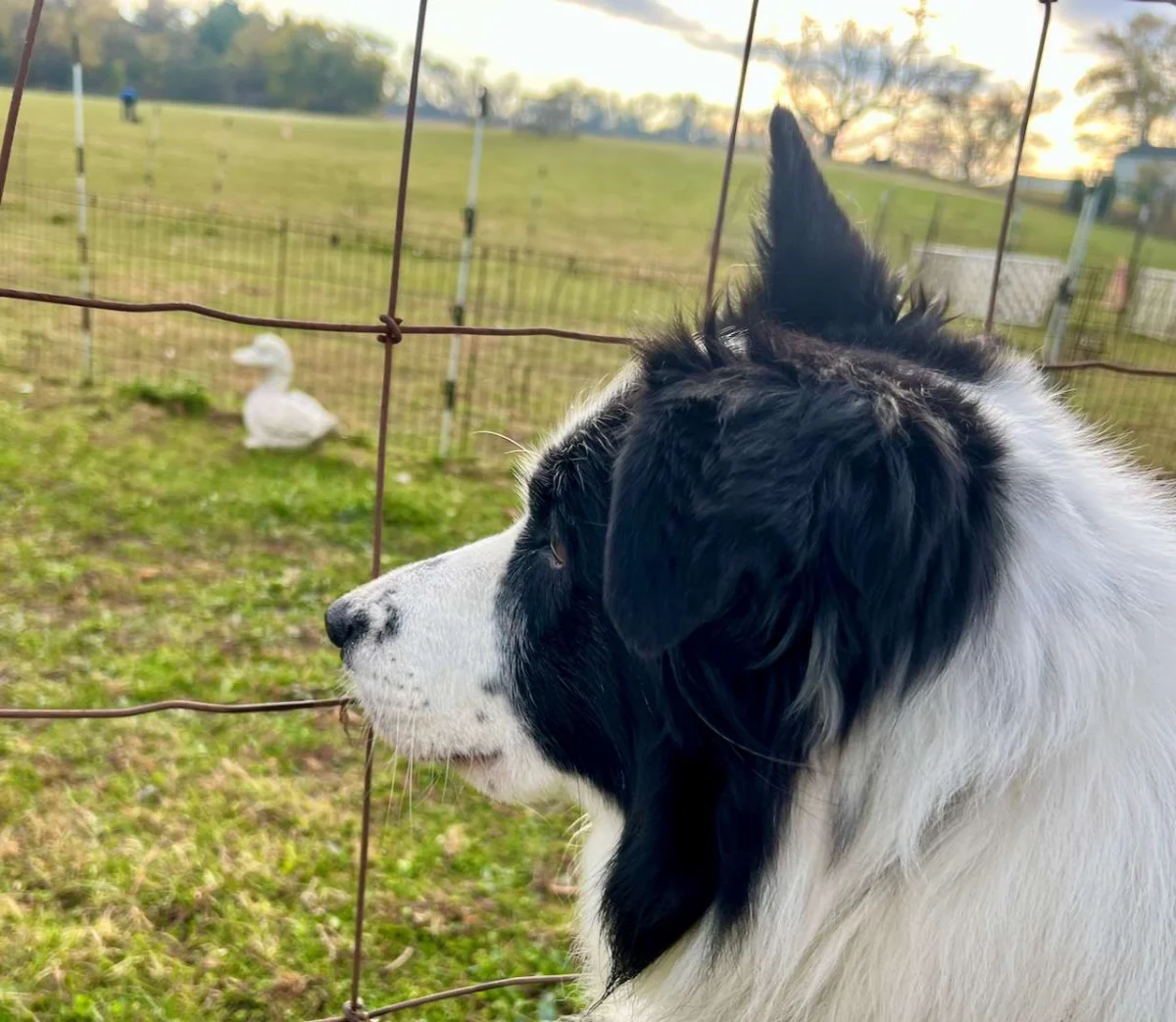
Despite the domestic turmoil, the week also provided moments of light and purpose. Skip, the farm’s sheepdog, remained a steadfast presence. In a testament to the resilience of working dogs, Skip returned to his duties at a friend’s farm shortly after the worst of the crisis had passed.
Watching Skip work—confronting a particularly cunning goat that attempted to intimidate him from the fence, and later herding sheep hidden in the shadows of the woods—provided a necessary contrast to the week’s anxieties. The interaction served as a grounding reminder that while the modern world is full of unpredictable "trash cans" and "ZiZi plants," the ancient, collaborative bond between human and dog remains a vital, restorative force.

Conclusion
As the household enters the new week, the situation is stabilizing. Maggie is returning to her normal, spirited self, and the lessons of the past few days have been absorbed. For those reading, the message is clear: protect your space from hidden dangers, be prepared for the reality that professional advice can be difficult to access in a crisis, and, perhaps most importantly, treasure the moments of magic and connection.
Whether it is the haunting melodies of a Nashville songwriter or the quiet, focused gaze of a sheepdog waiting for a command, these are the moments that provide the armor necessary to navigate the "meanwhile"—the messy, exhausting, and beautiful space of everyday life.