In the world of professional dog training, January carries a specific weight. Designated as National Dog Training Month by the Association of Professional Dog Trainers (APDT), it serves as a cornerstone for promoting positive reinforcement (R+) as the gold standard for building communication, confidence, and enduring bonds between humans and their canine companions. However, beneath the polished veneer of professional advocacy lies a raw, often messy reality: the daily struggle of living with, loving, and training animals who operate on their own biological imperatives.
For renowned animal behaviorist and trainer Patricia McConnell, this January has been a crucible of sorts—a convergence of professional insight, personal exhaustion, and the profound, humbling reality that even the experts struggle to maintain perfection.
The Reality of Coprophagia: When Instinct Clashes with Human Standards
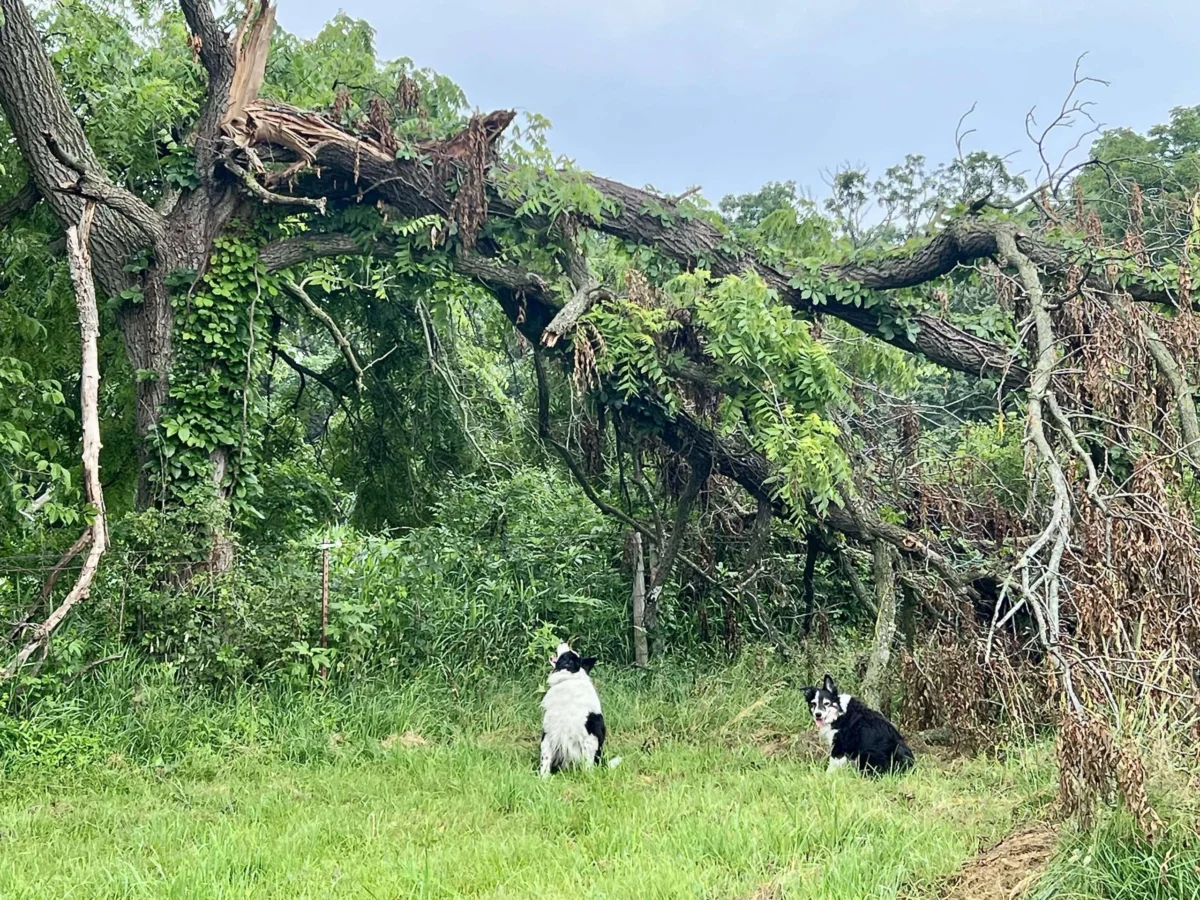
The narrative begins with a relatable, albeit visceral, struggle: Maggie, the author’s dog, possesses an obsessive affinity for coprophagia—the consumption of feces. In the depths of winter, when freezing temperatures turn discarded waste into literal “poopsicles,” Maggie’s behavior intensifies, creating a daily friction point between human hygiene standards and canine instinct.
"I said ‘leave it,’ which has worked less and less often, and she just gulped faster," McConnell recounts. For the average dog owner, such moments trigger a sense of personal failure. When the frustration of a stressful week—compounded by the health anxieties surrounding her other dog, Skip—collided with the unpleasant reality of "poop breath" and smeared cheeks, the result was a breakdown in training protocol. A sharp, grumpy reprimand replaced the calm, calculated guidance of a professional trainer.
This incident highlights a critical, often overlooked fact in the industry: even the most experienced trainers are subject to the same human stressors—exhaustion, emotional fatigue, and sensory overload—that lead to lapses in patience.
Learning from the GOAT: Federer’s 54% and the Myth of Perfection
The turning point in this narrative came from an unlikely source: the graduation speech of tennis icon Roger Federer. Often cited as the greatest of all time (GOAT), Federer’s career statistics reveal a humbling truth. Despite his dominance and his 237-week reign as the world’s number-one-ranked player, Federer only won approximately 54% of the points he played throughout his illustrious career.
This statistic serves as a profound metaphor for the dog training journey. If the most successful tennis player in history barely wins more than half of his individual efforts, why do dog owners hold themselves to a standard of 100% perfection?

"Failure is inevitable," McConnell notes. "What matters is to learn from it and move on." This perspective shift is vital for the modern dog owner. In an era where social media often showcases "perfect" recall and flawless agility runs, the reality of the daily grind—the missed cues, the human errors, and the occasional outbursts of frustration—is frequently hidden. Acknowledging that training is not a binary game of winning or losing, but a continuous process of relationship-building, is essential for long-term success.
The Power of Positive Reinforcement: Beyond Quick Fixes
As National Dog Training Month encourages, the shift toward positive reinforcement (R+) remains the most effective, science-backed approach to animal husbandry. Despite its proven efficacy, the industry still faces an uphill battle against the allure of "quick-fix" solutions.
Many contemporary pet owners, feeling overwhelmed by behavioral challenges, are drawn to board-and-train facilities that rely on aversive methods, such as electric collars. However, experts argue that the miracles achievable through R+—when paired with patience and understanding—far outweigh the temporary suppression of behaviors provided by punishment-based training.
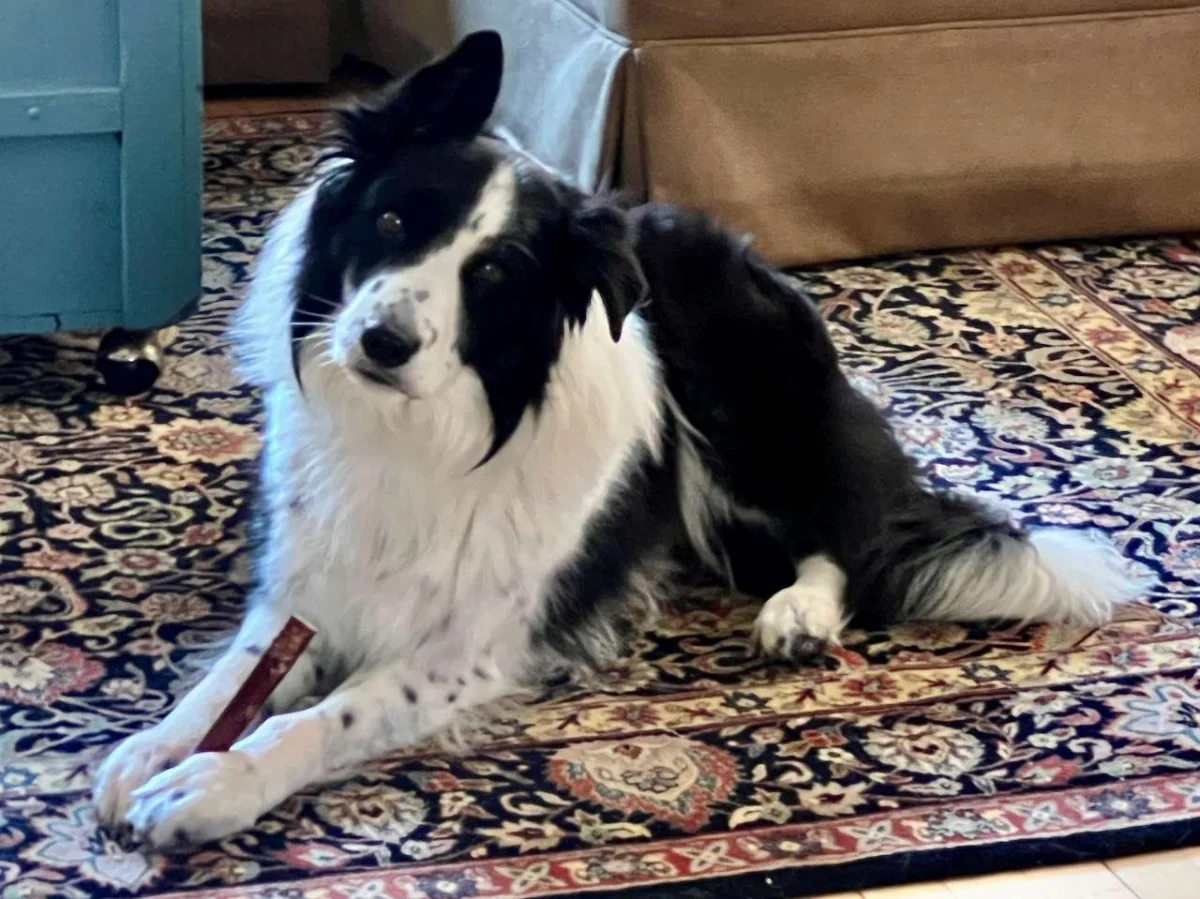
A primary example of the power of R+ is the management of Skip’s medical needs. Skip suffers from pannus, an immune-related eye disease that requires the daily application of an ointment. Unlike simple eye drops, ointments are notoriously difficult to administer; they are thick, often uncomfortable, and can be mildly painful. By utilizing the "Bucket Game"—a technique popularized by trainer Chirag Patel that allows the dog to provide consent during husbandry tasks—McConnell turned a potentially traumatic medical routine into a cooperative, stress-free interaction.
Developing a Strategy: Turning Challenges into Opportunities
Rather than continuing to view Maggie’s coprophagia as an unsolvable behavioral flaw, the author applied a structured, professional approach to the problem. By analyzing the "antecedent-behavior-consequence" (ABC) model of learning, she identified a potential path forward:
- Antecedent: Maggie discovers a scent.
- Behavior: She wants to consume it.
- Consequence: She is now being trained to "alert" her handler to the location of the waste rather than consuming it.
By leveraging Maggie’s natural scent-detection drive and rewarding her with high-value treats, the training goal shifted from "stop doing this" to "do this instead." This proactive approach not only mitigates the unwanted behavior but also strengthens the communicative bond between human and dog. It transforms a source of frustration into a cooperative game.
Chronology of a Health Scare: The Case of Skip
The stress surrounding the household was significantly exacerbated by a health crisis involving Skip. The timeline of this ordeal underscores the emotional toll that veterinary uncertainty takes on pet owners:

- Initial Diagnosis: A preliminary assessment suggested bladder cancer, a devastating prognosis.
- The Waiting Game: Five days of high-stress observation, characterized by frequent, diluted urination and abnormal bladder cell counts.
- The Turning Point: An ultrasound revealed no evidence of a tumor, effectively ruling out the primary cancer diagnosis.
- Current Status: While the cancer scare has passed, the search for the underlying cause continues. The medical team is now investigating the possibility of leptospirosis, a dangerous bacterial infection. Although Skip lacks classic symptoms, he has been placed on a course of Doxycycline as a precautionary measure while awaiting further kidney function tests.
This episode serves as a reminder that the "life" part of dog ownership—managing chronic illnesses, navigating veterinary diagnostics, and facing mortality—often occurs simultaneously with the "training" part, further complicating the owner’s emotional capacity.
Implications for the Dog Training Community
The broader implications of these events are clear: there is a desperate need for a culture of "grace" within the dog training community.
- Self-Compassion: Owners must recognize that when they fall short—when they lose their temper or struggle to implement a technique—it is not a permanent reflection of their competence. It is simply a moment of human limitation.
- Community Empathy: There is an urgent need to stop the cycle of judgment often found in online pet-parenting circles. Seeing someone struggle with their dog should elicit empathy rather than castigation.
- Holistic Wellness: Effective training is inextricably linked to the well-being of the human. One cannot effectively communicate with a dog when one is operating from a state of exhaustion, grief, or physical pain.
As we move through the remainder of National Dog Training Month, the takeaway is not that we must be perfect, but that we must be intentional. We must observe our dogs, understand their motivations, and provide them with the guidance they need, all while acknowledging our own limitations.
"Life is hard and scary and full of challenges," the author reflects. "Let’s let January be a good time to be good to ourselves, to be good to others, and to use our skills and knowledge to solve problems that are often solvable, if we can take a breath and think it through."
Ultimately, the goal of training is not the acquisition of a well-behaved dog; it is the cultivation of a relationship defined by mutual respect, grace, and the resilience to weather the inevitable, messy, and beautiful challenges of living across species. Whether it is learning to alert on a scent or finding the strength to navigate a medical crisis, the path forward is paved with patience—both for our dogs and for ourselves.