For thousands of animals entering the shelter system, the journey to a "forever home" is rarely a straight line. Often, the moment of rescue is merely the beginning of a complex, uphill battle. Many animals arrive at organizations like Animal League America not as ready-to-adopt companions, but as fragile souls struggling with the residual trauma of abandonment, the physical toll of illness, or the overwhelming sensory overload of a high-volume shelter environment.
In these critical instances, the traditional kennel setting—no matter how well-staffed or well-meaning—can become a barrier to recovery. What these animals require is not just medical intervention, but the sanctuary of a home. This is where the foster care network serves as the backbone of modern animal welfare, transforming the prospects of the most vulnerable animals through time, patience, and the profound power of domestic stability.
The Therapeutic Necessity of Home Environments
The transition from a life of neglect to a shelter environment is, for many dogs and cats, a jarring experience. Foster Care Manager Victoria Sciubba explains that the objective of the foster program is to bridge the gap between rescue and recovery.
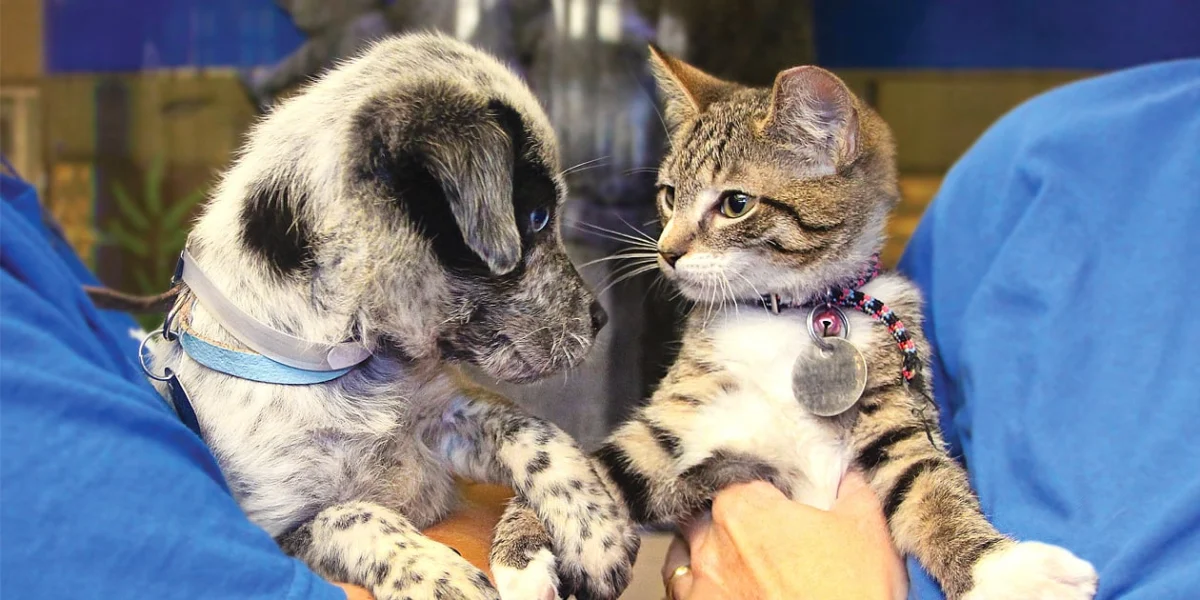
"Foster homes provide a comfortable environment for medically compromised, traumatized, underage, or undersocialized cats and dogs," Sciubba states. "It is a safe space for them to heal, learn, adjust, and overcome. In a home, an animal can decompress from the constant noise and activity of a shelter, which is often the missing ingredient in their rehabilitation."
When an animal is "medically compromised" or "traumatized," their stress levels can physically manifest, leading to weakened immune systems and a failure to thrive. By removing these animals from the clinical or communal kennel setting and placing them in a private home, foster parents provide the psychological security necessary for the body to begin its natural healing process.
Case Study: The Remarkable Recovery of Scrappy
Perhaps no story illustrates the efficacy of this approach better than that of Scrappy, a dog whose physical decline seemed inexorable while he remained in the shelter.
Scrappy’s history was already marked by instability; having been adopted as a puppy, he was returned to the shelter just two months later. The psychological toll of this rejection, combined with the stress of shelter life, manifested in a chronic, severe gastrointestinal condition. Despite a rigorous regimen of specialized diets, pharmaceutical interventions, and frequent food trials, Scrappy continued to lose weight, and his health remained in a precarious state for nearly a year.
Volunteer Connie, who had developed a close rapport with Scrappy, observed his deterioration with mounting concern. She hypothesized that the shelter environment—a place that offered safety but also constant stress—was preventing his system from stabilizing. Making a decision that would ultimately prove life-saving, Connie stepped forward to become his foster parent.
The transformation was near-instantaneous. Within a short period of living in a quiet, domestic setting, Scrappy’s gastrointestinal distress subsided, and he began to gain weight for the first time in months. More importantly, the behavioral shift was profound. A dog previously paralyzed by the fear of strangers began to engage with his environment, meeting new people and navigating novel experiences with newfound confidence. Today, Scrappy remains in foster care, flourishing under Connie’s guidance as he awaits his permanent placement.
"Foster care truly saved his life," Connie notes. Her experience serves as a powerful testament to the idea that for many animals, the remedy isn’t found in a laboratory or a vet clinic, but in the quiet consistency of a living room.

The Long-Term Impact: Sixteen Years of Service
While individual success stories like Scrappy’s define the daily impact of fostering, the broader, long-term contributions of veteran volunteers illustrate the sustainability of this model. Marilyn, a dedicated foster parent for over 16 years, represents the backbone of this movement.
Marilyn’s journey began with a simple, urgent request: to take home a litter of puppies too young to be adopted or to survive in a shelter environment without constant, individual care. That single act of kindness blossomed into a lifelong commitment. Over the last decade and a half, Marilyn and her husband have opened their doors to more than 80 foster animals. Their home has served as a transition point for a diverse array of needs—from vulnerable puppies requiring specialized nutrition to dogs rescued from commercial breeding facilities, many of whom had never experienced the touch of a human hand or the comfort of a soft bed.
Addressing the Emotional Toll: "How Can You Let Them Go?"
For many potential volunteers, the barrier to entry is emotional. The most common question asked of foster parents is: "How can you possibly let them go?"
Marilyn admits that the first goodbye was difficult, but her perspective has evolved into a philosophy of fulfillment. "When a foster leaves your home and goes to their new home, you get such a sense of accomplishment," she explains. "You’ve accomplished what you set out to do."
This shift in perspective is crucial for the longevity of the foster system. By framing the departure of an animal as a "successful mission" rather than a loss, foster parents protect their own emotional well-being and clear the path for the next animal in need.
The Broader Implications for Animal Welfare
The existence of a robust foster network has implications that extend far beyond the individual animal. When a foster parent takes a dog or cat into their home, they are effectively expanding the capacity of the shelter itself.
- Resource Allocation: By moving medically fragile or fearful animals into homes, shelters can allocate their limited kennel space to other animals in urgent need of rescue.
- Behavioral Insight: Foster parents provide invaluable data to the shelter. By observing how a dog reacts to a doorbell, a vacuum cleaner, or being left alone for an hour, foster parents provide prospective adopters with a comprehensive "user guide" for their new pet. This drastically reduces the likelihood of an animal being returned, as the match between pet and owner becomes significantly more accurate.
- Socialization: Animals that arrive with "undersocialized" labels often have no baseline for human interaction. In a foster home, they learn the rhythms of daily life—the sounds of a home, the routine of walks, and the security of a bond—which makes them exponentially more adoptable.
The Path Forward: Why Your Help Is Needed
As organizations like Animal League America continue to tackle the challenges of pet homelessness, the need for foster homes remains constant. The cycle of rescue is an endless one; for every animal that is successfully transitioned to a permanent home, there is another waiting in the wings—a dog shivering in a kennel, a cat struggling to recover from surgery, or a senior animal waiting for a second chance.
The call to action is clear: you do not need to be a professional trainer or a veterinarian to make a difference. What is required is the willingness to provide a temporary, safe space. As Marilyn puts it, "There’s always another foster that needs you. To me, that’s far more important."
The foster system is not just a support structure; it is an essential component of the lifesaving mission. It provides the healing space that brick-and-mortar shelters cannot always offer, and it gives the most vulnerable animals the dignity of a home before they find their final one. For those who choose to open their doors, the reward is not just in the photos and updates they receive from adopters, but in the silent, daily transformation of a frightened creature into a confident, beloved companion.
The question remains: who is waiting for you to open your door?