For decades, a diagnosis of Feline Infectious Peritonitis (FIP) was the silent dread of every cat owner and veterinarian. Once the clinical signs emerged—lethargy, fluid accumulation, and neurological decline—the prognosis was grim, almost universally fatal. It was a disease that operated in the shadows, leaving rescue organizations and families with few options other than palliative care.
However, a scientific breakthrough, coupled with a landmark 2024 policy shift by the U.S. Food and Drug Administration (FDA), has fundamentally rewritten the narrative for cats suffering from this devastating condition. At the center of this medical revolution is an antiviral compound known as GS-441524, a molecule that is now offering thousands of cats a second chance at life.
Main Facts: The Antiviral That Changed Everything
Feline Infectious Peritonitis is caused by a mutation of the feline coronavirus. While common feline coronaviruses are generally mild, the mutation into FIP causes the virus to replicate uncontrollably, triggering an aggressive immune response that damages the cat’s own organs.
The treatment, GS-441524, is a nucleoside analog. It works by inhibiting the viral RNA-dependent RNA polymerase, essentially preventing the virus from replicating. The compound is structurally related to remdesivir, the antiviral famously utilized during the height of the COVID-19 pandemic to treat human patients.
"The connection to remdesivir was more than just chemical," notes Dr. Mark Verdino, a prominent veterinary expert. "The global focus on viral research during the pandemic accelerated our understanding of these compounds, helping to bring greater, necessary attention to the plight of cats suffering from FIP. It turned a niche veterinary problem into a recognized medical priority."
For years, the drug existed in a legal gray area. Because no FDA-approved version was commercially available, desperate pet owners were forced to source "black-market" versions of the drug from overseas. These unregulated formulations often lacked quality control, leading to inconsistent dosages, unknown purity levels, and the constant fear of being scammed by illicit suppliers. Today, the landscape has shifted: veterinarians can now legally prescribe compounded versions of the drug, ensuring that the medication is safe, accurately dosed, and overseen by a licensed medical professional.
Chronology: The Long Road to Regulation
The trajectory of GS-441524 is a story of grassroots advocacy meeting regulatory evolution.
2018–2020: The Underground Era. During this period, the efficacy of GS-441524 was established through clinical research, but the drug remained inaccessible through traditional veterinary channels. Rescue organizations began sharing information on private forums, identifying overseas suppliers. Families were often left to self-administer treatments, sometimes spending upwards of $8,000 per cat.
2021–2023: Increasing Pressure. As the survival rates for cats treated with the smuggled drug became impossible to ignore, the veterinary community began lobbying for a pathway to legal access. The burden of cost and the risks associated with unregulated medicine were deemed unsustainable by major animal welfare groups.
2024: The FDA Policy Shift. In a landmark move, the FDA announced that it would exercise enforcement discretion regarding the compounding of GS-441524. This allowed veterinarians to prescribe a reliably compounded oral formulation for FIP, provided that the drug is prepared by a licensed pharmacy under strict quality standards. This policy effectively ended the era of "black-market" dependency, moving the treatment into the light of clinical practice.
Supporting Data: The Case Studies of Crayon and Violet
While the science is compelling, the true impact is best measured in the recovery of individual animals. Take the case of Crayon, a young cat whose future was once in doubt. A volunteer at a local rescue organization noticed the telltale signs of illness: a lack of appetite, a change in disposition, and a sudden drop in energy.
"The veterinary team moved with extreme speed," says Kate Haselbauer, a volunteer who worked closely with Crayon. "Because we had access to the new, legal treatment protocol, we didn’t have to wait for a miracle. We had a prescription, a schedule, and a path forward."
Crayon responded with startling efficiency. Within weeks of starting the antiviral regimen, her playful demeanor returned. To an observer, she is now indistinguishable from any healthy, high-spirited kitten. "You’d never know she ever had a moment of concern," Haselbauer notes.
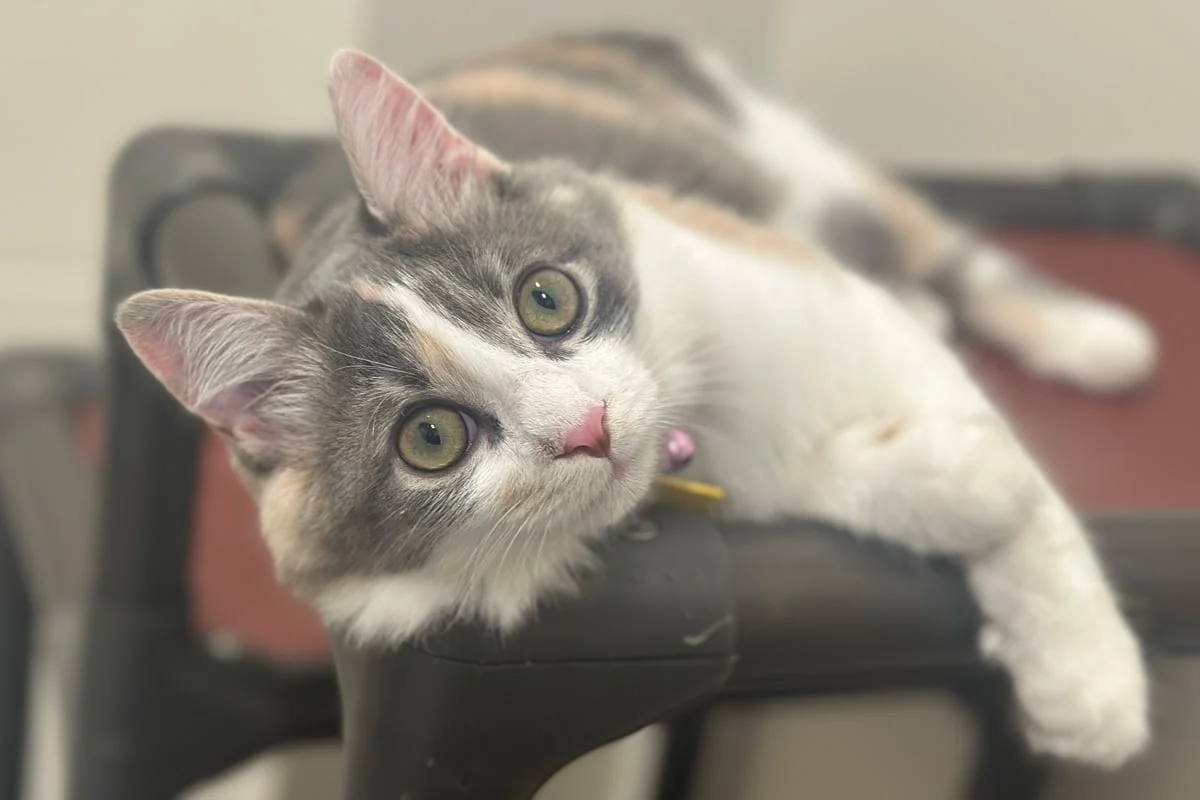
Violet, another feline patient, tells a similar story. Having completed her intensive treatment phase, she is currently in the "observation period"—a critical time during which veterinarians monitor the cat for any signs of relapse. Violet has emerged from the fog of FIP with such vigor that her caretakers jokingly remark she is now "too energetic" for her own good, actively seeking a permanent home that can match her newfound zest for life. These cases serve as tangible evidence that FIP, once a death sentence, is now a manageable chronic condition.
Official Responses and Medical Oversight
The shift toward legal access has not meant that the treatment has become "easy" or "inexpensive." Veterinary experts are quick to manage expectations. The treatment requires a significant commitment of time, money, and emotional labor.
"It is not a magic pill you pop once and move on," Dr. Verdino explains. "The treatment protocol requires careful, daily monitoring. We have to watch liver values, kidney function, and overall neurological status. Furthermore, the observation period is not optional. Relapse is a risk, and we have to be vigilant."
The cost remains a hurdle for many shelters and families. While the current price is far lower than the exploitative black-market rates of the past, the compounding process and the necessity of diagnostic monitoring mean that treatment is still a financial undertaking. However, the difference is that the money spent now goes toward quality-controlled medicine and professional care, rather than into the pockets of anonymous, unregulated distributors.
Veterinary clinics across the country are now developing internal protocols for managing these cases, moving from a position of helplessness to one of proactive clinical management. Organizations like the Winn Feline Foundation and other veterinary research bodies continue to track outcomes, providing data that will eventually lead to even more efficient delivery methods and potentially lower costs for the end user.
Implications: The New Normal for Feline Welfare
The legalization of GS-441524 has profound implications for the future of animal welfare.
First, it validates the role of the veterinary professional in critical care. By bringing the treatment of FIP into the clinic, the FDA has empowered veterinarians to take ownership of the disease. This fosters a better doctor-client relationship, where the pet owner is supported by evidence-based medicine rather than forced to navigate the chaos of the internet.
Second, it changes the economics of rescue. For years, shelters were forced to euthanize cats with FIP because they lacked the resources to manage the illegal, expensive, and risky treatment options. Now, rescue groups can justify the investment in treatment, knowing that the likelihood of a successful, healthy outcome is high. This will inevitably save thousands of lives annually.
Finally, the success of this antiviral treatment sets a precedent for how the veterinary industry might approach other "untreatable" conditions. It demonstrates that when science, regulatory flexibility, and public advocacy align, the boundary between "fatal" and "survivable" can be shifted.
As Crayon and Violet continue to thrive, they represent more than just two successful cases. They are the heralds of a new era. They remind us that the work of veterinary medicine is not just to manage the end of life, but to preserve it with every tool available.
"Seeing them play," Haselbauer says, watching Violet chase a feather wand across the room, "it’s not just ‘ordinary behavior.’ It’s a miracle. It’s evidence that cats who once faced a wall now have a long, open road ahead of them. That is why we do this."
As the veterinary community continues to refine the use of GS-441524, the focus will shift toward long-term data collection and ensuring equitable access. While the treatment remains a significant challenge, the days of the silent, fatal decline of FIP are coming to an end. For the feline population and the humans who care for them, the future is no longer defined by the virus, but by the vitality that follows the cure.