Main Facts: A Story of Survival
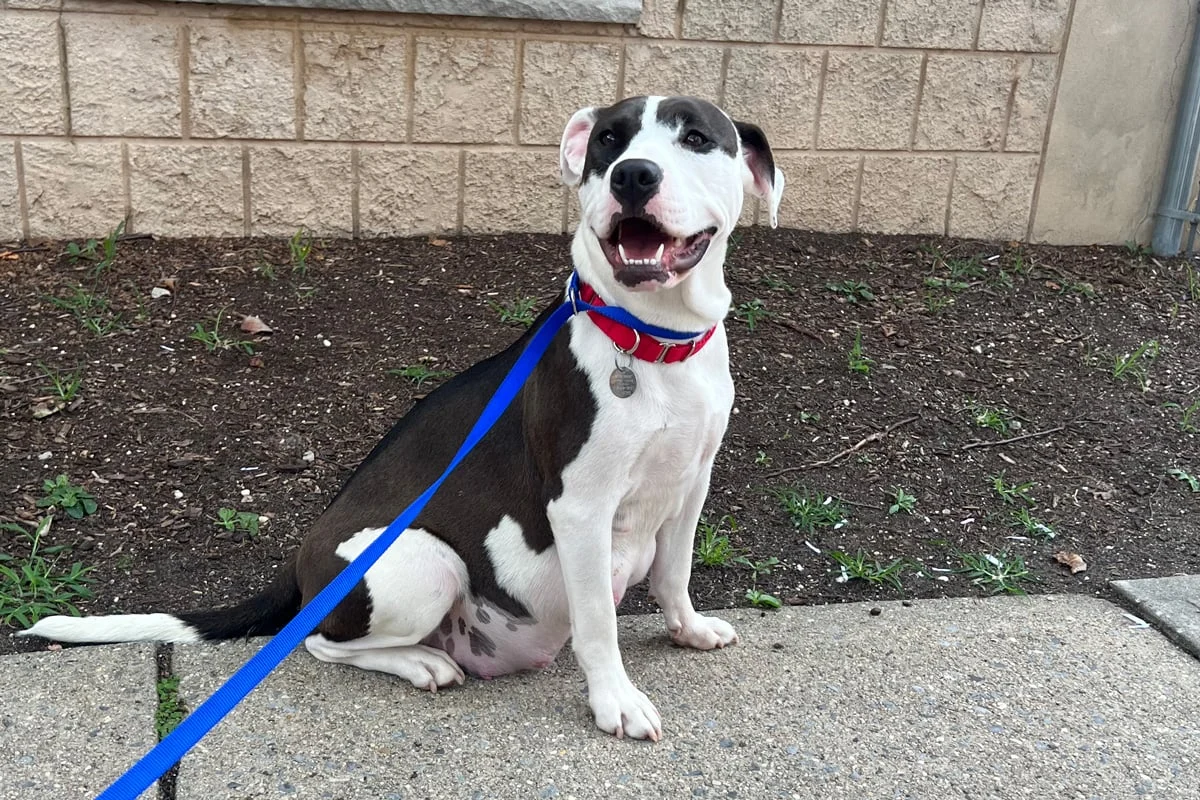
In the often-harsh landscape of animal rescue, the arrival of a pregnant, frightened, and abandoned dog presents one of the most critical challenges for shelters. When Jigsaw, a young canine whose life had already been defined by instability, arrived at North Shore Animal League America, she was essentially a puppy herself—scared, vulnerable, and facing a grim reality. In overcrowded municipal shelters across the country, pregnant animals are frequently prioritized for euthanasia due to the intensive resources and space required to manage prenatal and postnatal care.
Jigsaw’s journey, however, serves as a poignant counter-narrative to these statistics. After being surrendered by her previous owner to the Oyster Bay Animal Shelter, she was rescued by Animal League America and placed into their specialized Sponsorship Nursery. This facility, designed specifically to protect vulnerable mothers, provided the physical and emotional sanctuary Jigsaw required to navigate her pregnancy. Ultimately, her transition from a timid, abandoned stray to a confident, protective mother of eight healthy puppies highlights the life-altering impact of dedicated intervention programs.
The Chronology of a Rescue
The timeline of Jigsaw’s life illustrates the precarious nature of pet ownership and the importance of rescue networks.
Initial Placement: Jigsaw’s story began in Alabama, where she was initially adopted. At this stage, her future seemed secure, but the instability of her living environment soon became apparent.
The Surrender: In a decision that left the young dog adrift, her owner chose to relinquish her to the Oyster Bay Animal Shelter. At this critical juncture, Jigsaw was pregnant and lacked the support system necessary for a safe delivery. The timing was perilous; as a pregnant dog in a high-volume municipal facility, her chances of survival were statistically slim.
The Intervention: Recognizing the urgency of her situation, Animal League America stepped in to facilitate her transfer to their Sponsorship Nursery. Upon her arrival, caregivers noted that Jigsaw was profoundly timid. Her behavior—gentle despite her obvious fear—suggested a dog that had experienced significant upheaval but retained an innate desire for human connection.
The Recovery: The rehabilitation process was gradual. Over the subsequent weeks, the environment of the nursery allowed Jigsaw’s personality to emerge. The transition from fearful isolation to playful interaction served as a psychological breakthrough. She began to exhibit signs of domestic comfort, eventually adopting the behavior of a "lap dog," a clear indicator that she felt secure in her new surroundings.
The Birth: The culmination of the nursery’s efforts arrived with the birth of eight healthy puppies. Under the watchful eye of the rehabilitation staff, Jigsaw successfully navigated the birthing process, proving to be an exceptionally attentive and nurturing mother.
Supporting Data: The Plight of Pregnant Pets
The urgency surrounding Jigsaw’s case is not an anomaly; it is a systemic issue within animal welfare. According to data from various animal welfare advocacy groups, pregnant animals in shelters face a disproportionately high risk of euthanasia.
- Resource Intensity: A pregnant dog requires specialized nutrition, frequent veterinary monitoring, and a quiet, low-stress environment to prevent complications. Many municipal shelters, which operate on tight budgets, lack the staff and space to accommodate these needs.
- The "At-Risk" Category: In many regions, the presence of a pregnant animal in a shelter is flagged as an immediate space management issue. Because neonate puppies are fragile and susceptible to infectious diseases common in shelter environments, the risk of "fading puppy syndrome" or maternal stress-induced complications is high.
- The Impact of Sponsorship: Programs like the Sponsorship Nursery are designed to mitigate these risks by shifting the financial burden of specialized care onto donors. By providing food, vaccinations, and medical oversight, these programs effectively extend the "lifespan" of a shelter’s capacity, allowing them to take in animals that would otherwise be turned away.
Official Responses and Expert Insights
The success of Jigsaw’s journey is largely attributed to the specialized approach taken by the Animal League America staff. Joanna Wagner, the Isolation & Rehab Manager at the facility, offered a unique perspective on Jigsaw’s transformation.
"Considering how scared she was, the fact that she never showed any fear aggression toward us was quite impressive," Wagner stated. "It just goes to show that she really wanted love and safety."
Wagner’s observations underscore a critical tenet of animal behavior science: fear-based aggression is often a defensive mechanism. When an animal is removed from a state of constant, fight-or-flight survival and placed in a consistent, nurturing environment, the aggression often evaporates. The staff’s role, Wagner explains, was not to "train" the dog, but rather to "unlock" her natural maternal instincts by removing the stressors that were preventing her from thriving.
The nursery staff noted that Jigsaw’s ability to remain gentle during medical examinations was a testament to her temperament, a trait that made her an ideal candidate for rehabilitation. By providing her with the necessary medical stability, the organization was able to ensure that her transition to motherhood was as seamless as possible.
Implications: Why Programs Like the Sponsorship Nursery Matter
The story of Jigsaw and her eight puppies is more than a heartwarming anecdote; it is a blueprint for effective, compassionate animal rescue.
1. Breaking the Cycle of Abandonment
Jigsaw’s case highlights the failure of impulsive adoptions. By providing a "safety net" through the Sponsorship Nursery, organizations like Animal League America act as a buffer against the failings of previous owners. This ensures that the animal does not pay the ultimate price for human irresponsibility.
2. Multiplier Effect in Rescue
The most significant implication of this rescue is the "multiplier effect." By saving one mother, the organization ensured the survival of nine lives. This underscores the high "return on investment" regarding animal welfare; a single successful intervention has a ripple effect that extends into the future of the eight puppies, all of whom now have a chance at finding their own forever homes.
3. Community Engagement and Responsibility
The Pet Sponsorship Program serves as a bridge between the shelter and the public. It allows members of the community to participate in the rescue process, even if they cannot adopt an animal themselves. This fosters a sense of collective responsibility, shifting the narrative from "shelters as dumping grounds" to "shelters as community hubs of rehabilitation."
4. Setting a Standard for Care
The success of this program sets a high bar for other organizations. It demonstrates that with the right resources—specifically dedicated space, professional monitoring, and consistent nutrition—even the most traumatized animals can be rehabilitated. This, in turn, provides data and encouragement for other shelters to adopt similar models, potentially reducing the number of euthanasia cases involving pregnant animals nationwide.
Conclusion: A Future Built on Compassion
Jigsaw’s journey from an abandoned, pregnant dog in Alabama to a healthy, proud mother in a secure New York facility is a testament to the power of targeted, compassionate intervention. Her story serves as a reminder that every animal, regardless of its history or condition, deserves a fair chance at life.
As Jigsaw and her puppies look toward their future, the implications of their survival continue to resonate within the animal rescue community. The Sponsorship Nursery is not merely a room or a program; it is a promise. It is a promise that, in a world that often discards the vulnerable, there are institutions committed to providing the time, patience, and resources required to turn fear into confidence and despair into a new beginning. Because Jigsaw was given a chance, eight more lives have one, too—and that, ultimately, is the greatest success a shelter can hope to achieve.