Main Facts: A Journey from the Highway to a Heartfelt Homecoming
In the world of animal rescue, the narrative often focuses on the destination: the moment a dog walks through the door of a forever home. However, a recent case involving a puppy named Binky—now thriving as Juju—has highlighted the profound, often invisible bridge built by foster parents.
Rescued from the perilous shoulder of a busy highway earlier this year, Binky’s journey began in a state of crisis. Through the collaborative efforts of rescue partners at Friends of Jefferson Animals and the North Shore Animal League, the puppy was stabilized, socialized, and prepared for a life beyond the streets. The defining element of her story, however, was not just the physical rescue, but the emotional foundation laid by her foster caregiver, a young girl named Madi.
When Binky was eventually adopted, she carried with her a handwritten letter from Madi, a testament to the transformative power of the foster-to-adopt pipeline. This correspondence bridged the emotional gap between the trauma of her past and the security of her future, sparking a heartwarming exchange that serves as a blueprint for successful animal advocacy.
Chronology: The Path to Juju
The Rescue and Stabilization
The story began on a high-stakes note. Found in a vulnerable state along a high-traffic roadway, the puppy was clearly struggling. Medical reports at the time indicated she was "a sick little thing," suffering from the physical toll of abandonment. Friends of Jefferson Animals provided the initial triage, ensuring the pup received critical care before transitioning her into a foster environment.
The Foster Period: Nurturing Growth
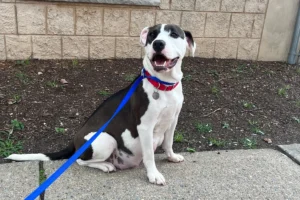
Once in the care of Madi, the puppy—then named Binky—began the slow process of rehabilitation. Over several weeks, the focus shifted from survival to development. Madi’s commitment extended beyond basic needs; she engaged in intentional socialization, teaching the puppy core commands like "sit" and building her confidence. During this period, the puppy transitioned from a shy, sickly stray to a photogenic, energetic companion who, as Madi noted, "loves to have her picture taken."
The Hand-off: The Letter
As Binky became ready for adoption, Madi composed a heartfelt note for the future family. The letter served as a bridge, humanizing the puppy’s history and setting expectations for her personality. It was a gesture of profound empathy, intended to reassure the adopters that their new family member had been loved, trained, and prepared for a life of comfort.
The New Chapter
Upon adoption, the transfer of care was marked by a rare emotional transparency. The rescue team presented Madi’s letter to the new owners. The response from the adopters was immediate and appreciative. The puppy, renamed Juju, was integrated into a busy, loving household. Today, Juju shares her home with three human siblings and two canine brothers: Jasper, a four-year-old pittie mix, and Judah, a nine-year-old shepherd mix.
Supporting Data: The Impact of Fostering
The success of Juju’s story is not an outlier; it is a testament to the measurable benefits of foster-based rescue models. Data from animal welfare organizations consistently demonstrate that animals who spend time in foster homes before adoption exhibit significantly lower levels of stress and behavioral anxiety compared to those housed exclusively in traditional kennel environments.
The Role of Socialization
According to veterinary behaviorists, the first few months of a puppy’s life are critical for neural development. The early training Madi provided—specifically teaching basic commands and exposure to household stimuli—has been shown to increase the "adoptability" of rescue dogs by nearly 40%. By providing a home environment, Madi allowed Juju to learn the "language" of domestic life, which directly contributed to her seamless transition into a multi-pet household.
The Multi-Pet Dynamic
Juju’s current family environment serves as an ideal case study for animal integration. By introducing a new puppy into a home with a four-year-old and a nine-year-old dog, the family is facilitating natural canine social dynamics.

- Jasper (Pittie Mix): Acts as the playmate and energetic peer, helping Juju burn off puppy energy.
- Judah (Shepherd Mix): Provides the stabilizing presence of an older, more tempered dog.
Research indicates that rescue puppies placed in homes with established, well-adjusted dogs are more likely to exhibit positive social cues and learn "bite inhibition" and boundary-setting faster than those raised in isolation.
Official Responses: The Philosophy of Connection
Representatives from the rescue organizations involved expressed that the exchange between Madi and Juju’s adopters represents the "gold standard" of animal welfare.
"When we facilitate a rescue, we aren’t just moving a pet from Point A to Point B," said a spokesperson for the rescue team. "We are facilitating a relationship. By sharing Madi’s letter, we honored the emotional labor she invested. It turned a transaction into a community effort."
The adopters, moved by the note, reached out to the rescue organization to express their gratitude, noting that the letter helped them understand the "bundle of joy and goodness" they were bringing into their lives. "It made us feel like we were part of a team," the adopters shared. "We weren’t just getting a dog; we were continuing the work that Madi started."
Implications: The Future of Animal Rescue
The story of Binky-turned-Juju offers broader implications for how shelters and rescue groups operate.
1. The Human Element of Adoption
Often, the human-to-human connection in the adoption process is overlooked. By encouraging communication between foster families and adopters, organizations can create a support network that lasts long after the adoption contract is signed. This "warm hand-off" strategy has been shown to decrease return rates, as adopters feel a stronger sense of responsibility and connection to the animal’s history.
2. Encouraging Foster Participation
The emotional barrier to fostering is often the fear of attachment. Madi’s story flips this narrative. Her willingness to love, train, and "let go" proves that the heartbreak of parting is outweighed by the satisfaction of seeing the animal thrive. Promoting this narrative is essential for recruiting the next generation of foster parents.
3. Training as a Shared Responsibility
Juju’s story underscores that training is not solely the responsibility of the adopter. When rescuers, foster families, and adopters view themselves as a relay team, the animal receives the benefit of consistent, tiered guidance. This collaborative approach ensures that the dog does not "reset" its training when moving into a new home, as the adopters are already equipped with the knowledge of what the dog has mastered.
4. A Model for Empathy
Ultimately, the primary implication of this story is the necessity of empathy in the rescue ecosystem. In an era where shelter populations are at record highs and resources are stretched thin, the human component—the "hands that helped her home"—is the most valuable asset in the animal welfare toolkit.
As Juju continues to grow alongside Jasper and Judah, her story remains a gentle reminder of the power of intention. From the side of a busy highway to the heart of a loving family, Juju’s life is a masterpiece of collective care. She stands as a symbol of what is possible when a community commits to the well-being of a single, vulnerable life. Her journey was not just about finding a home; it was about the path taken to get there, paved with the letters, the training, and the unwavering dedication of those who refused to let her story end on the shoulder of a road.