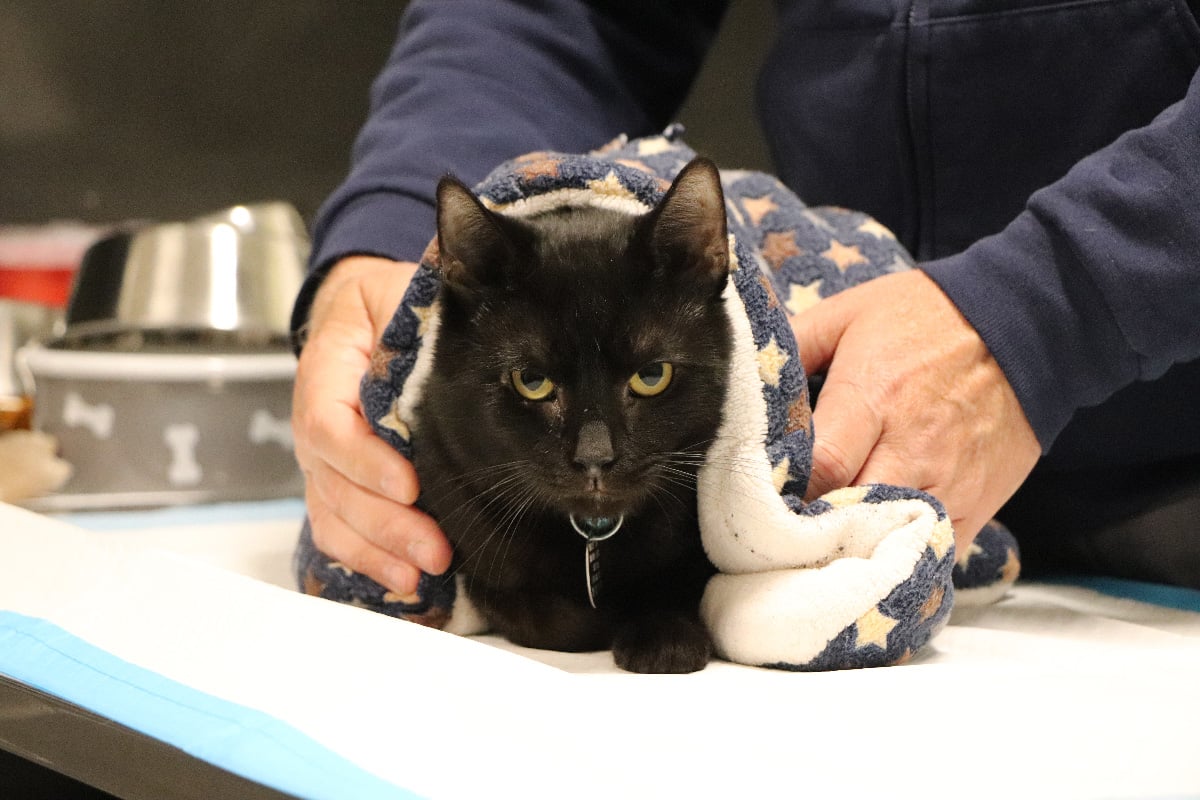
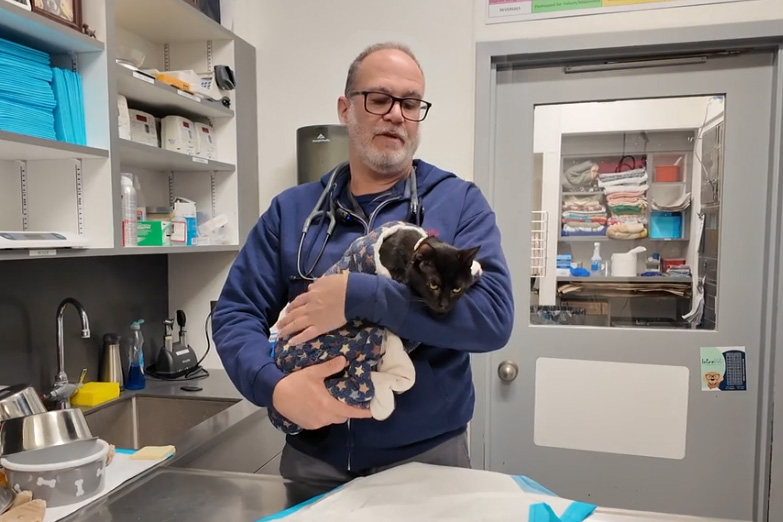
When Orzo, a shy black cat, was first rescued from a chaotic hoarding situation in upstate New York, his quiet demeanor wasn’t just a sign of a traumatic past—it was a mask for agonizing, constant pain. Today, thanks to a dedicated team of veterinary experts and a commitment to specialized care, Orzo is on the road to a life free from suffering. His story is not just one of medical recovery, but a testament to the life-saving potential of specialized rescue infrastructure.
Main Facts: The Silent Struggle of Feline Stomatitis
Orzo arrived at Animal League America malnourished and overwhelmed, but the most pressing concern was a hidden health crisis. Veterinary staff quickly identified the root of his distress: feline stomatitis.
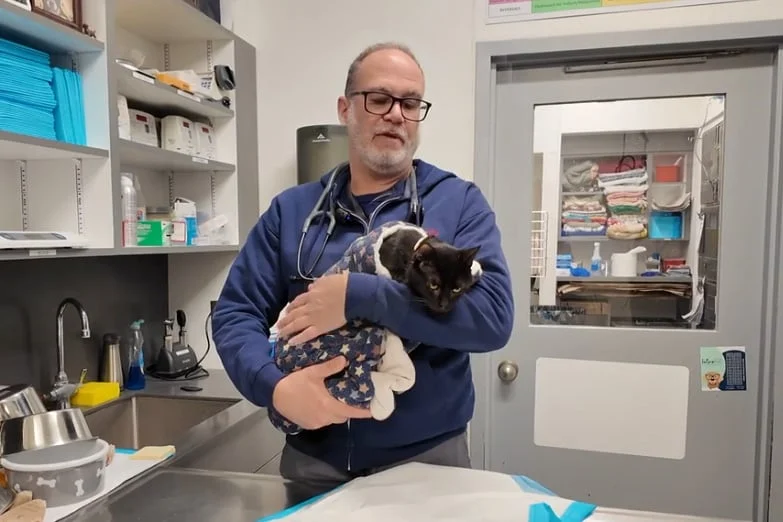
Feline stomatitis is an aggressive, immune-mediated disease that causes severe inflammation and ulceration throughout the oral cavity. For cats suffering from this condition, even the simple act of swallowing or grooming becomes an ordeal. Dr. Mark Verdino, Chief of Veterinary Staff at Animal League America, describes the condition with stark clarity: "The easiest way to explain it is that these cats are essentially having an allergic reaction to their own teeth."
For a young cat like Orzo, the diagnosis meant that his early years were likely defined by a cycle of chronic inflammation and discomfort. Without intervention, he faced a future of long-term medical management, constant pain, and a diminishing quality of life. The necessity of a high-level surgical intervention became immediately apparent.
A Chronology of Care: From Rescue to Recovery
The path to Orzo’s recovery was neither short nor simple. His journey began with his removal from an overcrowded, unsanitary hoarding environment—a situation that left him deeply distrustful of humans.
Phase 1: Diagnosis and Stabilization
Upon arrival, Orzo underwent a comprehensive medical evaluation. Rescuers noted that despite his shy temperament, he was physically unable to eat comfortably, confirming the urgency of his oral condition. Diagnostic imaging and physical exams confirmed the severity of the stomatitis, ruling out less invasive treatment options.
Phase 2: The Surgical Intervention
The turning point for Orzo was a full-mouth extraction. This specialized, high-stakes procedure required the removal of every tooth in his mouth to halt the autoimmune response. The surgery, conducted in the organization’s specialized Fried Dental Suite, was a marathon effort. "The surgery can take more than two hours under anesthesia," Dr. Verdino explained. For a cat of Orzo’s size and health, such a procedure requires precision, advanced monitoring, and a highly skilled surgical team.
Phase 3: The Behavioral Rehabilitation
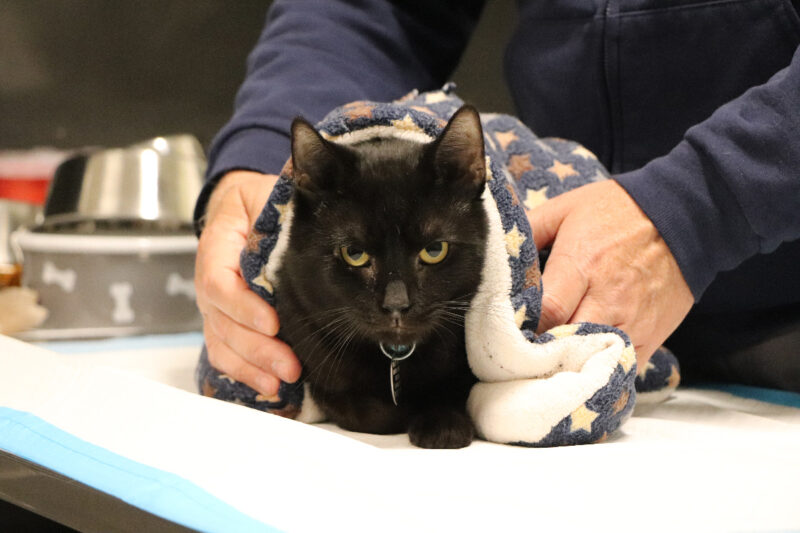
With the physical pain addressed, the focus shifted to the emotional scars left by the hoarding environment. Orzo is currently in a state of decompression. He is receiving specialized behavioral support to help him navigate his newfound comfort. Because he spent his early life in a high-stress, unpredictable environment, the team is moving at his pace, using positive reinforcement to teach him that humans can be a source of safety rather than fear.
Supporting Data: The High Cost of Compassionate Care
Orzo’s case highlights the immense financial and technical requirements of modern animal rescue. In a private veterinary setting, a full-mouth extraction can cost thousands of dollars, a barrier that often leaves pets in similar conditions without options.
- Veterinary Complexity: Feline stomatitis is not a condition that can be managed with basic medications. It requires advanced dental radiography, anesthesia protocols for compromised animals, and specialized surgical instruments.
- Facility Requirements: The availability of the Fried Dental Suite at Animal League America serves as a critical resource. Without such infrastructure, many rescue organizations would be forced to consider palliative care or, in extreme cases, humane euthanasia due to the inability to afford or perform the necessary surgery.
- Rehabilitation Metrics: Studies in animal behavior show that cats rescued from hoarding environments often require 3 to 6 months of decompression before they feel comfortable exhibiting natural social behaviors. Orzo’s timeline is consistent with these findings, emphasizing that medical care is only the first step in the rehabilitation process.
Official Perspectives: Dr. Mark Verdino on Advocacy and Intervention
Dr. Mark Verdino, who oversaw Orzo’s case, emphasized that the decision to perform the extraction was not made lightly, but was ultimately the only path to a healthy life. "The biggest concern is pain," Dr. Verdino stated. "Without surgery, he would likely spend his life uncomfortable and dependent on medication. He’s still a young cat, and this procedure gives him the best chance at living a healthy life."
The veterinary team at Animal League America views cases like Orzo’s as a core part of their mission. While the organization is known for adoption services, the internal Pet Health Centers function as a hospital capable of handling complex internal medicine, surgery, and dentistry. This integrated approach ensures that animals rescued from neglect receive the same level of care as a beloved family pet.
Implications: The Reality of Hoarding and the Need for Specialized Support
Orzo’s story serves as a broader window into the realities of animal hoarding in the United States. Hoarding situations are complex, often involving dozens of animals that have not received basic preventative care for years. When these animals are seized, the burden on rescue organizations is profound.
The Long-Term Impact
The implications of a rescue like Orzo’s are twofold:
- The Resource Gap: Most local shelters are municipal facilities with limited budgets. They often lack the specialized equipment needed for oral surgeries, specialized ophthalmology, or orthopedic care. Orzo’s survival underscores the need for robust, well-funded networks of specialized rescue centers that can step in when local shelters are overwhelmed.
- Behavioral Literacy: The industry is moving toward a more nuanced understanding of "trauma-informed" care. Just as medical needs are diagnosed, behavioral health is now treated as a distinct, actionable medical priority. Orzo’s future success depends entirely on the expertise of behavioral teams who understand how to de-escalate the anxiety of a cat that has never known a stable home.
A Brighter Future
Orzo is currently thriving in the post-operative phase of his care. While he is still learning to trust, his physical recovery has been profound. The constant, gnawing pain of his stomatitis is gone, and he is beginning to show interest in his surroundings and the people who care for him.
His journey is a reminder that while the physical recovery is quantifiable—in X-rays, anesthesia logs, and surgery times—the emotional recovery is a quiet, ongoing process of trust-building. Every day that Orzo spends in the sanctuary, gaining confidence and exploring his space, is a victory against the neglect that once defined his life.
For animal welfare advocates, Orzo is a beacon of what is possible when medical expertise meets unwavering compassion. His story calls upon the public to support organizations that provide not just temporary shelter, but the intensive, long-term medical and behavioral resources required to heal the most vulnerable animals among us. As he continues to recover, he stands as a testament to the fact that even the most damaged souls can, with time and professional care, find their way back to a life of health and happiness.