Introduction: A Promise Made in Pixels
In the world of animal rescue, hope is often measured in days, weeks, and sometimes, heartbreaking years. For Rocky, a five-year-old Catahoula Leopard Dog mix residing at Animal League America’s Port Washington Adoption Center, the calendar had become a quiet enemy. After losing the person he loved most, Rocky’s world had been upended, leaving him to navigate the sterile, often overwhelming environment of a rescue facility. Despite his exuberant personality, intelligence, and status as a volunteer favorite, the "perfect match" remained elusive.
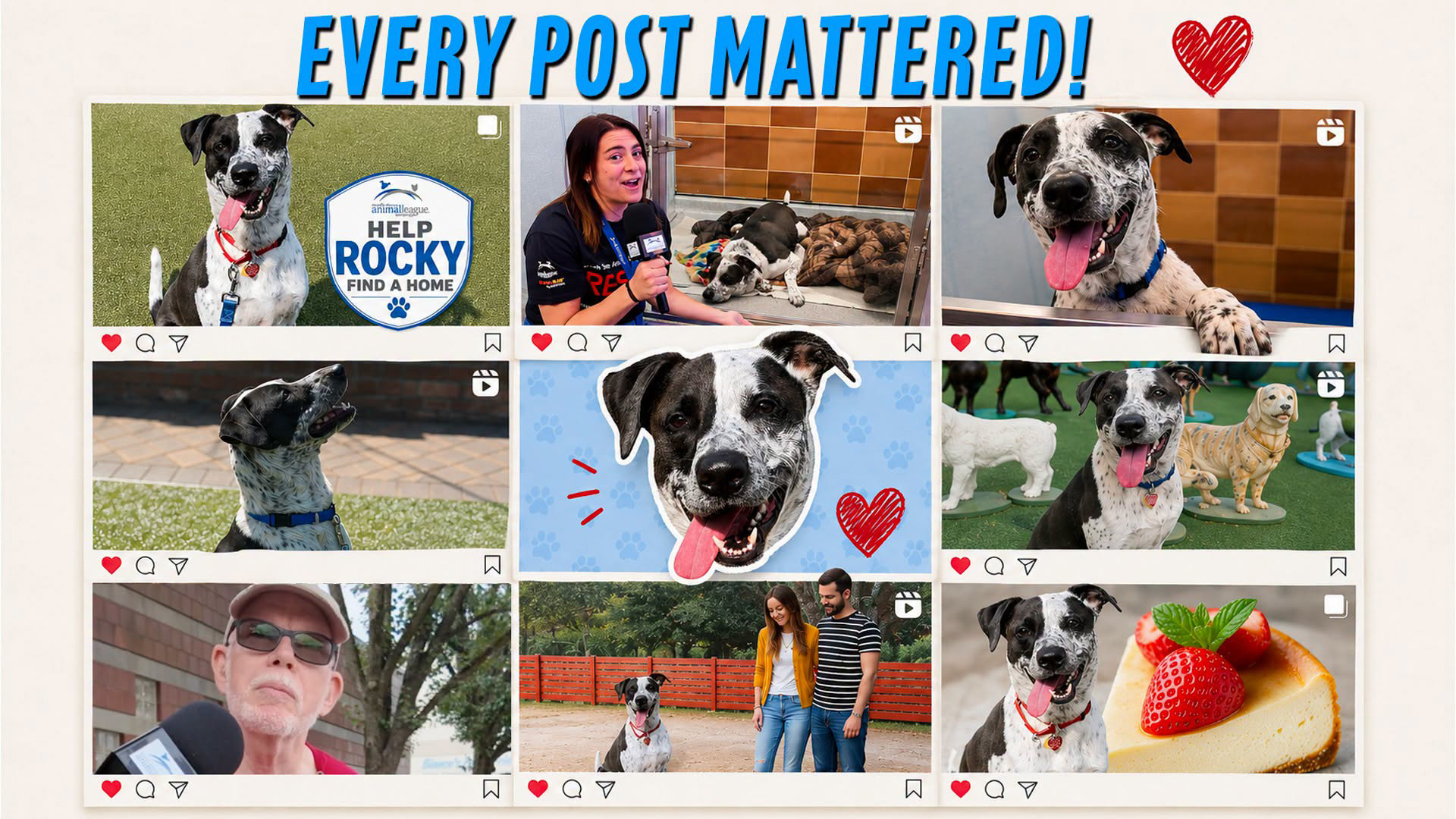
However, the trajectory of Rocky’s life changed not through a serendipitous walk-in, but through a deliberate, high-stakes commitment made by the shelter’s social media team. They made a solemn pledge: they would post about Rocky every single day until he was adopted. This is the story of how a digital campaign bridged the 200-mile gap between a lonely kennel in New York and a forever home in Massachusetts, proving that in the age of connectivity, the right story can travel further than anyone imagined.
The Chronology of a Campaign
The decision to launch the "Nine Days of Rocky" campaign was born out of a desire to break the monotony of standard adoption listings. Shelter staff realized that while Rocky was a "volunteer favorite," his profile on standard websites wasn’t capturing the nuance of his personality.
Days 1–3: Establishing the Narrative
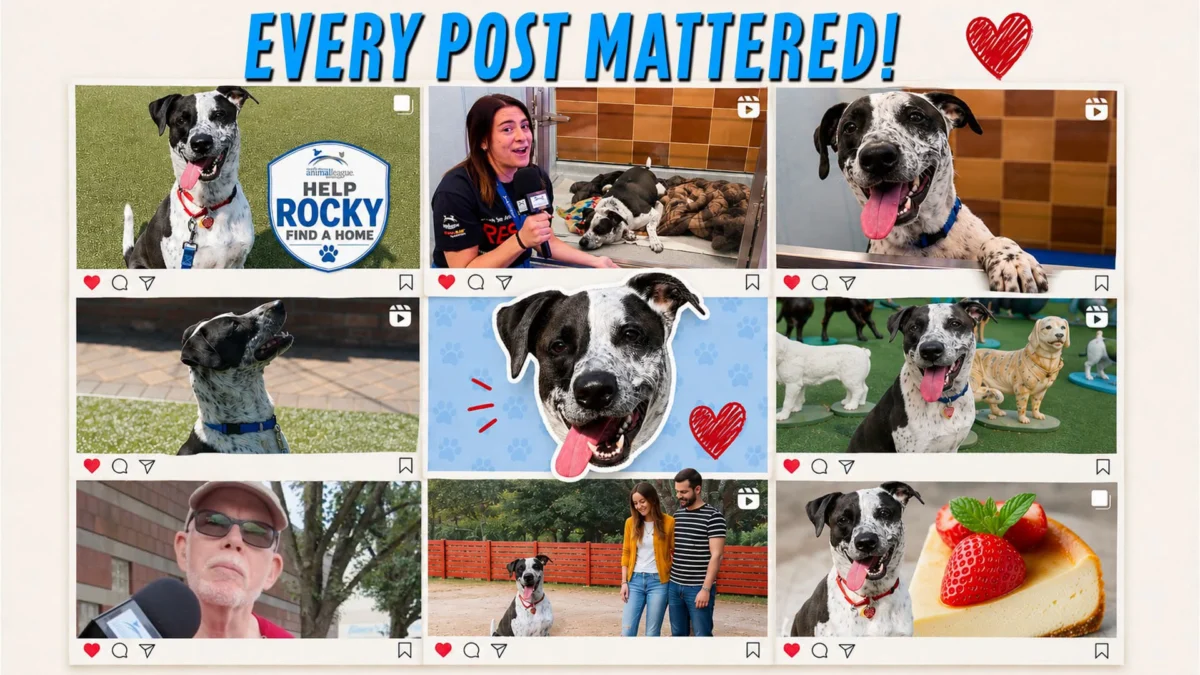
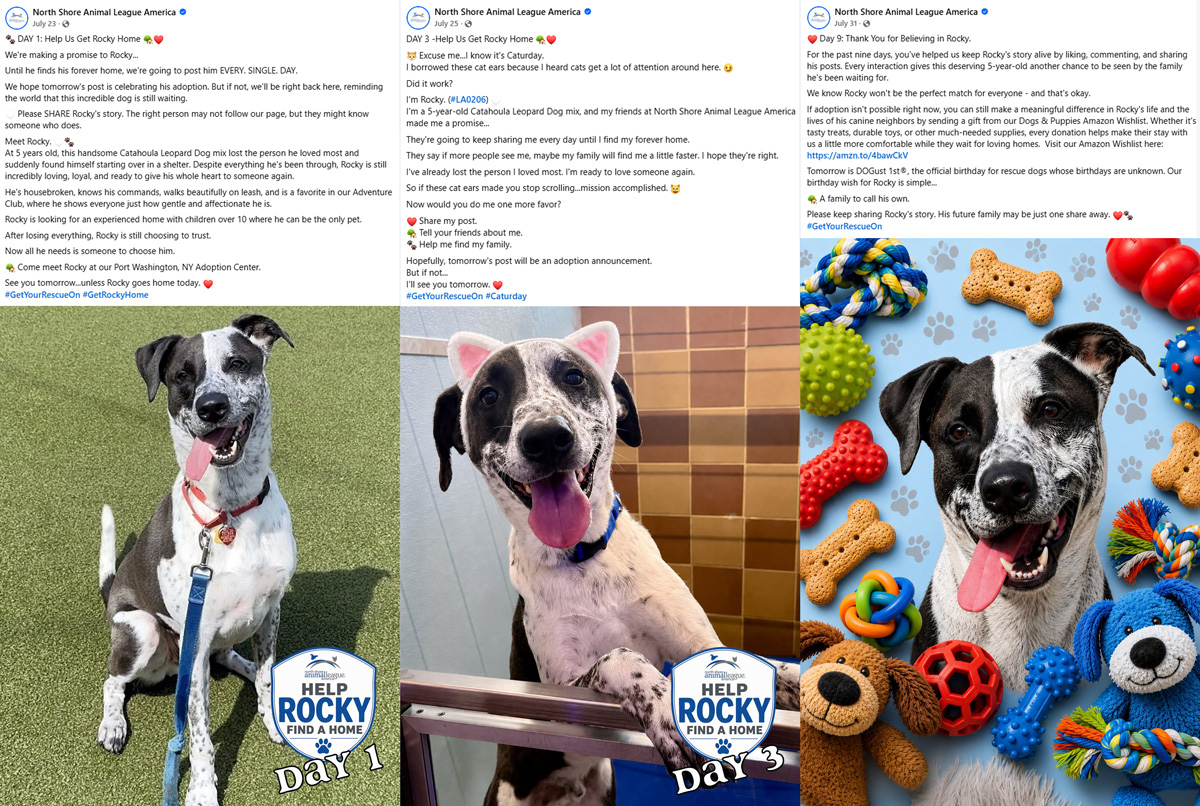
The initial posts were designed to reintroduce Rocky to the public. The team utilized high-definition photography and candid video clips to showcase his affectionate nature and his unique, striking appearance—a hallmark of the Catahoula breed. The narrative was clear: Rocky was a survivor looking for a soft place to land.
Days 4–6: The Creative Pivot
As the days progressed, the social media team shifted tactics. Recognizing that engagement on social media algorithms thrives on personality, the posts became more whimsical. They depicted Rocky’s daily routines, his favorite toys, and his "dream job" qualifications. This was the turning point; the community began to lean in. The comment sections transformed from passive observations into active rooting galleries. Supporters from across the country began sharing the posts, effectively acting as a decentralized marketing team for a dog they had never met.
Days 7–9: The Massachusetts Connection
Over 200 miles away in Massachusetts, a couple was in the early stages of searching for a canine companion. They were not looking for a puppy, but rather a dog with "soul and character." By happenstance, Rocky’s daily updates began appearing in their feeds. What started as a fleeting smile at a funny photo evolved into an intense, daily ritual of checking for updates.
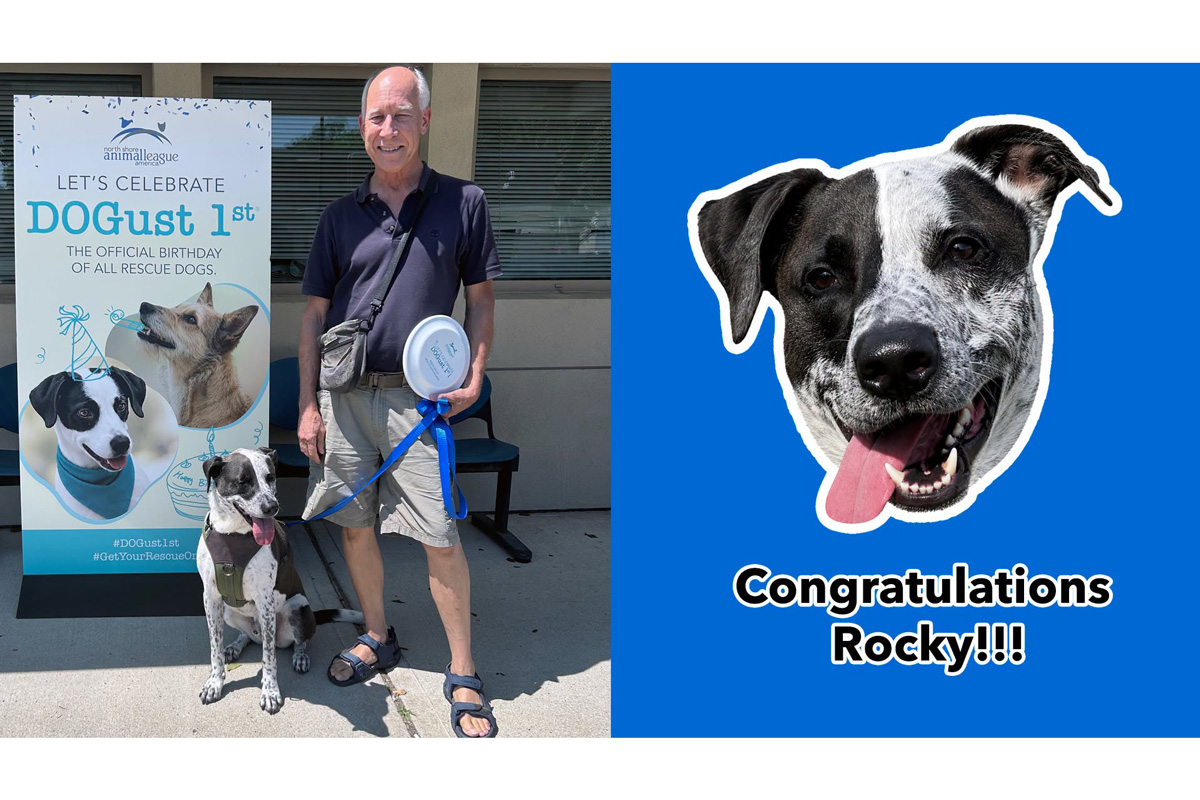
On the ninth day, the couple made a life-altering decision. They contacted the Port Washington Adoption Center and initiated the drive to meet the dog who had become a local celebrity. When they finally met Rocky, the connection was instantaneous. The promise made by the social media team—to post until he found a home—was fulfilled on the ninth day, marking the end of his shelter tenure and the beginning of his new life.
Supporting Data and the "Long-Stayer" Phenomenon
Rocky’s case highlights a systemic challenge in modern animal welfare: the plight of "long-stayers." Data from national rescue organizations indicates that dogs residing in shelters for more than six months often face a "stigma of invisibility." Potential adopters subconsciously assume that a long-term resident must have behavioral issues, when in reality, they are often simply victims of bad timing, poor visibility, or specific requirements that haven’t been adequately communicated to the public.
Animal League America’s strategy with Rocky serves as a case study in "active advocacy." By treating the dog not as an inventory item but as a protagonist in a narrative, the shelter effectively bypassed the traditional adoption barriers. The metrics of the campaign were telling:
- Engagement Rates: The cumulative reach of the nine-day campaign grew exponentially, with the final post receiving double the engagement of the first.
- Geographic Reach: The campaign proved that geography is no longer a limiting factor in pet adoption. By leveraging social media, the shelter reached an audience 200 miles away, suggesting that the "ideal" home for a shelter animal is rarely located in the immediate vicinity of the facility.
Official Responses and Shelter Philosophy
The success of Rocky’s adoption has prompted a review of communication strategies at Animal League America. Representatives from the organization emphasized that the campaign was not merely about a "cute dog," but about the power of intentional storytelling.
"We often wait for the perfect adopter to walk through our doors," said a shelter spokesperson. "But Rocky’s story taught us that we have to be the ones to knock on the doors of the community. We had to make him impossible to look away from."
The volunteers who spent years walking, training, and loving Rocky echoed this sentiment. Many expressed that the most difficult part of the process was watching him wait, yet they maintained that the emotional investment in his story—and the subsequent community support—was the catalyst needed to break his streak of bad luck. The shelter’s leadership has indicated that this "daily commitment" model will be integrated into their future efforts for other long-term residents.
Implications for Animal Welfare
The ripple effects of Rocky’s successful adoption extend far beyond the walls of the Port Washington center. His journey offers three critical lessons for the broader animal rescue community:
1. The Power of Consistency
Social media algorithms reward frequency. By committing to a daily schedule, the shelter was able to move Rocky from the "scroll-past" category into the "familiar face" category. This familiarity built trust with potential adopters who felt they knew Rocky long before they actually met him.
2. The Role of the Digital Community
Shelters can no longer function as isolated entities. Rocky’s journey demonstrated that a shelter’s reach is defined by its digital ecosystem. When a community rallies around an animal, the shelter’s resources are amplified by thousands of advocates who share, comment, and vouch for the animal, effectively performing background checks and outreach in real-time.
3. Redefining "The Perfect Dog"
The narrative shift—from "this dog is waiting for a home" to "this dog has a story to tell"—is a fundamental change in philosophy. It moves the focus away from the dog’s history of abandonment and toward his future potential. It empowers adopters to see themselves as heroes in the animal’s story rather than just patrons of a facility.
Conclusion: The Journey Continues
Rocky is currently settling into his new life in Massachusetts. While he is no longer in the spotlight of a social media campaign, his impact remains. He stands as a living testament to the idea that no animal is truly "unadoptable"—they are simply waiting for their story to be heard by the right person.
For the staff and volunteers at Animal League America, Rocky’s nine-day journey is a reminder that the work of rescue is as much about communication as it is about care. In a world that often feels divided, the simple act of sharing a dog’s story can bridge hundreds of miles and create a bond that lasts a lifetime. The lesson is clear: if you refuse to stop telling their story, the world will eventually listen, and the right home will be waiting at the end of the road.