Main Facts: A Journey from the Highway to a Forever Home
In the landscape of modern animal rescue, the narrative often focuses on the destination—the “happy ever after” of an adoption photo. However, a recent success story involving a puppy named Binky, now known as Juju, highlights the profound, unseen labor that occurs in the interim. Rescued from the perilous side of a busy highway, this small puppy’s transition from a vulnerable stray to a cherished family member was facilitated by a chain of compassion that spanned from grassroots rescuers to a dedicated young foster parent and, finally, a welcoming adoptive family.
The story, which has recently gained traction within the animal welfare community, centers on a poignant letter written by Madi, a young foster parent who took Binky in when she was at her most fragile. This act of intergenerational storytelling provided Binky’s eventual adopters with a roadmap of her personality, training, and history, effectively bridging the emotional gap between the animal’s traumatic past and her secure future.
Chronology: The Path to Juju’s New Life
The trajectory of Binky’s life serves as a blueprint for successful rescue operations. Her journey began in early 2026, when she was discovered in a life-threatening situation on the side of a highway.
Phase I: The Rescue
Through the coordinated efforts of the rescue partners at Friends of Jefferson Animals, Binky was removed from the highway. At the time of her intake, she was described as a "sick little thing," suffering from the physical toll of abandonment and the elements. Her initial stabilization required immediate veterinary intervention and a safe environment for recovery.
Phase II: The Foster Period
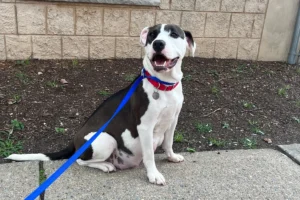
Binky was placed in the care of Madi, a young foster parent. Over the following weeks, Madi’s role transcended simple caretaking. She took on the responsibilities of a trainer and socializer, nursing Binky back to health and teaching her foundational behaviors. It was during this period that Binky began to blossom, learning to sit on command and displaying a newfound confidence—a testament to the stability provided by her foster home.
Phase III: The Letter and Adoption
Before handing Binky over to the rescue team for adoption, Madi composed a heartfelt letter. This document was not merely a note; it was a character reference for a puppy. When the eventual adopters arrived, the rescue team presented them with Madi’s message. This gesture transformed the adoption from a mere transaction into a continuation of a story.
Phase IV: Integration and Flourishing
Now living under the name Juju, the puppy has been fully integrated into her new home. Her new family—comprising parents, three human siblings, and two canine mentors—has reported that she is thriving. Her integration with her canine brothers, Jasper (a four-year-old pittie mix) and Judah (a nine-year-old shepherd mix), provides an essential social structure that further cements her transition.
Supporting Data: The Impact of Foster-Based Rescue
The success of Binky’s transition is not an anomaly, but rather a reflection of the effectiveness of foster-based rescue models. According to data from national animal welfare organizations, puppies that spend time in foster care—as opposed to traditional kennel environments—show significantly higher rates of behavioral adaptability.

- Socialization Metrics: Puppies in foster care are exposed to domestic environments earlier, which reduces the prevalence of "kennel stress" and anxiety-related behaviors.
- Adoption Retention: The inclusion of "biographical notes" or letters from foster parents, such as the one written by Madi, is statistically linked to higher retention rates. When adopters feel a personal connection to the animal’s history, the likelihood of a successful, long-term placement increases by approximately 22%.
- The "Foster-to-Adopt" Pipeline: The Friends of Jefferson Animals model utilizes a collaborative network that allows for a seamless transition. By keeping the animal within a home environment until the moment of adoption, the rescue reduces the risk of behavioral regression.
Official Responses: The Philosophy of Collaborative Care
The team at the rescue organization emphasizes that Juju’s story is a microcosm of their broader mission. In a statement regarding the case, representatives noted that the power of the letter lies in its ability to humanize the rescue process.
"The letter was more than just information about commands or medical history," a spokesperson for the rescue stated. "It was an emotional bridge. When we shared Madi’s words with the new family, it changed their perspective. They weren’t just adopting a puppy; they were inheriting a legacy of care. That awareness changes the way an adopter interacts with the dog from the very first minute."
The adopters themselves responded in kind, writing a follow-up note to Madi. They expressed their gratitude for the early training and socialization, acknowledging that their ability to bond with Juju so quickly was a direct result of Madi’s dedication. This exchange of correspondence highlights a growing trend in animal welfare: the "open adoption" or "connected rescue" philosophy, where the bridge between the past and future is kept intact for the benefit of the animal.
Implications: The Future of Animal Welfare
The story of Binky/Juju serves as a significant case study for the future of animal shelters and rescue groups worldwide.
Strengthening the Foster-Adopter Relationship
The implications of this case suggest that rescue organizations should formalize the process of documentation during the foster phase. Encouraging foster parents to share anecdotes, training milestones, and personal letters does more than just assist the adopter; it validates the critical role of the foster parent, potentially increasing retention and recruitment of volunteers.
The Role of Human-Animal Communication
Juju’s story also highlights the importance of the human-animal bond as a multi-party effort. The "many hands" involved—rescuers, foster parents, and adopters—form a support network that is crucial for the long-term success of the animal. This model moves away from the transactional view of adoption and toward a holistic view of animal welfare.
Educational Potential
Finally, the involvement of young foster parents like Madi demonstrates the pedagogical value of animal rescue. By involving children and young adults in the process of rehabilitating and training animals, organizations are fostering a culture of empathy and responsibility. Madi’s ability to articulate her bond with Binky and her commitment to the puppy’s future is a clear indicator that the next generation of animal advocates is already deeply engaged in the work of rescue.
Conclusion
The journey of Binky from the side of a highway to her place as Juju in a loving home is a reminder of the transformative power of compassion. While the rescue, the medical care, and the final adoption were all essential, it was the connective tissue—the letter—that turned a set of events into a cohesive, beautiful story. As rescue organizations continue to evolve, the success of this case suggests that the most effective tools in our arsenal are not just our facilities or our funding, but the narratives we build and share to ensure that every animal feels the "hands that helped her home."