HONOLULU — Hawaii’s fragile ecosystem narrowly avoided another potential biological disaster this October, following the successful capture of an illegal pet snake on the western side of Oahu. The incident has once again turned a spotlight on the state’s stringent biosecurity laws, the persistent black-market reptile trade, and the severe ecological threats posed by non-native species introduced to the islands.
Main Facts
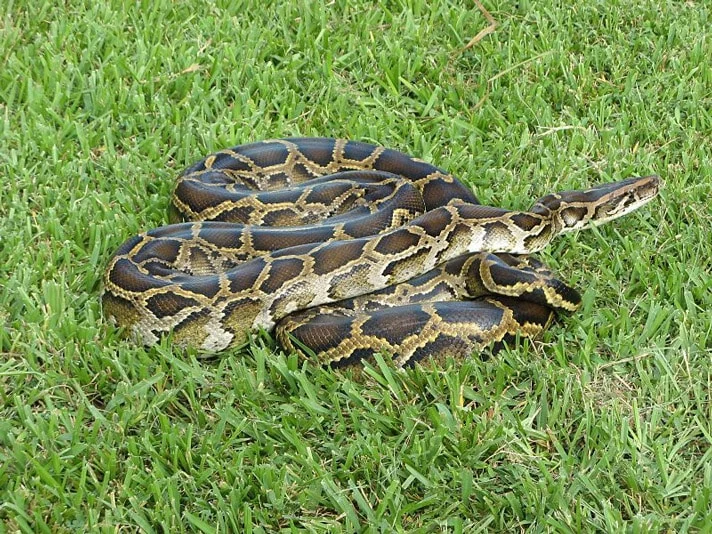
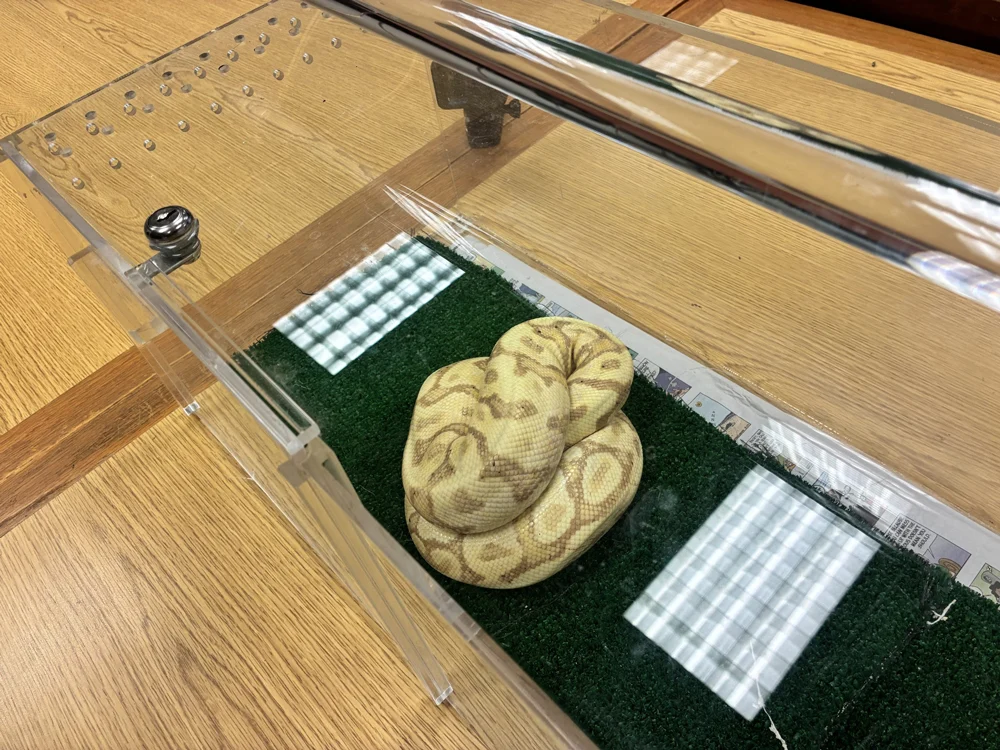
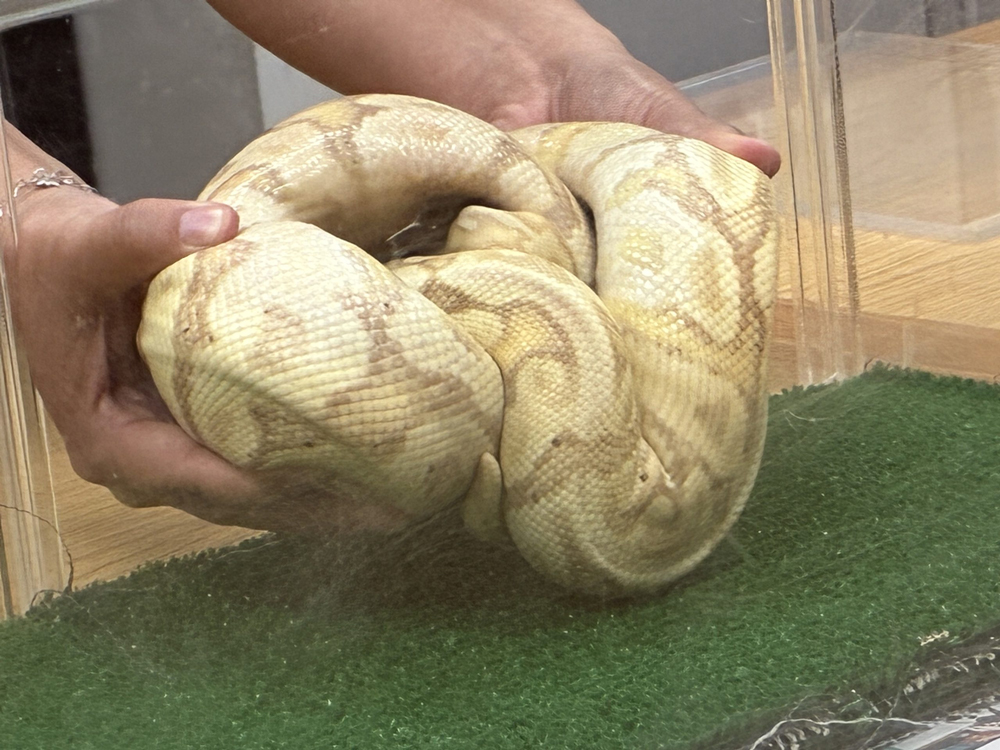
On October 17, a roughly 45-inch ball python (Python regius) was safely captured at Camp Waianae on the leeward coast of Oahu. The snake, which exhibits a striking "banana morph" color variation typically prized in the pet trade, appeared to be in excellent physical condition at the time of its recovery.
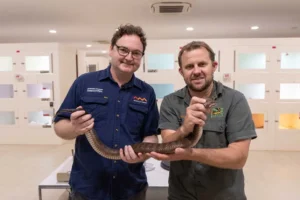
Following a multi-agency response involving local law enforcement and animal welfare organizations, the animal was transferred into the custody of the Hawaii Department of Agriculture and Biosecurity (DAB). It is currently being housed at the Plant Quarantine Branch, where specialists are conducting thorough health and veterinary evaluations.
The discovery of the reptile underscores a persistent illegal pet trade issue in Hawaii, where snakes and many other reptiles are strictly prohibited. Under Hawaii law, the unauthorized possession of illegal animals is classified as a Class C felony. Violators face aggressive legal penalties, including criminal fines of up to $200,000 and potential prison sentences of up to three years.
Despite these heavy penalties, the state maintains a compassionate and pragmatic "Amnesty Program." This initiative allows individuals currently in possession of illegal snakes, lizards, or other restricted species to surrender them voluntarily to authorities—such as agricultural inspectors, humane societies, or zoos—with guaranteed immunity from prosecution or legal repercussions.
Chronology of Incidents: A History of Ball Pythons in Hawaii
The capture at Camp Waianae is far from an isolated event. Over the past decade, wildlife and agricultural officials have documented numerous instances of ball pythons turning up in residential neighborhoods, agricultural zones, and even public facilities across the Hawaiian archipelago. Each discovery serves as a stark reminder of how easily exotic pets can slip into the environment:
- 2015 (Pearl City, Oahu): Authorities successfully captured a ball python discovered inside a residential garage, marking one of the earlier well-publicized suburban snake recoveries of the decade.
- 2016 (Maui): A severely malnourished ball python was found on a working coffee farm on the Valley Isle. Due to its poor physical condition and the biosecurity risks it posed, agricultural officials made the difficult decision to euthanize the animal.
- 2018 (Big Island): Workers at the Hawaii County South Hilo Sanitary Landfill made a startling discovery when they encountered a massive, five-foot ball python slithering near the waste disposal site, highlighting the risk of abandoned pets ending up in municipal waste streams.
- 2023 (North Shore, Oahu): An anonymous individual surrendered a ball python directly to the Honolulu Zoo, claiming the snake had been found wandering in the rural community of Kahaluʻu.
- October 2026 (Camp Waianae, Oahu): The most recent recovery involving the 45-inch banana morph ball python, which prompted a swift coordinated response from local police, the Hawaiian Humane Society, and DAB enforcement officers.
Official Responses and Inter-Agency Coordination
The safe removal of the Camp Waianae ball python highlights the critical communication network shared between Hawaii’s public safety and environmental protection agencies.
The sequence of events began when local residents spotted the reptile near Camp Waianae and immediately contacted the Honolulu Police Department (HPD). Recognizing the specialized nature of the call, HPD officers promptly alerted the Hawaiian Humane Society. In turn, the Humane Society coordinated directly with the Department of Agriculture and Biosecurity.
The DAB dispatched specialized enforcement and quarantine officers to the scene, who secured the snake without incident. Environmental officials frequently praise members of the public for reporting suspected sightings immediately, noting that community vigilance is often the first and best line of defense against invasive species establishment.
State agricultural leaders have repeatedly emphasized that enforcement alone cannot solve the influx of illegal reptiles. Public education campaigns are continuously rolled out to inform residents and tourists about the ecological devastation that a single breeding pair of snakes could cause in an environment devoid of natural predators.
Ecological Implications: Why Snakes Threaten Paradise
To understand why Hawaii reacts with such swift alarm to the presence of a single ball python, one must examine the unique and vulnerable nature of the Hawaiian ecosystem.
Unlike continental ecosystems, where native species have evolved alongside numerous predators, competitors, and diseases, Hawaii’s endemic wildlife developed in isolation. Millions of years without ground predators left many native bird species—such as the endangered palila, ʻiʻiwi, and nēnē—completely unequipped to deal with mammalian or reptilian predators. Ground-nesting birds, native insects, and small endemic mammals would be sitting ducks for adaptable constrictors like ball pythons.
While ball pythons are generally docile, constricting snakes native to the grasslands, shrublands, and open forests of western Africa, their introduction into Hawaii could trigger catastrophic ecological consequences:
- Decimation of Native Fauna: A thriving population of snakes would prey heavily on Hawaii’s declining native bird populations, reptiles, and small mammals, potentially driving fragile species even closer to extinction.
- Agricultural Disruption: Unchecked predator populations can destabilize local food webs, leading to indirect cascading effects on agriculture and forest health.
- Lack of Natural Predators: Hawaii possesses virtually no native land snakes or large predatory reptiles that could naturally regulate an invasive snake population, meaning reproduction rates could quickly outpace control efforts.
- Climate Suitability: Parts of Oahu and the broader Hawaiian islands offer a warm, humid climate year-round that closely mirrors the natural habitat of West African ball pythons. If established in the wild, these snakes could find ample shelter, water, and prey to establish a self-sustaining breeding population.
Understanding the Ball Python (Python regius)
For reptile enthusiasts, the ball python is a beloved staple of the hobby. Renowned for their docile temperament, manageable adult size, and staggering array of genetic color and pattern mutations (morphs)—such as the banana morph recovered in Waianae—they are among the most widely captive-bred snakes in the United States and globally.
- Physical Characteristics: Native to sub-Saharan Africa, ball pythons typically grow to a moderate length of about three to five feet as adults. They get their common name from their defensive habit of rolling into a tight, ball-like sphere with their head tucked safely in the center when feeling threatened.
- Lifespan: These hardy reptiles are a long-term commitment for pet owners, frequently living for 30 years or more under proper captive care.
- Husbandry Requirements: Because they are exceptional escape artists, professional herpetologists and animal welfare advocates continuously urge keepers to invest exclusively in secure, escape-proof enclosures equipped with proper locking mechanisms.
The presence of morphs like the banana variant in the wild in Hawaii strongly suggests that the recovered snake was a discarded or escaped captive pet, rather than an accidental stowaway arriving on a cargo ship or aircraft container. This points directly to the human element of the problem: owners acquiring exotic animals, only to abandon them or let them escape when the novelty wears off or care becomes inconvenient.
Conclusion and Call to Action
The capture of the ball python at Camp Waianae serves as both a success story for Hawaii’s biosecurity response teams and a sobering reminder of the ongoing challenges facing the islands. While this particular snake is now safely isolated within the Plant Quarantine Branch, officials remain acutely aware that other illegal pets likely remain hidden in homes across the state.
State agricultural authorities continue to urge anyone harboring an illegal reptile to take advantage of the state’s amnesty program. By surrendering restricted animals voluntarily, owners can protect Hawaii’s irreplaceable natural heritage while avoiding the life-altering consequences of a Class C felony conviction, massive financial penalties, and prison time.
As Hawaii works tirelessly to safeguard its unique ecosystems from the looming threat of invasive species, community awareness, responsible pet ownership, and prompt reporting remain the ultimate safeguards for the islands.