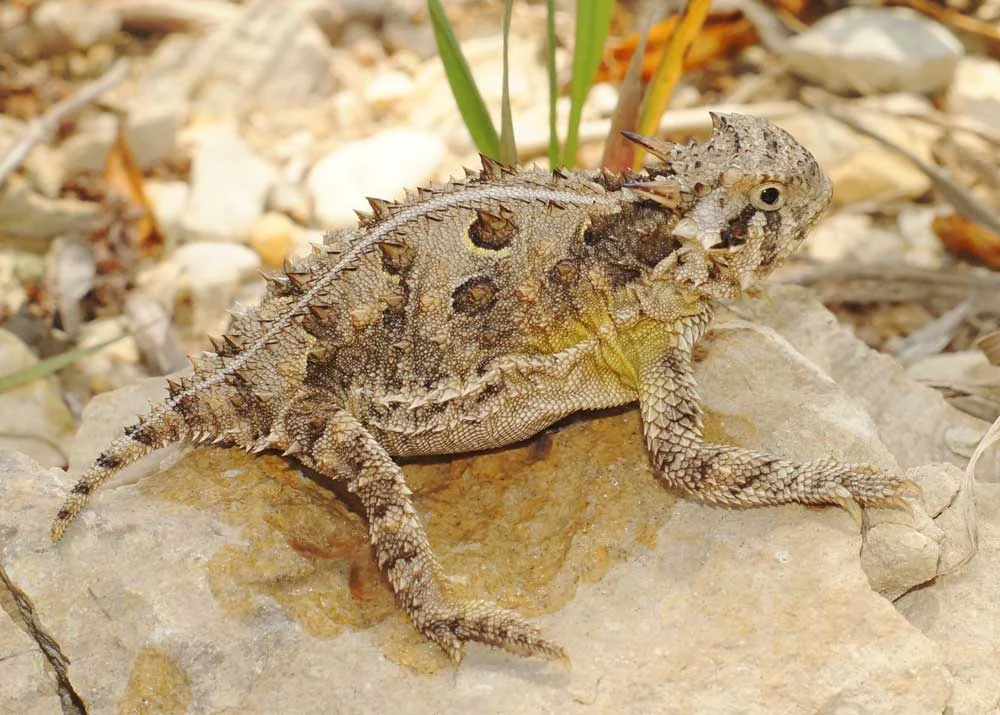
TYLER, Texas — In a major victory for regional wildlife conservation, the Caldwell Zoo has announced the successful conclusion of its sixth and most productive Texas horned lizard (Phrynosoma cornutum) breeding season to date. During the 2026 season, the zoo’s dedicated herpetology team welcomed three distinct clutches, resulting in an impressive total of 64 healthy hatchlings.
This milestone represents a critical step forward in the ongoing effort to rescue a beloved, iconic Texan reptile from the brink of localized ecological collapse. Through a collaborative partnership with the Texas Parks and Wildlife Department (TPWD), the zoo is not only boosting population numbers in a controlled setting but is actively working to restore the species to its native historic range across the Lone Star State.
Main Facts: A Banner Year for a Threatened State Icon
The Texas horned lizard—affectionately and colloquially known as the "horny toad" or "horned frog"—has long held a revered place in Texan folklore and natural history. However, its real-world status is far from mythical. Listed as a Threatened species by the state of Texas, the reptile has experienced a dramatic and deeply concerning population decline over the last several decades.
The successful hatching of 64 juveniles at Caldwell Zoo in 2026 is a testament to years of meticulous zoological planning, specialized habitat design, and intensive husbandry.
- Total Hatchlings (2026): 64 individuals
- Number of Clutches: 3
- Conservation Partner: Texas Parks and Wildlife Department
- Ultimate Goal: Head-starting juveniles to a robust size before releasing them back into protected native Texas landscapes.
While the numbers for 2026 are exceptionally encouraging, they are the byproduct of a multi-year blueprint designed to understand and overcome the notoriously difficult captive-breeding requirements of the species.
Chronology of the Breeding Season: From Courtship to Climate-Controlled Nurseries
Breeding and rearing Phrynosoma cornutum in human care is a high-stakes endeavor that requires exact environmental triggers, specialized nutritional regimens, and round-the-clock monitoring. The lifecycle of these captive-bred lizards follows a carefully timed chronological progression.
1. Tailored Habitat Construction and Mating
Months before the breeding season commences, Caldwell Zoo herpetologists meticulously prepare specialized enclosures designed specifically to mimic the natural microclimates required by mating pairs of horned lizards. These habitats incorporate precise temperature gradients, optimal substrate depths for burrowing, and specific lighting spectra that encourage natural courtship behaviors.
2. Egg Deposition and Incubation
Once breeding is successful, female Texas horned lizards typically lay between 15 and 30 eggs per clutch, though clutch sizes across the broader species range can occasionally span anywhere from 10 to 40 eggs. Females generally produce a single clutch per year.
To maximize survival rates—which are exceptionally low in the wild due to environmental hazards and predation—zoo staff carefully unearth the newly laid eggs. The eggs are immediately transferred to advanced, climate-regulated incubators. Depending entirely on ambient temperature fluctuations, incubation typically takes between six to eight weeks.
3. The Hatching Phase and Nursery Care
As the 2026 hatching window approached, staff monitored the incubators closely. Upon breaking through their leathery shells, the fragile neonates—often no larger than a human thumbnail—are swiftly transferred to a secure, climate-controlled rearing environment.
In these specialized nurseries, the young lizards are introduced to a specialized micro-diet consisting of tiny fruit flies, pinhead crickets, and freshly hatched termite larvae. As they grow stronger and larger, their dietary requirements shift, paving the way for their eventual graduation to outdoor acclimation pens ahead of release.
Supporting Data: Understanding the Biology and Vulnerability of Phrynosoma cornutum
To fully grasp the significance of Caldwell Zoo’s conservation work, one must examine the biology of the Texas horned lizard and the unique evolutionary traits that make it simultaneously fascinating and fragile.
Taxonomy and Distribution
Horned lizards belong to the genus Phrynosoma, widely considered one of the most gregarious and recognizable groups of lizard species native to North America. Within the United States, there are roughly 15 distinct horned lizard species. Among them, the Texas horned lizard (Phrynosoma cornutum) is historically the most widely distributed, once roaming across vast swathes of the American Southwest, including Oklahoma, Kansas, New Mexico, and the entirety of Texas.
Life History and Reproductive Bottlenecks
In the wild, the lifecycle of Phrynosoma cornutum is tightly bound to seasonal shifts. They emerge from hibernation in the spring, breed, and spend the warmer months foraging. Their reproduction is a slow and vulnerable process:
- Clutch Frequency: Once per year.
- Incubation Period: 6 to 8 weeks, heavily influenced by soil temperatures.
- Lifespan: Typically 5 to 8 years in the wild, though captive specimens may live slightly longer under optimal conditions.
The Ant Dependency Dilemma
One of the primary biological constraints facing the Texas horned lizard is its hyper-specialized diet. Unlike many generalist reptiles that consume a wide variety of insects, Phrynosoma cornutum relies almost entirely on harvester ants (genus Pogonomyrmex) for survival. These ants provide essential nutrients, including formic acid, which is critical to the lizards’ metabolism and long-term health.
This dietary specialization is precisely why horned lizards make notoriously poor pets. Individuals taken from the wild almost universally perish in captivity within a short time if owners cannot secure a steady, reliable supply of live harvester ants—a logistical impossibility for the average terrarium hobbyist.
Official Responses: Voices from the Frontlines of Conservation
The success at Caldwell Zoo has drawn praise from conservationists and wildlife officials across the state. In a video released by the zoo highlighting the 2026 milestone, Dallas, a key member of the zoo’s animal care team, emphasized both the excitement of the hatch and the dire necessity of the program.
"We had three different clutches, and all together, we have 64 hatchlings," Dallas shared in the feature. "This breeding program is super special and important because Texas horned lizards are disappearing throughout the state. So, working together with Texas Parks and Wildlife, we are able to breed them and have lots of little baby hatchlings, grow them up big and strong, and then be able to release them back out onto the landscape."
The cooperative framework between institutions like Caldwell Zoo and state agencies represents the gold standard for modern herpetological conservation. By combining the public outreach and husbandry expertise of accredited zoos with the field data and ecological oversight of state wildlife biologists, programs are able to bridge the gap between captive propagation and wild population reinforcement.
Implications: Why the Return of the "Horny Toad" Matters
The disappearance of the Texas horned lizard from much of its historic range is not merely an aesthetic loss for a beloved cultural mascot; it is a flashing warning sign regarding the health of southwestern prairie and desert ecosystems.
Factors Driving the Decline
The dramatic contraction of the Texas horned lizard’s range over the past 50 to 60 years can be attributed to a confluence of anthropogenic and ecological pressures:
- Habitat Fragmentation and Loss: Rapid urbanization, suburban sprawl, and the systematic conversion of native rangelands into agricultural pastures have destroyed millions of acres of prime lizard habitat.
- Agricultural Alterations: The planting of non-native, dense grasses (such as Bermuda grass) alters the open, sandy terrain that horned lizards require for basking, burrowing, and locating prey.
- Pesticide Use: The widespread eradication of native ant populations through chemical treatments directly starves the lizards of their primary food source.
- Invasive Fire Ants: The introduction and aggressive spread of the red imported fire ant (Solenopsis invicta) has decimated native harvester ant colonies. Furthermore, fire ants are known to actively prey upon juvenile horned lizards and unhatched eggs.
The Path Forward: Head-Starting and Habitat Restoration
Programs like the one at Caldwell Zoo utilize a conservation strategy known as "head-starting." By shielding eggs and neonates from the perilous mortality rates they would naturally face during their first few months of life, the zoo ensures that a much higher percentage of animals reach a size where they can evade predators, successfully hunt harvester ants, and reproduce in the wild.
However, zoological breeding is only one piece of the puzzle. Conservationists stress that releasing captive-bred lizards is futile if the underlying habitat issues are not simultaneously addressed. Long-term recovery depends heavily on:
- Restoring native prairie and shrubland environments.
- Managing invasive fire ant populations without indiscriminately destroying beneficial native insects.
- Educating private landowners on how to steward their properties to support native herpetofauna.
Conclusion
As the 64 hatchlings from Caldwell Zoo’s 2026 season continue to grow under the watchful eyes of expert herpetologists, they carry with them the hopes of a statewide conservation community. Each healthy juvenile represents a tangible step toward reversing decades of ecological decline. Through steadfast collaboration, scientific diligence, and public support, the iconic Texas horned lizard may yet reclaim its rightful place as a thriving symbol of the Texas landscape.