August 17, 2026 — For decades, the gold standard in animal training has centered on the "gym workout" philosophy: frequent, high-repetition sessions utilizing tiny, incremental food rewards. The underlying assumption has been that the sheer volume of trials is the primary engine of learning. However, a groundbreaking study published in Science this past May suggests that we may have been looking at the equation backward. By shifting the focus from high-frequency, low-value rewards to low-frequency, high-magnitude "jackpots," researchers have identified a biological mechanism that significantly accelerates cognitive acquisition and sustained engagement.
The Paradigm Shift: Quality Over Quantity
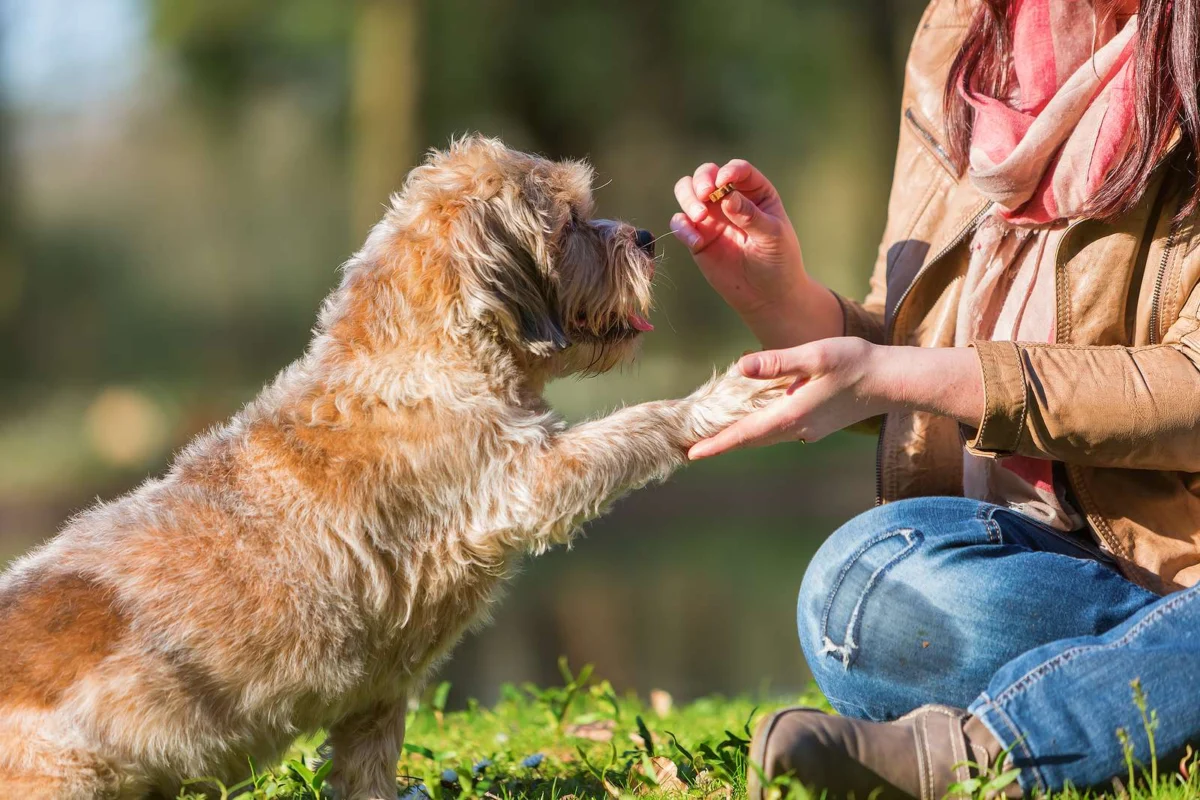
In traditional training models, trainers often deliver dozens of small treats during a single session, aiming to maximize the number of "reps." This methodology relies on the belief that consistent, small feedback loops build muscle memory and behavioral precision.

However, the recent research, authored by Gong, Martell, Dudman, and Coddington, challenges this orthodoxy. The study indicates that "very large" rewards—quantified as one to two orders of magnitude greater than standard treats—produce outcomes that fundamentally outperform the traditional high-repetition model. The findings demonstrate that larger rewards not only lead to faster learning but also foster greater efficiency in reward collection and, crucially, maintain higher levels of task engagement across sessions.
The Biological Engine: Dopamine and Motivational Salience
The mechanism driving these improvements is rooted in the neurochemistry of dopamine. Often colloquially mislabeled as a "pleasure hormone," dopamine is more accurately understood as a mediator of motivational salience—or, as the late neuroscientist Jaak Panksepp famously described it, the "seeking" system.

The study provides a compelling physiological explanation: large rewards trigger more sustained activity of dopamine (DA) neurons during the period of reward consumption. This surge in DA activity acts as a neurological catalyst, effectively "locking in" the learned behavior more firmly than the fleeting, transient spikes caused by small, repetitive treats. When the reward is substantial, the brain’s response is not merely a momentary flash of satisfaction but a prolonged state of heightened alertness and focus, facilitating a deeper encoding of the preceding behavior.
Implications for the "Dogosphere" and Professional Training
The implications of this research are particularly resonant within the dog training community, where the concept of the "jackpot"—a disproportionately large reward for a high-quality response—has long been a subject of intense debate.

The "Jackpot" Controversy
Historically, the use of jackpots has been polarized. Proponents swear by their effectiveness, noting the visible "aha!" moment in a dog’s eyes when they realize they have hit the behavioral lottery. Critics, however, have dismissed the practice as an anthropomorphic "feel-good" ritual for the trainer, often citing a lack of empirical evidence to support the claim that it produces better long-term results than a steady stream of smaller rewards.
For many experienced trainers, the evidence has been anecdotal. It has been a common practice to advocate for "multiple small treats" over a single large one, assuming that the frequency of the delivery was the more important variable. This new research provides a potential empirical backbone for those who have long utilized the jackpot method, suggesting that the neurological impact of a single large, significant reward may be far superior to the fragmented impact of multiple smaller ones.

The Question of Non-Food Reinforcement
The conversation naturally extends to disciplines where food is not the primary driver of behavior. In fields such as herding, for instance, high-level trainers often utilize "release" or "freedom" as the ultimate reward. A common technique involves alternating between difficult and easy tasks, concluding the session with a complex, high-energy outrun and fetch. In this context, the entire exercise functions as a "macro-jackpot," where the reward is not a bite of chicken, but the opportunity to perform a high-value, self-directed behavior. The question remains: can this neurological model of sustained DA activity be applied to non-food rewards? Does the feeling of a successful, long-duration "job well done" serve the same dopaminergic function as a large food prize?
A Personal Perspective: From the Field to the Laboratory
The debate over training methodology is not merely academic; it is deeply personal for those who spend their lives observing the subtle shifts in animal behavior. While the research conducted by Gong et al. was performed on mice, the parallels to canine behavior are striking.

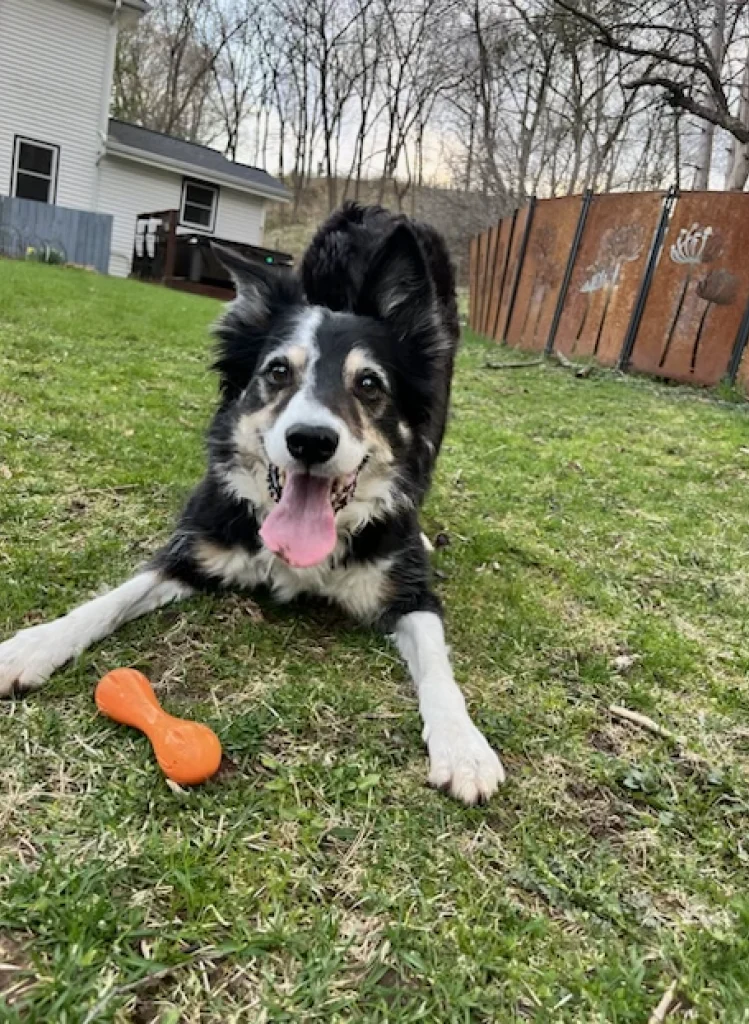
When a dog receives an exceptionally large reward, their body posture, eye contact, and subsequent enthusiasm often mirror the "dopamine dump" described by the researchers. There is a palpable shift in the animal’s engagement level that suggests they are not just receiving a snack, but are being signaled that they have achieved a significant milestone.
The next frontier for this research is clear: the dog training community is in dire need of a direct replication of this study using canine subjects. Translating these findings into a canine-specific PhD dissertation could bridge the gap between speculative "gut feeling" training methods and rigorous, evidence-based behavioral science.

Summer Reflections: Beyond the Training Ring
While the science of motivation occupies our minds, the rhythms of life continue to provide their own form of reward. A recent trip through the Great Lakes—specifically the "Michigami" (the Ojibwe term for "great water")—offered a poignant reminder of the value of experiences that, much like a jackpot, provide a magnitude of engagement that transcends the mundane.
Crossing Lake Michigan via the USS Badger—a vessel that feels like a portal to 1959—contrasted sharply with the modern, rapid efficiency of the Lake Express ferry. Between these bookends of travel, time was spent in the Petoskey area, observing the simple, unadulterated joy of local youth diving into the breakwaters. These moments of high-engagement, whether in the water or at the training field, serve as a reminder that intensity and scale matter.

We also had the privilege of visiting Tip Top Tails Dog Training near Grand Junction, where the professional commitment to positive reinforcement continues to flourish. Observing such dedicated practitioners reinforces the need to keep our training methods evolving alongside our understanding of neuroscience.
Call to Action: The Community Weighs In
As we move forward, the questions remain: Do you utilize jackpots in your training? If so, what criteria do you use to determine when a behavior earns such a reward? Furthermore, how do you handle the "jackpot" concept in tasks where food is not the currency, such as in sport, agility, or working roles?

The findings from the Science study are a clarion call for a more nuanced understanding of how we motivate our animal partners. It suggests that perhaps the most effective way to communicate with our learners is to occasionally step away from the "gym workout" mentality and instead offer a reward that is not just a treat, but a significant event.
We look forward to hearing your perspectives on this. Are we, as trainers, ready to move toward a model of higher-magnitude, lower-frequency reinforcement? Or does the comfort of the status quo still outweigh the evidence of the dopamine response? Let us continue the conversation—the science is just beginning to catch up to our experiences.