In the eyes of the law, companion animals—despite the deep emotional bonds they share with their human guardians—are classified as personal property. This stark legal reality often leads to heart-wrenching scenarios where former owners, witnessing the perceived neglect of a pet they once nurtured, find themselves powerless to reclaim their former companions. A recent inquiry from an Ohio resident highlights the complexities of this issue: Can a former owner simply "reclaim" a pet if the current owner leaves the animal in their care?
The short answer, according to legal experts, is a resounding no. To understand why, one must navigate the intersection of property law, contractual intent, and animal welfare statutes.
Main Facts: The Ownership Dilemma
The situation presented is common yet legally precarious. A resident of Ohio transferred ownership of their cat to a co-worker in December of the previous year. Having recently received reports that the animal is not being cared for to a standard the previous owner finds acceptable, the individual is now contemplating a "reclamation" strategy. The plan involves leveraging a temporary cat-sitting arrangement—offered by the co-worker during a vacation—to effectively keep the cat permanently.
The central conflict arises from a lack of formal documentation. Neither party possesses a written bill of sale or a formal transfer-of-ownership contract. The original owner holds the cat’s historical vaccination records, which they believe establishes a superior claim to the animal. However, in legal terms, possession and the act of "giving away" the animal constitute a transfer of title. Once the transfer occurred, the original owner’s legal rights to the cat were extinguished.
Chronology of a Failed Rehoming
To understand how these situations evolve, it is necessary to track the standard lifecycle of a private rehoming transaction:
- The Transfer (December): The original owner decides to part ways with the pet. Whether by gift or sale, this act is legally viewed as a transfer of chattel (personal property). Without a written agreement specifying conditions of care or a "right of first refusal" (a clause stating the pet must be returned to the original owner if the new owner can no longer care for it), the transfer is considered absolute.
- The Period of Silence: Months pass. During this time, the new owner assumes full legal responsibility. In the eyes of the state, they are the sole decision-maker regarding the animal’s veterinary care, nutrition, and environment.
- The Discovery of Neglect: The original owner becomes aware of substandard care. This is the critical turning point where emotional distress clashes with property law.
- The Proposed "Trap": The new owner asks for a favor (pet-sitting). The original owner views this as a loophole to regain possession.
Supporting Data: Why "Possession" Is Not "Ownership"
Legal experts emphasize that the original owner’s possession of vaccination records is a weak substitute for a deed of ownership. While these records demonstrate a past relationship, they do not invalidate the subsequent transfer. If the original owner were to keep the cat during the vacation, they would likely be subject to a civil lawsuit for "conversion"—a legal term for the unauthorized taking or keeping of another person’s property.
Furthermore, "self-help" repossession is highly discouraged. Taking the law into one’s own hands can lead to criminal charges, such as theft or larceny, depending on the animal’s value and local statutes. Even if the cat was a gift, the law recognizes the gift as complete once the item has been delivered and accepted. The donor generally has no right to revoke the gift simply because they disagree with how the recipient is managing the property.
Official Responses and Recourse
When an individual suspects an animal is being neglected, the legal system provides specific, albeit sometimes slow-moving, channels for intervention. The legal counsel provided to the Ohio resident is explicit: do not attempt to "keep" the cat.
1. Law Enforcement and Animal Control
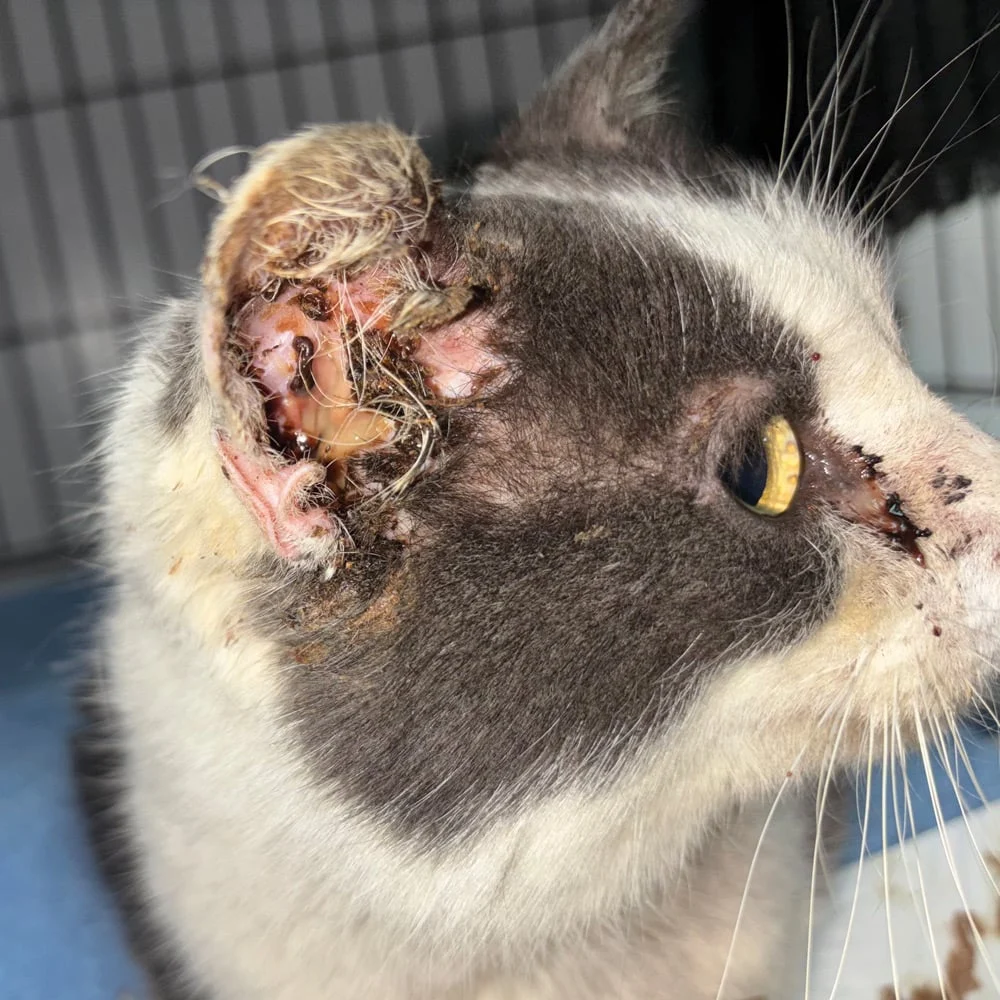
If there is evidence of cruelty or neglect, the appropriate course of action is to contact local authorities. In Ohio, as in most U.S. states, animal cruelty is a criminal offense. This includes, but is not limited to, failure to provide adequate food, water, shelter, or veterinary care.
2. The Power of "Buy-Back"
While it may feel galling to pay for an animal that was once yours, legal experts often suggest an amicable purchase. Offering to "buy" the cat back from the current owner is often the fastest, most effective way to resolve the situation without litigation. It transforms a hostile reclamation into a voluntary transaction.
3. Humane Societies and Animal Welfare Organizations
Local shelters and humane societies often have investigators or can provide guidance on how to document neglect. If the situation is dire, these organizations may have the authority to work with law enforcement to seize the animal.
Implications: The Necessity of Formal Contracts
This scenario serves as a cautionary tale for anyone rehoming a pet. The informality of private transfers often leads to these exact situations. To prevent future heartbreaks, experts suggest the following:
- Written Rehoming Agreements: Even when giving a pet to a friend or co-worker, a simple document outlining the transfer is essential. This document should specify the expectations of care and, ideally, include a clause stating that if the new owner cannot keep the pet, it must be returned to the original owner.
- Microchip Registration: A microchip is the modern-day equivalent of a title for a pet. Ensuring that registration information is updated at the time of transfer is a critical step in establishing the chain of custody.
- The "Right of First Refusal": This clause is the gold standard in animal rescue. It prevents the animal from being passed around to strangers or ending up in shelters, ensuring the original guardian retains a "safety net" role.
Conclusion: Emotional Bonds vs. Legal Reality
The desire to "rescue" a pet from a situation that feels unsafe is a natural, empathetic response. However, the law does not permit a former owner to override the property rights of a current owner based on subjective standards of care.
The path forward for the Ohio resident—and others in similar positions—is clear: refrain from illegal self-help tactics, explore a diplomatic purchase of the animal, or, if the welfare of the cat is truly at risk, involve the appropriate state authorities to investigate claims of neglect.
Ultimately, the lesson is that when we "give away" a pet, we are engaging in a permanent legal transfer. Ensuring that such transfers are conducted with foresight, clarity, and, where possible, binding written agreements, is the only way to ensure the long-term safety and stability of the animals we hold dear. The law may treat pets as property, but our actions as guardians define their lives. Taking the time to structure the transition of that guardianship properly is the final, and perhaps most important, act of care we can provide.
Disclaimer: This article is for informational purposes only and does not constitute legal advice. Laws regarding animal ownership and welfare vary by state, county, and municipality. If you are involved in a dispute over pet ownership or suspect animal neglect, you should consult with a qualified attorney in your jurisdiction to understand your rights and legal obligations.