For avian enthusiasts and parrotlet owners, the pursuit of a balanced, species-appropriate diet is a daily commitment. Among the common questions regarding the inclusion of fresh produce in a bird’s menu is the suitability of the humble banana. While often considered a human dietary staple, can this tropical fruit safely transition to the cages of our smallest parrot species?
The short answer is a definitive yes. Parrotlets can safely consume bananas, and when integrated correctly, they offer significant nutritional and psychological advantages. However, as with any treat, understanding the biological limitations of your parrotlet is paramount to preventing health complications.
Main Facts: Understanding the Parrotlet Diet
Parrotlets, despite their diminutive size, possess the big personalities of their larger Amazon cousins. Because of their high metabolic rates, they require a diet that is dense in nutrients but varied enough to prevent monotony.
Bananas are nutrient-rich fruits that act as an excellent supplemental treat. They are not intended to replace the primary diet—which should consist of high-quality pellets, seeds, and leafy greens—but rather to serve as a high-value incentive. The fundamental rule for feeding bananas to parrotlets is moderation. Because these birds have tiny digestive systems, the caloric and nutritional load of a large piece of banana can quickly overwhelm their ability to process fiber and sugars.
The Nutritional Profile
Bananas are a powerhouse of essential vitamins and minerals, specifically:
- Fiber: Essential for maintaining gastrointestinal motility.
- Vitamin C: A critical antioxidant that aids in cellular repair and immune function.
- Potassium: Vital for cellular fluid balance and nerve function.
- Copper: Facilitates iron absorption and the synthesis of red blood cells.
- Magnesium: Necessary for protein synthesis and muscle function.
Chronology: Integrating Bananas into a Weekly Routine
Establishing a feeding schedule is crucial for the long-term health of a pet bird. Rather than offering fruit at random intervals, owners should view banana consumption as a "special event" in the bird’s weekly calendar.
Phase 1: Introduction (The First Week)
If your parrotlet has never eaten fresh fruit, start with a thumbnail-sized portion. Observe the bird for 24 hours to ensure there are no digestive irregularities. Parrotlets are notoriously picky eaters; if they ignore it, do not force the issue.
Phase 2: The Moderation Stage (Ongoing)
Once the bird is accustomed to the flavor, integrate bananas into a bi-weekly rotation. A recommended schedule involves offering a small slice (roughly the size of a parrotlet’s head) no more than twice a week. On the intervening days, rotate in other bird-safe fruits such as blueberries, apples, or papaya to ensure a diverse intake of phytochemicals.
Phase 3: Monitoring and Adaptation
As your bird ages, its dietary requirements may shift. Monitor the bird’s stool and overall energy levels. If you notice weight gain—a common issue with captive birds—reduce the frequency of sugary treats like bananas immediately.
Supporting Data: Why Variety Prevents Behavioral Decline
The importance of diet extends beyond physical health; it is a primary driver of psychological well-being. In the wild, parrotlets spend a significant portion of their waking hours foraging. In captivity, a static diet leads to boredom, which in turn leads to "standoffish" or even aggressive behaviors.
The Psychological Benefit
The act of shredding a piece of fruit, tasting a new texture, and enjoying a "high-value" reward creates a positive association with the owner. This bond-building is essential for training. By using banana as a reward, you are engaging the bird’s intelligence, which prevents the development of neurotic behaviors like feather plucking or excessive screeching.
The Digestive Reality
The scientific consensus on avian digestion highlights that while fiber is necessary, excessive intake of fruit sugars (fructose) can lead to rapid fermentation in the gut. If a parrotlet consumes too much banana, the excess sugar and fiber can cause the fruit to sit undigested in the crop or lower digestive tract, potentially leading to discomfort, cramping, and osmotic diarrhea.
Official Guidelines: Best Practices for Serving
To ensure you are providing the best care, follow these standardized preparation guidelines:
1. The Preference for Raw Flesh
Always serve the banana in its raw, natural state. Cooking, frying, or baking the fruit—even in "healthy" recipes—often introduces unnecessary fats or causes the degradation of heat-sensitive vitamins like Vitamin C. Your bird will instinctively prefer the raw texture, which mimics the produce they might encounter in the wild.
2. The Ripeness Threshold
The ripeness of the banana is a critical factor:
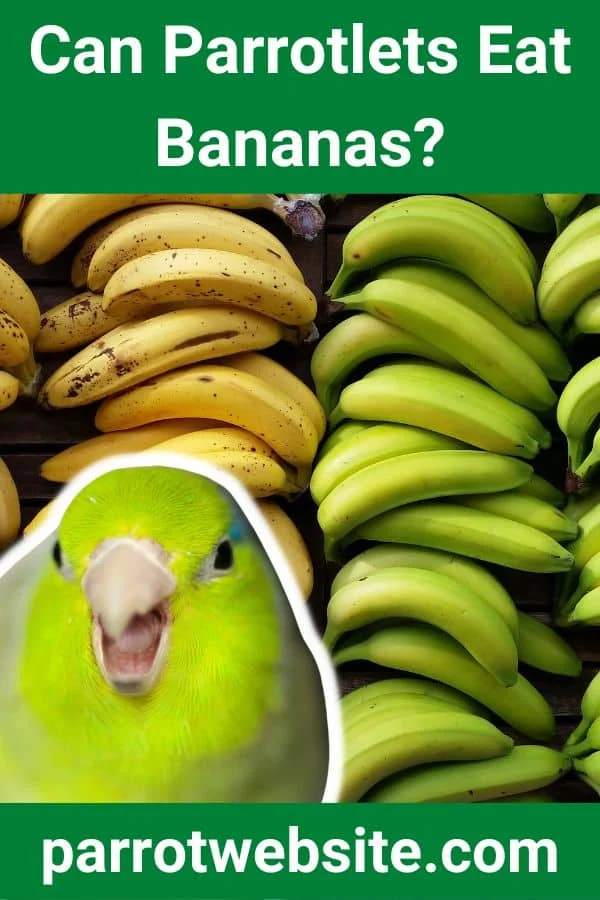
- Underripe (Green/Hard): Difficult to digest and low in sweetness; likely to be rejected by the bird.
- Perfectly Ripe (Bright Yellow): The ideal stage. The starches have converted into accessible sugars, and the texture is soft enough for a small bird to break down.
- Overripe (Brown/Mushy): While not toxic, these can attract fruit flies and harbor bacterial growth if left in the cage for more than a few minutes. If a banana is slightly overripe, only provide the firm, non-mushy portions.
3. The Peel Question
Can they eat the peel? Technically, yes. However, it is not recommended. Beyond the lack of nutritional value, banana peels are the outer protective layer of the fruit and are more likely to carry traces of pesticides or wax coatings. If you choose to offer the peel, ensure it is organic and thoroughly washed. Most owners find that the bird prefers the flesh exclusively, rendering the peel unnecessary.
Implications: The Long-Term Health Impact
The implications of a well-managed diet are profound. A parrotlet provided with a variety of fresh foods, including occasional banana, will likely exhibit:
- Brighter Plumage: The vitamins and minerals contribute to the health of the feathers.
- Increased Longevity: Proper nutrition reduces the strain on the liver and kidneys.
- Improved Temperament: A bird that is mentally stimulated by food variety is a happier, more tractable companion.
Addressing Potential Risks
If a parrotlet is fed an exclusively "fruit-based" diet, they will suffer from malnutrition. Bananas lack the necessary protein and calcium required for skeletal health. Therefore, the "implication" of feeding banana is that it must be part of a larger, strictly monitored nutritional plan.
Conclusion
Bananas are a fantastic, mood-boosting, and nutritious addition to your parrotlet’s life. They provide essential antioxidants and minerals that support physical health while offering the sensory variety necessary to keep a highly intelligent bird engaged. By adhering to a strict regimen of raw, ripe portions served only a few times per week, owners can enjoy the rewarding experience of watching their pet delight in a healthy treat.
Remember: the goal is to provide a life that mimics the wild experience through safe, controlled, and diverse offerings. Treat the banana as a reward for their curiosity and a supplement to their health, not a meal replacement. With this balanced approach, you ensure that your parrotlet remains happy, healthy, and vibrant for years to come.