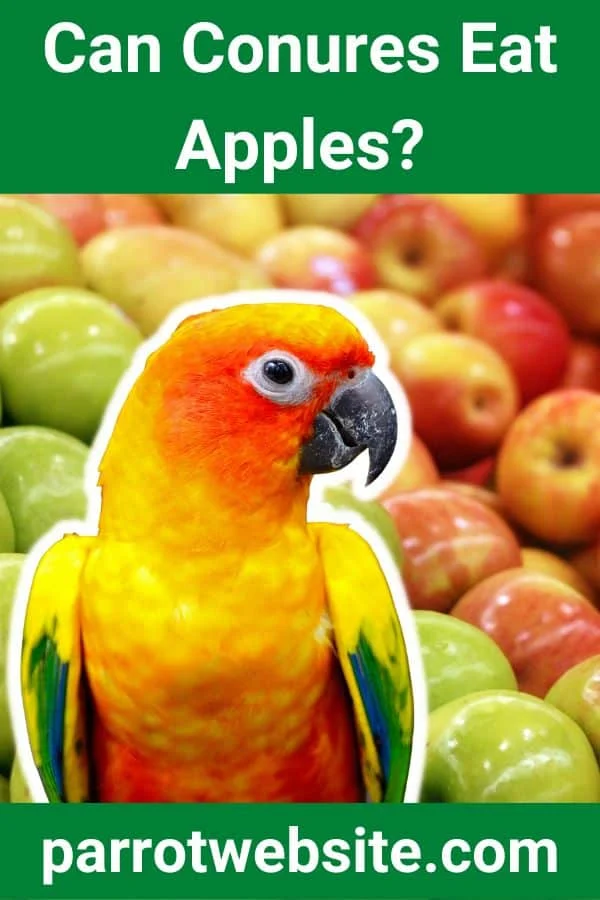
Apples are a quintessential staple in the modern kitchen, celebrated globally for their crisp texture, natural sweetness, and impressive nutrient profile. For parrot owners, the temptation to share this familiar snack with their feathered companions is understandable. However, when it comes to the sensitive avian physiology of a conure, curiosity must be balanced with rigorous nutritional caution.
Can conures safely enjoy apples? The answer is a qualified "yes," provided that the fruit is served under specific conditions and in strictly controlled quantities. This comprehensive guide explores the intersection of avian nutrition and the apple, offering a deep dive into the benefits, risks, and necessary safety protocols every parrot owner should follow.
The Core Facts: Can Conures Safely Eat Apples?
The primary consensus among avian veterinarians and nutritionists is that fresh apples are safe for conures when offered as an occasional treat rather than a dietary cornerstone. While apples contain beneficial vitamins and antioxidants that can boost a bird’s health, they are not a substitute for a nutritionally balanced diet.
For a conure, the ideal diet consists primarily of high-quality, formulated pellets supplemented with varied vegetables and controlled amounts of fruit. Because fruit is nutrient-dense and high in natural sugars, a bird’s digestive system is only equipped to handle small, infrequent portions. If apples become a constant fixture in their bowl, the bird risks over-nourishment, which can lead to metabolic issues and weight gain.
A Chronological Perspective: Evolution and Diet
To understand why we must be careful with what we feed our pets, we must consider the natural history of the conure. In the wild, parrots are opportunistic foragers. They consume a vast array of seeds, nuts, fruits, flowers, and even insects, depending on the seasonal availability in their native habitats, such as the tropical forests of South America.
Because their wild ancestors evolved to extract nutrients from a wide variety of sources, domestic conures possess a digestive system optimized for diversity. When a captive bird is fed a monotonous, seed-based diet, their health can decline due to nutritional deficiencies. Conversely, introducing human foods—like apples—provides the necessary sensory enrichment and nutritional variety that mimics their wild experience. However, the key is balance: the "chronology" of a bird’s diet should reflect a steady base of pellets supplemented by rotating, fresh, raw produce.
Supporting Data: The Nutritional Profile of Apples
Apples are not merely a sugary treat; they are packed with biochemical components that contribute to the overall well-being of a conure.
1. The Role of Dietary Fiber
Fiber is essential for maintaining the motility of a bird’s gastrointestinal tract. By providing consistent digestive support, the fiber found in apples helps ensure that waste moves efficiently through the gut. Proper fiber intake is linked to better nutrient absorption and a lower risk of digestive stasis.
2. Vitamin C and Antioxidant Defense
Vitamin C acts as a potent antioxidant. In parrots, cells are constantly subjected to oxidative stress caused by free radicals—unstable molecules that can damage cellular structures over time. By incorporating vitamin C-rich foods like apples into a balanced diet, owners can help neutralize these free radicals, effectively supporting the bird’s immune system and long-term cellular health.
3. Potassium for Cardiovascular Health
Apples are an excellent source of potassium, a mineral critical for heart function and fluid balance. Maintaining a healthy heart is particularly important for active, high-energy birds like conures. Potassium helps regulate heart rate and blood pressure, acting as a preventative measure against the cardiovascular strain that can sometimes occur in sedentary, captive birds.
The Potential Risks: Understanding Digestive Sensitivity
While the nutritional benefits are clear, the "dark side" of fruit consumption lies in the complexity of the apple’s structure. Compared to the relatively simple, dry composition of seed-based diets, the complex carbohydrates and high moisture content of an apple can be difficult for a conure to process in large quantities.
If a bird consumes too much apple, the undigested portions may linger in the digestive tract. This can lead to:
- Diarrhea and loose stools: Often the first sign that the bird’s digestive system is overwhelmed.
- Gastrointestinal discomfort: A bloated, painful gut can result in behavioral changes, such as lethargy or irritability.
- Nutritional imbalance: By filling up on high-sugar, high-moisture fruit, the bird may refuse to eat their more nutritionally dense, staple foods.
Official Guidance: Preparation and Safety Protocols
The most critical aspect of feeding apples to a conure is the preparation. "Safety first" is not just a suggestion; it is a necessity for the longevity of your pet.
The Dangers of Apple Seeds and Cores
There is a widely known but frequently ignored warning regarding apple seeds: they contain trace amounts of amygdalin, a compound that releases cyanide when metabolized. While a single seed might not kill a bird, the potential for toxicity exists. To ensure absolute safety, never allow your conure to consume the core or the seeds of an apple. The core itself is also problematic, as it is tough, fibrous, and often contains the very seeds you wish to avoid.
The Skin vs. The Flesh
The skin of an apple is safe and actually contains a higher concentration of certain vitamins compared to the inner flesh. However, the flesh is where the bulk of the hydration and fiber reside. When preparing the fruit, thoroughly wash the apple to remove any lingering pesticides or wax coatings, then slice it into manageable, bite-sized pieces. Removing the skin is not strictly necessary, but it is recommended if you cannot verify that the apple is organic and free of chemical pesticides.
Recommended Portion Sizes
As a general rule of thumb, a conure should receive a few small slices of apple no more than once or twice a week. This "treat" schedule prevents the bird from becoming accustomed to the sugar content while still providing the enjoyment and enrichment of a varied diet.
Implications for Behavioral Health
The value of an apple as a treat extends beyond physical health. Parrots are highly intelligent creatures that suffer from boredom and isolation. Providing a variety of textures, tastes, and colors in their diet is a form of environmental enrichment.
When a conure is offered a slice of crisp apple, they are encouraged to manipulate the food with their beak and tongue. This behavior is a natural outlet for their cognitive energy. A happy bird is a healthy bird, and the mental stimulation provided by fresh, varied food sources can lead to improved temperament and a reduction in stress-related behaviors, such as feather plucking.
Selecting the Right Variety
With thousands of apple varieties available, from the tart Granny Smith to the sweet Fuji, which should you choose? The good news is that almost all apple varieties are safe for conures.
- Red Apples: Generally sweeter, these are perfectly fine in moderation.
- Green Apples: Often slightly more acidic, many birds enjoy the tartness.
- Variety is Key: Rather than sticking to one type, rotate your offerings. This not only keeps the bird interested but also ensures they receive a broader spectrum of minor phytonutrients.
Summary Checklist for Owners
To wrap up, here is the essential takeaway for any conure owner:
- Moderation: Treat apples as a snack, not a meal. Once or twice a week is the gold standard.
- Removal of Seeds/Cores: Always core the apple and discard all seeds before serving.
- Preparation: Wash thoroughly to remove pesticides. Cut into small, safe pieces to prevent choking.
- Observation: Monitor your bird’s droppings and behavior after introducing new foods. If the bird develops loose stools, reduce the frequency of fruit consumption.
- Diversify: Ensure the apple is just one small part of a larger, balanced diet that includes leafy greens, vegetables, and high-quality pellets.
By adhering to these professional guidelines, you can safely share the experience of a crisp, refreshing apple with your conure, enhancing their diet with a healthy, delicious treat that supports both their physical vitality and their mental well-being. Always consult with your local avian veterinarian if you have specific concerns regarding your bird’s individual health needs, as every parrot is a unique individual with its own dietary sensitivities.