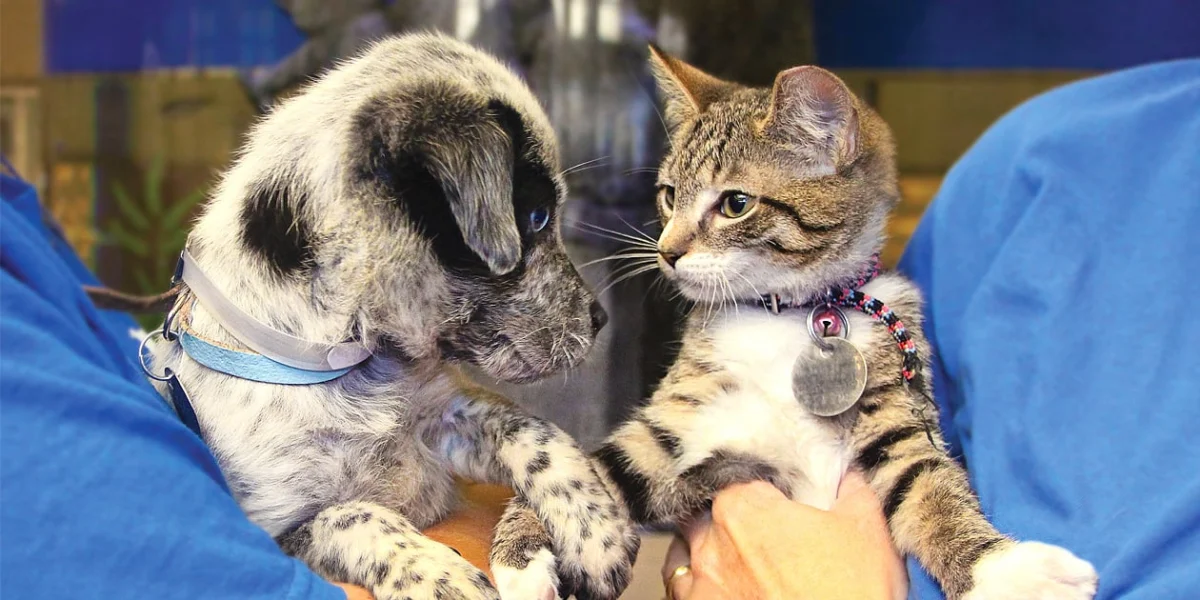
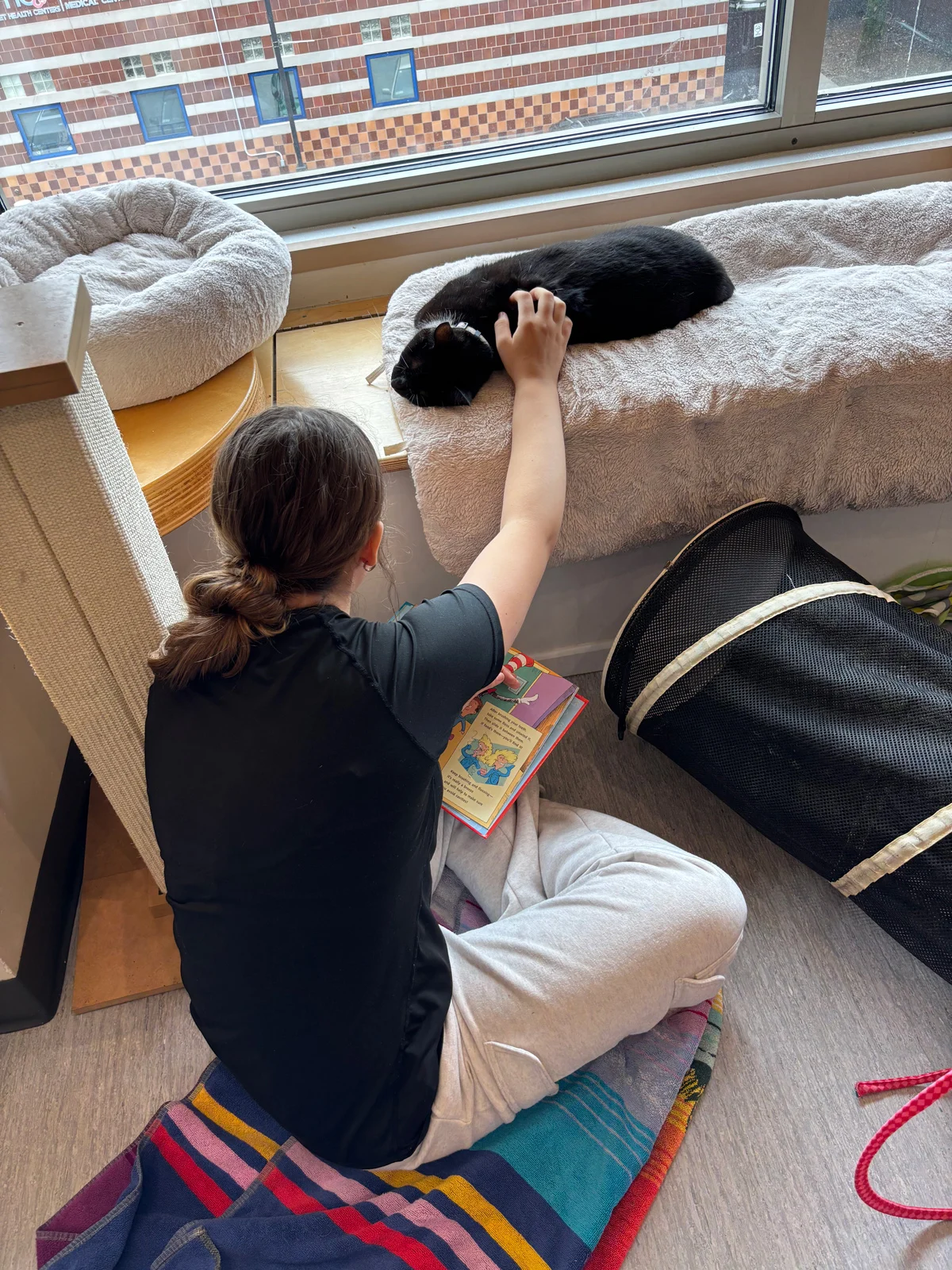
In an era where digital distractions often dominate the educational landscape, a heartwarming and innovative initiative has emerged from the North Shore Animal League America. This summer, the organization’s signature educational initiative, The Mutt-i-grees Curriculum, launched its inaugural Summer Reading Program—a unique outreach effort that invites students of all ages to the shelter to read aloud to adoptable animals. By bridging the gap between literacy development and animal welfare, the program has created a sanctuary of learning that benefits both the human participants and the four-legged residents waiting for their forever homes.
The Core Concept: Literacy Meets Compassion
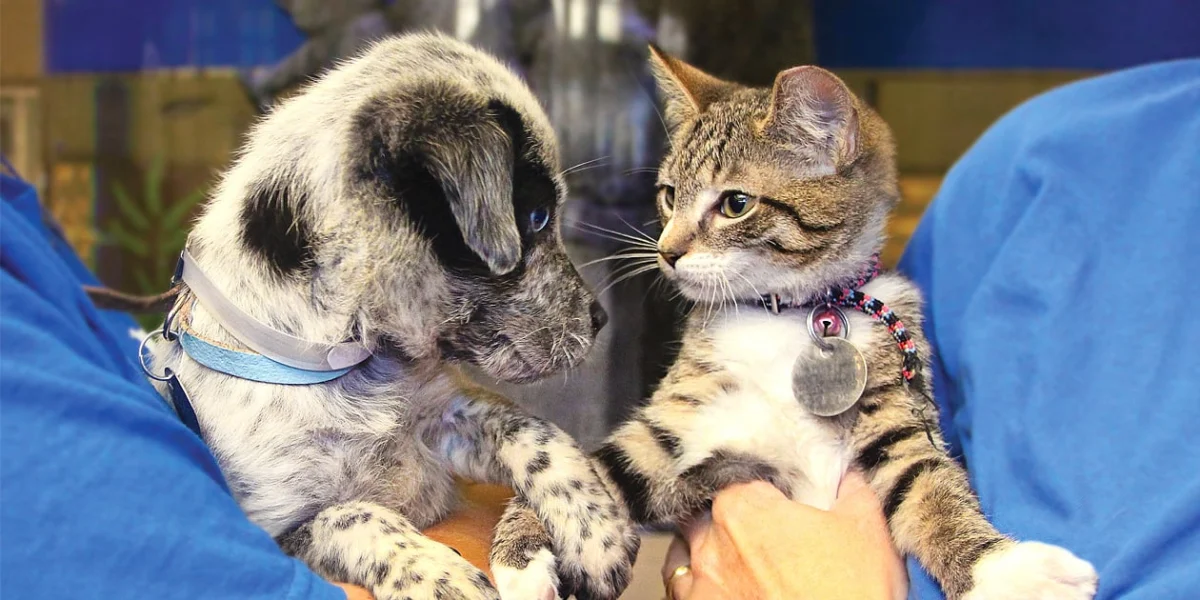
At its most basic level, the Mutt-i-grees Summer Reading Program provides a quiet, judgment-free space for children and teens to practice their reading skills. However, the true innovation lies in the "audience." By sitting in front of kennels and enclosures, participants read stories to dogs, cats, puppies, and kittens.
The rationale behind this approach is rooted in educational psychology. Many young readers, particularly those struggling with confidence or speech development, find reading aloud in a classroom setting intimidating. The fear of making mistakes or being corrected by peers can create anxiety. Animals, conversely, offer a non-judgmental, attentive presence. They do not care if a reader stumbles over a multisyllabic word or loses their place on the page; they simply enjoy the soothing sound of a human voice. This "audience" provides the perfect environment for children to build confidence, enhance their vocabulary, and foster a genuine love for reading.
Chronology of a Successful Launch
The launch of the Summer Reading Program was not a spontaneous event, but the culmination of months of pedagogical planning and logistical coordination by the Mutt-i-grees team.
Early Spring Planning: The program was conceptualized as a way to extend the reach of the Mutt-i-grees Curriculum—a program already designed to teach social-emotional skills through the lens of animal rescue—into the local community. Organizers focused on safety protocols for both the children and the animals, ensuring that interaction spaces were sanitized and supervised.
Late Spring Outreach: Announcements were distributed through local schools, libraries, and social media channels. The response was immediate. Within weeks, the initial sign-up slots for the summer months were flooded with applications, signaling a deep-seated community desire for programs that combine service-learning with personal development.
The Summer Sessions: Throughout the summer months, the shelter became a hub of activity. Each week, groups of children, teens, and families rotated through the shelter. The atmosphere was one of quiet concentration. Unlike a typical shelter environment, which can often be noisy and high-energy, these reading sessions introduced a period of "calm connection" that benefited the animals’ mental health as much as the children’s reading proficiency.
Evaluation and Future Outlook: As the summer concludes, organizers are currently reviewing feedback from parents and shelter staff. The overwhelming demand—with all sessions fully booked—has already shifted the conversation from "if" the program will return to "how" it can be expanded in the coming years.
Supporting Data: Why Animal-Assisted Reading Works
The success of the Mutt-i-grees program is supported by a growing body of research regarding the human-animal bond. Literacy experts have long noted that reading to animals can lower a child’s heart rate, reduce cortisol (the stress hormone), and increase engagement.
In the context of the Mutt-i-grees program, several key metrics highlight its impact:
- Confidence Building: Surveys of participating families indicate that children felt "significantly more comfortable" reading aloud after just two sessions.
- Shelter Enrichment: Animal care staff reported that many of the more timid or "wallflower" animals became more approachable and relaxed after participating in reading sessions, which in turn makes them more appealing to potential adopters.
- Community Engagement: The program served as an entry point for many families who had never visited an animal shelter before, effectively humanizing the adoption process and demystifying the experience of shelter life.
Official Responses and Stakeholder Perspectives
The success of the program has been a point of pride for the North Shore Animal League America. Leadership within the Mutt-i-grees Curriculum team emphasizes that the program is about more than just literacy; it is about cultivating empathy.
"The Mutt-i-grees Summer Reading Program is a physical manifestation of our mission," says a lead coordinator for the program. "When a child reads to a shelter dog, they are learning to see the world from another perspective. They are learning that their voice has power, and that their presence can provide comfort to a creature in need. That is the definition of compassion in action."
Parents who participated in the program have echoed these sentiments. One parent noted, "My son usually avoids reading at all costs. But here, he’s excited to pick out a book to share with a puppy. It’s changed his entire attitude toward schoolwork."
Shelter staff, who witness the daily lives of the animals, have also observed the benefits. "Some of our rescues have had difficult pasts," a shelter attendant explained. "They aren’t used to human touch or even human voices that aren’t shouting or stressed. The quiet, gentle rhythm of a child reading a story is incredibly therapeutic for these animals. It helps them socialize and reminds them that people can be kind."
Implications: A New Model for Community Education
The implications of the Mutt-i-grees Summer Reading Program extend far beyond the walls of the shelter. This model offers a blueprint for how other non-profits and educational institutions can collaborate to solve dual problems: the literacy gap and animal welfare crises.
1. The Social-Emotional Learning (SEL) Aspect
The program is a textbook example of Social-Emotional Learning. Participants are not just learning to read; they are practicing patience, empathy, and responsible decision-making. By observing the animals’ body language and responding to their needs—such as knowing when to stop reading or when to offer a gentle, supervised pat—children develop a higher emotional intelligence that will serve them throughout their lives.
2. Community Stewardship
By bringing young people into the shelter, the program is fostering the next generation of animal advocates. These children are growing up with a first-hand understanding of what it means to be a "responsible pet owner" and the importance of adoption. This early exposure is likely to decrease abandonment rates in the future and increase the likelihood that these children will choose to adopt rather than shop when they are adults.
3. A Sustainable Framework
The fact that the program was fully booked for the entire summer serves as proof of concept. The model is scalable and replicable. Other shelters across the country, by adopting the Mutt-i-grees curriculum and safety protocols, could implement similar reading programs, effectively turning their facilities into community learning centers rather than just holding facilities for homeless animals.
Looking Ahead: The Future of the Initiative
As the inaugural season draws to a close, the focus for the North Shore Animal League America is on growth and sustainability. The organizers are exploring ways to implement "reading corners" within the shelter that are more permanent, potentially inviting local teachers to volunteer as reading coaches during these sessions.
Furthermore, there is a push to integrate the program into the school year. By offering weekend or after-school sessions, the organization hopes to keep the momentum going throughout the academic calendar. This would provide a consistent support system for children struggling with literacy and a steady stream of positive social interaction for the shelter’s longer-term residents.
Conclusion: One Story at a Time
The Mutt-i-grees Summer Reading Program serves as a poignant reminder that the most profound educational experiences often happen outside the classroom. By pairing the simple, timeless act of reading with the profound, life-affirming bond between humans and animals, the program has created a ripple effect of kindness.
In a world that often feels fractured, the image of a child sitting beside a kennel, intently reading a story to a dog who is listening with rapt attention, is a powerful symbol of what is possible when we bridge the gaps between our communities. The program proves that we do not need complex technology or massive infrastructure to make a difference. Sometimes, all it takes is a book, a willing listener, and the shared space of a shelter to change a life—both human and animal—one story at a time.