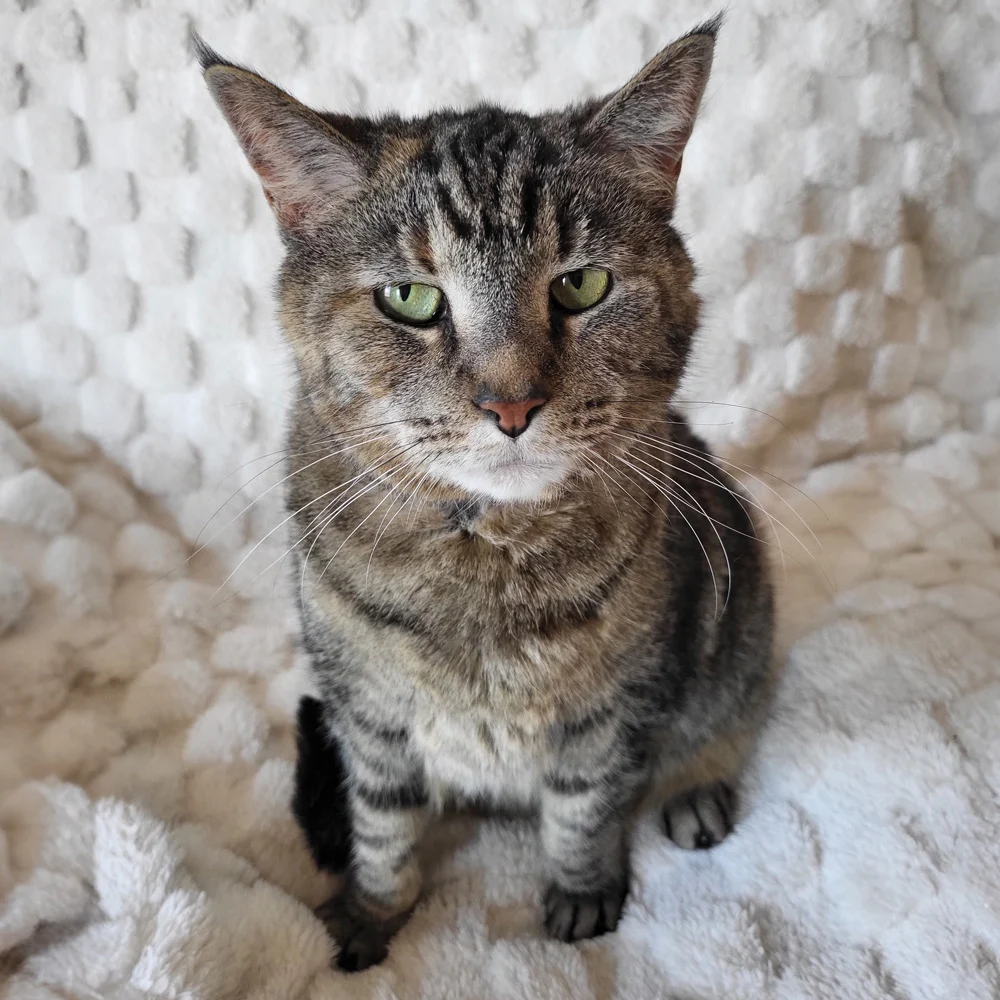
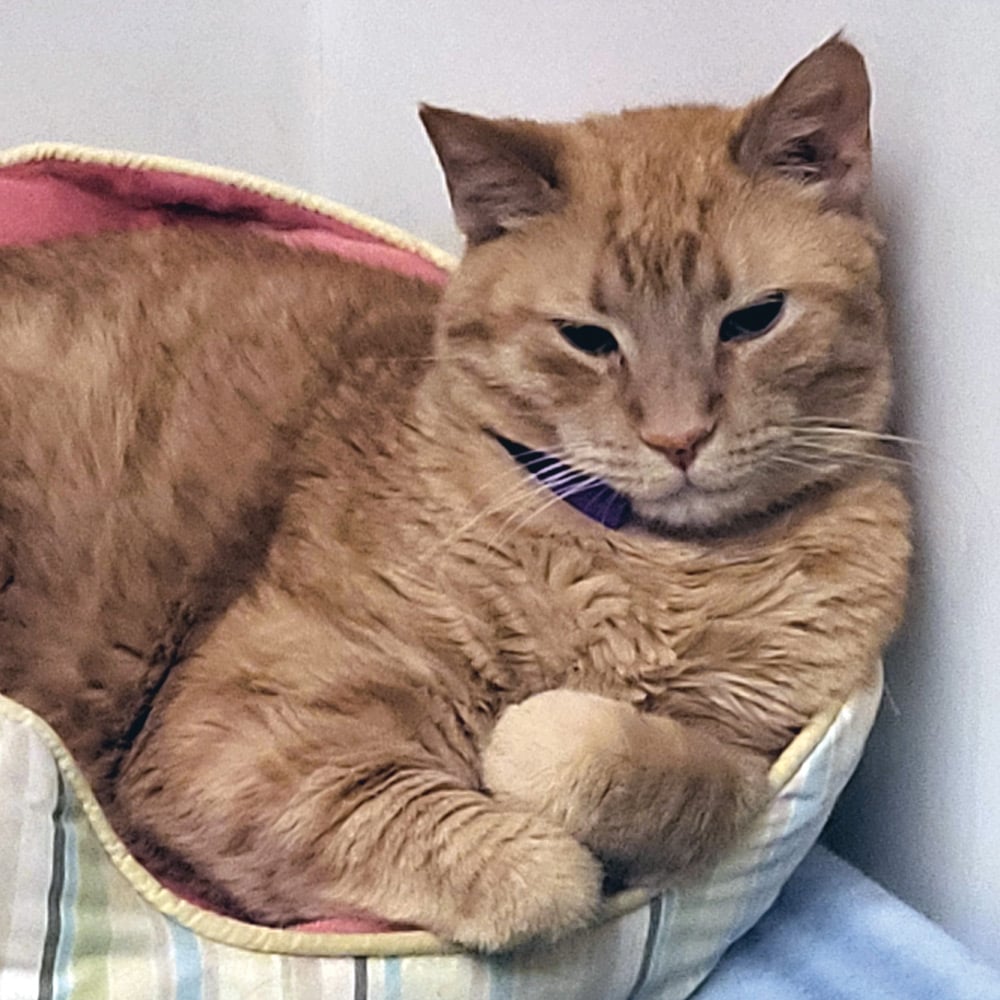
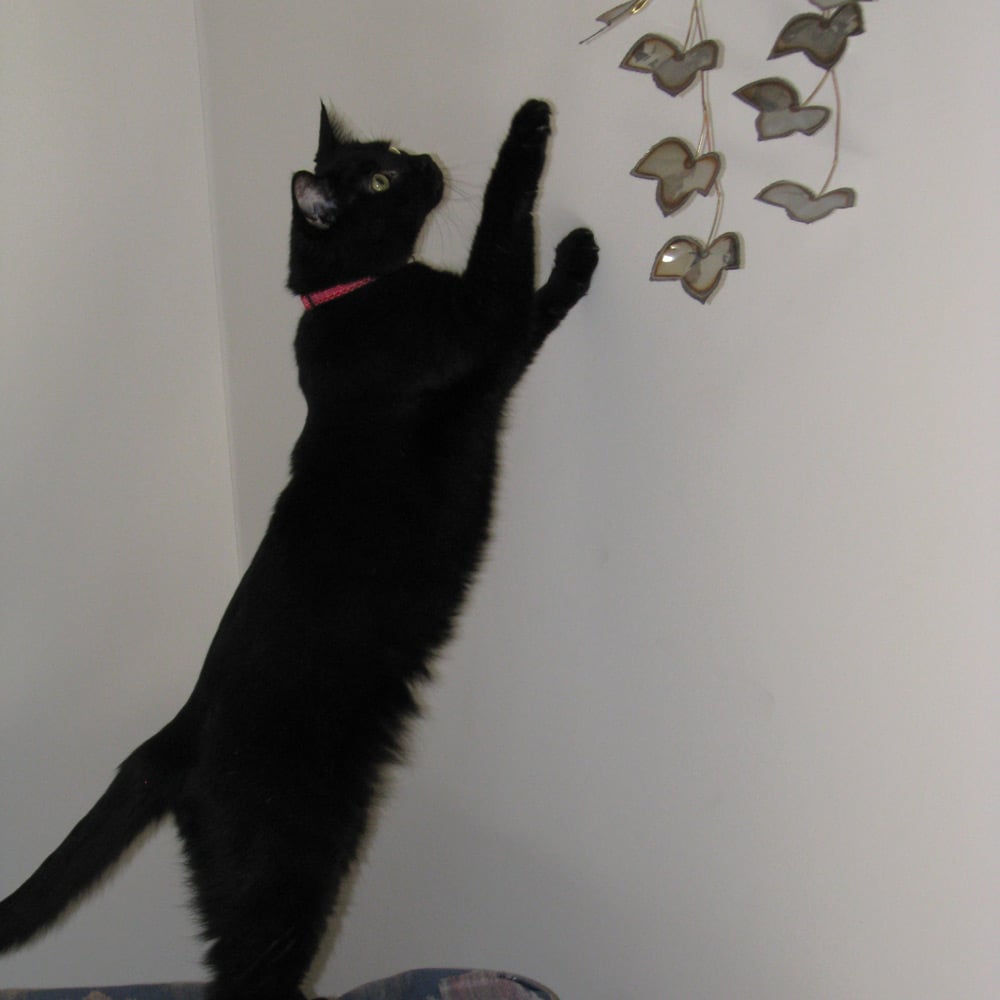
For Margaret, a resident of Indiana, the quiet hum of a domestic life is defined by the soft purrs and rhythmic footsteps of six distinct personalities. Her home is a sanctuary, a bustling feline commune inhabited by Mindy, Peanut, Faith, Sunshine, Midnight, and Pandora. When asked to choose a favorite among her companions, Margaret offers the classic, unwavering response of a devoted parent: “Nope.”
Her home is not merely a residence; it is a testament to a lifetime of compassion. Margaret has spent decades as a foster parent, consistently opening her doors to the most vulnerable—the cats that others often overlook, the ones who struggle to find their footing in a world of high-turnover shelters. Her commitment to animal welfare, however, has recently shifted from the day-to-day work of fostering to a long-term strategy of legacy planning, ensuring that her six beloved companions—and any who follow—will never face an uncertain future.
The Foundation of Compassion: A Legacy Rooted in Heroism
Margaret’s path to becoming a dedicated advocate for Animal League America was not a sudden epiphany, but a slow-growing conviction planted decades ago. The catalyst was the legendary story of Scarlett, the stray mother cat whose 1996 act of heroism in Brooklyn became a global symbol of maternal sacrifice.
During a catastrophic fire in a Brooklyn building, firefighters stood in awe as a severely burned mother cat braved the flames, repeatedly darting into the inferno to retrieve her kittens one by one. By the time the ordeal ended, Scarlett had suffered devastating burns to her eyes, ears, and paws, but every one of her kittens had been brought to safety.
"When I heard the story about Scarlett rescuing her kittens from a fire, it really just stuck in my mind," Margaret recalls. The image of that courageous mother cat served as a touchstone for Margaret, framing her understanding of what an organization could achieve when it prioritizes the lives of the defenseless above all else. For Margaret, Animal League America was no longer just a distant entity; it was an organization that embodied the same spirit of tenacity and care she witnessed in Scarlett.
The Chronology of Care: From Fostering to Estate Planning
Margaret’s journey into the world of animal advocacy followed a clear, altruistic trajectory:
- The Early Years (Fostering): As an adult, Margaret’s home became a revolving door for cats in need. Many of her permanent residents were once "foster failures"—a term used affectionately in the rescue community for those who set out to provide temporary care but end up permanently adopting their charges. "All of the animals that I’ve had as an adult probably were due to fostering issues," she explains. "I frequently kept the ones that struggled to get adopted."
- The Period of Reflection: As the years progressed and her own household grew, Margaret began to contemplate the long-term future. The realities of aging brought a new, pressing question: Who would provide for her six cats if she were no longer able to do so herself?
- The Discovery of the Safe Haven Program: Reconnecting with the mission of Animal League America, Margaret discovered the Safe Haven Surviving Pet Care Program®. This initiative was designed specifically for people in her position—devoted pet parents who want to ensure their animals are protected by a trusted organization long after they are gone.
- The Decision: After evaluating her options, Margaret formalized her estate plans, designating the program as the safety net for Mindy, Peanut, Faith, Sunshine, Midnight, and Pandora.
Supporting Data: The Growing Need for Pet Legacy Planning
The challenge of "senior pets" and the "orphaning" of domestic animals is a growing concern for animal welfare organizations across the United States. According to the American Society for the Prevention of Cruelty to Animals (ASPCA) and various shelter industry reports, a significant portion of older pets surrendered to shelters are the result of owner illness, incapacitation, or death.
The Safe Haven Surviving Pet Care Program® addresses this gap by offering a structured, professional alternative to the chaotic process of emergency surrenders. By establishing a legal and logistical bridge between the owner’s estate and the shelter, the program ensures:
- Nationwide Accessibility: Animal League America coordinates transportation from anywhere in the country to their flagship campus in Port Washington, New York.
- Continuity of Care: Animals are not kept in high-stress, temporary holding cells but are integrated into a system designed for rehabilitation and long-term placement.
- Longevity of Mission: Unlike smaller, local shelters that may face funding or leadership instability, long-standing national organizations offer a degree of permanence that provides peace of mind to donors.
Official Perspective: The Value of Institutional Longevity
"There are a lot of shelters," Margaret notes, "but I wanted someplace I knew would be around in the future."
Her reasoning highlights a critical factor in legacy planning: the importance of organizational stability. Founded in 1944, Animal League America has spent nearly a century building a reputation for endurance. For supporters like Margaret, this longevity is the most valuable commodity an organization can offer.
The program is not merely a holding facility; it is an active effort to ensure that the unique quirks, health needs, and personalities of each animal are documented and respected. By working with estate planners, the organization ensures that the transition is as seamless as possible for the animal, minimizing the trauma that usually accompanies a sudden loss of home.
The Implications: A Shift in How We View Pet Stewardship
The implications of Margaret’s story extend beyond her own home in Indiana. It represents a broader cultural shift in how modern pet owners view their responsibilities. Increasingly, pets are being treated as full family members in estate planning, similar to children or dependents.
1. The Peace of Mind Factor
For many, the fear of what will happen to their pets is a significant source of anxiety that can prevent people from adopting, especially as they enter their later years. Programs like Safe Haven remove that barrier, allowing individuals to continue providing care for animals without the paralyzing fear of the "what-if" scenarios.
2. The Institutionalization of Compassion
When organizations create formal, legal pathways for the transfer of pet guardianship, it raises the standard of care in the industry. It forces shelters to be more than just drop-off points; they become stewards of a donor’s legacy. This creates a symbiotic relationship: the donor gets peace of mind, and the organization gains the resources necessary to continue its mission for future generations.
3. The Future of Shelter Dynamics
As the human population ages, the demand for "surviving pet care" is projected to rise. Animal League America’s model of centralized, specialized care for these animals suggests a potential blueprint for other organizations. By focusing on the whole life of the animal—from the moment they are adopted to the moment their original owner passes—these programs redefine the definition of a "rescue."
Conclusion: A Comforting Certainty
Margaret’s decision is rooted in the pragmatic realization that, while she hopes for many more years of companionship with Mindy, Peanut, Faith, Sunshine, Midnight, and Pandora, life is inherently unpredictable.
"As I get older, there’s got to be somebody to take care of them if I can’t," she says.
While she maintains a healthy sense of optimism—noting, "Of course I’m hoping they never have to go there"—she finds a profound sense of relief in the arrangement. Her story serves as a poignant reminder that true love for an animal is measured not just by the daily bowl of food or the comfortable bed, but by the willingness to look far into the future and secure a safety net that spans a lifetime.
In a world where change is the only constant, Margaret has found a way to provide her six friends with the most precious gift of all: the certainty that they will always be loved, always be safe, and always be home.