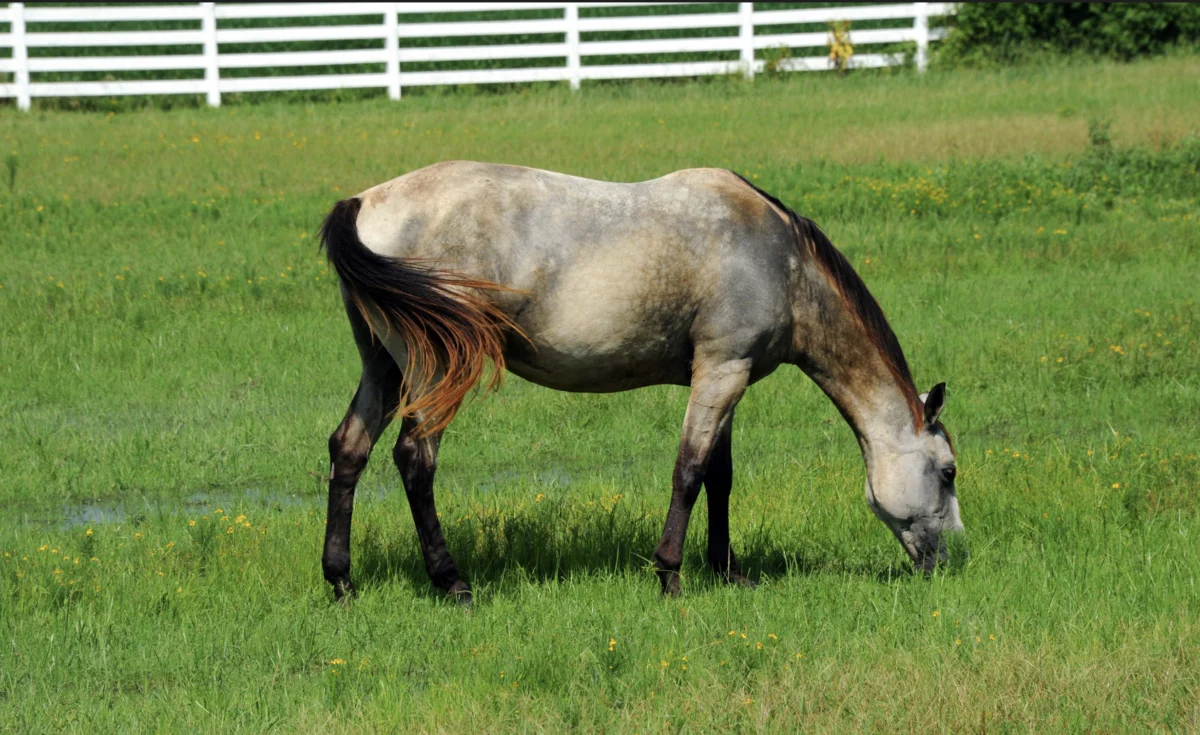
GAINESVILLE, Fla. — For horse owners, the arrival of warmer weather brings a familiar ritual of pasture management, grooming, and rigorous fly control. However, while a herd may share the exact same pasture, receive identical feed, and live under the same management practices, individual physiological differences can mean the difference between effortless comfort and severe, agonizing distress.
This stark reality is frequently highlighted by equine skin conditions, chief among them being Insect-Bite Hypersensitivity (IBH). While one horse may shrug off a swarm of summer pests, a pasturemate with an overactive immune system can suffer from debilitating allergic reactions, chronic hair loss, and painful secondary infections.
To unpack the complexities of equine skin sensitivities, Equus Magazine consulted prominent board-certified veterinary dermatologist Dr. Rosanna Marsella, a professor at the University of Florida College of Veterinary Medicine and author of the Manual of Equine Dermatology. Drawing on decades of clinical expertise and peer-reviewed research, Dr. Marsella outlines the underlying causes of IBH, targeted management protocols, and advanced strategies to help severely sensitive horses find relief.
Main Facts: Understanding Insect-Bite Hypersensitivity in Horses
At the core of many "mystery" equine skin ailments lies Insect-Bite Hypersensitivity, commonly referred to as sweet itch or summer eczema. According to Dr. Marsella, IBH is an allergic reaction triggered primarily by the saliva of biting insects—most notably Culicoides species, which are tiny biting midges often referred to as no-see-ums or gnats.
When a non-allergic horse is bitten, its immune system treats the saliva as a benign foreign substance, resulting in little to no reaction. Conversely, an allergic horse’s immune system overreacts violently, identifying the insect proteins as a severe threat. This sets off an inflammatory cascade characterized by intense itching (pruritus), localized inflammation, bumps, and eventual hair loss.
Furthermore, horses with IBH are uniquely prone to secondary bacterial infections. As the horse scratches, rubs, and bites at the inflamed skin, the epidermal barrier is compromised. This allows opportunistic bacteria to invade, leading to crusting, scaling, and weeping lesions.
The face, ears, and ventral midline are prime target sites for Culicoides species. Because these midges are weak flyers and prefer calm or low-wind conditions, they frequently target the thinner skin of a horse’s head, leading to the dramatic hair loss around the eyes and ears that many owners find perplexing and difficult to treat.
Chronology of an Allergic Season: From Spring Awakening to Winter Respite
To effectively manage IBH, owners must understand the seasonal timeline of the condition. The progression of symptoms typically follows a distinct chronological pattern tied to environmental temperatures and insect life cycles.
1. Early Spring: The Onset of Exposure
As temperatures begin to climb in the spring, dormant insect populations emerge. For a horse with IBH, the first bites of the season serve as the catalyst for the immune system. Even minimal exposure can rapidly sensitize the horse. Owners often notice the first signs during late spring: mysterious patches of crusty skin, sudden rubbing against fence posts, and the onset of hair thinning around the facial features, poll, and ears.
2. Peak Summer: Maximum Disease Burden
Throughout the peak of summer, insect populations explode, and the environmental load of Culicoides reaches its maximum. During this period, allergic horses face relentless exposure. Without aggressive intervention, hair loss becomes absolute in affected zones, skin thickens (lichenification), and secondary bacterial and fungal infections take root. The horse’s quality of life diminishes significantly as constant itching disrupts grazing, resting, and general well-being.
3. Fall: Slow Recovery and Hair Regrowth
As temperatures begin to drop in the early autumn, biting insect populations finally begin to wane. However, the skin of an IBH-affected horse does not instantly recover. Because hair follicles have been damaged by chronic inflammation, physical trauma from scratching, and secondary infections, regrowth is notoriously slow. As Dr. Marsella notes, hair lost in the spring often fails to fully grow back until late fall, leaving the horse with a very narrow window of normal skin health before the cycle repeats the following year.
Supporting Data and Clinical Interventions: Moving Beyond Standard Fly Control
Standard, generalized fly control methods are rarely sufficient for horses suffering from true hypersensitivity. Because standard repellents wear off quickly or lack the chemical strength to deter midges, owners must adopt an intensive, multi-faceted mitigation strategy.
1. Aggressive Chemical Repellents
Dr. Marsella stresses that traditional, mild repellents are inadequate for IBH management.
- Permethrin and Cypermethrin: These synthetic pyrethroids provide the most robust and reliable protection against biting midges. They should be applied daily and in generous amounts.
- Neem Oil: For horses that exhibit sensitivities or allergies to synthetic pyrethroids like permethrin, neem oil serves as a viable, natural alternative with inherent repellent properties.
- What to Avoid: Citronella and standard pyrethrins are generally too weak to serve as primary repellents for severely allergic horses.
Applying sprays directly to a horse’s face can be stressful for both handler and animal. To circumvent this, Dr. Marsella recommends using spot-on products containing permethrin applied directly to the poll and base of the ears to repel insects from these vulnerable facial targets.
2. Environmental Engineering: The Power of Fans
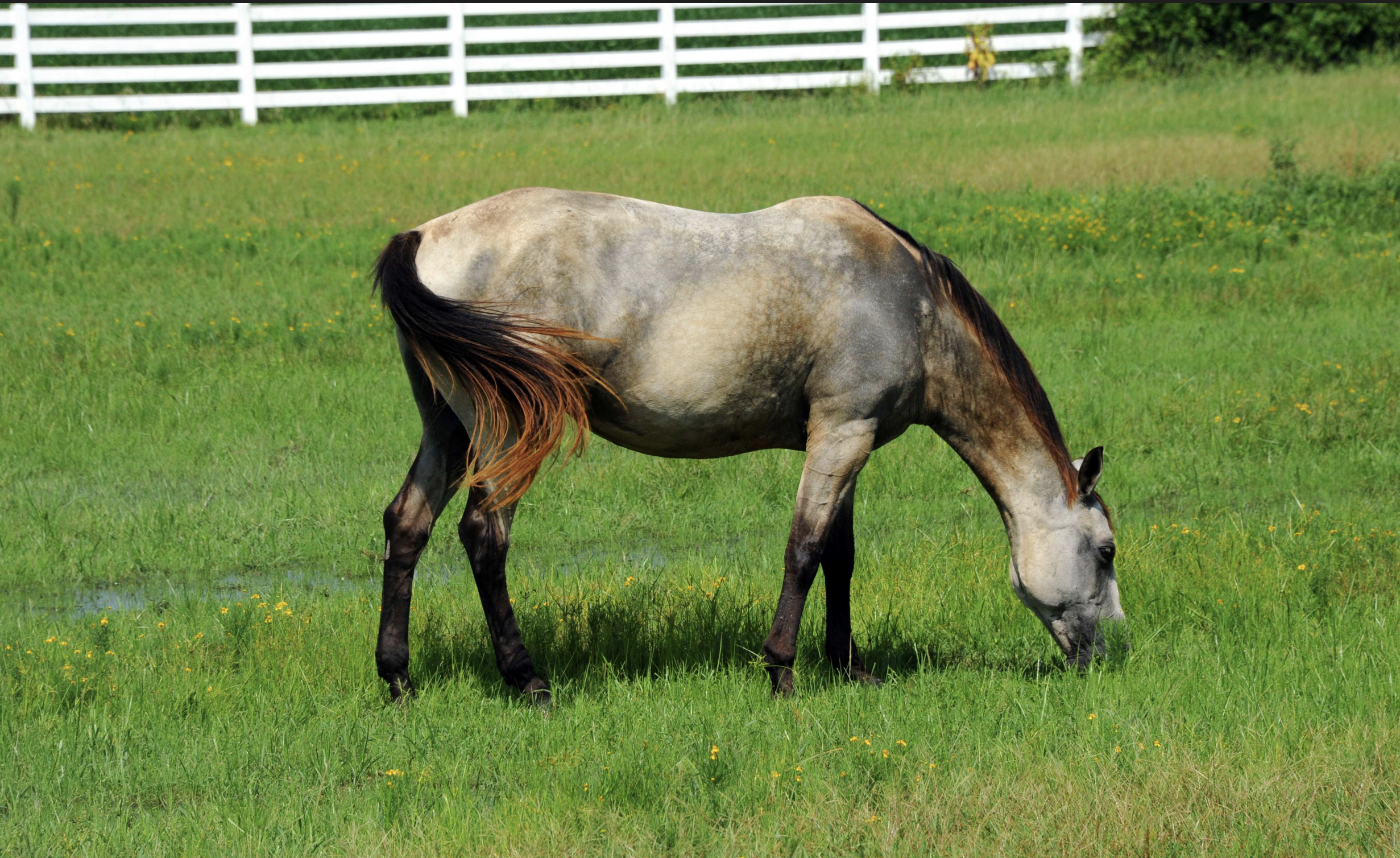
Because Culicoides midges are exceptionally weak flyers, wind is their natural enemy. Setting up barn fans in areas where the mare spends her downtime—such as her stall or run-in shed—can create a localized barrier that midges cannot cross. Fans are particularly critical during the evening and dusk hours, which represent peak activity windows for these biting pests.
3. The Fly Sheet Controversy
While many owners instinctively reach for physical barriers like fly sheets to protect their horses from biting insects, Dr. Marsella generally discourages their use for horses with severe IBH. The trapped heat and subsequent sweating beneath heavy or poorly ventilated blankets can macerate the skin, creating a warm, moist microclimate that dramatically accelerates bacterial and fungal skin infections.
4. Therapeutic Washing with Chlorhexidine
When scabs, bumps, and bald patches inevitably develop, hygiene is paramount. Dr. Marsella recommends washing affected areas with a chlorhexidine-based shampoo once or twice weekly. Chlorhexidine is a broad-spectrum antiseptic agent effective against bacteria, fungi, and viruses.
Crucially, application technique matters: owners must leave the shampoo lather on the horse’s skin for a minimum of 10 minutes to allow the active ingredients to penetrate before rinsing thoroughly.
5. Targeted Topical Steroid Therapy
For horses experiencing acute, agonizing bouts of itching, systemic steroids (such as oral or injectable dexamethasone) carry significant systemic risks, including laminitis. To provide safe and localized relief, Dr. Marsella suggests a clever alternative: "spiking" a standard fly spray with a small amount of dexamethasone under direct veterinary supervision. This allows owners to deliver topical anti-inflammatory relief directly to the inflamed skin lesions without subjecting the horse’s entire physiological system to heavy steroid doses.
Official Responses and Research Realities: The Search for a Cure
The veterinary community continues to invest heavily in research aimed at finding definitive cures or preventative immunizations for equine hypersensitivities. However, current clinical data dictates a landscape of management rather than eradication.
A common question among frustrated horse owners is whether vaccination or allergy desensitization shots (immunotherapy) can cure IBH. According to published scientific literature reviewed by Dr. Marsella, current vaccines utilizing insect extracts to desensitize horses have consistently failed to demonstrate clinical efficacy in controlled trials.
"Hopefully in the future we will have vaccines to help horses like your mare," Dr. Marsella explains. "But, so far published studies have shown that vaccines that use insect extracts to desensitize horses do not work."
Because reliable immunological desensitization remains out of reach, the official veterinary consensus emphasizes strict environmental management, uncompromising chemical protection, and prompt treatment of secondary infections.
Implications for Horse Owners: Commitment, Cost, and Care
The diagnosis of Insect-Bite Hypersensitivity carries profound implications for horse owners. Managing a severely allergic equine is not a seasonal chore that can be addressed casually; it demands unwavering dedication, meticulous daily routines, and a financial commitment to high-grade repellents and therapeutic shampoos.
1. Shifting Paradigms in Daily Care
Owners must transition from reactive treatment—treating wounds after they appear—to proactive prevention. This means establishing a non-negotiable daily schedule of applying potent permethrin-based formulations, running barn fans during peak evening hours, and conducting routine skin checks to catch early signs of inflammation before secondary bacterial infections take hold.
2. Quality of Life Considerations
Unmanaged IBH causes chronic, torturous physical discomfort. A horse constantly driven to distraction by biting midges cannot rest, graze efficiently, or maintain optimal body condition. By implementing the rigorous protocols outlined by board-certified dermatology experts, owners can dramatically improve their horse’s physiological comfort, prevent unsightly and painful hair loss, and restore peace to the pasture.
3. Consulting the Expert
Every horse’s physiological threshold is unique. Owners facing persistent, unresolving skin issues should always consult a licensed veterinarian or a board-certified veterinary dermatologist to rule out other dermatological conditions—such as ringworm, mange, or food allergies—and to formulate a customized, safe medical regimen tailored to the individual animal.
About the Expert
Rosanna Marsella, DVM, DACVD is a globally recognized, board-certified veterinary dermatologist and a professor at the University of Florida College of Veterinary Medicine. A leading authority in equine and small animal dermatology, Dr. Marsella is the author of the authoritative textbook Manual of Equine Dermatology and has contributed more than 150 peer-reviewed scientific articles to veterinary literature. She is also a past president of the American College of Veterinary Dermatology, where she continues to spearhead research into advanced treatments for allergic diseases in animals.