ITHACA, N.Y. — For centuries, the art of horse management has relied heavily on intuition. Equestrian caregivers often make critical decisions regarding nutrition, weight maintenance, and daily workload by simply casting a glance across a pasture, testing the texture of a bale of hay, or trusting a gut feeling about an animal’s overall vitality. While traditional horsemanship has produced generations of healthy, thriving equines, the modern agricultural landscape demands a more rigorous, data-driven approach to ensure optimal welfare.
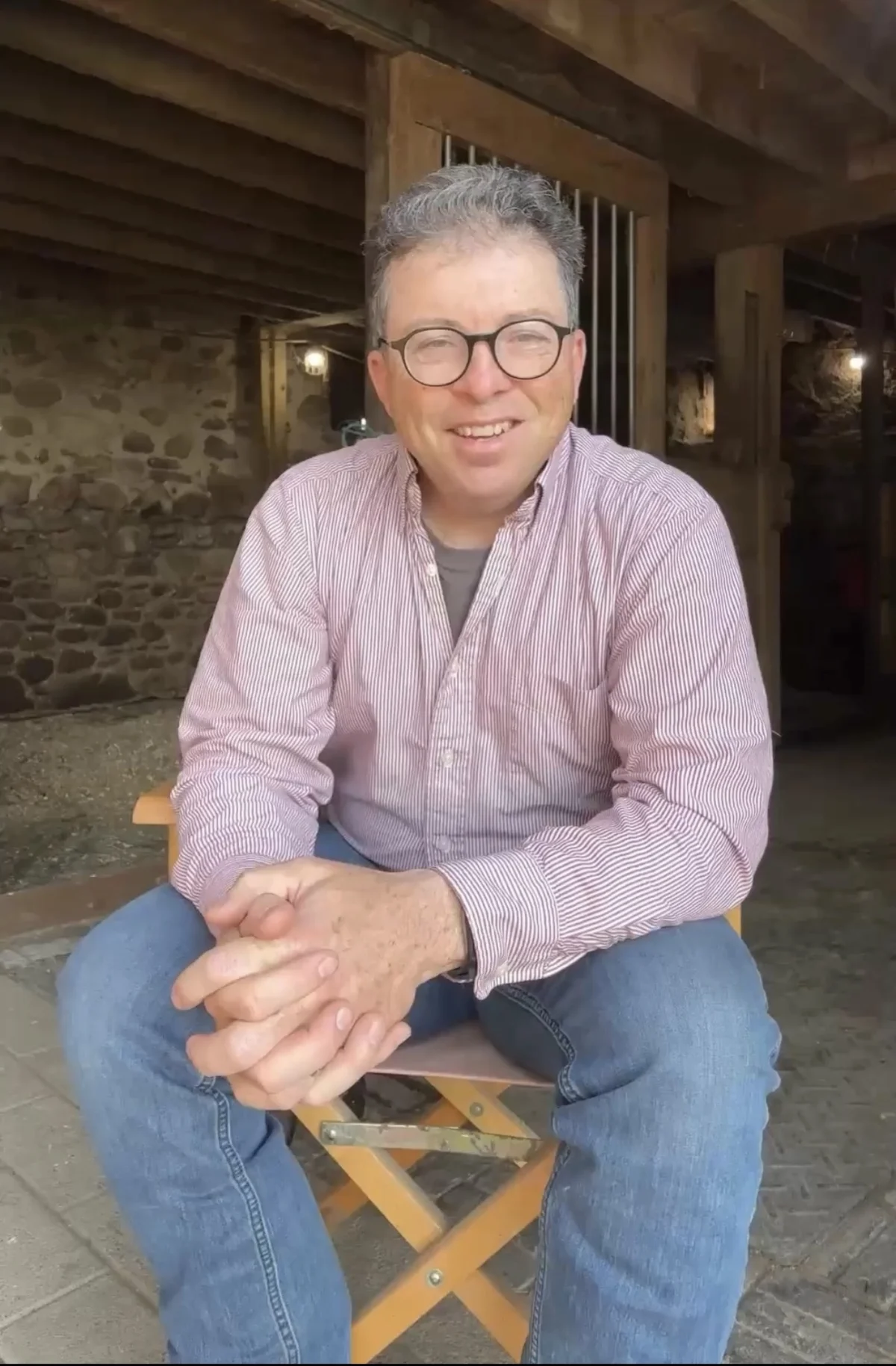
To help horse owners bridge the gap between traditional intuition and modern science, the Cornell Equine Hospital and Cornell Cooperative Extension are hosting the latest installment of their ongoing Equine Seminar Series. Scheduled for tomorrow, Tuesday, October 20, at 6:00 p.m. EST, the virtual event features agricultural specialist and seventh-generation horseman Ken Estes, MPS.
Estes will deliver a comprehensive presentation titled "Is My Horse Getting What It Needs? From Eyeball to Evidence in Feeding, Condition, and the Everyday Work of Horse Management." The seminar is free to attend, open to the public, and hosted virtually via Zoom, making expert-level veterinary and agricultural insights accessible to horse enthusiasts, backyard owners, and commercial barn managers alike.
Main Facts
The upcoming webinar serves as a practical masterclass in modern equine husbandry, focusing on how everyday caretakers can elevate their management practices without needing an advanced degree in animal nutrition.
- Event "Is My Horse Getting What It Needs? From Eyeball to Evidence in Feeding, Condition, and the Everyday Work of Horse Management"
- Presenter: Ken Estes, MPS, Agricultural Program Manager at Cornell Cooperative Extension of Livingston County and Managing Editor of LivCo Farm & Home News.
- Date & Time: Tomorrow, Tuesday, October 20, at 6:00 p.m. EST.
- Platform: Zoom (Advanced registration is required).
- Hosts: The Cornell Equine Hospital and Cornell Cooperative Extension.
- Cost: Free and open to the public.
- Core Focus: Translating forage science, dietary planning, and the Henneke body condition scoring system into user-friendly, practical tools for daily barn operations.
According to event organizers, the seminar is designed to address a common vulnerability in equine care: the tendency to misjudge a horse’s nutritional status due to seasonal hair growth, muscle asymmetry, or subjective visual bias. By introducing structured, evidence-based tools, Estes aims to empower horse owners to make precise, informed decisions regarding feed efficiency, forage quality, and body weight maintenance.
Chronology of the Initiative
The collaboration between the Cornell Equine Hospital and Cornell Cooperative Extension represents a sustained, long-term commitment to public education within the agricultural and veterinary communities.
The Evolution of Outreach
For years, the Cornell Equine Hospital—situated in Ithaca, New York, as a premier facility for specialized veterinary care and clinical research—recognized a growing need to bring specialized knowledge directly to horse owners. While clinical interventions are vital for acute injuries and complex diseases, preventative health and day-to-day management remain the first line of defense for equine longevity.
To address this, the Equine Seminar Series was established as a recurring monthly virtual platform. By leveraging the digital infrastructure accelerated in recent years, the series broke down geographic barriers, allowing rural horse owners, boarding stable managers, and 4-H youth across New York State and beyond to interact directly with top-tier researchers, clinicians, and agricultural educators.
Development of the Tools
The genesis of tomorrow’s specific presentation traces back to Ken Estes’s dual background as an academic researcher and a hands-on farm manager. Operating JoGlenn Farms in Caledonia, New York—land farmed by his family for three generations—Estes observed firsthand the disconnect between complex university-level forage science and the fast-paced realities of managing working sporthorses.
Over the past several years, Estes set out to build a bridge. He developed a suite of free, easy-to-use online utilities designed to integrate seamlessly into barn life. These digital and analytical tools help streamline forage analysis interpretation and standardize body condition scoring. Tomorrow’s webinar marks the public unveiling and practical demonstration of these systems within the framework of Cornell’s broader educational outreach.
Supporting Data and Technical Framework
To appreciate the value of Estes’s presentation, one must examine the specific scientific frameworks he addresses: the challenges of forage variability and the nuances of the Henneke Body Condition Scoring (BCS) system.
Decoding Forage Science
For most equines, forage—hay and pasture—comprises the vast majority of the daily diet. However, the nutritional content of forage is notoriously variable. Factors such as soil composition, maturity at harvest, curing weather, and storage conditions drastically alter digestible energy, crude protein, and non-structural carbohydrate (NSC) levels.
- The Problem: Many horse owners feed hay by the flake or the "eyeball" method, assuming uniform nutritional value across different batches.
- The Solution: Estes’s tools teach owners how to read laboratory forage analyses and translate parts-per-million and percentage readouts into actionable feeding plans. This prevents both under-supplementation (which leads to poor performance and weight loss) and over-supplementation (which increases the risk of metabolic disorders and laminitis).
Mastering the Henneke Body Condition Scoring System
Developed in the 1980s by Dr. Don Henneke, the BCS system is the gold standard for evaluating body fat on horses on a scale from 1 (poor) to 9 (extremely fat).
[ BCS 1-3: Poor / Emaciated ] ---> [ BCS 4-6: Moderate / Ideal ] ---> [ BCS 7-9: Fat / Obese ]
     (Ribs clearly visible)           (Level back, spongy fat)         (Crease down back, fat patches)
Despite its widespread acceptance, subjective visual assessment remains prone to error. Long winter coats can easily mask an animal losing condition, while heavy crests or apple-shaped rumps can make an otherwise lean horse appear overweight. Estes’s approach incorporates tactile assessment—feeling the fat cover over the ribs, behind the shoulder, along the neck, and at the tailhead—combined with structured scoring protocols to eliminate human bias.
Official Perspectives and Expert Background
Ken Estes brings a uniquely comprehensive perspective to the webinar, blending boots-on-the-ground agricultural experience with rigorous academic training.
Meet the Presenter
As the Agricultural Program Manager at Cornell Cooperative Extension of Livingston County, Estes oversees diverse community programs, including the Master Gardener Volunteer Program, and serves as Managing Editor of LivCo Farm & Home News.
Beyond his extension work, Estes operates JoGlenn Farms, where he breeds and raises Lippitt Morgan sporthorses while producing high-quality hay and forage. His academic credentials include a Master of Professional Studies (MPS) in Community and Economic Development from Penn State University. Furthermore, his appointment to the Livingston County Agricultural & Farmland Protection Board ensures that his approach to equine management is grounded in sustainable, long-term agricultural stewardship.
Institutional Backing
The Cornell Equine Hospital, globally renowned for its advanced medical technology, surgical expertise, and compassionate patient care, fully supports proactive educational initiatives like this seminar series. By partnering with Cornell Cooperative Extension—an organization dedicated to putting knowledge to work in New York communities—the hospital helps bridge clinical veterinary medicine and practical farm management.
University representatives emphasize that empowering owners with preventive knowledge ultimately reduces emergency veterinary interventions, improves equine welfare, and fosters a more sustainable equine industry across the region and beyond.
Implications for the Equine Industry
The shift from intuitive guesswork to structured, evidence-based management carries profound implications for horse welfare, economic efficiency, and environmental sustainability.
1. Enhanced Equine Welfare and Longevity
Obesity and nutritional imbalances are among the leading silent killers in modern domestic horses, contributing heavily to insulin dysregulation, equine metabolic syndrome (EMS), and debilitating conditions like laminitis. Conversely, under-nutrition compromises immune function, muscle recovery, and work performance. By adopting standardized condition scoring and precise forage management, owners can catch negative health trends weeks or months before they manifest as clinical emergencies.
2. Economic Efficiency for Owners and Facilities
Feed is consistently the single largest operational expense for any horse owner or boarding facility. Relying on "eyeball" estimates often leads to wasted feed, unnecessary purchases of expensive commercial concentrates, or poor feed conversion rates. Structured management tools allow operators to optimize forage utilization, target supplementation only where necessary, and significantly cut monthly feed overhead.
3. Sustainability and Environmental Stewardship
Over-grazing and poor pasture management can lead to soil degradation, nutrient runoff, and weed proliferation. By integrating forage science into daily farm routines, managers can better rotate pastures, calculate carrying capacities, and maintain healthy vegetative cover. This protects local watersheds and ensures long-term agricultural productivity for multi-generational farms like those in Livingston County.
How to Attend
Registration for tomorrow’s webinar is strictly required to secure access. Interested participants can complete their registration by visiting the official Cornell Zoom Webinar Registration Portal.
Once registered, attendees will receive a confirmation email containing a personalized link to join the live virtual session at 6:00 p.m. EST on Tuesday, October 20. A question-and-answer period is expected to follow the presentation, giving participants an opportunity to consult directly with Ken Estes regarding specific nutritional and management challenges in their own barns.
For more information regarding the Cornell Equine Hospital, upcoming installments of the Equine Seminar Series, or specialized veterinary services, visit the official Cornell University College of Veterinary Medicine website.