OREGON — State animal health officials and equine welfare organizations have issued heightened alerts following the confirmation of multiple new cases of pigeon fever across several counties in Oregon. The bacterial infection, known scientifically as Corynebacterium pseudotuberculosis, has been officially reported in Deschutes, Crook, Umatilla, Jackson, and Morrow counties, according to recent updates from the Equine Disease Communication Center (EDCC) Health Watch.
The outbreak has prompted veterinarians, stable managers, and equestrian organizations to review biosecurity protocols to prevent further transmission of the disease during its peak seasonal window. While pigeon fever is rarely fatal when treated promptly, its distinct and often distressing physical symptoms—alongside the potential for costly veterinary intervention and temporary quarantine of affected animals—make it a significant concern for the regional equine community.
Main Facts: Understanding the Oregon Outbreak
Pigeon fever—historically referred to by various regional names including dryland distemper—is an infectious, non-contagious bacterial disease primarily affecting equids, though it can occasionally impact cattle and other livestock. The recent cluster of cases spanning both eastern and western parts of Oregon highlights the widespread environmental presence of the causative bacterium, Corynebacterium pseudotuberculosis.
Key Details of the Outbreak:
- Affected Regions: Deschutes, Crook, Umatilla, Jackson, and Morrow counties.
- Species Impacted: Primarily horses, with potential vulnerability in cattle.
- Transmission Vector: Soil-borne bacteria entering through broken skin, insect vectors (such as houseflies and stable flies), and contaminated equipment or environment.
- Peak Season: Late summer through late autumn, driven by environmental conditions favorable to insect activity and dry soil.
The disease gets its common name, "pigeon fever," from the prominent pectoral (chest) swellings that develop in many infected horses. These swellings can become so pronounced that the horse’s chest resembles the puffed-out breast of a pigeon.
Chronology of the Spread: Tracking the 2024 Cases
While sporadic cases of pigeon fever occur annually in western and southwestern states, the concentration of reports across five distinct Oregon counties within a condensed timeframe has raised red flags among equine epidemiologists.
Late Summer Emergence
As seasonal temperatures peaked across Oregon in late summer, agricultural extension offices and regional veterinarians began receiving inquiries regarding horses presenting with unexplained pectoral edema and soft-tissue swellings. Historically, pigeon fever was considered a disease predominantly found in California and the southwestern United States; however, shifting climate patterns, warmer winters, and extended dry spells have gradually expanded its geographic footprint northward into the Pacific Northwest.
Laboratory Confirmation and EDCC Reporting
Throughout September and into October, veterinary diagnostics laboratories in the region confirmed Corynebacterium pseudotuberculosis cultures from symptomatic equines in Deschutes and Crook counties in Central Oregon, moving eastward into Umatilla and Morrow counties, as well as southward into Jackson County.
Recognizing the potential for rapid localized dissemination among shared boarding facilities and trail riding groups, the EDCC disseminated verified health reports via its Health Watch program. This rapid communication allowed local practitioners to advise clients on early identification and isolation strategies, mitigating the risk of larger barn outbreaks.
Supporting Data and Clinical Manifestation of Pigeon Fever
To understand the gravity of the current Oregon advisory, it is essential to examine how Corynebacterium pseudotuberculosis operates biologically and clinically within the equine host.
Pathogenesis and Symptoms
The bacterium resides in the soil and can survive in the environment for extended periods, particularly in organic matter and manure. Horses typically contract the infection when the organism breaches the epidermal barrier via:
- Minor cuts, scrapes, or abrasions.
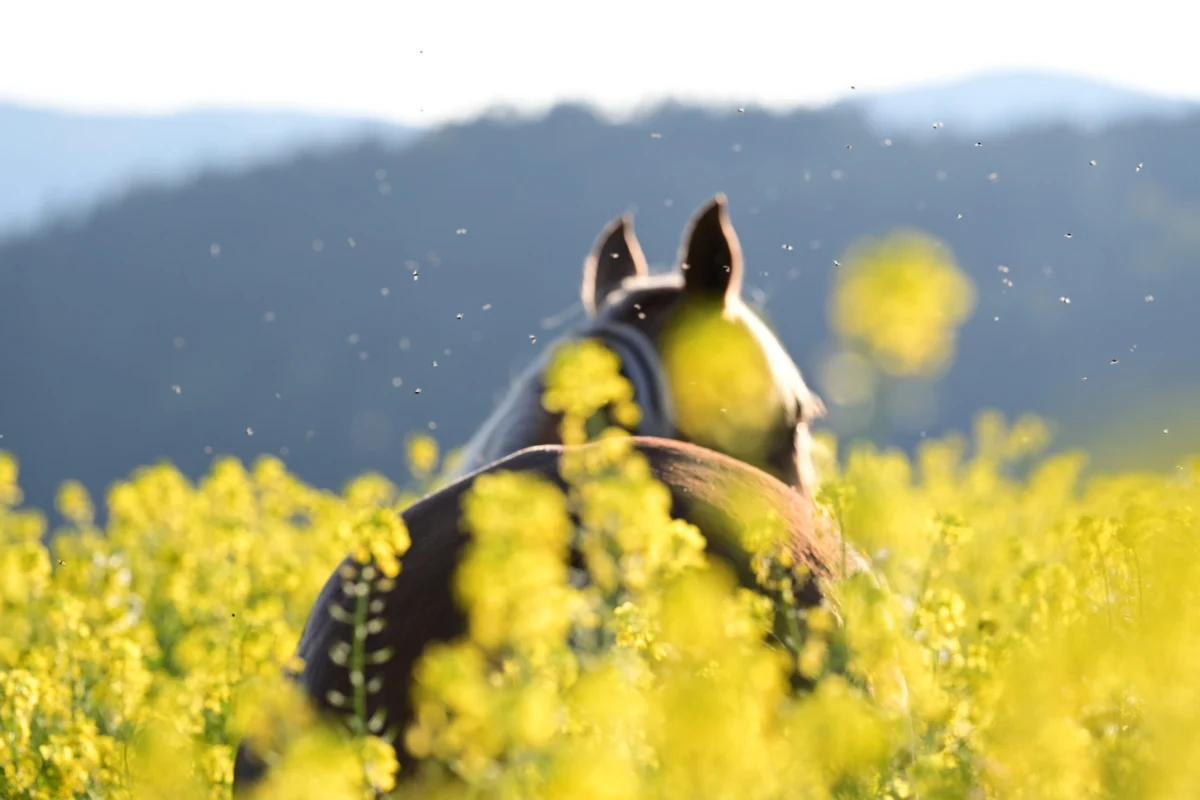
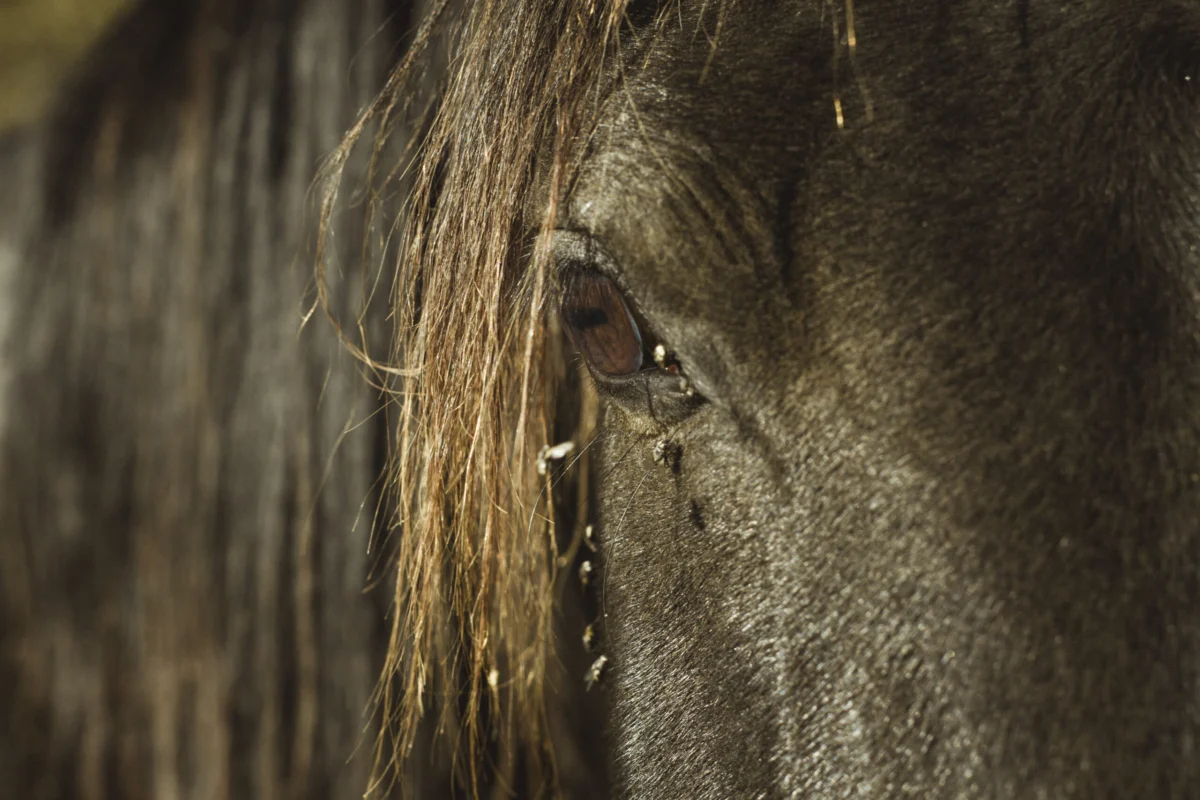
- Insect bites (with houseflies, stable flies, and horn flies acting as primary mechanical vectors).
- Direct contact with contaminated fencing, grooming tools, or stable walls.
Once inside the body, the bacteria multiply and typically trigger a robust immune response, leading to localized inflammation and abscess formation. There are three primary clinical presentations of pigeon fever in horses:
-
External Abscessation (The Most Common Form):
Accounting for up to 80% of cases, this form manifests as large, painful abscesses. While they most frequently appear on the chest (pectoral region) and ventral midline (belly), they can also develop in the groin, axilla (armpit), and neck. These abscesses eventually mature, soften, and rupture, discharging a characteristic thick, cream-colored or pale-green odorless pus. -
Internal Infection:
In roughly 8% to 10% of cases, the bacteria spread internally via the lymphatic or circulatory systems. This form can affect internal organs, including the liver, spleen, kidneys, and lungs, leading to internal abscesses. Symptoms of internal pigeon fever are non-specific and may include chronic weight loss, lethargy, fever, and intermittent colic. This form carries a significantly higher mortality rate and requires intensive veterinary management. -
Ulcerative Lymphangitis:
This less common form involves inflammation of the lymphatic vessels, typically in the lower limbs. It causes severe swelling, lameness, and painful, ulcerating nodules along the legs.
Diagnostic Protocols
Veterinarians diagnose pigeon fever through a combination of clinical presentation, physical examination, and microbiological culture of the purulent discharge. Ultrasound imaging is frequently utilized to evaluate the depth of abscesses and determine whether they are mature enough to lance and drain safely. Blood work, including complete blood counts and serum protein analysis, is often performed to rule out or confirm internal involvement.
Official Responses and Expert Recommendations
In response to the multi-county outbreak, animal health authorities, state veterinarians, and equine welfare groups have mobilized to educate horse owners on proactive management and biosecurity measures.
Veterinary Guidance on Treatment
Veterinary consensus emphasizes that management of external pigeon fever abscesses centers on supportive care.
- Lancing and Drainage: Once an abscess is fully "ripe" or soft, a veterinarian will typically lance it to allow complete drainage. Flushing the cavity with a dilute antiseptic solution is often necessary.
- Biosecurity and Waste Management: Because the discharge from these abscesses contains millions of infectious bacteria, strict hygiene is paramount. Drainage material must be collected and disposed of safely to prevent environmental contamination of pastures and stalls.
- Antibiotic Controversy: The use of systemic antibiotics in external cases is a subject of ongoing debate among equine practitioners. In many instances, antibiotics can prolong the course of the disease by preventing the abscesses from maturing and localizing properly. However, antibiotics are strictly indicated for horses presenting with internal infections, severe systemic illness, or ulcerative lymphangitis.
Best Management Practices for Horse Owners
To limit the spread of pigeon fever within herds and across properties, agricultural extension services and equine health experts recommend implementing the following biosecurity protocols:
- Strict Fly Control: Because insects play a major role in transmitting the bacteria from horse to horse, implementing rigorous fly control measures—such as using fly masks, sheets, automatic misting systems, and approved repellents—is critical during peak season.
- Wound Management: Promptly clean, disinfect, and treat all minor scrapes, cuts, and abrasions. Keep horses away from environments with sharp debris or protruding objects that could cause skin breaks.
- Quarantine New Arrivals: Isolate newly purchased or traveling horses for a minimum of 21 days, monitoring them daily for signs of swelling, lethargy, or elevated temperature.
- Sanitation of Equipment: Never share grooming tools, blankets, tack, or feed buckets between horses without thoroughly cleaning and disinfecting them. Wear disposable gloves when treating draining abscesses, and wash hands and clothing immediately afterward.
- Manure and Puss Management: Properly compost or remove manure from paddocks regularly. Collect all bandages, gauze, and bedding soiled with pus from ruptured abscesses and dispose of them securely in sealed trash bags away from livestock housing.
Implications for the Oregon Equine Industry
The emergence of pigeon fever across Deschutes, Crook, Umatilla, Jackson, and Morrow counties carries broad operational, financial, and emotional implications for Oregon’s vibrant equine industry.
Economic and Operational Impact
Oregon supports a diverse equestrian community encompassing competitive sports, recreational trail riding, breeding operations, and working ranches. An outbreak of an infectious condition like pigeon fever can cause immediate operational disruptions:
- Quarantine Measures: Boarding and training facilities diagnosed with active cases often must implement voluntary or mandatory quarantines, halting incoming and outgoing equine traffic, lessons, and shows.
- Veterinary Expenses: While external pigeon fever is rarely fatal, treating multiple or deep-seated abscesses requires professional veterinary intervention, diagnostic imaging, and pharmaceutical support, which can accumulate significant costs for owners.
- Show and Event Cancellations: Organizers of equestrian events in affected counties must heighten biosecurity screening at entry gates, occasionally leading to reduced participation or event postponements out of an abundance of caution.
The Human-Animal Bond and Psychological Stress
For horse owners, managing an animal with large, oozing, and painful abscesses can be emotionally taxing and labor-intensive. Daily wound flushing, stall cleaning, and administering medications require dedication and strict adherence to biosafety protocols to prevent human infection. While Corynebacterium pseudotuberculosis is primarily an animal pathogen, rare zoonotic transmissions to humans handling infected material with broken skin can occur, resulting in localized skin lesions or lymphadenitis. This underscores the necessity of wearing gloves and practicing rigorous personal hygiene.
Climate and Long-Term Outlook
As regional weather patterns continue to feature warmer summers and prolonged dry periods, equine health specialists warn that the geographic distribution of vector-borne and soil-dwelling bacterial pathogens may continue to shift. Continuous surveillance, transparent reporting through networks like the EDCC, and proactive owner education remain the most effective defenses against future outbreaks.
Horse owners in Oregon who observe sudden swellings, lethargy, or any signs of illness in their animals are strongly urged to contact their local veterinarian immediately for accurate diagnosis and tailored treatment plans. By adhering to established biosecurity measures and maintaining vigilance through the late summer and autumn transition, the Oregon equestrian community can successfully navigate the current health challenge and protect the welfare of the region’s equine population.