Main Facts: The Parker County Incident
An outbreak of Equine Herpesvirus-1 (EHV-1) has been confirmed at a rescue facility in Parker County, Texas, following the death of a young donkey. The incident, which came to light in late June, serves as a sobering reminder of the volatility of this highly contagious viral pathogen.
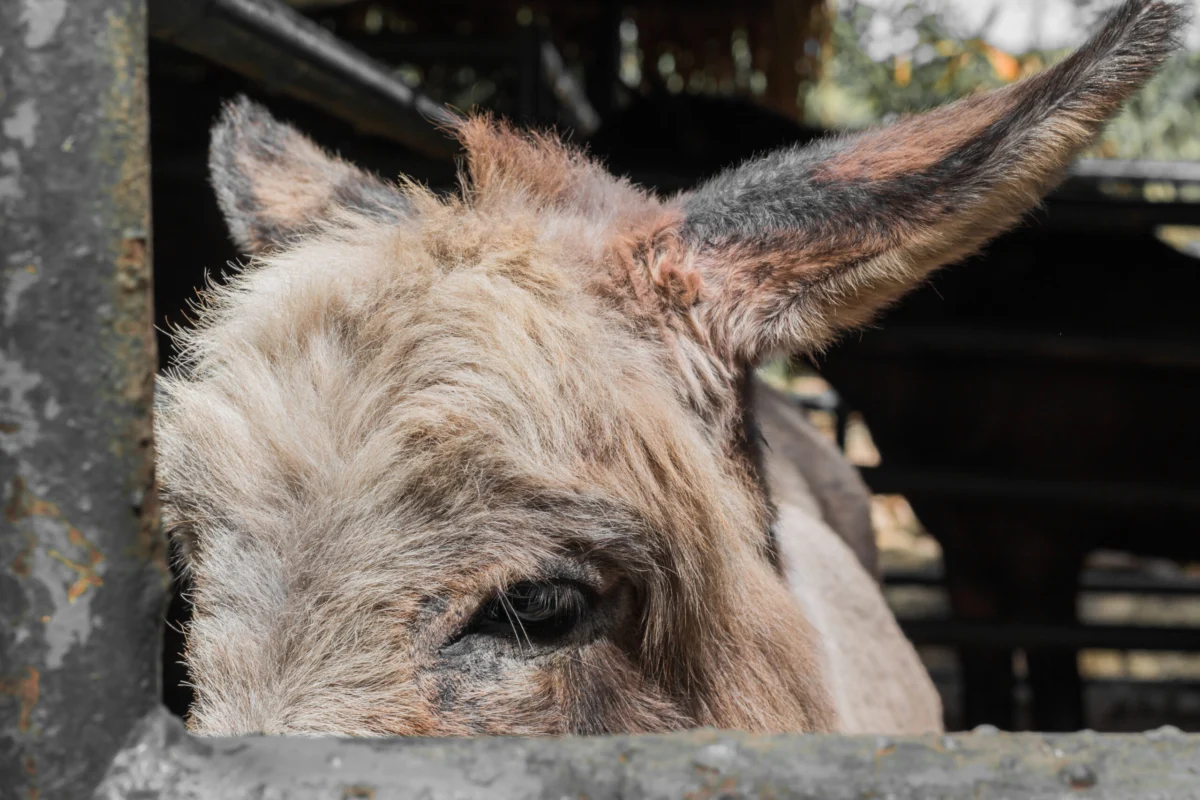
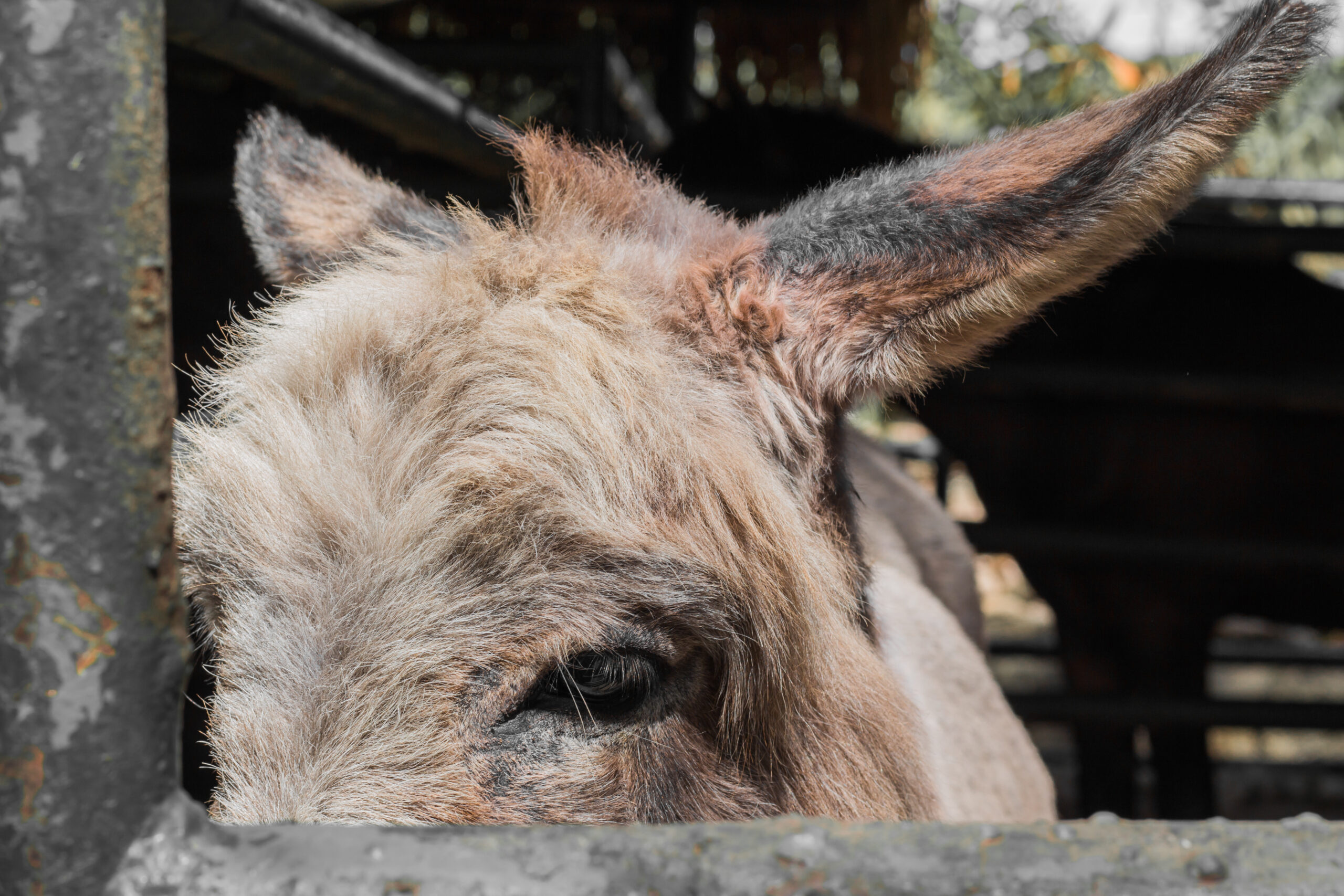
On June 24, laboratory results confirmed that a weanling donkey filly had succumbed to an EHV-1 infection. The facility, which provides sanctuary for at-risk equids, acted swiftly to isolate the remaining population; however, the speed at which the virus manifested in the young filly highlights the devastating potential of EHV-1 in congregate settings. The facility is currently under strict quarantine protocols, with seven additional equids identified as having been directly exposed to the pathogen.
Equine herpesvirus-1 is a significant threat to the global horse industry, not only due to its morbidity rates but also because of the economic and emotional toll it exacts on owners, breeders, and rescue organizations. Unlike many other common equine pathogens, EHV-1 is particularly insidious because it can present in three distinct forms: respiratory disease (rhinopneumonitis), reproductive failure (abortion in mares), and the life-altering Equine Herpes Myeloencephalopathy (EHM), the neurologic form of the virus.
Chronology of the Outbreak
The timeline of the Parker County case underscores the rapid progression of the disease in susceptible, young animals.
- June 17: The weanling donkey filly first began exhibiting overt clinical signs. Caretakers noted a marked shift in the animal’s demeanor, characterized by extreme lethargy. Physical examinations revealed a spike in fever, an elevated heart rate, and an increased respiratory rate. Notably, the filly also suffered from diarrhea, a symptom that can sometimes be secondary to the systemic stress of a viral infection.
- June 17–23: Over the course of the following week, the filly’s condition deteriorated rapidly despite supportive care. The neurological and systemic impact of the virus progressed to a point where the animal’s quality of life could no longer be sustained.
- June 24: Following the filly’s humane euthanasia, diagnostic samples were processed, and the presence of EHV-1 was officially confirmed.
- June 25–Present: The rescue facility initiated immediate containment procedures. Seven equids that shared space or equipment with the infected filly were placed under a strict quarantine order. These animals are being monitored twice daily for temperature spikes and respiratory or neurological symptoms.
Understanding the Pathogen: EHV-1 101
To grasp the gravity of the Texas case, one must understand the biological mechanics of the Equine Herpesvirus. EHV-1 is a DNA virus that is ubiquitous in the equine population worldwide. Most horses are exposed to the virus early in life, often during their time as foals. Once infected, the virus can establish a latent infection in the horse’s body, remaining "dormant" in the lymph nodes or nervous system for years.
The Three Faces of EHV-1
- Rhinopneumonitis: This is the most common manifestation, typically presenting as a respiratory infection in young horses. Symptoms include nasal discharge, cough, fever, and a general malaise. While usually self-limiting, it serves as a primary vector for shedding the virus into the environment.
- Reproductive Failure: EHV-1 is a leading cause of abortion in broodmares. The virus targets the placenta, cutting off the blood supply to the fetus. Often, the mare shows no symptoms of illness before the abortion occurs. These events can happen as late as eight months into gestation, leading to significant losses in breeding programs.
- Equine Herpes Myeloencephalopathy (EHM): This is the most feared manifestation. EHM occurs when the virus damages the blood vessels in the brain and spinal cord. The clinical signs are dramatic and frightening: ataxia (stumbling or incoordination), "dog-sitting" posture, inability to stand, and bladder dysfunction.
Supporting Data and Transmission Dynamics
The transmission of EHV-1 is highly efficient, which is why quarantine measures are so disruptive to horse facilities. The virus spreads primarily through:
- Direct Contact: Nose-to-nose contact between horses is the most common route of infection.
- Aerosolization: While less common than direct contact, the virus can be spread over short distances via respiratory droplets produced during coughing.
- Fomites: This is a critical factor often overlooked by amateurs. The virus can survive on clothing, grooming brushes, buckets, water troughs, and even the hands of handlers. A person who pets an infected horse and then walks into a different paddock can unknowingly act as a mechanical vector, spreading the disease across a property.
The "silent shedder" phenomenon also complicates containment. Adult horses may be latent carriers of the virus. Under conditions of stress—such as transport, commingling at a new facility, or extreme weather—the virus can reactivate, causing the horse to shed the virus even if they appear perfectly healthy. This is likely how the virus entered the rescue environment in Parker County.
Official Responses and Biosecurity Recommendations
The Equine Disease Communication Center (EDCC) continues to monitor the situation. The EDCC is a nonprofit organization that relies on industry donations to provide open-access information to the public. They emphasize that while vaccines exist, they are not a "silver bullet."
The Vaccination Reality
Current EHV-1 vaccines on the market are designed to reduce the severity of respiratory disease and, in some cases, help prevent abortion in pregnant mares. However, it is a common misconception that these vaccines provide comprehensive protection against EHM. Currently, no vaccine is fully effective at preventing the neurologic form of the disease. Consequently, the industry relies on biosecurity as the first and last line of defense.
Recommended Best Practices
For facilities managing multiple equids, the following protocols are considered the industry standard for minimizing risk:
- Isolation Protocols: New arrivals should be quarantined for at least 21 days. During this period, they should be housed in a separate structure, handled by different staff, and have dedicated equipment that is not used by the general population.
- Strict Hygiene: Staff should utilize footbaths with appropriate disinfectants when entering and exiting quarantine zones. Hands must be washed thoroughly, and protective clothing should be changed between groups.
- Temperature Monitoring: During an outbreak or a quarantine period, monitoring rectal temperatures twice daily is the most effective way to detect an infection before clinical signs become obvious. Any horse showing a temperature above 101.5°F (38.6°C) should be isolated immediately.
- Cleaning and Disinfection: Surfaces must be cleaned of organic matter (manure, dirt, bedding) before disinfectant is applied. Many disinfectants are inactivated by the presence of organic debris, rendering them useless if the surface isn’t cleaned first.
Implications for the Equine Community
The Parker County outbreak serves as a stern reminder that even small, well-intentioned rescue operations are susceptible to the same catastrophic health risks as high-end performance stables. The impact of such an outbreak is multifaceted.
Financial Implications
The cost of an outbreak is staggering. Aside from veterinary bills and the potential loss of life, the economic impact includes the cessation of all facility activities, the loss of income from boarders or training, and the cost of extensive environmental decontamination. For a rescue facility, these costs can threaten the viability of the entire organization, potentially leaving other animals without a safe haven.
The "Rescue Risk"
Rescue facilities often take in animals with unknown health histories. This lack of medical background makes them particularly vulnerable to the introduction of infectious diseases. The integration of quarantine facilities into the operational budget of any rescue or boarding facility is not merely a "best practice"—it is a professional necessity.
Moving Forward
As the Texas facility navigates the aftermath of this tragedy, the broader equine community must use this information to audit their own biosecurity plans. The reality of EHV-1 is that it is a constant, quiet presence in the horse world. When complacency sets in, the virus finds the path of least resistance.
In conclusion, the death of the weanling in Parker County is a tragedy that underscores the need for constant vigilance. While we cannot always predict when or where EHV-1 will strike, we can dictate the environment in which it operates. Through robust biosecurity, transparent reporting to entities like the EDCC, and a commitment to animal health, the industry can work to minimize the frequency and severity of these outbreaks. The best method of disease control, ultimately, remains the prevention of the disease itself.