In an era where pet owners increasingly view their animals as integral family members, the demand for reliable nutritional guidance has never been higher. Yet, a recent feature by Good Housekeeping titled “8 Dog Food Brands Vets Actually Recommend” has ignited a firestorm of criticism from industry experts and pet health advocates. By relying on broad, unsubstantiated claims and failing to distinguish between critical industry standards, the article has highlighted a systemic failure in how mainstream media outlets vet nutritional advice for the nation’s pets.
The Core Controversy: Examining the Claims
The Good Housekeeping piece centered on consultations with two veterinarians: Dr. Alejandro Caos and Dr. Megan Conrad. While the intention was to provide a "best of" list, the experts’ contributions have been flagged by consumer advocates for promoting outdated myths and vague terminology that provides little actionable value to the average pet parent.
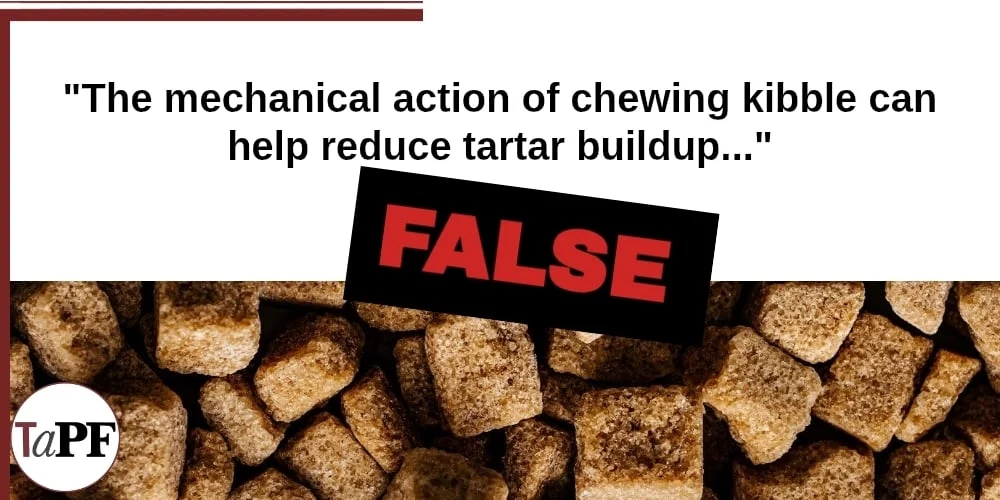
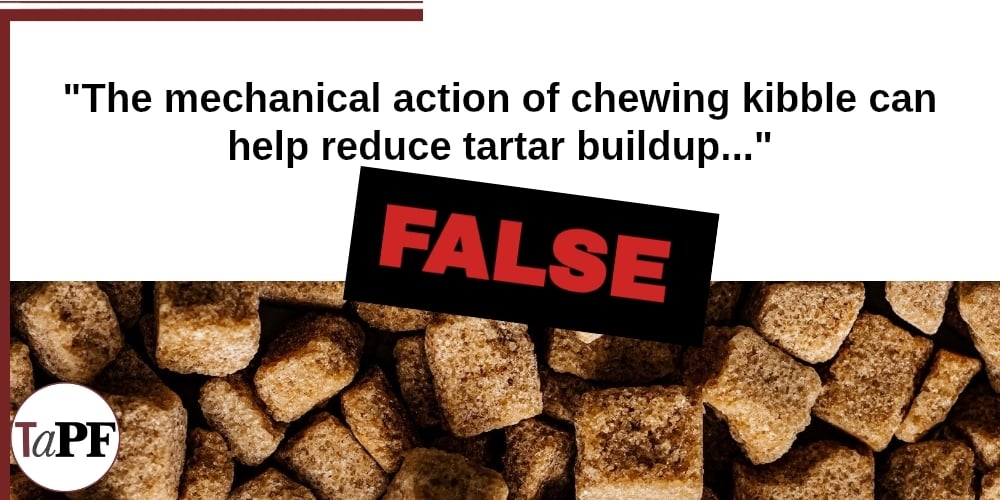
The most egregious claim involved the selection of Nutro Ultra Dry Dog Food as the "Best Overall" choice. In support of this selection, Dr. Caos suggested that the "crunchy texture" of the kibble aids in dental health, arguing that the mechanical action of chewing scrapes away plaque and reduces tartar buildup.
However, veterinary dental specialists have long noted that this is a persistent myth. Unless a kibble has been specifically tested and certified by organizations like the Veterinary Oral Health Council (VOHC)—which requires rigorous clinical trials—standard dry food does not possess the structural integrity or functional design to effectively clean a dog’s teeth. Most kibble shatters upon impact, failing to provide the "scraping" action required to reduce dental disease. By presenting this as a general benefit of dry food, the article inadvertently misleads owners into a false sense of security regarding their pet’s oral hygiene.
Chronology of the Critique
The critique of this article did not emerge in a vacuum. It follows a growing pattern of frustration regarding the intersection of veterinary advice and the pet food industry.
- Publication: Good Housekeeping publishes its listicle, featuring endorsements from two veterinarians and citing brand quality without defining the metrics used for evaluation.
- Initial Scrutiny: Pet food consumer advocate Susan Thixton and the Association for Truth in Pet Food (ATPF) identify several logical fallacies, including the dental health myth and the lack of differentiation between "human grade" and "feed grade" products.
- The Call for Transparency: Advocates reach out to the publication, highlighting that the advice provided lacks the nuance required for modern pet owners, specifically regarding the regulatory standards that govern the industry.
- Ongoing Dialogue: The incident serves as a flashpoint for a broader discussion on the need for evidence-based journalism in the pet health sector, prompting calls for veterinarians to provide peer-reviewed citations when making public brand recommendations.
Supporting Data: Understanding Industry Definitions
A significant portion of the frustration stems from the lack of technical clarity in the Good Housekeeping article. When experts use terms like "nutritionally balanced" or "high-quality ingredients," they are often speaking in industry jargon that the average consumer interprets in ways the experts may not intend.
The Human Grade vs. Feed Grade Divide
One of the most glaring omissions in the Good Housekeeping piece was the distinction between "human grade" and "feed grade" pet foods. Among the brands recommended, only Ollie Pet Food is classified as human grade. Yet, the article describes it merely as offering "homemade-looking dinners," completely failing to explain to readers that human-grade facilities are held to entirely different regulatory standards than the vast majority of feed-grade manufacturers.
Feed-grade ingredients, which constitute the bulk of the market, operate under a different set of enforcement policies. In fact, the FDA has historically maintained a stance of "enforcement discretion" regarding the use of ingredients from animals that have died other than by slaughter, provided they are processed in a way that renders them "safe" for animal consumption. By failing to highlight the difference between these categories, Good Housekeeping ignored a fundamental safety and quality factor that is increasingly important to consumers.
Defining "Nutritionally Balanced"
Dr. Conrad’s recommendation of Purina ProPlan as "one of the most nutritionally balanced options" is a phrase often repeated in veterinary circles, yet it remains ill-defined in the article. Does "balanced" imply compliance with AAFCO (Association of American Feed Control Officials) minimums? Or does it suggest superior bioavailability of nutrients? Without a breakdown of what makes one formula more "balanced" than another, such endorsements serve more as brand marketing than as nutritional science.
Official Responses and Regulatory Context
The Good Housekeeping article invokes a 125-year history of "evaluating products and advocating for consumers." However, critics argue that in this instance, the publication failed to consult the primary regulatory documents that govern the industry.

The AAFCO Official Publication (OP) acts as the rulebook for pet food manufacturing in the United States. It is a dense, technical document that defines what ingredients are permissible and how labels must be constructed. Advocates argue that neither the consulted veterinarians nor the editorial staff appear to have referenced these standards.
When media outlets publish health advice without referencing the AAFCO standards or the FDA’s regulatory frameworks, they bypass the very safeguards that exist to protect the consumer. For instance, the FDA’s public stance—that they do not view the use of diseased animals or non-slaughtered livestock as a safety concern for animal food—is a critical piece of context that would have informed readers about why the distinction between human grade and feed grade is so vital.
Implications for Pet Owners
The implications of this journalism are profound. When pet owners are told that kibble cleans teeth or that a brand is "nutritionally balanced" without evidence, they may neglect professional dental care or fail to question their vet when their pet develops diet-related health issues.
The goal is not to vilify individual veterinarians, many of whom are well-meaning and dedicated. Rather, the goal is to highlight a lack of information within the veterinary community regarding the complexities of the pet food supply chain. Many practitioners are trained extensively in clinical medicine but receive very little formal education on the intricacies of pet food manufacturing, rendering, and ingredient safety.
Empowering the Consumer: A New Path Forward
For pet owners who feel confused by conflicting advice, there is a path forward. The next time a veterinarian recommends a specific brand, owners are encouraged to move beyond the recommendation and ask for the evidence:
- "What is your definition of ‘high-quality ingredients’?" Ask if they are referring to human-grade or feed-grade standards.
- "Is this brand human-grade?" If not, what specific manufacturing standards separate it from others?
- "Can you provide peer-reviewed science for this recommendation?" If a brand is touted as "nutritionally superior," there should be clinical studies to back that claim beyond simple AAFCO compliance.
- "How does this food meet the VOHC standards for dental health?" If dental benefits are being claimed, look for the VOHC seal rather than relying on the "crunchy kibble" myth.
Conclusion: A Call for Accountability
Good Housekeeping holds a position of significant influence in American households. When they publish advice on pet nutrition, they have a responsibility to look past the surface-level marketing and examine the regulatory reality of the products they endorse.
By failing to challenge the status quo, the publication missed an opportunity to educate the public on the importance of ingredient sourcing and nutritional transparency. For the sake of our pets, it is time for media outlets and the veterinary community to move away from brand-centric endorsements and toward a model of rigorous, evidence-based advocacy. Only by holding manufacturers and consultants accountable can we ensure that the food we put in our pets’ bowls is truly as healthy as the labels claim.