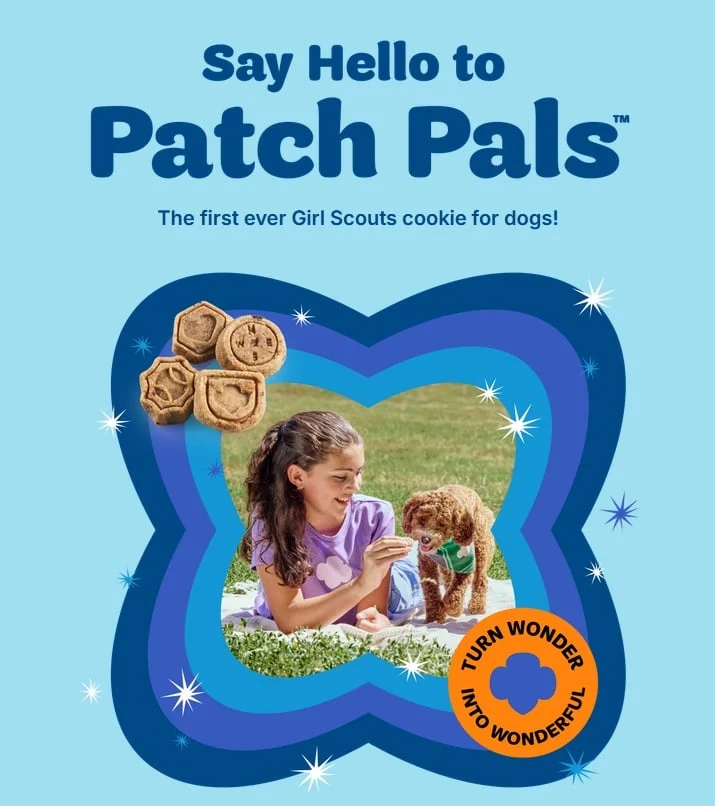
The Girl Scouts of the USA (GSUSA), an organization synonymous with community service, empowerment, and iconic annual cookie sales, has officially expanded its brand into the pet market. The newly announced "Patch Pals"—soft-baked, blueberry muffin-flavored treats for dogs—are marketed as a celebration of the unique bond between humans and their canine companions. However, what was intended to be a heartwarming extension of a beloved American brand has triggered a wave of controversy among pet food safety advocates.
While the branding emphasizes nostalgia and "iconic Girl Scout experiences" through creative, badge-inspired designs on the treats, a closer inspection of the ingredient label has revealed a troubling reality. The primary ingredient—the component present in the highest quantity by pre-cooked weight—is listed as "Dried Bakery Product." For those unfamiliar with the complexities of pet industry terminology, this innocuous-sounding phrase masks a supply chain that experts argue is far from the premium quality consumers expect from an organization of the Girl Scouts’ stature.
The Anatomy of a "Patch Pals" Cookie
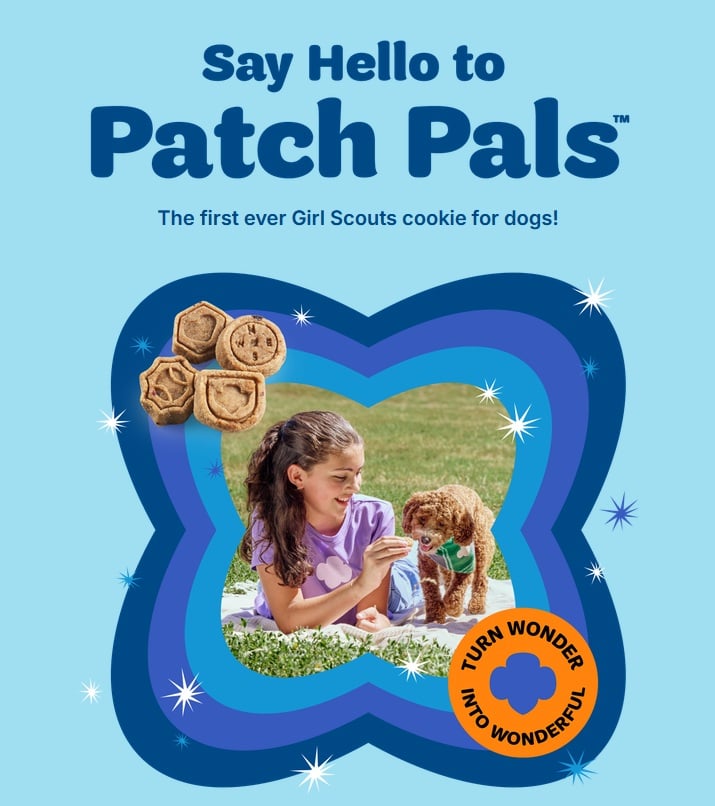
The Girl Scouts’ official marketing materials for the 2026–2027 season describe Patch Pals as a premium experience for pets. The product features four distinct "patch" designs intended to mirror the merit badges earned by scouts. The aesthetic appeal is clear, and the partnership with industry leaders to bring these to market suggests a high-level commercial strategy.
However, beneath the decorative surface lies a formulation that has drawn sharp criticism from consumer advocacy groups. According to the ingredient list, the primary constituent is "Dried Bakery Product." To the average consumer, this might sound like surplus cookies or bread from a bakery. In reality, the legal definition of this ingredient, as recognized by regulatory bodies, is far more industrial.
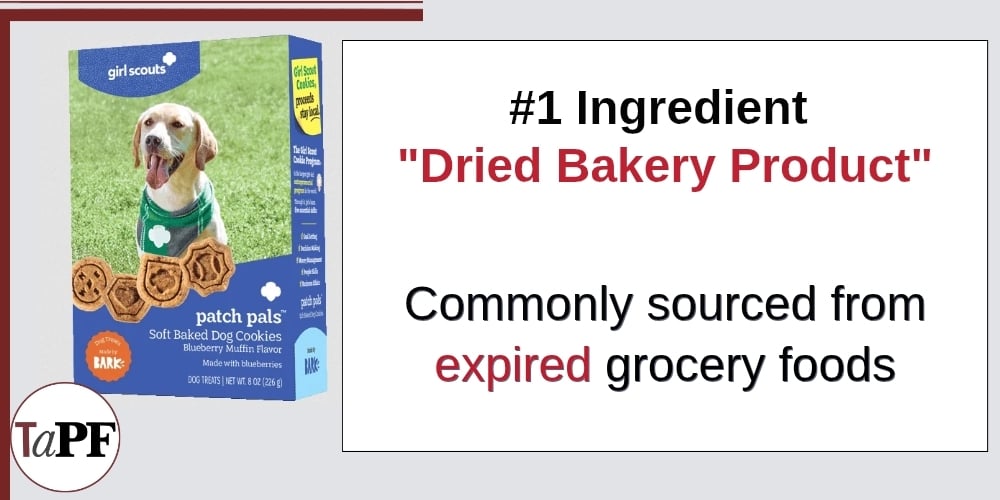
According to AAFCO (Association of American Feed Control Officials) standards, "Dried Bakery Product" is defined as a mixture of bread, cookies, cake, crackers, flours, and doughs that have been mechanically separated from non-edible material, then artificially dried and ground. The "non-edible material" referenced in this definition is, quite literally, the packaging—plastic, foil, and cardboard that once contained the original products.
The Mechanics of "Recycled" Ingredients
The process of creating Dried Bakery Product is an industrial feat of "depackaging." Using high-speed machinery, expired or damaged inventory from grocery stores, bakeries, and distribution centers is fed into grinders that attempt to separate the food from the packaging.
Critics point out that this process is far from perfect. The definition does not prohibit the use of materials that may have been subjected to mold growth—such as loaves of bread left on shelves well past their expiration dates—nor does it guarantee the total removal of micro-plastics or packaging remnants that may be pulverized during the grinding process.
Historically, this ingredient has been utilized primarily in the livestock industry as a low-cost energy source. It is rarely found in high-end, human-grade, or even quality-controlled commercial pet foods. Its inclusion in a product marketed by an organization known for its focus on youth development and community welfare has led many to characterize the choice as an "inexpensive shortcut" that prioritizes profit margins over the health of the pets consuming the product.
A Chronology of the Controversy
The rollout of Patch Pals has been swift, but the backlash began almost immediately following the publication of the ingredient list by pet food safety watchdog groups.
- September 2026: Girl Scouts of the USA officially announces the launch of Patch Pals, branding them as a way to "celebrate the bond between people and their pups."
- Late September 2026: Pet food consumer advocates, led by organizations like the Association for Truth in Pet Food, begin analyzing the technical specifications and ingredient labeling of the new treats.
- Early October 2026: Concerns are raised publicly regarding the "Dried Bakery Product" labeling. The public becomes aware that the primary ingredient is effectively a mixture of reclaimed grocery store waste.
- October 2026–Present: Advocacy groups release video evidence and technical definitions, calling for greater transparency from the GSUSA and their manufacturing partners.
- Ongoing: Consumers begin requesting clarification from the GSUSA, seeking to understand why a premium brand would opt for "feed-grade" ingredients over human-grade alternatives.
Regulatory Definitions and the "Feed-Grade" Distinction
One of the most significant issues at play is the distinction between "human-grade" and "feed-grade" ingredients. In the pet food industry, products are not subject to the same stringent safety standards as food intended for human consumption. While "Dried Bakery Product" is technically a legal ingredient for use in animal feed, its presence at the top of an ingredient list suggests that the cookie is built upon a foundation of surplus, potentially compromised waste rather than high-quality nutrition.
The reliance on these types of ingredients is often driven by a desire for cost reduction. When a manufacturer uses Dried Bakery Product, they are essentially sourcing a variable, inconsistent commodity. Because the source material (the "bakery waste") changes depending on what is being thrown away at any given store or facility, the nutrient profile of the final product can fluctuate, and the risk of contamination—whether by mold or non-food debris—is significantly higher than with standard flour or grains.
The Ethical Dilemma for the Girl Scouts
The Girl Scouts of the USA occupy a unique space in American culture. For over a century, the organization has emphasized character, honesty, and responsibility. The launch of a pet product under their banner carries the weight of the organization’s reputation.

"We assume the decision-makers at Girl Scouts USA did not investigate the ingredients in their new dog cookie," notes Susan Thixton, a prominent pet food consumer advocate. "They did not ask what ‘Dried Bakery Product’ actually is. But they should have."
The ethical concern is twofold: first, the potential health implications for the pets consuming these treats, and second, the potential for brand erosion. By entering the pet market with a product that relies on low-quality, industrial-waste ingredients, the GSUSA risks alienating a demographic that is increasingly educated about pet nutrition. Modern pet owners are moving away from "big-box" pet foods that prioritize shelf-stability and low cost at the expense of canine health. By opting for a formulation that mirrors industrial livestock feed, the organization has inadvertently positioned itself against the current of the health-conscious pet market.
Official Responses and the Need for Transparency
As of the time of this report, the Girl Scouts of the USA have not provided a formal, detailed response to the specific technical concerns raised regarding the use of Dried Bakery Product. Advocates are calling for the organization to provide a clear explanation: Did they knowingly approve this ingredient, or was it a oversight by a third-party manufacturer?
In the absence of a response, consumer groups are pushing for an industry-wide shift in how "bakery-based" treats are labeled. There is a growing demand for the GSUSA to reformulate the product using whole-food ingredients that meet higher safety standards.

Implications for the Future of Pet Treats
The "Patch Pals" situation serves as a case study in the importance of transparency in the pet industry. It highlights how easily an organization can become disconnected from the reality of its supply chain when delegating production to third-party manufacturers.
If the Girl Scouts wish to maintain their reputation as an organization that upholds high standards, they face a difficult choice. They must either pivot to more transparent, higher-quality ingredient sourcing or face the risk of a long-term decline in consumer trust. For pet owners, this controversy serves as a stark reminder to look past the branding, the cute packaging, and the "iconic" marketing to read the fine print on the back of the package.
As the debate continues, the "Patch Pals" controversy underscores a broader point: the pet food industry is in dire need of reform. Whether it is the inclusion of recycled waste or the lack of clarity regarding ingredient origins, consumers are becoming increasingly unwilling to accept "feed-grade" shortcuts for their companions.
Conclusion: A Call for Accountability
The Girl Scouts have provided generations of young people with the tools to lead and the principles to guide them. As the organization expands its commercial footprint, the public expectation is that these same principles apply to their business practices. Using "Dried Bakery Product"—a component essentially defined by its proximity to garbage and industrial depackaging—is a choice that contradicts the spirit of an organization built on integrity.
For now, the "Patch Pals" remain on the market, but the conversation surrounding them has moved far beyond the initial, celebratory marketing. It is a conversation about quality, safety, and the responsibility that comes with brand influence. Until the Girl Scouts provide a transparent account of their ingredient choices and demonstrate a commitment to higher standards, "Patch Pals" will likely remain a symbol of a missed opportunity for the organization to lead by example in the pet industry.
For more information on pet food safety and to see a list of vetted, healthy pet treat manufacturers, consumers are encouraged to consult resources like the Association for Truth in Pet Food and independent pet food databases.