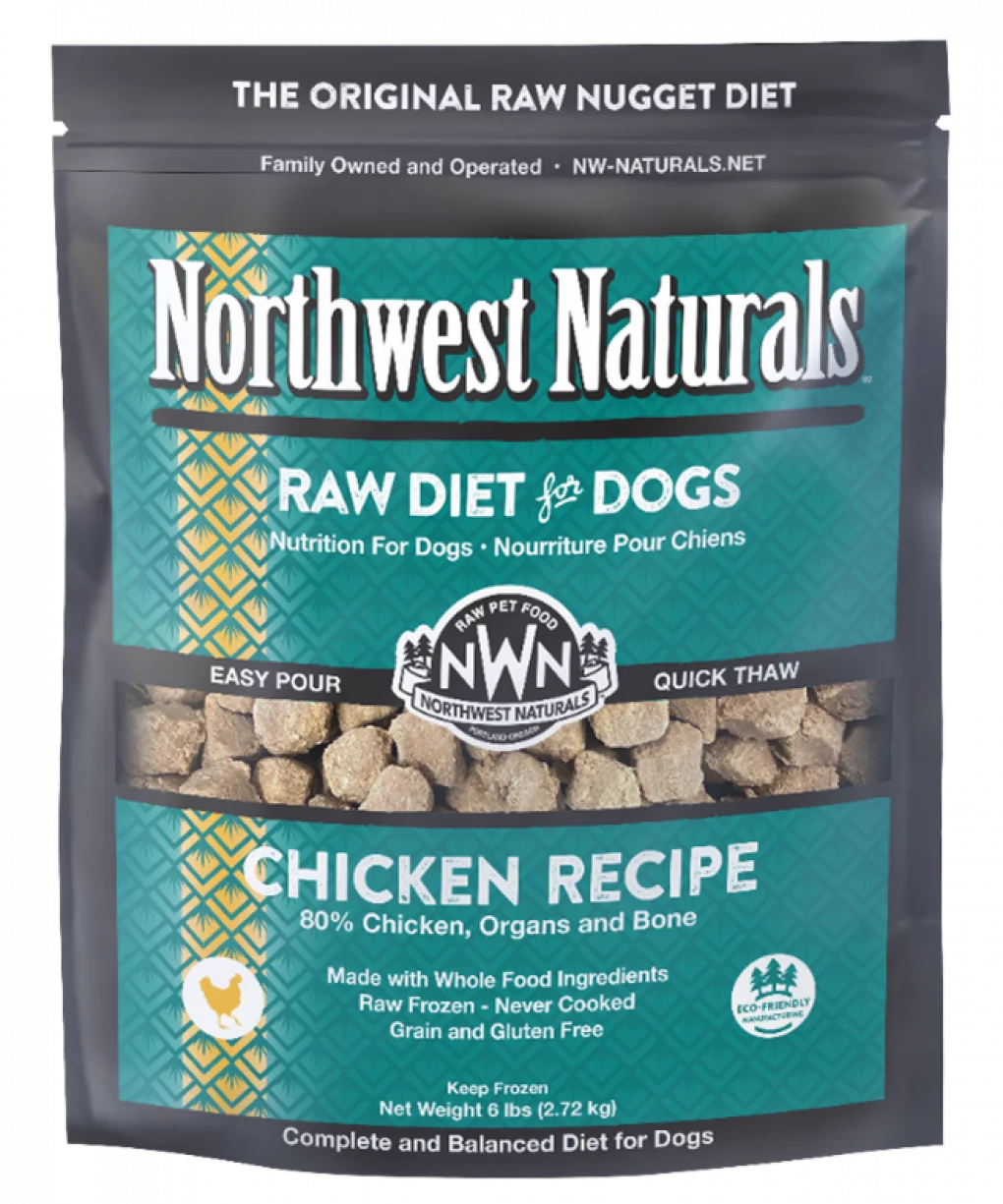
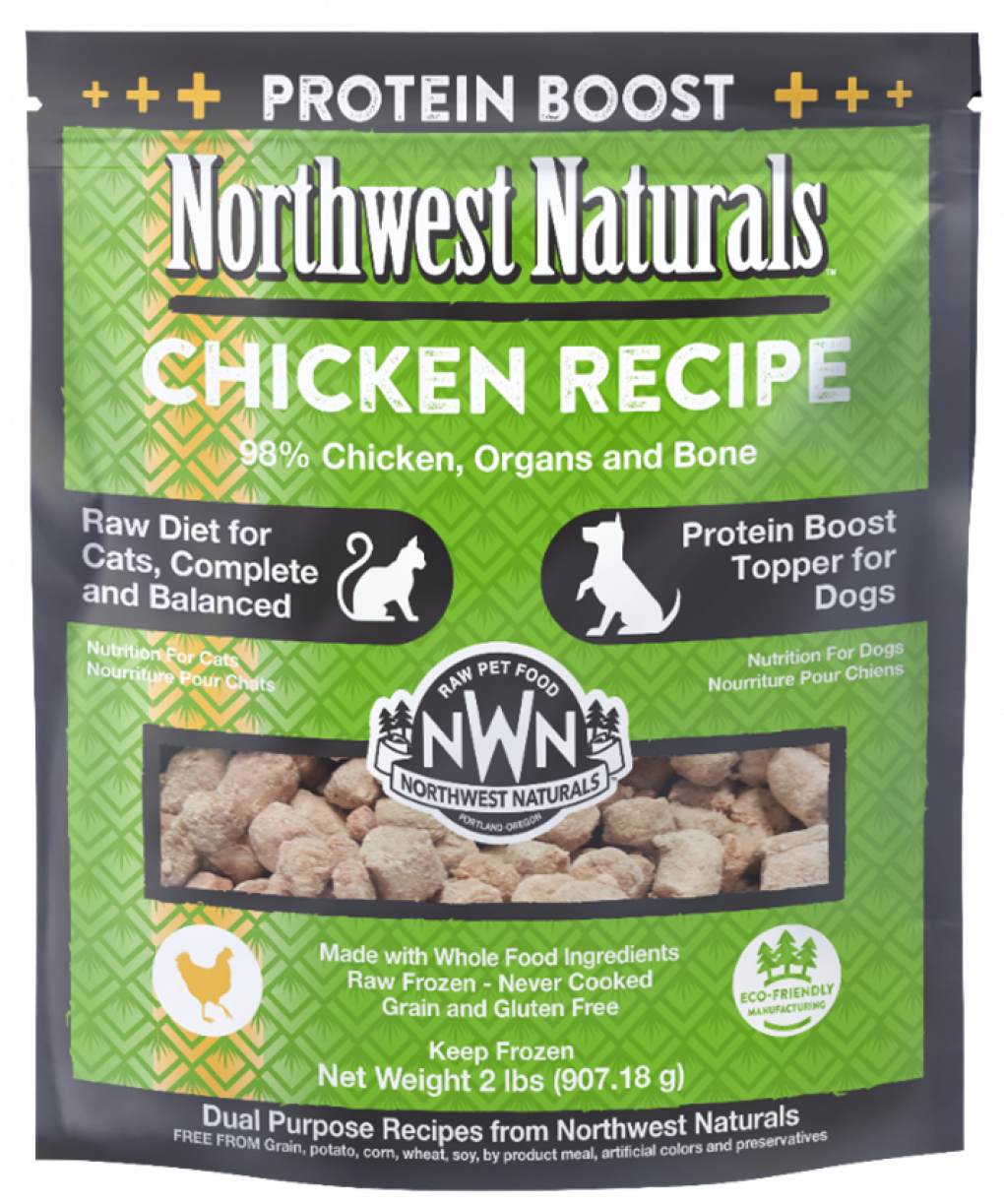
In a significant move to ensure consumer and pet safety, Portland-based Northwest Naturals has initiated a voluntary recall of specific batches of its frozen raw pet food products. The recall, prompted by findings from the U.S. Food and Drug Administration (FDA), involves approximately 1,956 pounds of chicken-based products for cats and dogs that tested positive for Salmonella and Listeria monocytogenes.
While no illnesses have been reported to date, the recall underscores the inherent risks associated with raw pet food diets and the critical importance of rigorous sanitation protocols in the home.
Main Facts: The Scope of the Recall
The voluntary recall affects two distinct product lines distributed to retail outlets nationwide. The products involved in this safety action are as follows:
- Northwest Naturals Frozen Chicken Recipe (Cat Food): 53 cases, totaling 1,272 pounds, packaged in 2 lb. bags.
- Northwest Naturals Frozen Raw Diet for Dogs (Chicken Recipe): 19 cases, totaling 684 pounds, packaged in 6 lb. bags.
The contamination was discovered during routine surveillance conducted by the FDA. Laboratory analysis confirmed that the cat food formulation tested positive for Salmonella, while the dog food formulation returned positive results for both Salmonella and Listeria monocytogenes.
Northwest Naturals has instructed consumers who have purchased these products to immediately discontinue feeding them to their pets. Customers are advised to return any unused portions to the original place of purchase to receive a full refund. For inquiries, the company has established a dedicated support line available Monday through Thursday, 8:00 a.m. to 4:00 p.m. Pacific Time, at 1-866-637-1872.
Chronology: From FDA Testing to Public Notice
The timeline of this recall highlights the efficacy of the FDA’s ongoing monitoring of the pet food supply chain.
- Surveillance Phase: FDA officials collected random samples of Northwest Naturals products from the marketplace as part of their standard oversight procedures for raw pet food manufacturers.
- Laboratory Confirmation: Subsequent testing performed by the agency identified the presence of Salmonella and Listeria monocytogenes in the specific lots of chicken-based products.
- Notification and Action: Upon receiving the laboratory results, Northwest Naturals was notified of the findings. The company moved quickly to initiate a voluntary recall, coordinating with federal regulators to ensure the affected inventory was removed from retail shelves.
- Public Disclosure: The company and the FDA issued official press releases to notify the public of the risks, outlining the affected lot numbers and providing guidance on how to manage the recalled product.
Supporting Data: Understanding the Pathogens
The pathogens identified in the Northwest Naturals products represent significant health threats to both animals and humans.
Salmonella: A Common but Dangerous Risk
Salmonella is a group of bacteria that can cause serious gastrointestinal distress. In humans, symptoms typically manifest within hours to days of exposure and include fever, diarrhea (which may be bloody), nausea, vomiting, and abdominal pain.
While many healthy individuals recover without medical intervention, the infection can become systemic, entering the bloodstream and leading to life-threatening complications such as arterial infections, endocarditis (inflammation of the heart lining), arthritis, and chronic eye irritation.
Listeria monocytogenes: The Silent Threat
Listeria monocytogenes is a particularly resilient bacterium. Unlike many other pathogens, it can survive and grow in cold environments, including refrigerators. In humans, listeriosis can be subtle initially but may progress to severe illness. Symptoms often include headache, muscle aches, confusion, loss of balance, and convulsions.
Certain populations are at a significantly higher risk for severe outcomes, including:
- Pregnant Women: Infection can lead to miscarriage, stillbirth, or premature birth.
- The Elderly: Adults over the age of 65 are more susceptible to severe clinical manifestations.
- The Immunocompromised: Individuals with weakened immune systems due to underlying health conditions or medications are at heightened risk of fatality.
Official Responses and Industry Standards
Northwest Naturals has cooperated fully with the FDA to manage the recall process. By opting for a voluntary recall rather than waiting for a mandatory order, the company has demonstrated a commitment to transparency and the welfare of the pets that consume their products.
However, the incident has reignited the broader debate regarding the safety of raw pet food. The American Veterinary Medical Association (AVMA) and the Centers for Disease Control and Prevention (CDC) have long cautioned pet owners about the risks of feeding raw diets, noting that the manufacturing process—even with high-quality ingredients—cannot always eliminate the risk of bacterial contamination inherent in raw animal proteins.
The FDA’s role remains focused on the "One Health" approach, which recognizes that the health of people is closely connected to the health of animals and our shared environment. By flagging these products, the FDA is not only protecting pets from foodborne illness but is also preventing the transmission of zoonotic diseases to the humans who handle, store, and serve the food.
Implications: Handling and Household Safety
The most significant implication of this recall is the risk of "secondary exposure." Even if a pet does not exhibit symptoms, they can become an asymptomatic carrier, shedding the bacteria through feces and saliva. This creates a high risk of transmission to household members, especially children or those with weakened immune systems, who may come into contact with the pet or the pet’s environment.
Best Practices for Raw Food Handling
To minimize the risk of infection when feeding any raw pet food, owners must treat the product with the same, if not greater, care as they would raw poultry intended for human consumption:
- Strict Hand Hygiene: Always wash hands thoroughly with soap and warm water for at least 20 seconds immediately after handling the food, the packaging, or the pet’s feeding bowl.
- Sanitization: Use a food-safe disinfectant to clean all surfaces that came into contact with the product, including countertops, utensils, and storage areas.
- Physical Separation: Keep raw pet food strictly separated from human food preparation areas to prevent cross-contamination.
- Temperature Control: Maintain raw food in a frozen state until immediately before serving. Do not allow the food to reach room temperature, as this promotes rapid bacterial growth.
- Monitoring: If you suspect your pet has ingested contaminated food, monitor them closely for signs of lethargy, diarrhea, or vomiting. If symptoms occur, consult a veterinarian immediately.
What to Do If You Are Concerned
If you or a household member have handled the recalled product and are experiencing symptoms associated with Salmonella or Listeria, it is imperative to contact a healthcare provider. Inform them specifically that you have been in contact with raw pet food, as this information is vital for accurate diagnosis and the selection of appropriate antibiotics.
Similarly, if your pet displays signs of distress, contact your veterinarian. Because some pets may only exhibit mild signs—such as a decrease in appetite or abdominal pain—it is better to err on the side of caution.
Looking Ahead: The Future of Raw Pet Food Safety
This recall serves as a sobering reminder that the "raw" trend in the pet industry comes with significant responsibilities. Manufacturers are increasingly under pressure to implement "High-Pressure Processing" (HPP) or other pathogen-reduction technologies to render raw diets safer.
For the consumer, the takeaway is clear: vigilance is the price of safety. While the raw pet food industry continues to grow in popularity due to claims of improved vitality and coat health in pets, owners must remain aware of the regulatory landscape and the potential for recalls.
By staying informed through official channels like the FDA’s "Recalls & Withdrawals" database and following stringent sanitation guidelines, pet owners can continue to provide high-quality nutrition while mitigating the risks of foodborne illness in their homes. Northwest Naturals’ decision to voluntarily pull these products from the market is a necessary step in maintaining consumer trust and, ultimately, protecting the health of the community.
Disclaimer: This report is for informational purposes. For the latest updates, official lot numbers, and specific instructions regarding your purchase, please visit the FDA official recall notice.