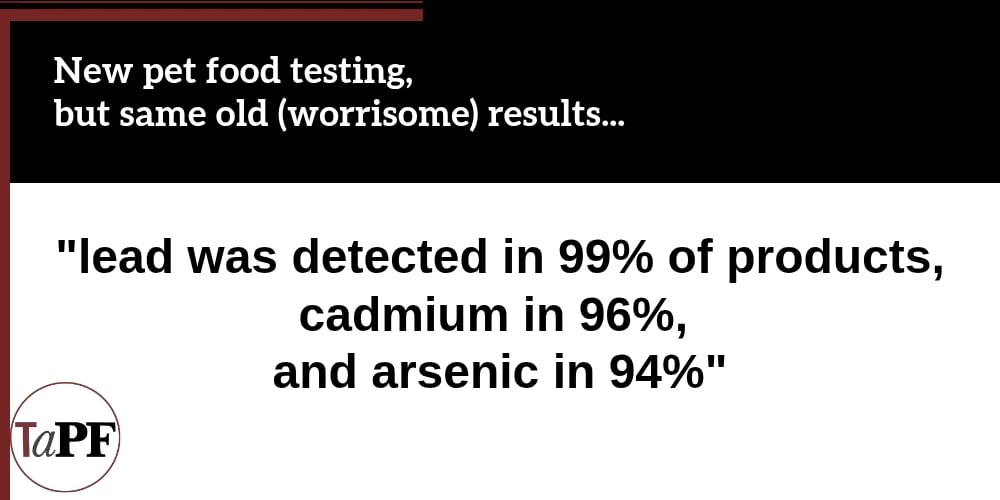
For decades, pet owners have operated under the assumption that commercial pet food is a safe, nutritionally balanced, and regulated commodity. However, a series of investigative reports and scientific studies—culminating in the most recent data from the Clean Label Project—suggest that our beloved companions may be exposed to significant health risks on a daily basis. With heavy metals found in up to 99% of tested cat food brands, the conversation surrounding pet food safety has shifted from a niche concern to a major public health inquiry.
The Clean Label Project: A Deep Dive into Cat Food Contamination
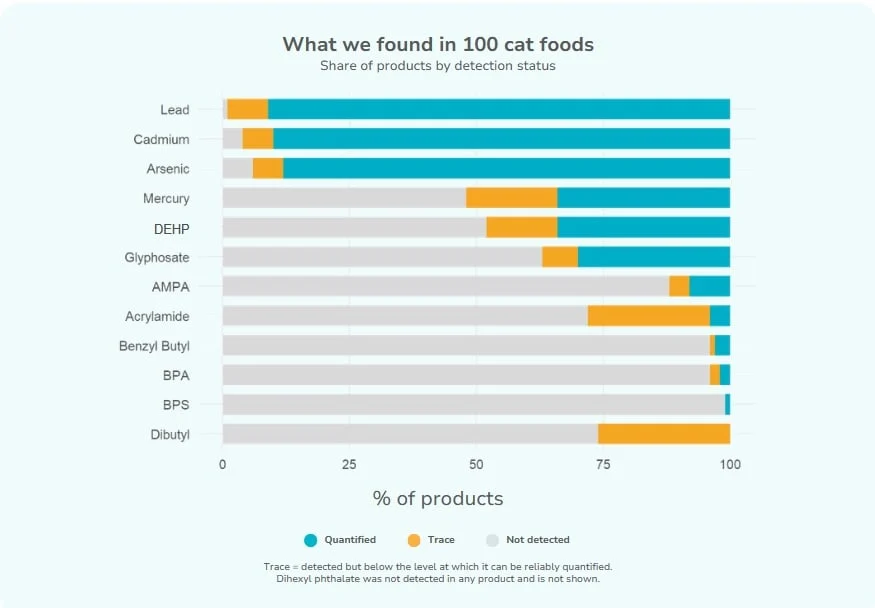
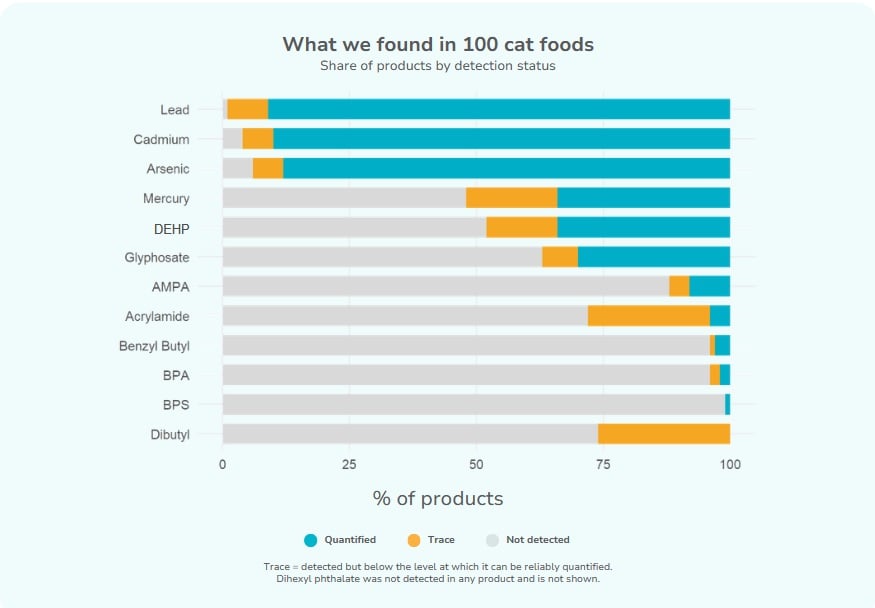
The Clean Label Project (CLP) recently released a comprehensive study titled, “Heavy Metals Found in Up to 99% of Cat Food Products Tested Across 62 Brands.” This staggering statistic highlights the pervasive nature of contaminants in the feline diet. The study did not merely flag a few isolated incidents; it revealed an industry-wide issue where the majority of products contain traces of substances that, at high or cumulative levels, are known to be toxic.
The CLP testing protocols were rigorous, focusing on a battery of heavy metals, including lead, arsenic, mercury, and cadmium. These elements are not merely "impurities"; they are cumulative toxins. When consumed daily over the course of a cat’s fifteen-year lifespan, these metals can contribute to chronic inflammation, organ damage, and a variety of metabolic disorders. The findings suggest that the current manufacturing process—likely involving contaminated raw ingredients—is effectively baking these toxins into the very food meant to sustain our pets.
A History of Concern: A Chronological Look at Pet Food Testing
The 2026 CLP report on cat food is not an isolated anomaly. It is the latest chapter in a long-standing narrative of concern regarding the quality control (or lack thereof) in the pet food industry.
The 2009–2019 SPEX CertiPrep Findings
Over a decade ago, SPEX CertiPrep conducted independent testing to determine the concentration of heavy metals in various pet food formulations. Their findings indicated that the industry was struggling with consistency and purity even then. While the industry frequently touts "advancements" in safety, the data from 2009 and 2019 showed that the prevalence of heavy metals remained a persistent, unresolved issue.
The 2021 University of Nevada, Reno Study
In 2021, the University of Nevada, Reno (UNR) added a layer of complexity to the debate by investigating both chemical composition and ingredient integrity. Their study made two critical revelations:
- Mercury Toxicity: They found mercury concentrations that were classified as "high for chronic consumption," raising red flags for long-term health outcomes.
- Ingredient Inaccuracy: Through DNA analysis, researchers discovered that product labels were often misleading. Many foods marketed as "high-value" (such as those claiming to be fish-based or featuring novelty proteins) were found to contain significant quantities of low-value filler ingredients, such as chicken. This not only constitutes a consumer fraud issue but also underscores a lack of transparency in the supply chain.
The 2026 Dog Food White Paper
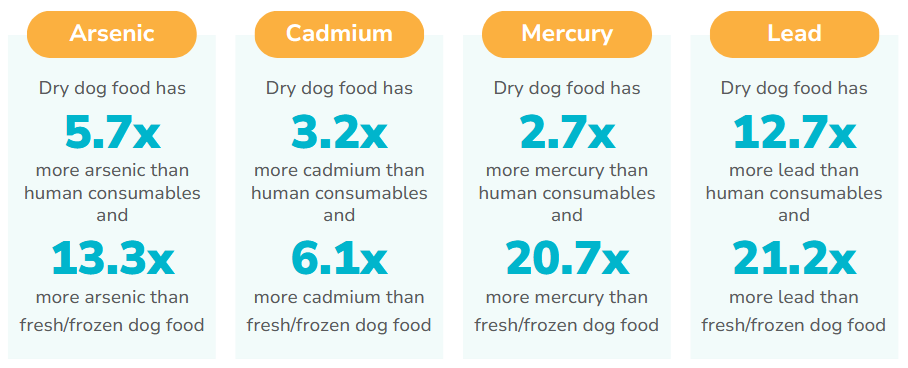
Earlier in February 2026, the Clean Label Project published a white paper regarding dry dog food, titled “Extremely High Levels of Lead, Mercury, Arsenic, and Cadmium Found in Dry Dog Food.” This study was particularly damning because it compared pet food results to human food standards. The findings indicated that while fresh and frozen dog food options performed significantly better, the dry kibble market—which makes up the vast majority of consumer purchases—was rife with contamination.
Supporting Data: Why Current Regulations Fail Our Pets
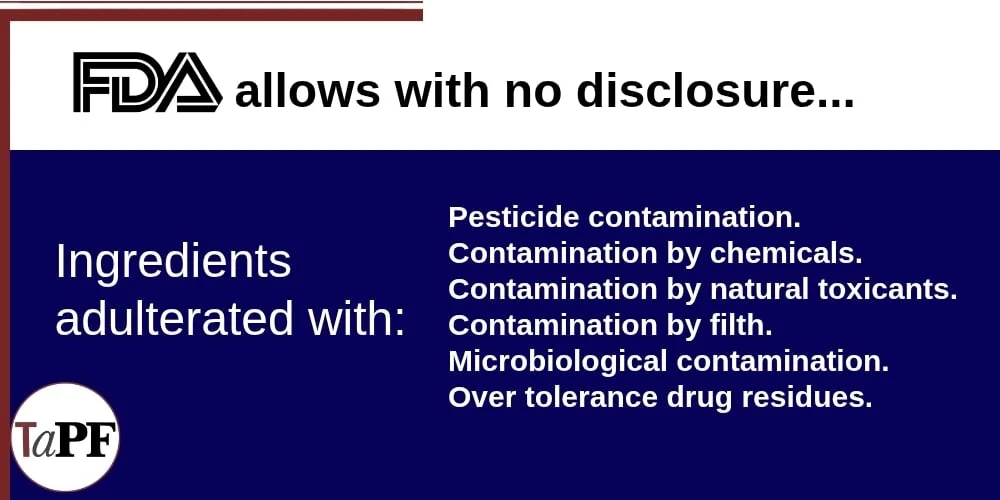
The central issue in the ongoing debate over pet food safety is the massive regulatory gap. Many consumers assume the FDA oversees pet food with the same level of scrutiny applied to human food. The reality, however, is far more precarious.
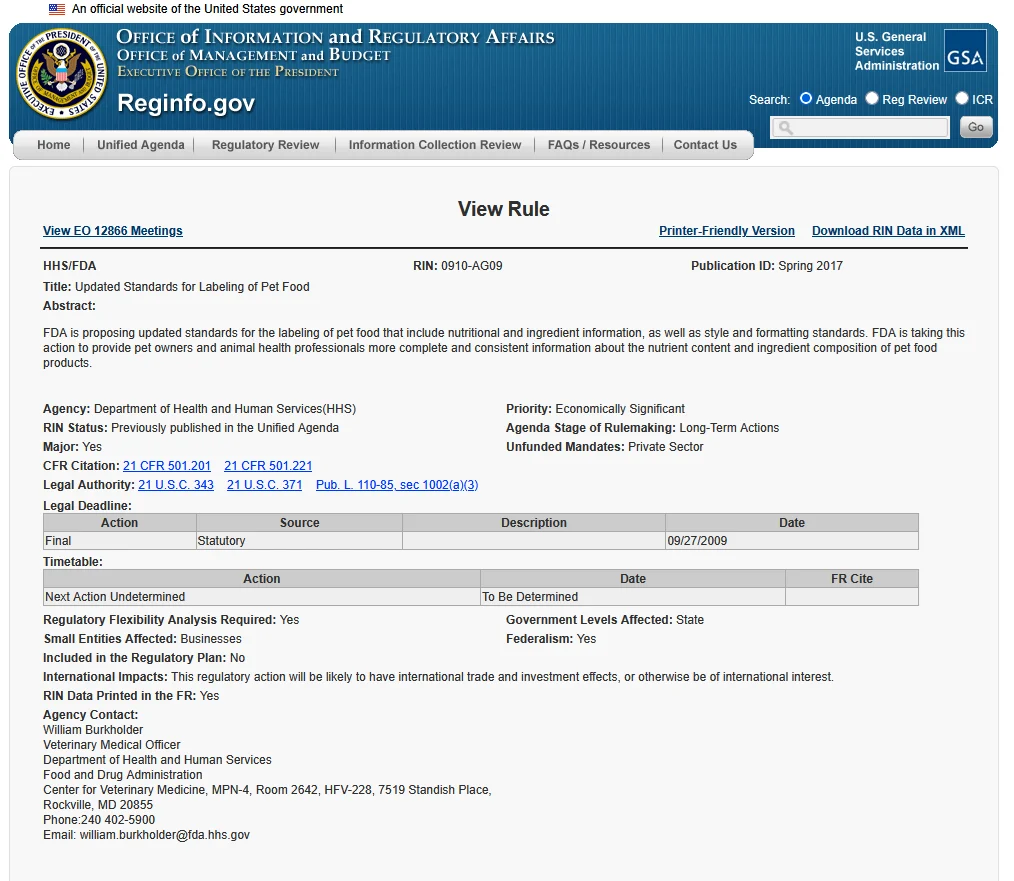
When questioned about the presence of heavy metals, the FDA typically points to its authority to act on a "case-by-case basis." In official statements, the agency clarifies that it has not established specific "action levels" or "tolerances" for heavy metals in animal food. Instead, they rely on external, non-binding guidelines provided by the National Research Council (NRC) and the Association of American Feed Control Officials (AAFCO).
The "Acute Poisoning" Fallacy
The most critical critique of these current standards comes from the Clean Label Project’s own report:
"The few reference values that do exist for animal feed—maximum tolerable levels published by the National Research Council and the Association of American Feed Control Officials (AAFCO)—were derived to prevent acute poisoning in livestock, not to protect a housecat eating the same food every day for fifteen years."
This distinction is vital. Livestock are raised for short lifespans before entering the human food chain. Their nutritional standards are designed to prevent immediate, fatal poisoning. House pets, conversely, live for over a decade. The cumulative effect of sub-lethal, "allowable" doses of heavy metals is not accounted for in these regulatory frameworks. The current system provides a false sense of security, allowing manufacturers to maintain that their products are "safe" simply because they do not cause immediate illness.
The Implications: A Call for Regulatory Reform
The implications of these findings are profound. If nearly 99% of products contain heavy metals, we are not looking at a "bad actor" problem; we are looking at a systemic failure.
Public Health and Consumer Trust
Pet owners are increasingly demanding transparency. When a consumer buys a premium, high-priced pet food, they are paying for the perceived quality and health benefits of that product. When that product contains the same heavy metals found in industrial waste, the social contract between the manufacturer and the pet owner is broken.
The Regulatory Stagnation
The FDA’s reliance on "case-by-case" enforcement is insufficient to handle the scale of this problem. Without clear, legally binding maximum allowed levels (MALs) for heavy metals, pesticides, and plastics, there is no incentive for manufacturers to invest in the expensive filtration or sourcing processes required to clean up the supply chain.
The question remains: How many studies evidencing that U.S. pet food is frequently contaminated are required before the FDA takes meaningful action?

Conclusion: Empowering the Consumer
Until regulatory authorities move to modernize the standards of pet food safety, the responsibility falls squarely on the shoulders of the consumer. It is more important than ever for pet owners to look beyond the marketing slogans on the front of the bag and focus on the testing data.
As we look toward 2027, the focus must remain on advocacy. Organizations like the Association for Truth in Pet Food are working to ensure that consumer voices are heard at AAFCO meetings and within the halls of the FDA. By supporting these efforts, demanding higher transparency, and utilizing independent, third-party lists of vetted, cleaner food options, pet owners can protect their companions from the hidden dangers of the modern pet food industry.
The data is clear: the status quo is unacceptable. For the sake of our pets, it is time for the industry to move toward a model of safety based on long-term health, not just the avoidance of acute toxicity.
For more information on navigating the complexities of pet food nutrition and to access the latest lists of trusted manufacturers, visit TruthaboutPetFood.com.