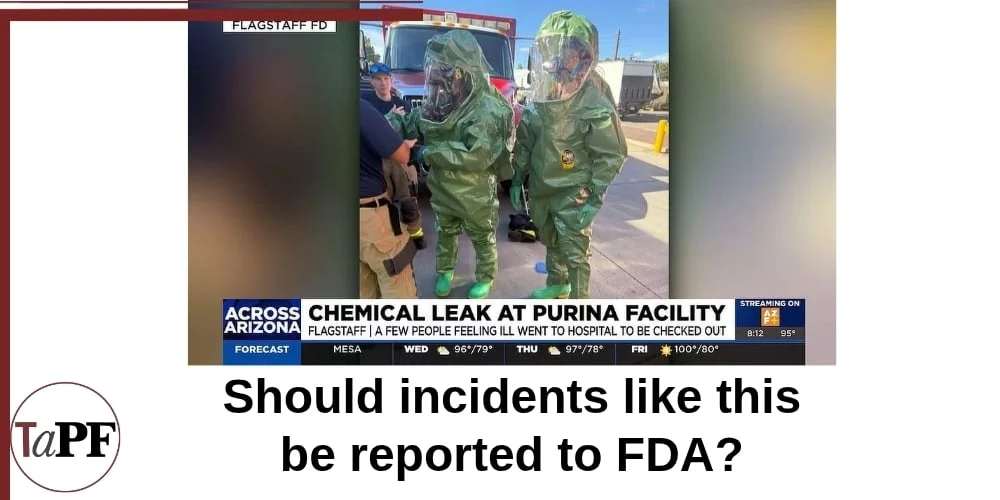
On September 22, 2026, a chemical incident at the Nestlé Purina pet food manufacturing facility in Flagstaff, Arizona, brought to light significant questions regarding transparency and the regulatory oversight of the pet food industry. While the event was categorized by the company as a localized, non-production-related spill, the subsequent hospitalization of three employees and the involvement of hazardous materials (hazmat) teams have prompted a broader debate about the intersection of workplace safety and consumer health.
As the industry faces increasing scrutiny, the Flagstaff incident serves as a case study for the "siloed" nature of American regulatory bodies, where employee safety and product safety rarely cross paths, leaving consumers to wonder: when a factory goes through a crisis, who is looking out for the food on the shelf?
The Chronology of Events: September 22, 2026
The incident began in the boiler room of the Flagstaff facility—a plant responsible for producing major national brands, including Dog Chow, Beneful, Purina ONE, Alpo, and Pro Plan.
According to reports, a chemical distribution system malfunctioned, resulting in the accidental mixing of two incompatible chemicals. This chemical reaction led to the corrosion of a distribution line, causing a 10-gallon spill of an as-yet-unidentified substance. The immediate release triggered an emergency evacuation of the boiler room and necessitated the deployment of a professional hazmat team.
Three employees were transported to a local hospital following the event. While Purina representatives later stated that none of the associates were admitted and all returned to work the same day, the mobilization of emergency services highlighted the severity of the initial response. Upon their arrival, the Flagstaff Fire Department conducted an evaluation of the site. They eventually reported no detectable trace of dangerous gas, providing the "all-clear" for staff to return to their stations.
Official Responses and Lingering Questions
In the wake of the incident, Purina issued a statement seeking to reassure the public. A company spokesperson emphasized that the boiler room is physically isolated from the pet food production areas. They asserted that the spill was contained and that there was no impact on the integrity of the products being manufactured at the facility.
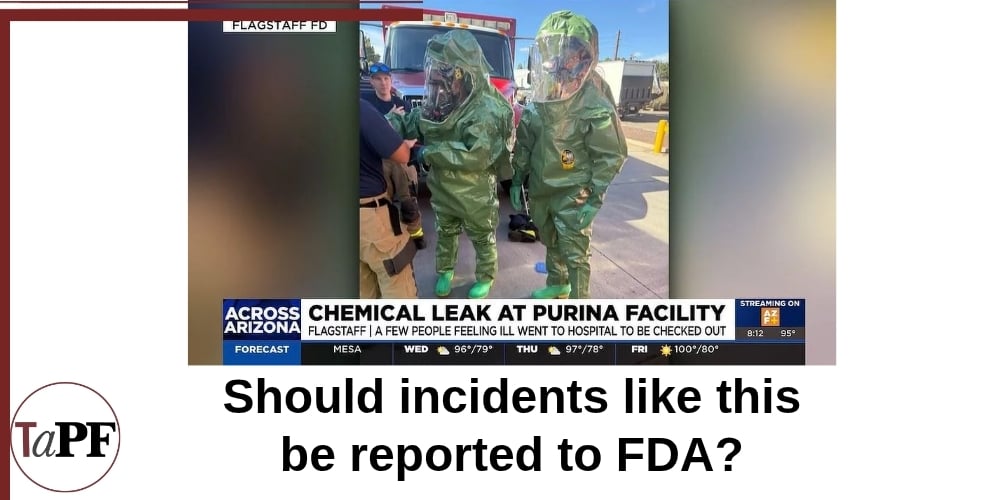
However, the lack of granular detail provided to the public has left consumer advocates dissatisfied. Purina has declined to identify the two specific chemicals involved in the reaction. Furthermore, there has been no public disclosure regarding whether the ventilation systems—which draw air through various sections of the plant—could have potentially circulated fumes or chemical particulates into the production environment.
For the average consumer, the question remains: if a "dangerous gas" was suspected by first responders, what guarantees are in place to ensure that dry ingredients or finished kibble were not exposed to volatile compounds or contaminated by the fire-suppressant chemicals used during the containment process?
The Hidden Reality of Pet Food Plant Hazards
The Flagstaff incident is not an isolated phenomenon in the pet food manufacturing sector. Industry experts note that dry pet food plants, due to the nature of their operations, are frequent callers to local fire departments.
The manufacturing process involves high-heat ovens necessary for the extrusion of kibble, alongside the management of vast quantities of finely ground ingredients. These ingredients, which range from grains to protein meals, create "combustible dust"—a well-documented industrial hazard. When combined with the high temperatures of an industrial kitchen, the risk of fire or localized explosions is a persistent reality.
Despite the frequency of these "near-misses," the public rarely hears about them. When a fire department responds to a call at a manufacturing plant, their mandate is clear and limited: protect the lives of the workers and mitigate damage to the structural integrity of the building. Their expertise lies in emergency response, not in the assessment of food safety protocols. Once the fire is extinguished or the leak is plugged, the fire department’s involvement ends.
The Regulatory "Silo" Problem
The core issue raised by the Flagstaff incident is the lack of communication between regulatory agencies. In the United States, oversight of the pet food industry is split between various bodies, including the FDA (which oversees pet food safety) and OSHA (which oversees workplace safety).

The Jurisdiction Gap
When a chemical leak occurs, OSHA may investigate to determine if workers were properly protected from toxic exposure. However, OSHA has no mandate to report these findings to the FDA, nor are they trained to evaluate whether a chemical leak has introduced contaminants into the pet food supply chain. Conversely, the FDA generally relies on reports of finished-product contamination to trigger investigations, rarely concerning itself with the mechanical or structural failures within a plant that might have caused such contamination in the first place.
This lack of inter-agency cooperation is not new. In 2020, during a significant outbreak of aflatoxin—a toxic byproduct of mold—in products from Midwestern Pet Foods, advocates inquired whether the FDA had alerted OSHA to the danger. The concern was that workers at the facility were inhaling grain dust heavily contaminated with the toxin, a process that poses severe health risks to humans. The FDA responded that they did not share this information with OSHA, citing that employee safety was "not their jurisdiction."
This rigid adherence to jurisdictional boundaries creates a dangerous blind spot. If an agency with the power to inspect a plant (OSHA) observes a potential threat to the food supply, or if an agency focused on food safety (FDA) identifies a plant-wide hazard, the current system of "siloing" prevents the sharing of critical information that could prevent both workplace injury and mass product recalls.
Implications: Should Disclosure Be Mandatory?
The fundamental question facing the industry is whether manufacturers should be legally required to report every fire, chemical leak, or significant mechanical failure to pet food regulatory authorities.
Arguments for Mandatory Reporting
Proponents of increased transparency argue that pet food safety is not merely about the finished product, but the entire environment in which it is created. Ingredients exposed to fire-extinguishing foam, moisture from sprinklers, or chemical vapors from a leak are fundamentally compromised. Currently, there is no federal mandate requiring a company to disclose these environmental stressors to the FDA unless they have definitive proof that the product is already tainted. This creates a "wait and see" approach that relies on the manufacturer’s self-policing—a system that has failed consumers repeatedly in the past.
The Cost of Transparency
Critics of mandatory reporting might argue that such requirements would place an undue burden on manufacturers, forcing them to report minor, non-impactful events that could lead to unnecessary public panic. However, advocates argue that a simple, standardized reporting system—perhaps a digital notification sent to both the FDA and state agricultural authorities—would be a low-cost, high-impact solution.
If a factory experiences an event, a 30-second notification to regulatory bodies would allow officials to determine if an inspection is warranted. This is not about punishing companies for industrial accidents; it is about ensuring that the safety of the end consumer—the pet—is prioritized alongside the safety of the plant employees.
Conclusion: A Call for Common Courtesy
The Purina Flagstaff incident highlights a broader systemic failure: the separation of worker safety and consumer safety in the food manufacturing sector. It is time for regulators to "think outside the box" and bridge the gap between their respective mandates.
True safety in the pet food industry requires an integrated approach. If the government will not mandate the sharing of information between agencies, then the laws must be amended to require it. Transparency should not be viewed as a threat to industry reputation, but as a fundamental component of quality control. Until there is a mandatory, transparent reporting requirement for all industrial incidents at pet food manufacturing sites, the public remains in the dark, and the potential for oversight-related contamination continues to grow.
The safety of our pets depends on the integrity of the entire supply chain—from the boiler room to the bowl. Common courtesy, combined with updated regulatory requirements, is not just a suggestion; it is a necessity for a safer future in pet nutrition.
Susan Thixton is a dedicated Pet Food Consumer Advocate and the founder of TruthaboutPetFood.com. Her work continues to push for transparency and higher standards within the pet food industry through the Association for Truth in Pet Food.