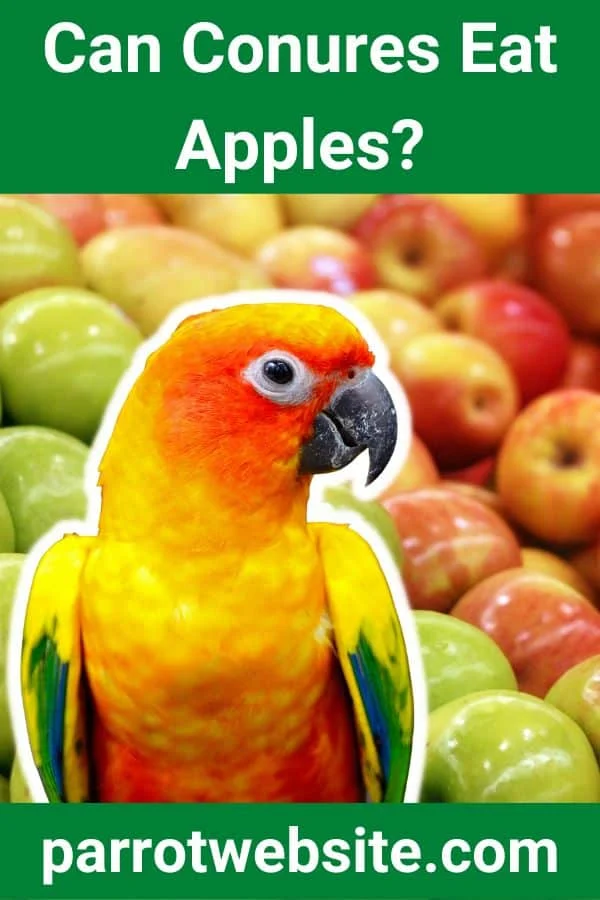
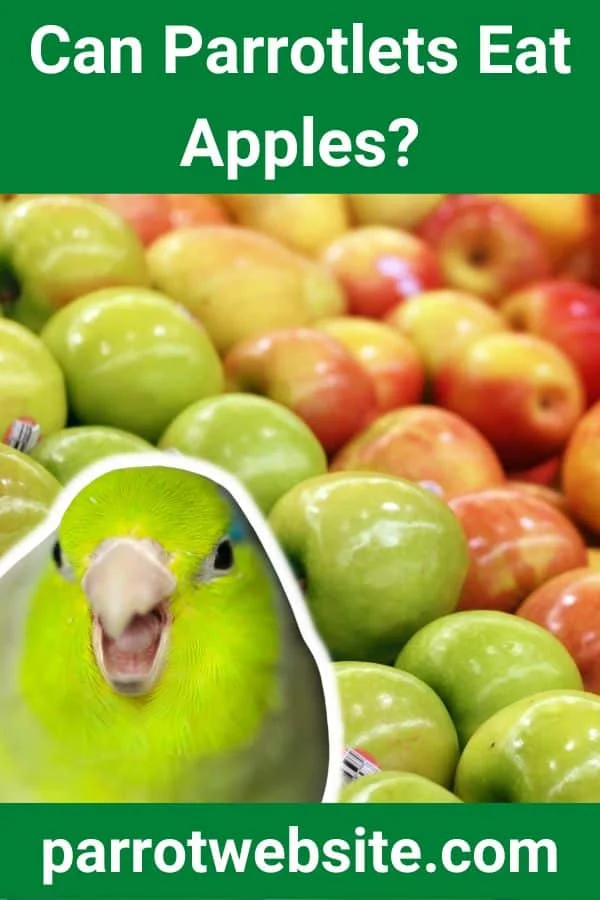
Apples are a staple of the Western diet, a crisp and accessible fruit found in almost every kitchen. For bird owners, specifically those who keep parrotlets—the smallest members of the parrot family—the accessibility of this fruit often raises a critical question: Can we share our favorite snacks with our feathered companions?
The short answer is a definitive yes. Parrotlets can safely enjoy apples as part of a varied and balanced diet. However, as with many aspects of avian husbandry, the "how" and the "how much" are just as important as the "if." This article explores the nutritional implications, safety protocols, and best practices for incorporating apples into your parrotlet’s diet.
Main Facts: The Nutritional Profile of Apples
Apples are not merely a sugary treat; they are a complex fruit offering a diverse array of micronutrients that can support the health of a parrotlet when served correctly.
Dietary Fiber and Digestive Health
One of the primary benefits of apples is their high fiber content. Fiber is essential for maintaining a healthy gastrointestinal tract in birds. It regulates the transit of food through the digestive system, preventing constipation and ensuring that nutrient absorption occurs efficiently. For a small bird like a parrotlet, a stable gut microbiome is vital for overall immunity.
Vitamins and Antioxidants
Apples are rich in Vitamin C, which acts as a powerful antioxidant. In the avian world, antioxidants are crucial for neutralizing free radicals—unstable molecules that can cause oxidative stress and damage cellular structures. By mitigating this damage, Vitamin C helps protect the bird against various degenerative conditions. Additionally, the presence of Vitamin K supports blood clotting and bone health, providing a well-rounded nutritional boost.
Essential Minerals: Copper and Potassium
Apples are particularly notable for their copper content, an often-overlooked mineral. Copper is essential for the formation of red blood cells, the health of blood vessels, and the proper function of the nervous system. Furthermore, it aids in iron absorption, preventing anemia. The potassium found in apples is equally important, as it helps regulate fluid levels within the cells, maintaining proper hydration and electrolyte balance.
Chronology of Dietary Integration
When introducing any new food item to a parrotlet, it is important to follow a structured approach to ensure the bird remains healthy and interested in its primary diet.
- The Introduction Phase: Start by offering a very small, thin slice of organic apple. Observe the bird’s reaction. Parrotlets are often curious, and while they may be suspicious at first, the sweet scent often encourages them to investigate.
- The Habituation Phase: Once the bird accepts the apple, do not make it a daily occurrence. Integrate it into their routine as a reward for training or as a mid-week enrichment snack.
- The Rotation Phase: By the second or third week, ensure the apple is rotated with other bird-safe fruits and vegetables. This prevents "dietary boredom" and ensures the bird does not develop a preference for the sugar content in apples over their essential pellet or seed-based staples.
Supporting Data: The Risks of Over-Consumption
While apples are nutritious, they are not a substitute for a balanced avian diet. As with any treat, moderation is the cornerstone of responsible feeding.
Digestive Stress and High Water Content
Apples are high in water content. While hydration is good, an overabundance of water-rich fruit can cause loose stools or, in more severe cases, diarrhea. Because parrotlets are diminutive, their digestive systems are highly sensitive to sudden changes in diet. Overfeeding can lead to mild cramping or digestive discomfort, which may manifest as lethargy or a change in the bird’s behavior.
The "Treat" Paradigm
Veterinary nutritionists suggest that treats should constitute no more than 10% of a parrotlet’s total caloric intake. Since apples are relatively calorie-dense in terms of natural sugars (fructose), relying on them too heavily can lead to weight gain. A healthy frequency for an adult parrotlet is one or two small, thin slices per week.
Safety Protocols: What to Avoid
The safety of the apple depends entirely on how it is prepared. Many pet owners unknowingly introduce risks by failing to remove hazardous parts of the fruit.
The Cyanide Concern: Seeds and Cores
There is a common misconception that apple seeds are harmless. In reality, apple seeds contain trace amounts of amygdalin, a compound that releases cyanide when metabolized. While a single seed is unlikely to kill a bird, the practice of allowing a parrotlet to chew and grind up seeds is dangerous. The more the seed is crushed, the higher the concentration of toxins released.
Protocol: Always core the apple and remove all seeds before serving. It is safer to provide only the flesh and the skin.
Pesticide Awareness
Apples are frequently listed on the "Dirty Dozen"—a list of produce items most likely to retain pesticide residue. Because parrotlets are small and have high metabolic rates, they are more susceptible to the toxic effects of chemical fertilizers and pesticides. Always wash apples thoroughly, or better yet, opt for organic varieties to ensure the bird is not ingesting harmful chemicals.
Official Responses and Expert Opinions
Avian veterinarians generally agree that fruit should be secondary to high-quality pellets, which provide a more consistent nutrient profile. The consensus is that fruits like apples should be viewed as "enrichment."
Behavioral Enrichment
Beyond nutrition, the act of shredding and eating a piece of apple serves as a vital behavioral outlet. In the wild, parrots spend a significant portion of their day foraging. By offering an apple slice, you encourage your parrotlet to use its beak, manipulate its food, and stay mentally active. This prevents the development of "cage stress," which can lead to feather plucking and other neurotic behaviors.
Implications for Different Apple Varieties
Many owners ask if the color of the apple matters. While all apples are botanically similar, there are subtle differences to consider.
- Red Apples (e.g., Red Delicious, Gala): These tend to be higher in natural sugars. If you have a parrotlet that is prone to weight issues, these should be used sparingly.
- Green Apples (e.g., Granny Smith): These are often more acidic and less sugary. They are generally considered an excellent choice for parrotlets, provided they are not the hard "cooking" varieties.
- Cooking Apples: These are often tougher in texture and more nutrient-dense in a way that can be harder for a small bird to digest. It is best to avoid these in favor of softer, table-grade apples.
Final Summary: Best Practices for Success
To ensure your parrotlet benefits from apples, keep these four rules in mind:
- Preparation is Key: Remove the core, remove all seeds, and wash the skin thoroughly. Slicing the apple into thin pieces makes it easier for the bird to hold and nibble without wasting large portions.
- Moderation is Mandatory: Never allow the apple to replace the primary diet. Treat it as a special event, occurring only once or twice a week.
- Prioritize Freshness: Do not leave fruit in the cage for more than a few hours. Moist fruit is a breeding ground for bacteria and mold, which can cause severe respiratory and digestive infections in birds.
- Variety Matters: Use the apple as a gateway to other produce. Once the bird accepts apples, try introducing blueberries, kale, or carrots to ensure a broad spectrum of health benefits.
By following these guidelines, you can safely integrate apples into your parrotlet’s diet, providing them with a tasty, nutrient-rich treat that supports both their physical health and their emotional well-being. Always remember that a happy parrotlet is one that is fed with care, attention, and a deep understanding of their unique biological needs.