For many equestrians, transitioning from the controlled, predictable footing of an arena to the variable terrain of a nature trail marks an exciting milestone in their riding journey. It is a symbol of growing confidence, better balance, and a deepening partnership with an equine companion. However, this transition can sometimes expose hidden physical challenges that remain entirely invisible within the confines of a groomed riding ring.
This exact scenario is a frequent point of frustration and concern among horse owners. Consider the case of a dedicated rider who recently ventured onto the trails with her 15-year-old Thoroughbred gelding. Having owned the horse for five years, she progressed from a novice to a competent rider primarily focused on flatwork, lessons, and low-level hunter shows. Yet, upon hitting the trails, she noticed an unsettling pattern: her horse frequently stumbles over roots, rocks, and small depressions.
While the gelding has never suffered a catastrophic fall, his frequent missteps cause him to lurch forward, throwing the rider off balance, eroding her confidence, and casting a shadow over what should be an enjoyable pastime. Compounding the mystery, companion horses on the same rides navigate the terrain with ease. This has prompted the owner to ask the fundamental questions shared by countless equestrians facing similar struggles: Is this a hoof problem? A vision issue? Or is the horse simply not paying attention?
To find answers, we turn to Dr. Brian Eitelman, DVM, CJF, a unique dual-credentialed practitioner at Aggie Vet and Farrier Services in Parker, Colorado. Eitelman holds a Doctor of Veterinary Medicine degree from Colorado State University and is one of the rare practitioners in the United States to hold the highest certification from the American Farrier Association as a Journeyman Farrier. His comprehensive breakdown sheds light on the physiological and behavioral realities behind trail-stumbling in aging horses.
Main Facts: Deconstructing the Stumble
When evaluating a horse that stumbles repeatedly on uneven ground, veterinarians and farriers look at a specific set of diagnostic criteria. The primary facts surrounding this common equine issue involve a combination of biomechanics, age-related wear and tear, sensory perception, and structural soundness.
According to Dr. Eitelman, the investigation must proceed systematically, starting with the most common misconceptions—such as perceived lack of focus—and moving toward the more probable clinical culprits, including vision deficits and underlying orthopedic soreness.
- Behavioral Focus: True distraction is rarely the root cause of frequent, rhythmic stumbling. Distracted horses typically display obvious signs of anxiety or heightened alertness.
- Vision Impairments: Ocular conditions like cataracts or equine recurrent uveitis (ERU) can compromise depth perception, though horses compensate for vision loss to wildly varying degrees.
- Orthopedic Soundness: Low-grade arthritis and historic soft-tissue injuries are the most statistically likely drivers of stumbling, particularly in breeds with strenuous early athletic careers like Thoroughbreds.
- Terrain Mechanics: Level arena footing masks minor lameness issues that instantly become glaringly apparent when a horse is forced to navigate variable trail conditions that demand a full range of motion.
Chronology: The Lifecycle of an Athletic Horse and the Onset of Trail Issues
To fully understand why a 15-year-old horse might suddenly begin stumbling on trails, it is helpful to examine the chronological progression of the animal’s physical life and training history.
Phase 1: Early Athletic Development and Rigorous Training
Many horses, particularly Thoroughbreds, are introduced to intense athletic workloads at a very young age. Whether through race training, high-impact jumping disciplines, or rigorous early conditioning, these animals are frequently pushed to perform feats that place immense stress on developing joints, tendons, and ligaments. While youth often shields them from immediate breakdown, the micro-traumas sustained during this period lay the structural groundwork for future conditions.
Phase 2: The Controlled Arena Years
As the horse matures and transitions into a second career—such as lower-level hunter shows, pleasure riding, or arena lessons—the physical demands change. Level, groomed arena footing acts as an equalizer. It provides consistent resistance and predictable impact zones. Horses dealing with low-level, chronic discomfort can easily compensate for minor stiffness on flat ground, moving fluidly enough that an amateur rider may suspect nothing is amiss.
Phase 3: The Transition to Variable Terrain
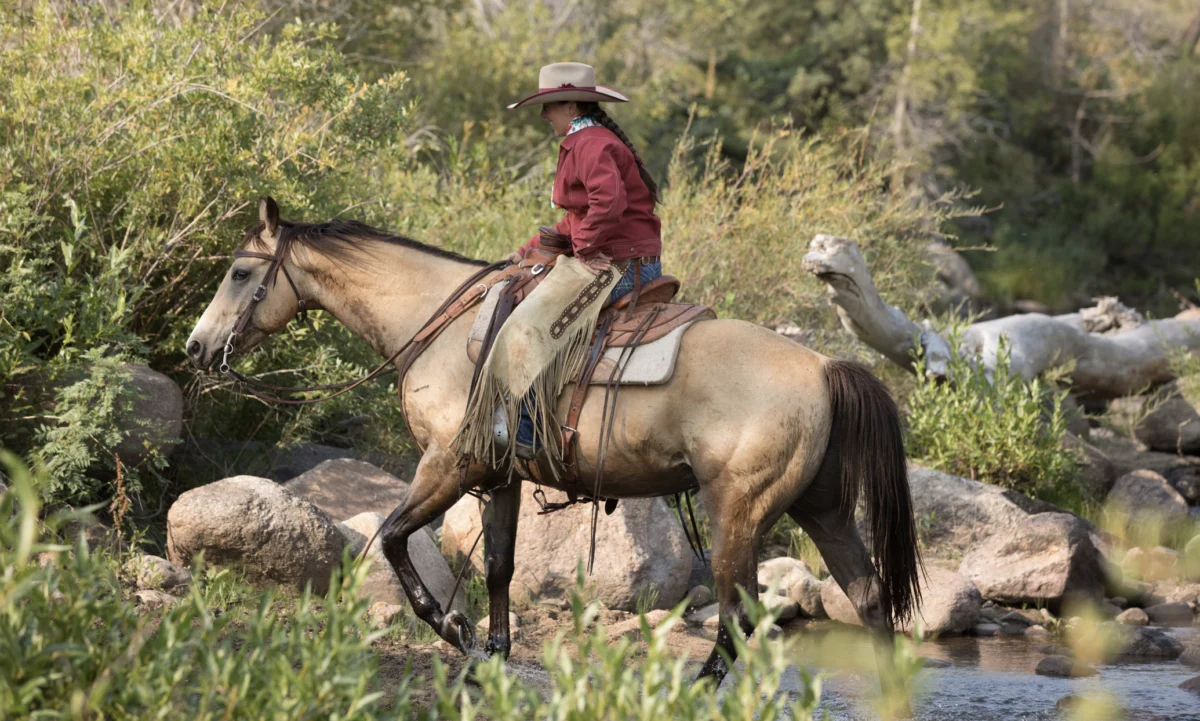
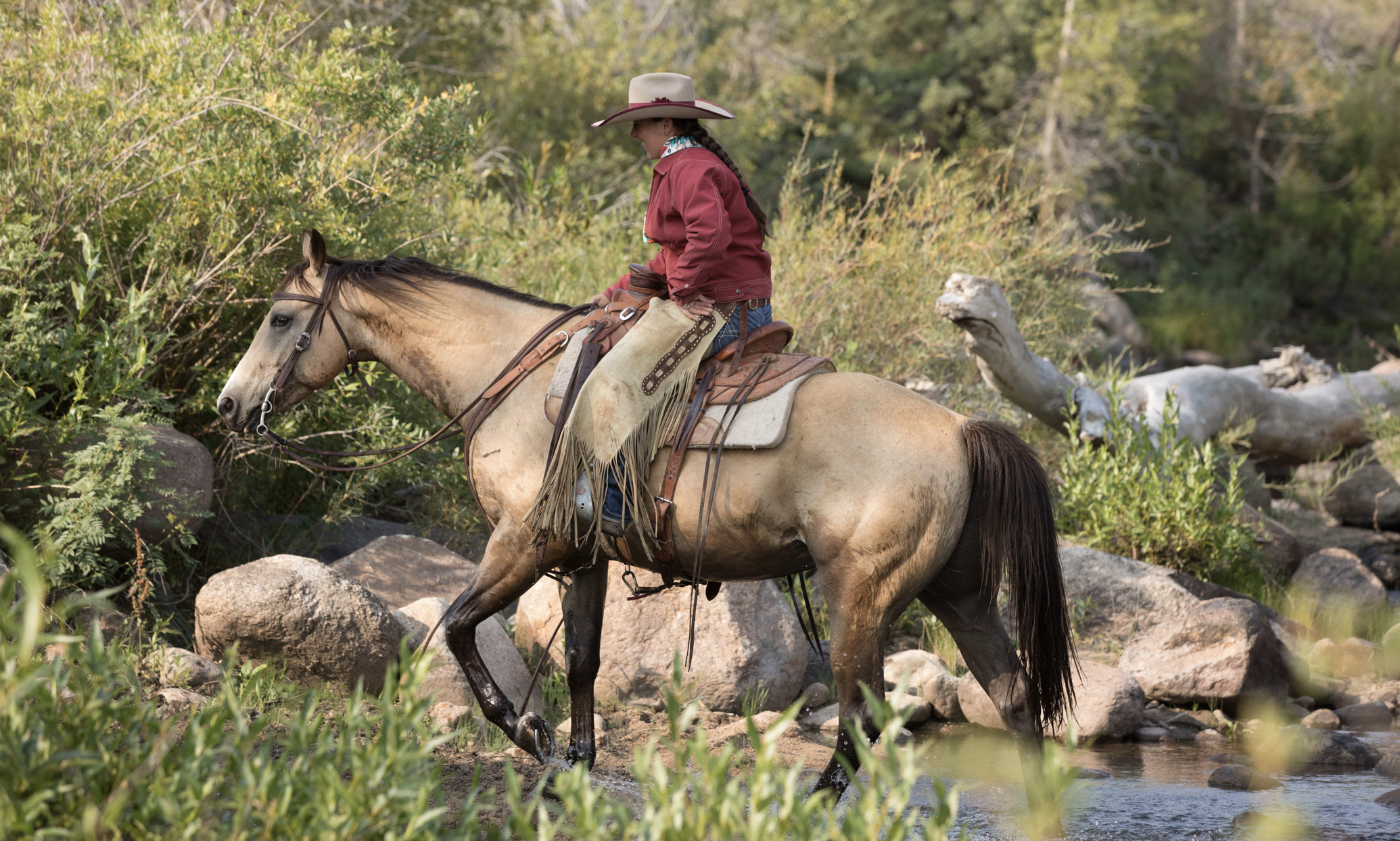
Years later, as the horse reaches middle age (around 15 years old) and the rider gains the confidence to explore outdoor trails, the environmental variables shift dramatically. Trails require the horse to lift, extend, and articulate its limbs over roots, rocks, and uneven soil. The animal can no longer coast on momentum and predictable footing; it must load and unload individual legs precisely.
Phase 4: The Onset of Clinical Symptoms
This is the critical juncture where chronic, low-level soreness collides with real-world physics. Unable to comfortably clear obstacles or absorb impact on sore limbs, the horse begins to trip. What the rider perceives as a sudden onset of clumsiness is actually the culmination of a multi-year progression of aging tissue meeting the unforgiving demands of uneven terrain.
Supporting Data and Diagnostic Perspectives
When investigating the root causes of stumbling, veterinary science relies on ruling out sensory deficits before examining musculoskeletal health.
Investigating Equine Attention Spans
Horse owners frequently blame themselves or their animals, assuming the horse is simply "lazy" or "not paying attention." Dr. Eitelman dismisses this notion based on behavioral patterns.
"Distracted horses aren’t sneaky about it," Eitelman notes. "Their lack of focus is usually obvious, and there is often a fear component—they are by themselves or without their soul mate… or they are convinced there is some unseen monster on the wind."
Furthermore, behavioral distraction does not mechanically induce rhythmic stumbling. Riders can objectively test this theory by altering their riding group dynamics, switching ride order, or riding alongside knowledgeable equestrians to gauge whether the horse’s focus is genuinely compromised or if a physical limitation is at play.
Assessing Equine Vision
Sensory deficits, particularly in vision, play a major role in how a horse navigates its environment. The two most prevalent causes of vision loss in horses are cataracts and equine recurrent uveitis.
- Cataracts: These cloudings of the eye lens can develop insidiously without obvious external changes, making a professional veterinary ophthalmologic exam critical.
- Uveitis: Unlike cataracts, uveitis is typically accompanied by overt signs of ocular pain, including squinting, blinking, excessive tearing, redness, and corneal clouding.
Interestingly, the correlation between physical vision loss and behavioral adaptation is remarkably inconsistent. Dr. Eitelman highlights two contrasting cases from his practice: one horse with only a 30 percent vision loss in each eye acted nearly blind and panicked on the trail without a lead horse, while another horse with near-complete vision blindness navigated familiar and unfamiliar terrain, light or dark, with absolute confidence. A thorough veterinary eye exam establishes a vital baseline, even if it cannot always fully explain trail behavior.
The Reality of Hoof and Limb Soreness
By far the most common underlying factor for stumbling in older, athletic breeds is low-grade lameness or chronic soreness located anywhere in the limb—not merely within the hoof capsule.
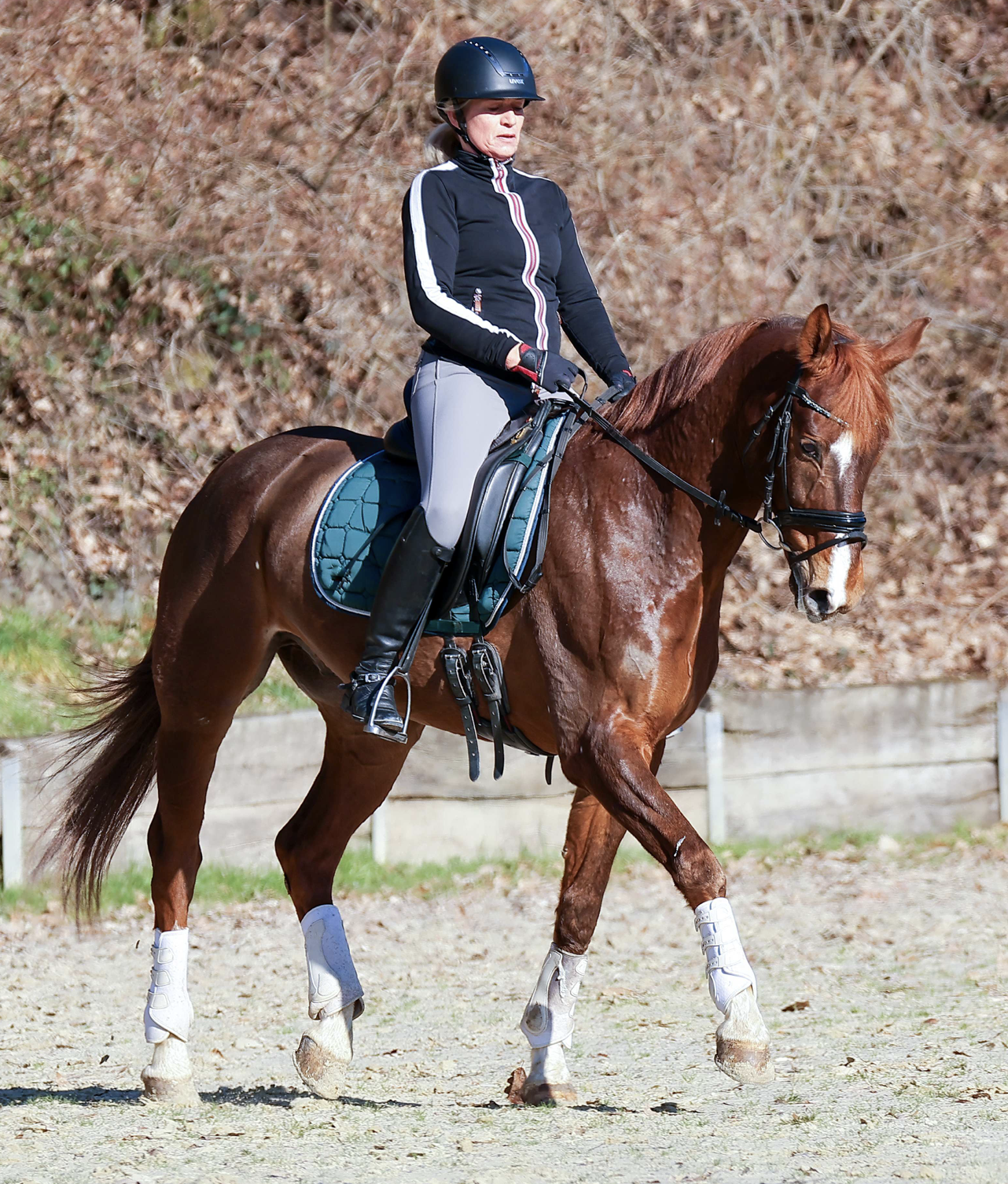
Thoroughbreds and horses with intensive early workloads frequently develop low-level arthritis, ringbone, or historical tendon and ligament strains. On flat, forgiving arena footing, these conditions are masked. However, when navigating a trail, the biomechanical requirements change drastically.
Horses must step slowly, deliberately, and through a full range of motion. If a horse experiences soreness, it may actively avoid lifting the limb high enough to clear an obstacle, resulting in a trip. Alternatively, if a hoof steps into a depression and strikes a sore anatomical structure, the horse may instinctively buckle the leg as a reflex to instantly relieve pressure from the painful site.
Official Expert Guidance: A Systematic Investigative Approach
For riders facing this dilemma, Dr. Eitelman outlines a clear roadmap for investigation and resolution. Rather than guessing at the cause or attempting crude training corrections for a physical problem, owners should proceed methodically:
- Rule Out Ocular Pathology: Schedule a comprehensive veterinary examination of the eyes to check for cataracts, signs of past or active uveitis, and overall visual health. This sets a baseline for the horse’s aging process.
- Evaluate Footing and Ride Dynamics: Experiment with different trail companions and riding orders to determine if social anxiety or genuine environmental distraction is contributing to the horse’s lack of focus.
- Conduct a Lameness Examination: Have a qualified veterinarian perform a comprehensive soundness evaluation. Pay close attention to subtle stiffness, joint flexion tests, and possible low-level arthritis or soft-tissue strain originating in the lower or upper limbs.
- Consult with a Certified Farrier: Ensure that the horse’s shoeing or trimming protocol is optimized for trail performance, offering adequate support, proper breakover, and protection against the specific demands of rocky or root-strewn paths.
Implications for the Rider-Horse Partnership
The realization that a beloved horse is stumbling due to physical soreness rather than disobedience carries profound implications for both horse and rider.
For the rider, overcoming the fear associated with trail-stumbling requires shifting perspective. The horse is not "broken" or intentionally misbehaving; rather, its physical body is communicating changing needs. As a rider’s confidence and competence grow over the years, the horse’s physical capacity may simultaneously be declining due to age and cumulative wear.
This divergence calls for proactive management decisions. Owners must weigh several paths forward:
- Enhanced Maintenance: Implementing aggressive joint supplementation, regular chiropractic or massage therapy, targeted therapeutic shoeing, and routine veterinary joint injections to manage chronic discomfort.
- Stepping Down Workload: Recognizing when a horse has given its best years to arena work and scaling back trail expectations to protect the animal’s joints.
- Honorable Retirement: Transitioning the horse into a well-deserved retirement where it can live comfortably without the physical demands of under-saddle work.
- Rehoming for Light Duty: Passing the seasoned mentor on to a lighter, less demanding home where it can teach another novice rider the ropes at a walk on flat terrain.
Ultimately, addressing the root cause of trail-stumbling transforms a frustrating and frightening experience into an opportunity for compassionate equine care. By listening to what the horse’s body is saying through its movement, riders can ensure that their animal’s senior years are marked by comfort, safety, and mutual trust.