For decades, the American public has operated under the assumption that federal oversight provides a robust shield for the nation’s food supply—both for humans and the animals that live in our homes and on our farms. However, internal documentation from the U.S. Food and Drug Administration (FDA) reveals a starkly different reality: a systemic regulatory pathway that permits "adulterated" human food—products contaminated with fecal matter, chemical residues, and toxic mold—to be legally diverted into pet food and livestock feed.
While the FDA maintains that these diversions are managed through strict oversight, consumer advocates argue that the practice creates a "hidden pipeline" that leaves pet owners and livestock producers in the dark about the true quality and safety of the ingredients they purchase.
The Regulatory Framework: A History of "Diversion"
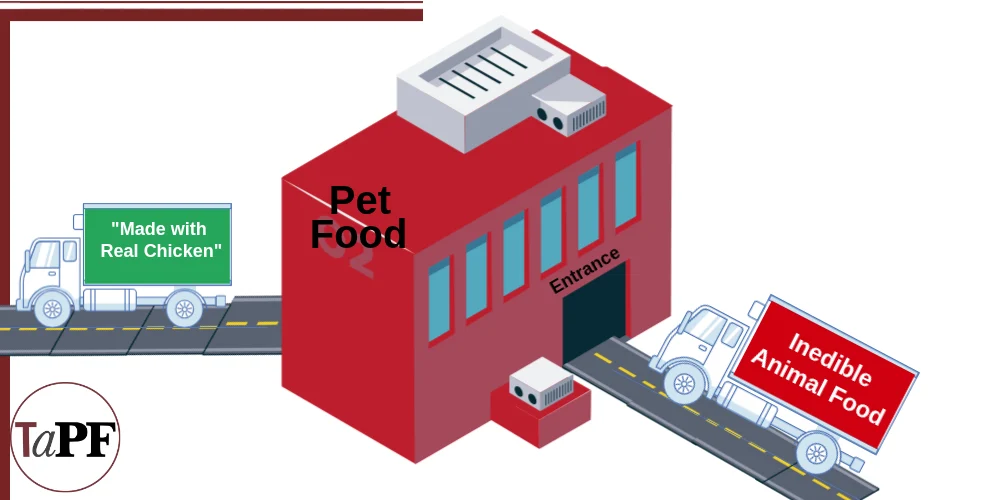
The FDA’s management of contaminated food is governed by a series of Compliance Policy Guides (CPGs). Rather than mandating the destruction of unsafe food, these policies provide a legal roadmap for manufacturers to "salvage" adulterated goods by shifting them from the human consumption market to the animal feed market.
CPG Sec. 675.100: The Fecal Matter Exception
One of the most concerning policies, CPG Sec. 675.100 (Diversion of Contaminated Food for Animal Use), explicitly addresses human food contaminated with "rodent, roach, or bird excreta." The FDA’s own background information acknowledges that such excreta serve as vectors for dangerous pathogens, including Salmonella, Leptospira, and various parasite eggs.
Despite these risks, the agency does not object to the use of this material in animal feed, provided it undergoes "heat treatment" intended to destroy the pathogens. The agency requires that such diversion requests be handled on a case-by-case basis, necessitating prior approval from the Center for Veterinary Medicine (CVM).
CPG Sec. 675.300: Moisture-Damaged and Moldy Grain
The FDA also addresses the handling of grain compromised by natural disasters or industrial accidents. Under CPG Sec. 675.300, the agency allows for the conversion of moisture-damaged or moldy foodstuffs into animal feed.
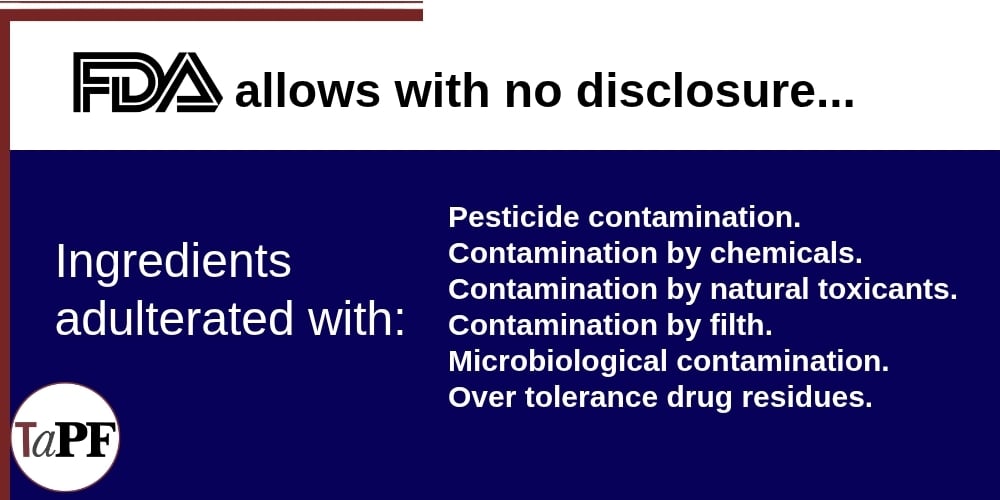
The scope of this policy is broad, covering grain soaked in sewage-contaminated floodwaters, chemical-tainted water from industrial fires, or grain suffering from severe mold growth. The policy dictates that such material may be authorized for animal feed following consultation between the CVM and the Center for Food Safety and Applied Nutrition (CFSAN). The primary concern is whether the material can be "rendered safe," yet critics point out that the definition of "safe" in an animal context is significantly more lenient than in a human context.
CPG Sec. 675.200: The "Adulterated" Catch-All
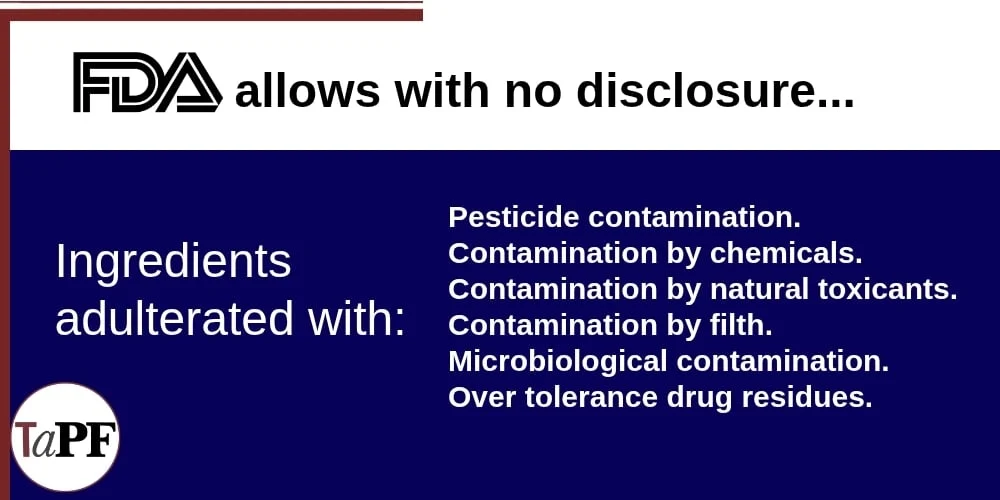
Perhaps the most expansive policy is CPG Sec. 675.200, which governs the general diversion of adulterated food. This policy permits the salvaging of products that fail to meet the stringent safety standards required for human consumption. This includes USDA-detained meat products that test positive for prohibited drug residues, as well as food items currently under voluntary recall or quarantine.
The FDA’s logic rests on the premise that human and animal health standards are not always identical. By allowing different "defect action levels" for filth, the agency creates a tiered system where ingredients rejected for human dinner plates are rebranded as acceptable for a dog’s bowl.
Chronology of Regulatory Oversight
The practice of diverting waste into the animal supply chain is not new, but it has become increasingly scrutinized as transparency in the pet food industry takes center stage.
- Mid-20th Century to Present: The FDA develops various CPGs to manage industrial food waste, viewing the "diversion" of adulterated goods as a method to prevent massive economic losses for food manufacturers.
- The Modern Era: As the pet food industry grows into a multi-billion-dollar sector, the line between "human-grade" and "feed-grade" becomes a critical point of contention.
- September 17, 2026: In an effort to pull back the veil on these practices, a formal Freedom of Information Act (FOIA) request is filed. The request demands the release of all approved adulterated food diversion requests from 2020 through September 2026, specifically seeking the identities of the manufacturers—the "consignees"—who have purchased and utilized this contaminated material.
Supporting Data: What the Public Doesn’t Know
The fundamental issue highlighted by these policies is the lack of transparency. The FDA possesses precise data regarding which manufacturers are incorporating diverted, adulterated ingredients into their products. They know which pet food companies are using grain salvaged from flooded silos and which are using meat products tainted with chemical residues.
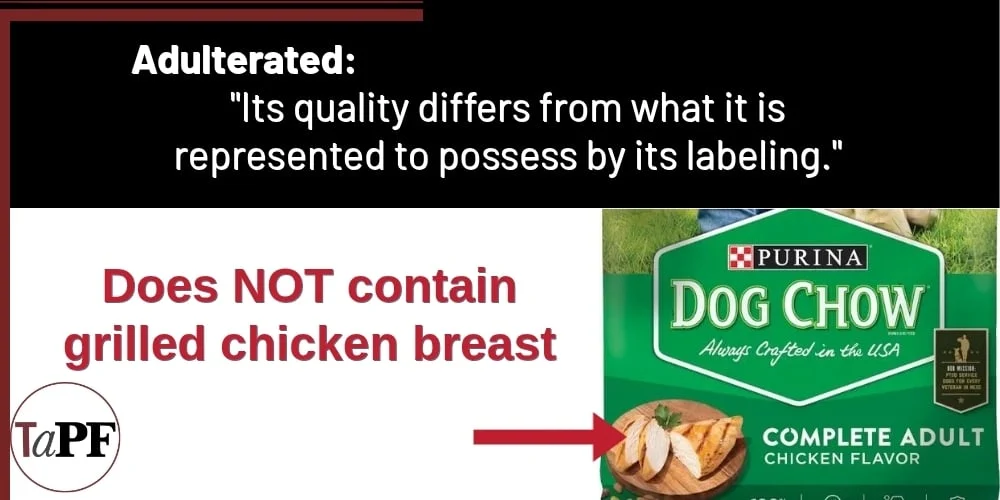
However, this information is not disclosed to the public. Current labeling laws do not require manufacturers to disclose that an ingredient was sourced from a "diverted" or "adulterated" supply. When a consumer reads an ingredient list on a bag of kibble, there is no indicator that the chicken might contain trace drug residues or that the grain was salvaged from a contaminated site.

For the consumer, the ingredient label is an act of faith. The industry relies on the fact that the consumer cannot distinguish between high-quality, clean ingredients and those that were salvaged from a landfill-bound pile.
Official Responses and Institutional Stance
The FDA maintains that these policies are necessary to ensure the safety of the animal feed supply while managing food waste. Their position is that through "heat treatment" and "case-by-case review," the risks posed by pathogens are mitigated to an acceptable level.
However, the agency’s reticence to release information regarding which companies are involved in these diversions suggests a protective stance toward the industry. The timeframes for fulfilling FOIA requests—often stretching into years—effectively shield the industry from public scrutiny. By the time a requester receives documentation, the products in question have long since been consumed, and the companies involved have moved on.
Critics, including pet food consumer advocate Susan Thixton, argue that the FDA is prioritizing the economic viability of the food and feed industry over the right of the consumer to know what they are feeding their animals. If the FDA believes the treatment process is truly effective, they argue, the agency should be transparent about the entire process. The refusal to share the names of the consignees suggests that the agency knows the public would be deeply uncomfortable with the reality of these ingredients.
The Broader Implications
The existence of these policies raises profound questions about the ethics of the modern food system.
1. The Devaluation of Pet Life
By maintaining lower safety standards for animals than for humans, the regulatory framework essentially declares that pets are "lesser" beings. This ignores the fact that modern pets are often integral family members, and the health crises—such as cancers, kidney failures, and autoimmune disorders—currently plaguing the pet population may be linked to long-term exposure to these "diverted" ingredients.
2. The Illusion of Choice
Consumers are currently unable to make informed choices. Because the ingredient labels are mandated by law to be vague, consumers who wish to avoid products derived from adulterated sources have no way to identify them. The "premium" price tag on a bag of pet food does not guarantee the absence of diverted waste.
3. Public Health Risks
The diversion of chemically contaminated meat and sewage-soaked grain into the animal feed supply carries broader public health implications. Livestock fed on such materials may accumulate chemical residues in their tissues, which could potentially enter the human food chain through dairy, meat, and egg products. The "heat treatment" prescribed by the FDA is often ineffective against chemical contaminants and heavy metals, which remain in the final product despite processing.
4. Regulatory Capture
The relationship between the FDA and the industries it regulates has long been a subject of concern. When an agency creates pathways for an industry to turn trash into profit, it inevitably leads to a culture of complacency. If a manufacturer knows they can sell their adulterated goods to a pet food company rather than paying to dispose of them properly, there is little financial incentive to improve safety protocols.
Conclusion: A Call for Transparency
The FDA’s current Compliance Policies represent a "don’t ask, don’t tell" approach to food safety. While the agency claims to have oversight, the reality is a system that allows waste to move through the shadows of the supply chain, hidden from the eyes of those who bear the ultimate risk: the pet owners and the animals themselves.
As we await the results of the 2026 FOIA request, the central question remains: Is the FDA a protector of the public, or is it a facilitator for industry profit? Transparency is the only remedy for this systemic failure. Until the FDA is willing to disclose exactly who is buying this adulterated food and what is being done to ensure it is truly "safe," consumers must remain vigilant, questioning the origins of their pet food and demanding higher standards of accountability from both regulators and manufacturers.
The truth about what is in the bowl is not just a matter of ingredient quality; it is a matter of trust. And right now, that trust is being tested by a system that finds the contamination of our food supply to be a manageable, rather than an unacceptable, state of affairs.